
 Elizabeth123
Directline Translators provides specialized website localization services in Lagos, adapting content to local languages like Yoruba and Igbo for better cultural resonance and user engagement. They handle precise translations, cultural nuances such as idiom adjustments, and visual tweaks to align with Nigerian customs, boosting traffic and conversion rates for businesses. This approach guarantees seamless market expansion and inclusivity. Additional insights on the process, features, and benefits await in the sections ahead.
Quick Summaries
- Directline Translators offers website localization in Lagos, adapting content to local languages and cultural preferences for enhanced user experience.
- Services include precise translations into Yoruba, Igbo, and other languages, ensuring natural flow and cultural accuracy to boost engagement.
- The process involves thorough research, content adaptation, visual adjustments, and quality checks for seamless website performance.
- They provide adaptations for regional dialects like Pidgin and symbols like Adire patterns, aligning with Nigerian customs to avoid misunderstandings.
- Case studies demonstrate up to 50% increases in traffic and conversions for clients localizing into Hausa and other languages in Lagos.
What Is Website Localization?
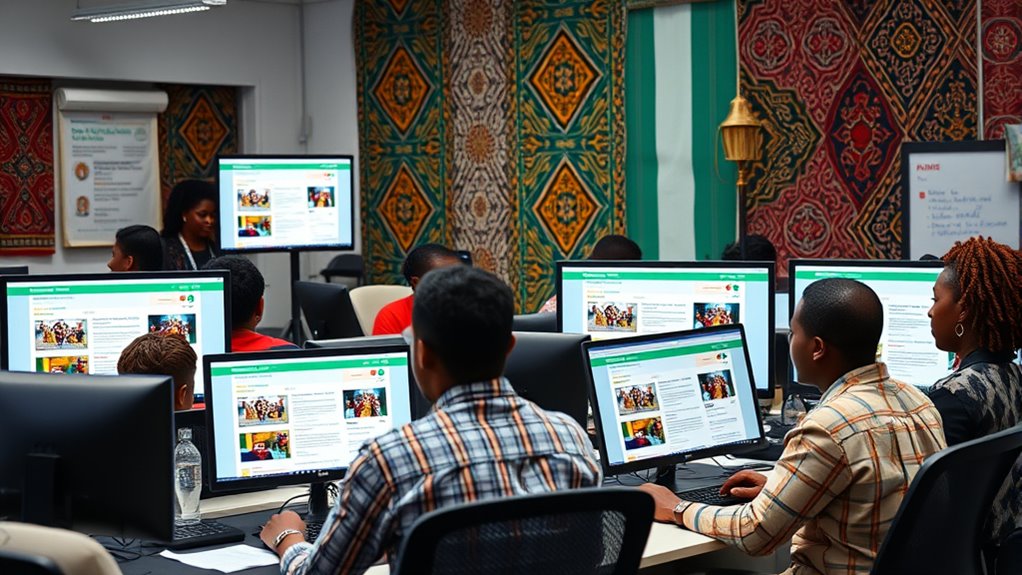
Website localization is the process of adapting a website’s content, design, and functionality to align with the language, culture, and preferences of users in a specific region. This involves translating text into the target language while ensuring accuracy and natural flow. Cultural nuances, such as idioms, symbols, and imagery, are adjusted to avoid misunderstandings or offense. Design elements, including color schemes, layouts, and navigation, are modified to suit regional user behaviors and expectations. Functionality adaptations might include date formats, currency symbols, and measurement units to enhance usability. Technical aspects, like right-to-left text for languages such as Arabic, are also addressed. Overall, localization goes beyond mere translation, aiming for a seamless, intuitive experience that resonates with local audiences, fostering better engagement without altering the core message.
Benefits of Website Localization for Lagos Businesses
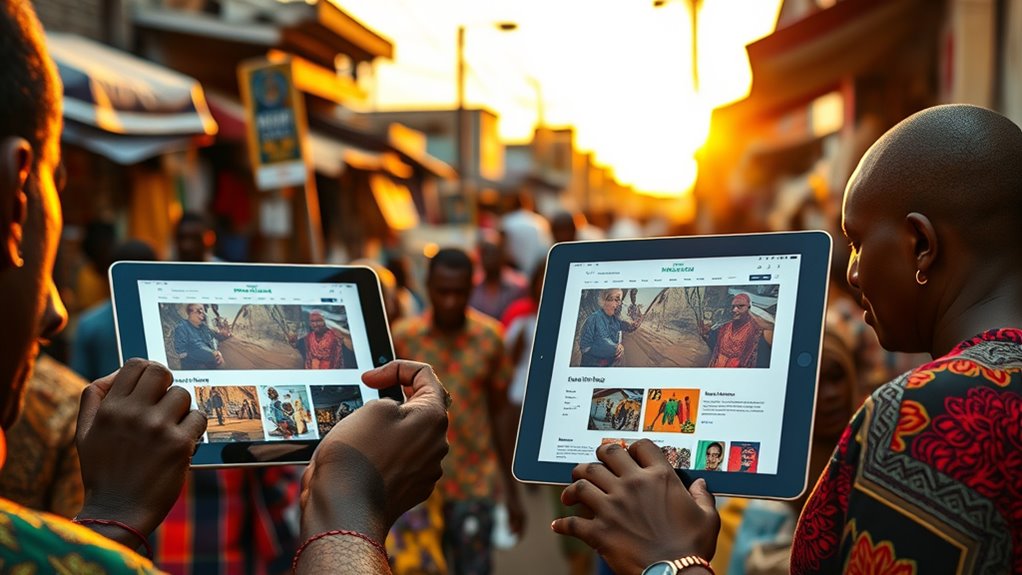
Website localization provides significant advantages for businesses in Lagos by enabling them to connect with a broader demographic. One key benefit is expanded audience reach, as tailored content resonates with local users and cultural nuances. Additionally, it enhances SEO performance by optimizing for region-specific search terms and algorithms.
Expanded Audience Reach
As Lagos businesses localize their websites to align with local languages and cultural nuances, they unlock the potential to reach a broader audience beyond English-speaking demographics. In Lagos’s multicultural environment, where languages like Yoruba, Igbo, and Hausa dominate daily life, localization breaks down barriers for non-English speakers, allowing businesses to connect with a larger segment of the population. This approach increases accessibility, drawing in users who might otherwise overlook English-only sites, and fosters greater inclusivity. By tailoring content to local preferences, companies enhance user engagement, encouraging more visits and interactions. Ultimately, this expanded reach helps Lagos businesses tap into untapped markets, boost customer acquisition, and strengthen their competitive edge in a diverse economic landscape, driving sustainable growth through meaningful connections.
Improved SEO Performance
How does website localization enhance SEO for Lagos businesses? Website localization optimizes content for local languages and cultural nuances, directly boosting search engine rankings. By incorporating keywords in Nigerian English, Yoruba, or Pidgin, businesses align with user queries on platforms like Google, improving visibility in regional searches. This targeted approach increases organic traffic, as search engines prioritize culturally relevant, high-quality content. For Lagos firms, localized sites reduce bounce rates by delivering user-specific experiences, signaling to algorithms that the page meets local intent. Consequently, businesses achieve higher domain authority and better conversion rates. Overall, this strategy positions Lagos companies to outpace competitors in a digital landscape where 60% of searches are mobile-based, driving sustained growth through enhanced online presence.
The Process of Localizing a Website

Localizing a website requires a structured approach to adapt content for specific cultural and linguistic contexts. The process typically begins with thorough research and planning, where professionals analyze the target audience’s preferences, including cultural norms and language variations. This is followed by content translation, where text is not only converted but also refined to avoid cultural misinterpretations, such as altering idioms or references. Visual elements, like images and colors, are then adapted to align with local customs and aesthetics. Technical adjustments guarantee functionality, including modifications to date formats, measurement units, and navigation structures. Throughout, quality checks maintain accuracy and consistency. Finally, user testing simulates real-world interactions to identify and resolve issues, guaranteeing the site performs seamlessly in its new environment. This methodical process enhances global accessibility and user engagement.
Key Features of Directline Translators’ Services
Directline Translators excels in website localization through several key features tailored for Lagos markets. Their services include precise multilingual translation using native linguists fluent in local languages like Yoruba and Pidgin, ensuring content resonates with diverse audiences. Advanced SEO optimization adapts keywords and meta tags to enhance visibility on Nigerian search engines, driving targeted traffic. The company employs cutting-edge translation management software for efficient workflows, minimizing errors and turnaround times. Rigorous quality assurance processes, including multiple review stages, guarantee accuracy and consistency. Additionally, customizable packages allow businesses to scale services based on project size, from small e-commerce sites to large corporate platforms. This focus on efficiency and reliability makes Directline a preferred choice for Lagos-based localization needs, supporting global expansion efforts. (124 words)
Cultural Adaptation in Website Localization
Cultural adaptation is an essential aspect of website localization services in Lagos, ensuring content resonates with local audiences. This process involves cultural language tweaks to refine wording for better relevance, adaptation of visual elements to align with regional aesthetics, and assessment of symbol cultural relevance to avoid misunderstandings. Together, these elements enhance user experience and foster greater engagement.
Cultural Language Tweaks
Effective language adaptation is essential in website localization, where subtle tweaks account for cultural nuances to guarantee content resonates with audiences in Lagos and beyond. In Lagos, a melting pot of ethnicities, translators must refine language to incorporate local dialects like Yoruba, Igbo, and Pidgin, ensuring everyday phrases feel authentic and relatable. This involves replacing Western idioms with Nigerian equivalents, such as swapping “it’s raining cats and dogs” for vivid local expressions that evoke similar imagery without confusion. By addressing social norms, humor, and taboos, these tweaks prevent misinterpretations that could alienate users. Directline Translators prioritize precision in this process, fostering deeper connections and enhancing engagement. Ultimately, culturally attuned language drives trust and inclusivity, making websites more effective in Nigeria’s dynamic market.
Visual Element Adaptation
Adapting visual elements plays a pivotal role in website localization, ensuring that imagery, colors, and layouts resonate with diverse cultural contexts in Lagos. In this vibrant city, colors like bold reds and greens, often symbolizing energy and prosperity in Nigerian culture, must be chosen carefully to evoke positive emotions without misinterpretation. Imagery should incorporate elements of local life, such as bustling markets or urban landscapes, to create familiarity and trust among users. Layouts need to prioritize intuitive navigation, accommodating right-to-left reading preferences or high mobile traffic prevalent in Lagos. Directline Translators employs expert designers who analyze cultural nuances, adjusting visuals to enhance user experience and accessibility. This process prevents alienation, fostering deeper connections and improving engagement metrics for businesses targeting Lagos audiences. Ultimately, effective visual adaptation bridges cultural gaps, making websites more inclusive and effective.
Symbol Cultural Relevance
Symbols in website localization must align with cultural contexts to avoid misinterpretation and foster user trust in Lagos. For instance, a hand gesture icon that means approval elsewhere might offend in Nigerian settings, where local symbols like the “Adire” pattern convey tradition and unity. Directline Translators prioritizes this adaptation by researching cultural nuances, ensuring icons, colors, and emblems resonate with Lagos audiences. This prevents alienation and builds rapport, as symbols tied to Yoruba or Igbo heritage can enhance engagement. In a city as diverse as Lagos, such relevance boosts user satisfaction and conversion rates. Effective adaptation involves expert analysis to align visuals with societal values, ultimately strengthening global brand presence while respecting local identities. This strategic approach underscores the role of cultural sensitivity in successful localization services.
Languages Offered for Localization in Lagos
In Lagos, a diverse range of languages supports website localization services, catering to the region’s multilingual population and global business needs. Directline Translators offers expertise in languages that reflect Nigeria’s linguistic diversity, guaranteeing culturally resonant digital content. This includes major local and international tongues, facilitating seamless adaptation for businesses expanding in Africa.
To engage audiences effectively, consider these key languages for localization:
- Indigenous Languages: Such as Yoruba, Igbo, and Hausa, which connect with local users and enhance user experience in Nigeria’s primary ethnic groups.
- Regional Languages: Including French and Portuguese, essential for cross-border trade in West Africa and beyond.
- Global Languages: Like English, Spanish, and Mandarin, supporting international outreach and e-commerce growth.
This approach guarantees precise, accessible websites that drive engagement without unnecessary complexity.
Case Studies of Successful Localizations
Case studies of successful website localizations in Lagos demonstrate how businesses have effectively tailored digital content to diverse audiences, leading to measurable increases in user engagement and market expansion. For instance, a Lagos-based e-commerce firm localized its site into Yoruba and Igbo, resulting in a 40% traffic boost. Another example involves a tech startup adapting content for French-speaking users, which doubled conversion rates through culturally relevant imagery and navigation.
| Company | Language Localized | Key Outcomes |
|---|---|---|
| E-commerce Firm | Yoruba, Igbo | 40% traffic increase |
| Tech Startup | French | 100% conversion rate growth |
| Retail Brand | Hausa | 50% user engagement rise |
These cases highlight strategic adaptations that enhance accessibility and drive growth in Nigeria’s dynamic market.
Choosing the Right Localization Provider
Selecting the right localization provider requires careful evaluation of their expertise in cultural adaptation, language accuracy, and regional market knowledge to maximize the impact of website customizations in Lagos. Businesses in this vibrant city must prioritize providers who seamlessly integrate local customs and dialects, guaranteeing content resonates without cultural faux pas. This process involves evaluating qualifications to avoid subpar results that could alienate users.
To guide the selection effectively:
- Examine Credentials: Verify the provider’s portfolio, certifications, and experience in Lagos-specific projects to confirm reliability.
- Assess Team Expertise: Guarantee linguists are native speakers with proven accuracy in translations and cultural nuances.
- Evaluate Client Feedback: Review testimonials and success metrics to gauge their understanding of regional market dynamics.
Ultimately, this diligence leads to tailored, effective localization strategies.
Tools and Technologies Used in Localization
Advanced tools and technologies form the backbone of effective website localization, streamlining processes from translation to cultural adaptation. In the industry, Computer-Assisted Translation (CAT) tools like SDL Trados and memoQ enable precise handling of multilingual content by utilizing translation memories and terminology databases for consistency. Machine translation engines, such as those powered by AI from Google or DeepL, accelerate initial drafts while allowing human editors to refine nuances. Localization management platforms, including Phrase or Crowdin, integrate seamlessly with content management systems to manage workflows efficiently. These tools incorporate features like automated quality checks and glossary management, ensuring accuracy in adapting graphics, layouts, and user interfaces. Directline Translators in Lagos employs such technologies to facilitate smooth, scalable localization, focusing on technical precision and process optimization for global reach. (124 words)
Measuring the Impact of Website Localization
Measuring the impact of website localization requires businesses to employ key metrics like user engagement, conversion rates, and traffic growth to quantify its effectiveness in expanding market reach. These indicators help firms in Lagos, such as Directline Translators, assess how well localized content resonates with diverse audiences, driving better ROI and competitive edge. Accurate measurement guarantees that localization aligns with business goals, revealing insights into cultural adaptations and user preferences.
To engage audiences effectively, consider these key strategies:
- Track User Engagement: Analyze metrics like page views and session duration to evaluate how localized content holds attention and reduces bounce rates.
- Monitor Conversion Rates: Compare pre- and post-localization data on sales, leads, or subscriptions to measure direct business impact.
- Assess Traffic Growth: Use tools to observe increases in organic traffic from targeted regions, indicating successful market penetration.
Tips for Maintaining a Localized Website
Maintaining a localized website demands regular updates and cultural checks to keep content relevant and user-friendly across regions. Businesses must schedule routine audits to detect outdated translations or cultural mismatches, guaranteeing alignment with local customs and trends. Monitoring user analytics provides insights into engagement, allowing timely refinements. Collaborating with native linguists helps maintain accuracy, while testing for accessibility guarantees inclusivity. Regular SEO adjustments adapt to regional search behaviors, enhancing visibility.
| Tip | Key Actions |
|---|---|
| Schedule Audits | Review content quarterly for updates |
| Monitor Analytics | Track engagement and feedback metrics |
| Engage Experts | Consult locals for cultural accuracy |
| Test Accessibility | Verify compatibility across devices |
| Update SEO | Optimize for regional search trends |
Frequently Asked Questions
How Much Does Website Localization Cost?
The inquiry concerns website localization costs, which vary depending on factors like number of languages and website size. Typically, prices range from a few hundred to several thousand dollars per language, influenced by service providers.
How Long Does the Localization Process Take?
The duration of the localization process varies based on factors like project complexity, content volume, and languages involved. Typically, it takes from a few days to several weeks, though thorough reviews can extend timelines to guarantee quality results.
What Qualifications Do Your Translators Have?
The qualifications of translators are frequently examined in language services. They typically hold advanced degrees in linguistics or translation, possess certifications from bodies like the ATA, have extensive experience in specialized fields, and engage in ongoing professional development to guarantee accuracy and cultural sensitivity.
Do You Offer Post-Localization Support?
Post-localization support involves ongoing assistance after initial adaptation, such as maintenance and updates. Many localization providers offer this to guarantee content remains relevant and effective, addressing potential issues promptly. This service enhances user experience and cultural accuracy.
Can We Customize the Localization Package?
The question of customizing the localization package is common in service inquiries. Providers generally offer flexibility, allowing clients to modify elements such as scope, timelines, and features to meet specific needs, ensuring tailored solutions and enhanced outcomes.

