
 Elizabeth123

Gikuyu to English translation services in Nairobi, especially through Translation Africa, offer certified and accurate conversions for official documents and specialized projects. These services utilize technology and cultural expertise to maintain nuances, ensuring effective communication across education, legal, and corporate sectors. Professionals handle rapid turnarounds while prioritizing confidentiality and precision. Exploring the outlined topics provides additional insights into language essentials and practical strategies.
Quick Summaries
- Translation Africa specializes in certified Gikuyu to English translations in Nairobi.
- They offer tailored services for official documents, education, and corporate needs.
- Accurate translations preserve cultural nuances and original meanings of Gikuyu.
- Services include rapid turnarounds and interpretation for events in Nairobi.
- Effective strategies involve collaboration with native speakers for precision and quality.
Overview of Gikuyu Language Essentials

The Gikuyu language, also known as Kikuyu, is a Bantu language primarily spoken by the Kikuyu people in Kenya. It belongs to the larger Niger-Congo family, characterized by its agglutinative structure, where words are formed by adding prefixes and suffixes. Gikuyu features a tonal system, with high and low tones altering word meanings, and includes about 10 noun classes that influence agreement in sentences. The language uses a Latin-based alphabet, adapted for its phonetics, including unique sounds like the dental fricative. Approximately 8 million people speak Gikuyu as a first language, mainly in the central highlands of Kenya. Its vocabulary draws from agricultural and social contexts, reflecting Kikuyu cultural heritage, such as terms for kinship and traditional practices. This makes Gikuyu essential for preserving oral traditions and community identity in Kenya.
Professional Translation Options in Nairobi
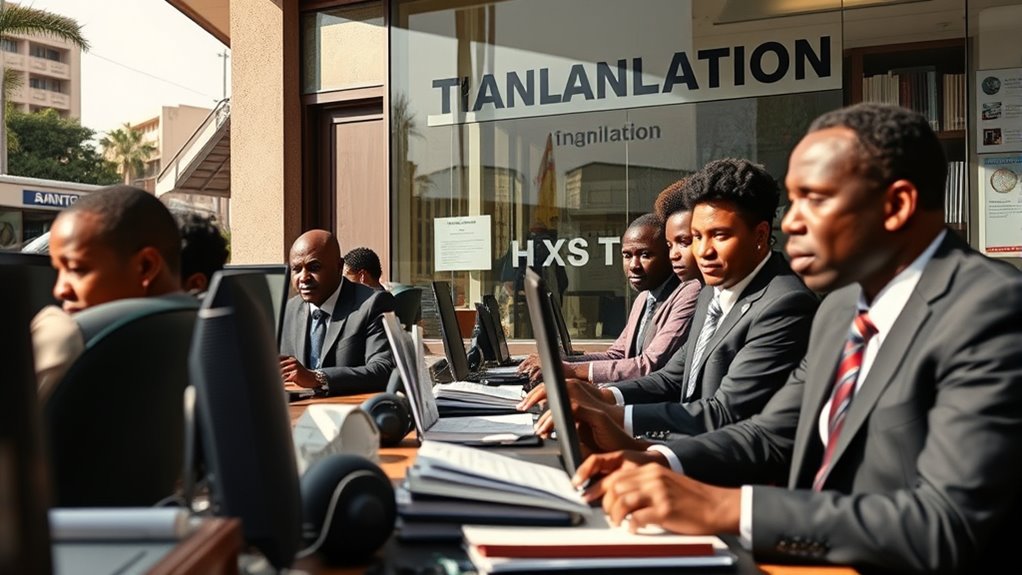
Nairobi provides diverse professional translation services for Gikuyu to English, meeting demands from individuals and businesses. The city hosts a range of qualified translators and agencies that prioritize accuracy and cultural nuances, supporting sectors like education, legal, and corporate needs. These options cater to growing multilingual requirements in Kenya’s urban hub.
- Certified Translators: Skilled professionals with expertise in Gikuyu linguistics guarantee precise conversions for official documents and communications.
- Agency Choices: Multiple firms offer tailored services, from quick turnarounds to specialized projects, enhancing accessibility.
- Technology Integration: Many providers use digital tools for efficient, error-free translations, bridging language gaps effectively.
This landscape fosters reliable cross-cultural exchanges without unnecessary complications. (124 words)
Services Offered by Translation Africa

Translation Africa specializes in Gikuyu to English translation services, delivering certified documents, specialized projects, and rapid turnarounds for clients in education, legal, and corporate fields. The company provides extensive options, including document certification, website localization, and interpretation for conferences or legal proceedings. Their team handles diverse projects with precision, ensuring cultural accuracy and confidentiality.
To illustrate the services offered:
| Service Type | Description | Target Field |
|---|---|---|
| Certified Translations | Official, notarized document conversion | Legal, Education |
| Specialized Projects | Custom solutions for unique needs | Corporate |
| Rapid Turnarounds | Expedited delivery without quality loss | All Fields |
| Interpretation Services | On-site or remote language support | Education, Legal |
This approach meets varied client demands effectively, focusing on reliability and expertise.
Benefits of Accurate Language Conversion
Accurate language conversion yields significant advantages, particularly in preserving cultural nuances and ensuring clear communication across diverse contexts. In the field of Gikuyu to English translations, it bridges gaps in global interactions, fostering mutual respect and reducing potential conflicts. This process enhances accessibility to knowledge, enabling smoother exchanges in education, business, and cultural preservation without distorting original meanings.
- Cultural Preservation: Maintains the integrity of Gikuyu traditions, idioms, and folklore, preventing loss in translation.
- Improved Communication: Facilitates precise exchanges in international settings, minimizing errors that could lead to misunderstandings.
- Broader Accessibility: Expands reach for Gikuyu speakers, allowing participation in global opportunities like trade and education.
Practical Tips for Effective Translations
Building upon the benefits of language conversion, effective translations demand specific strategies to maintain fidelity and clarity. For Gikuyu to English, translators should first immerse themselves in both cultures to capture nuances, ensuring idiomatic expressions are adapted without losing intent. Utilizing specialized dictionaries and tools, such as bilingual corpora, helps verify terminology accuracy. Professionals recommend breaking text into segments for detailed analysis, prioritizing context over literal word-for-word conversion. Collaboration with native speakers can refine drafts, while editing for grammar and flow prevents misinterpretations. Regular practice and feedback loops enhance skills, fostering reliable outcomes in Nairobi’s translation services. Ultimately, these tips minimize errors, promoting seamless communication in global contexts. (124 words)
Frequently Asked Questions
How Much Does Gikuyu to English Translation Cost?
The cost of translating from Gikuyu to English varies based on factors like text length, complexity, and provider expertise. Rates typically range from $0.05 to $0.20 per word. Additional charges may apply for urgent services, so obtaining specific quotes from professionals is advisable.
How Long Does a Translation Project Typically Take?
The typical duration of a translation project varies based on factors like text volume, language complexity, and resources available. Small projects often take 1-3 days, medium ones 1-2 weeks, and large endeavors may extend to several weeks or months.
What Qualifications Do Your Translators Have?
The question regarding translators’ qualifications is essential for ensuring reliable services. Qualified translators typically hold advanced degrees in languages or translation, possess certifications from accredited bodies, and have extensive professional experience in diverse linguistic contexts.
Are Translations Certified for Official Use?
The question addresses whether translations are certified for official use. Translation providers often supply certified documents by qualified professionals, ensuring compliance with legal standards for purposes like immigration or court proceedings.
Do You Offer Discounts for Multiple Documents?
The inquiry regarding discounts for multiple documents is common in translation services. Providers often offer such discounts for bulk submissions to attract more business, provide value to clients, and maintain competitive pricing in the market.