
 Elizabeth123
English to Tigrinya translation services, such as those from Translation Africa, play an essential role in Eritrea by bridging communication gaps in education, business, and culture. These services employ skilled linguists to guarantee precise conversions, addressing linguistic challenges like grammar differences and idioms while incorporating cultural nuances for authenticity. This approach enhances trust and effectiveness in global interactions. Further details on benefits, challenges, and tips will provide deeper insights into ideal translation strategies.
Quick Summaries
- Translation Africa specializes in accurate English to Tigrinya translations, focusing on Eritrea’s linguistic needs.
- Their team of expert linguists ensures precision by addressing Tigrinya’s unique grammar and cultural nuances.
- Services cater to various sectors, including business, education, and legal documents for Tigrinya speakers.
- Native Tigrinya professionals deliver high-quality, culturally adapted translations to maintain fidelity.
- Additional offerings include interpretation and localization to enhance communication in Eritrean contexts.
Importance of English to Tigrinya Translation
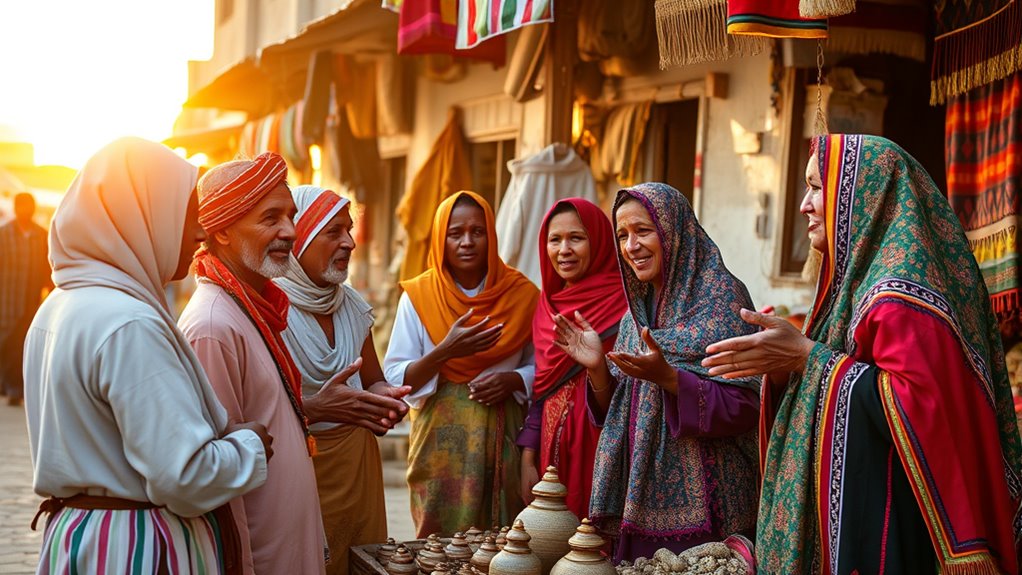
Translating English to Tigrinya plays an essential role in bridging communication gaps, enabling access to global information for Tigrinya speakers in Eritrea, Ethiopia, and diaspora communities. This process enhances educational opportunities, allowing students to engage with international curricula and resources without language barriers, therefore improving literacy and knowledge acquisition. In business, accurate translations facilitate trade, negotiations, and economic growth by ensuring clear communication between English-speaking partners and Tigrinya users. Culturally, it promotes the exchange of ideas, preserving Tigrinya heritage while fostering global awareness and mutual understanding. For diaspora populations, it supports identity maintenance and social integration, empowering individuals to navigate multicultural environments effectively. Ultimately, such translations drive inclusivity, innovation, and community development across various sectors.
Overview of Tigrinya Language in Eritrea
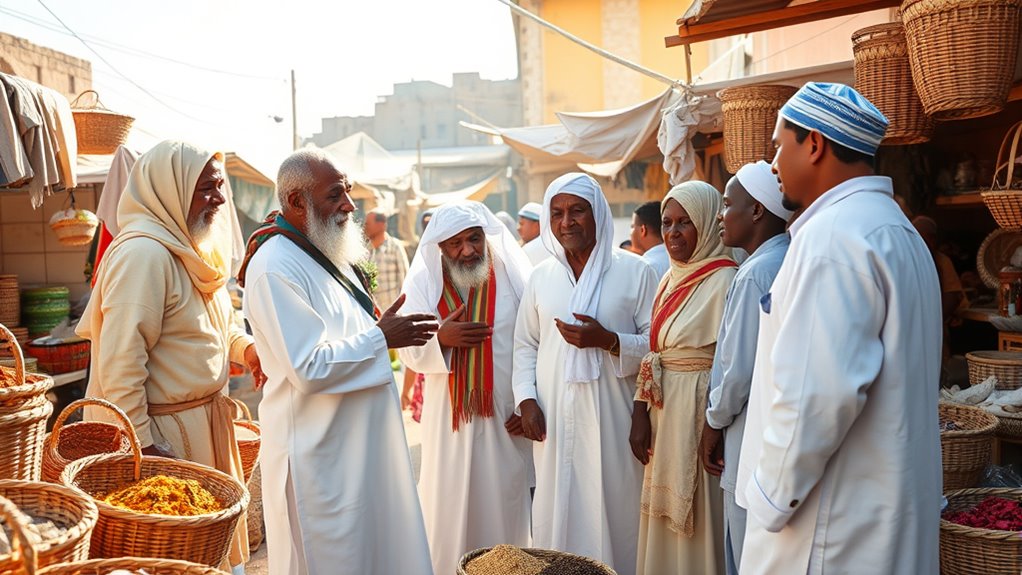
Tigrinya functions as a primary language in Eritrea, spoken by about half the population and belonging to the Semitic language family. It evolved from ancient Ge’ez, an Afro-Asiatic tongue with roots in the Aksumite Empire, and is written using the Ge’ez script, a syllabic system featuring 33 basic characters. As one of Eritrea’s nine national languages, Tigrinya holds official status, serving as the medium for education, administration, and media in the highlands. The language exhibits complex grammar, including three genders, seven vowel sounds, and root-based word formation, with dialects varying by region such as the central and northern areas. These variations reflect Eritrea’s ethnic diversity, yet a standardized form promotes unity. Tigrinya’s vocabulary incorporates influences from Arabic, Amharic, and Italian due to historical interactions, enriching its expression in literature, folklore, and daily communication. Its phonetic structure and cultural significance underscore its role in preserving Eritrean heritage.
Benefits of Professional Translation Services

Professional translation services for English to Tigrinya offer precision in translations, ensuring accurate and reliable results. These services also provide cultural adaptation expertise, which helps convey nuances appropriate to Tigrinya-speaking audiences. Additionally, efficient delivery options make them a practical choice for timely communication needs.
Precision in Translations
In an era of global communication, precision in translations serves as the cornerstone for accurate cross-cultural exchanges, minimizing errors that could alter intended meanings. Professional translation services excel in this domain by employing expert linguists proficient in English and Tigrinya, ensuring every nuance is captured without distortion. These services utilize advanced tools like specialized software and rigorous proofreading processes to maintain fidelity to the original text, particularly in fields such as business, legal, and technical documentation. For English to Tigrinya translations, this precision prevents misinterpretations that could lead to costly mistakes, fostering trust and efficiency. By prioritizing accuracy, professional providers deliver reliable outcomes that support seamless information flow, enhancing overall communication effectiveness in Eritrea and beyond. This focus on exactness ultimately bolsters the value of specialized services in a competitive global landscape.
Cultural Adaptation Expertise
Cultural adaptation expertise enables professional translation services to tailor content beyond mere language conversion, integrating nuances like idioms and social customs to resonate with Tigrinya-speaking audiences. This approach guarantees translations are culturally relevant, fostering better understanding and acceptance in Eritrea’s diverse contexts. By prioritizing local sensitivities, professionals bridge communication gaps effectively.
Professional translation services offer several key benefits through cultural adaptation:
- Preserves cultural integrity: Maintains the essence of original messages while aligning with Tigrinya traditions.
- Enhances engagement: Makes content more relatable, increasing audience interaction and trust.
- Reduces misinterpretations: Avoids offensive or confusing elements by adapting to social norms.
- Boosts effectiveness: Improves outcomes in education, business, and media by ensuring messages are contextually appropriate.
Efficient Delivery Options
Efficient delivery options, such as expedited services and digital platforms, allow professional translation services to meet tight deadlines while maintaining high accuracy. These services benefit clients by integrating advanced tools like AI-assisted workflows and secure online portals, ensuring seamless project management for English to Tigrinya translations in Eritrea. For instance, expedited options enable rapid turnaround for urgent documents, such as legal or business materials, without compromising linguistic precision. Digital platforms further enhance accessibility, offering real-time tracking, 24/7 support, and cost-effective solutions that reduce errors and rework. This efficiency not only saves time but also builds trust, as clients receive tailored, high-quality results that align with cultural nuances, ultimately supporting effective communication in diverse contexts. Overall, such options underscore the reliability of professional services in a competitive market.
Challenges in English to Tigrinya Conversion
Translating from English to Tigrinya presents significant challenges that impact the accuracy of communication. Grammar challenges stem from the distinct structural rules of each language, often leading to misinterpretations. Vocabulary differences and cultural barriers further complicate the process by requiring translators to navigate unique words and contextual nuances.
Grammar Challenges
While English and Tigrinya share basic communicative functions, their grammatical structures diverge substantially, creating hurdles in translation. Tigrinya’s complex verb systems, including aspect and mood indicators, often lack direct equivalents in English, leading to awkward phrasing. Differences in sentence construction, such as word order and agreement rules, further complicate accurate conveyance of meaning. Translators must navigate these intricacies to maintain fidelity.
Key grammar challenges include:
- Verb conjugation discrepancies: Tigrinya verbs change based on aspect and evidentiality, unlike English’s tense-focused system.
- Noun and adjective agreements: Tigrinya requires gender and number matching, which English often omits.
- Sentence structure variations: Tigrinya’s subject-object-verb order versus English’s subject-verb-object disrupts natural flow.
- Use of particles and modifiers: Tigrinya relies on particles for emphasis, absent in English equivalents.
These issues demand careful adaptation for effective communication.
Vocabulary Differences
Beyond grammatical structures, vocabulary differences between English and Tigrinya introduce additional hurdles in translation. English often relies on a vast array of loanwords and compound terms, which lack direct equivalents in Tigrinya, a Semitic language with roots in ancient Ge’ez. For instance, abstract English concepts like “democracy” or “innovation” may require descriptive phrases in Tigrinya, leading to potential loss of nuance. Conversely, Tigrinya features specific words for environmental or agricultural contexts, such as terms for traditional farming tools, that have no precise English counterparts. Translators must navigate homonyms and polysemy, where a single Tigrinya word can carry multiple meanings depending on context, complicating accurate conveyance. This necessitates careful word choice to maintain fidelity, often involving adaptation or neologisms to bridge lexical gaps. Ultimately, these differences demand specialized knowledge for effective English-Tigrinya conversion.
Cultural Barriers
Cultural barriers greatly influence the challenges of translating from English to Tigrinya, as differing societal norms and historical contexts can alter word interpretations. For instance, Tigrinya speakers in Eritrea often embed cultural nuances that lack direct English equivalents, leading to potential miscommunications in areas like customs or traditions. This requires translators to navigate subtle differences that affect accuracy and cultural sensitivity.
Translators face specific hurdles, as outlined below:
- Idiomatic expressions: English idioms, such as “kick the bucket,” may not have Tigrinya parallels, forcing adaptations that alter intent.
- Historical references: Words tied to Eritrean history, like colonial struggles, differ from English contexts, risking distortion.
- Social hierarchies: Tigrinya honors age and status, whereas English is more egalitarian, complicating formal translations.
- Religious undertones: Concepts in Tigrinya influenced by Orthodox Christianity have no secular English counterparts, leading to interpretive challenges.
Cultural Aspects of Tigrinya Translations
Translating between English and Tigrinya requires careful consideration of cultural elements that influence meaning and expression. Tigrinya, spoken primarily in Eritrea and parts of Ethiopia, embodies rich cultural nuances shaped by historical traditions, oral storytelling, and social structures. For instance, idiomatic expressions often draw from agrarian lifestyles or communal values, which may lack direct English counterparts, leading to potential misinterpretations if not handled adeptly. Translators must navigate concepts like respect for elders, reflected in honorific language, or the significance of religious festivals, ensuring that subtleties in tone and context are preserved. This cultural sensitivity enhances communication, fostering mutual understanding between English and Tigrinya speakers. Furthermore, gender roles and family dynamics influence word choices, making accurate translation a bridge for cultural exchange rather than mere linguistic conversion. By prioritizing these aspects, translations maintain authenticity and depth, avoiding superficial renditions that overlook societal contexts. Ultimately, effective Tigrinya translations honor the language’s cultural heritage, promoting accurate cross-cultural dialogue.
Services Offered by Translation Africa
Translation Africa offers a range of services for English to Tigrinya projects, including translation services that guarantee accurate language conversion. The company also provides interpretation support to facilitate real-time communication needs. Additionally, their localization expertise helps adapt content to cultural contexts for better audience engagement.
Translation Services
Services offered by Translation Africa include expert English to Tigrinya translations, designed to meet diverse client requirements with precision and reliability. These services cater to businesses, legal entities, and individuals in Eritrea and beyond, ensuring culturally accurate and professionally polished results. Translation Africa employs skilled linguists who specialize in various fields, from technical documents to literary works, while adhering to international standards.
Translation Africa’s offerings emphasize key strengths:
- High accuracy: Leveraging native Tigrinya speakers for error-free translations.
- Timely delivery: Fast turnaround times without compromising quality.
- Custom solutions: Tailored packages for specific industries like healthcare or education.
- Confidentiality: Secure handling of sensitive information with strict protocols.
This approach helps clients bridge language gaps effectively, fostering better communication and success. (124 words)
Interpretation Support
In addition to its translation expertise, Translation Africa delivers thorough interpretation support for clients across Eritrea and internationally. This service encompasses simultaneous and consecutive interpreting for diverse settings, such as business meetings, conferences, legal proceedings, and medical consultations. Highly skilled interpreters, proficient in English and Tigrinya, guarantee real-time, accurate communication to bridge language barriers effectively. Clients benefit from customized solutions, including on-site and remote options, tailored to specific needs while maintaining confidentiality and precision. Whether facilitating international negotiations or local community events, Translation Africa’s team employs advanced technology and rigorous training to deliver seamless experiences. This support enhances cross-cultural interactions, fostering better understanding without altering content, and supports global outreach for businesses and organizations.
Localization Expertise
Localization expertise at Translation Africa adapts content for specific cultural and linguistic contexts, ensuring seamless integration for Tigrinya-speaking audiences and beyond. This service focuses on tailoring English translations to resonate with Eritrea’s diverse cultural nuances, enhancing user engagement and accessibility. By combining linguistic precision with cultural sensitivity, Translation Africa delivers high-quality results that avoid misinterpretations.
The core benefits include:
- Cultural adaptation: Modifying idioms and references to align with Tigrinya traditions.
- Linguistic accuracy: Ensuring grammar and vocabulary reflect regional dialects.
- Visual localization: Adjusting layouts for right-to-left scripts and local aesthetics.
- Quality assurance: Testing content for cultural relevance and user comprehension.
This approach supports effective communication in global markets, fostering trust and inclusivity.
Tips for Effective Language Translation
Effective language translation hinges on key strategies to bridge linguistic gaps, such as mastering cultural nuances and guaranteeing fidelity to the source text. Translators must immerse themselves in the target culture, like Tigrinya speakers in Eritrea, to capture subtle idioms and avoid misinterpretations. Accurate terminology requires consulting specialized resources and cross-referencing for consistency. Understanding context—whether literal or figurative—prevents errors that could alter meaning. Collaboration with native linguists offers real-time insights, enhancing authenticity. Regular practice and ongoing education help refine skills, adapting to evolving language use. Proofreading multiple drafts guarantees clarity and precision, ultimately delivering high-quality translations that respect the original intent without unnecessary embellishments. These techniques promote effective cross-cultural communication.
Business Applications of Tigrinya Translation
Tigrinya translation supports business expansion into markets like Eritrea and Ethiopia by enabling clear communication in negotiations, marketing, and customer service. It bridges language barriers, fostering stronger relationships with local partners and clients, while minimizing risks in international dealings. This linguistic tool enhances operational efficiency and cultural sensitivity, allowing companies to adapt strategies effectively.
In business contexts, Tigrinya translation offers key advantages:
- Streamlines contract negotiations for mutual understanding.
- Customizes marketing campaigns to resonate with local audiences.
- Improves customer service interactions, boosting loyalty.
- Facilitates compliance with regional business regulations.
Technological Tools for Translation
Advancements in technology have transformed translation practices, offering sophisticated tools that enhance accuracy and efficiency for languages like Tigrinya. Machine translation software, such as neural networks and AI-driven platforms, now supports Tigrinya by processing complex linguistic nuances, reducing errors in real-time conversions. These tools integrate with apps and websites, enabling seamless English-Tigrinya exchanges for professionals and learners. Additionally, computer-assisted translation (CAT) tools like SDL Trados provide glossaries and memory features to maintain consistency.
| Tool Type | Key Benefits |
|---|---|
| Machine Translation | Fast, automated output |
| CAT Software | Customizable, error-proof |
| Mobile Apps | Portable, user-friendly |
This integration boosts productivity while preserving cultural fidelity in translations.
Regional Variations in Tigrinya Language
Regional variations in the Tigrinya language reflect its diverse dialects across Eritrea and Ethiopia, shaped by local geography, history, and cultural influences. In Eritrea, highland dialects in areas like Asmara differ from lowland ones in regions such as Gash-Barka, influenced by terrain and migration. In Ethiopia’s Tigray, variations arise from interactions with neighboring languages. These differences affect vocabulary, pronunciation, and grammar, impacting translation accuracy.
Key regional distinctions include:
- Pronunciation shifts: Highland dialects emphasize vowel lengthening, while lowland ones alter consonant sounds due to Arabic influences.
- Vocabulary variations: Words for daily items vary, with Ethiopian Tigrinya borrowing from Amharic and Eritrean dialects retaining older terms.
- Grammatical differences: Sentence structures diverge, such as in verb conjugations influenced by local traditions.
- Lexical borrowing: Proximity to borders introduces loanwords, like those from Afar in border areas.
Understanding these guarantees effective English-to-Tigrinya translation.
Frequently Asked Questions
How Much Does Translation Cost?
The cost of translation services, as queried, depends on various factors. These include the languages involved, the length and complexity of the material, and the timeline. For accurate pricing, consultation with translation experts is recommended.
Can I Translate Documents Myself?
Translating documents oneself is feasible for individuals with strong language skills, using online tools for simple texts. However, accuracy may suffer in complex or official contexts, where professional services guarantee precision and cultural fidelity. Self-translation suits personal needs but risks errors in nuances.
What Payment Methods Are Accepted?
The query concerns accepted payment methods for services. Various providers typically accept credit cards, such as Visa and MasterCard, PayPal, bank transfers, and sometimes digital wallets like Apple Pay. Users should check directly with the service for specifics. Options may vary based on region.
How Do I Request a Quote?
Requesting a quote involves contacting the relevant service provider directly through their official website or designated contact channels. Individuals should provide necessary details via an online form or email, ensuring all specifications are clear for accurate responses. This process typically yields prompt estimates.
Is Rush Service Available?
The question of whether rush service is available is commonly raised in service industries. Many providers offer expedited options for urgent needs, often at an additional cost, depending on their capacity and policies to guarantee timely delivery.