
 Elizabeth123
English to Chewa translation in Malawi serves as an essential bridge for cultural preservation and effective communication across Africa, drawing from Bantu origins to adapt English phrases into practical Chewa vocabulary like “Moni” for hello and “Zikomo” for thank you. This process supports education by translating materials for rural students, enhances healthcare through accurate medical instructions, and boosts business interactions by promoting local engagement. Techniques involve addressing grammatical nuances and using digital tools for accessibility. Further insights await on origins and applications.
Quick Summaries
- Chewa translation involves converting English phrases like “Hello” to “Moni” for everyday use in Malawi.
- Accurate English to Chewa translation preserves Malawi’s cultural heritage and promotes national unity.
- Techniques for translation include adapting to Chewa’s noun classes and tonal nuances for precision.
- Applications span education, healthcare, and business in Malawi to bridge language barriers effectively.
- Digital tools, such as AI translators, enhance English to Chewa conversion for broader accessibility in Africa.
The Origins of Chewa Language
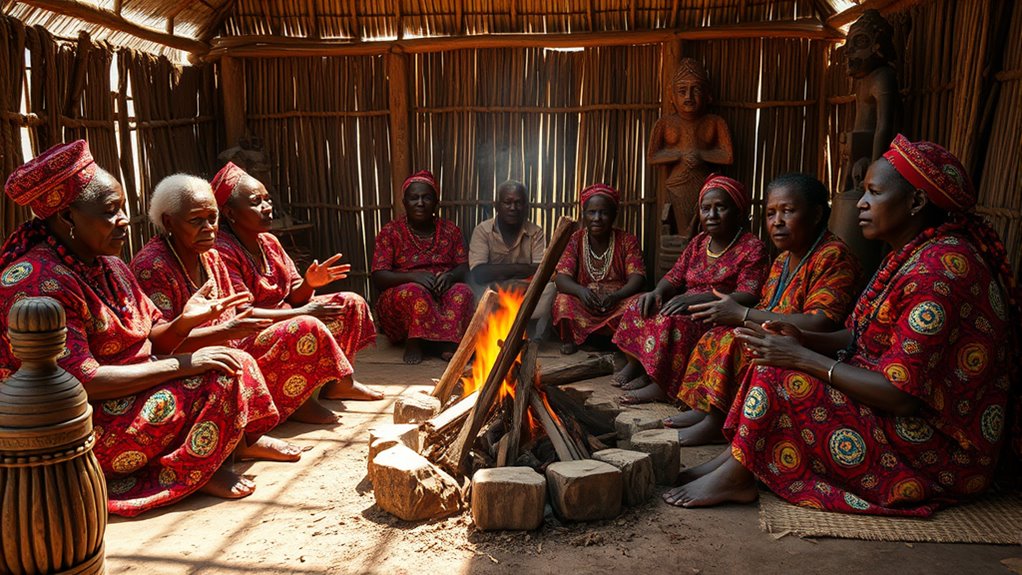
The Chewa language, a Bantu language spoken primarily in Malawi, traces its origins to the migrations of Bantu-speaking peoples from West-Central Africa around 2,000 to 3,000 years ago. These early migrations involved groups moving southward and eastward, driven by environmental changes and the search for fertile lands. As they settled in what is now Malawi, Zambia, and Mozambique, their languages evolved through interactions with local populations and other Bantu dialects. Chewa, also known as Chichewa, belongs to the Bantu language family, which shares common roots in Proto-Bantu, characterized by noun class systems and agglutinative structures. Over centuries, it absorbed influences from neighboring languages, such as Nguni and Yao, shaping its distinct phonology and grammar. This historical development underscores Chewa’s role as a unifying tongue in the region, facilitating communication among diverse ethnic groups. Archaeological evidence, including ancient tools and rock art, supports the timeline of these movements, highlighting the resilience of Bantu cultural heritage. Today, Chewa’s origins reflect a rich tapestry of migration and adaptation in Southern Africa.
Essential Chewa Vocabulary for Beginners
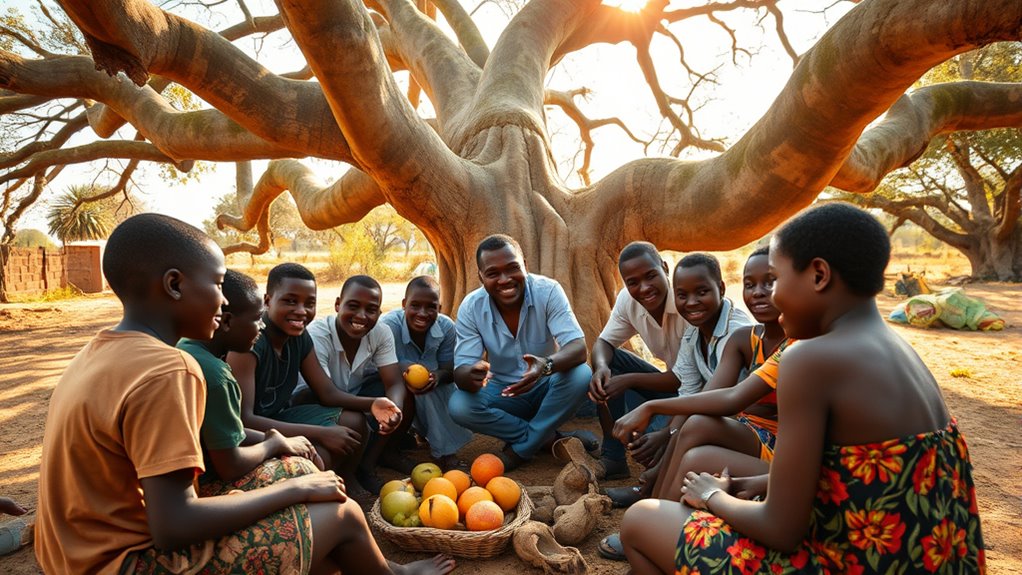
The article now addresses essential Chewa vocabulary for beginners, focusing on basic greetings and common phrases. These elements form the foundation of everyday communication in Malawi. Understanding them enables learners to engage more effectively in simple interactions.
Basic Greetings
Basic greetings in Chewa serve as foundational vocabulary for beginners learning English-to-Chewa translation, enabling simple and effective interactions in Malawi. In Chewa culture, these greetings foster respect and build initial connections. For example, “Moni” means “Hello” and is a versatile opener for conversations. “Muli bwanji?” translates to “How are you?” and invites a polite response, such as “Ndili bwino,” meaning “I am fine.” Farewells like “Bayi” signify “Goodbye,” while “Tiwonana” means “See you later,” aiding smooth endings to exchanges. Mastering these essentials allows learners to navigate everyday encounters confidently, emphasizing courtesy in social settings. Through consistent practice, beginners gain fluency in basic verbal exchanges, enhancing their overall language foundation in Malawi’s diverse communities. This focused approach guarantees cultural sensitivity without overwhelming complexity.
Common Phrases
Common phrases in Chewa expand essential vocabulary for beginners, enabling practical communication in everyday Malawian contexts. These expressions facilitate interactions in markets, homes, and social settings. For instance, “Zikomo” means “thank you,” expressing gratitude during transactions or meals. “Kodi muli bwanji?” translates to “How are you?” and serves as a polite inquiry in conversations. Affirmations like “Inde” for “yes” and “Osati” for “no” are vital for simple agreements or refusals. Additionally, “Ndifunabe” means “I want,” useful for shopping, while “Ndatha” signifies “I’m full,” common at mealtimes. Learners should practice these to build confidence, as they enhance cultural immersion and reduce misunderstandings. Mastery of such phrases promotes respectful engagement with Chichewa speakers, fostering deeper connections in Malawi’s diverse communities. Overall, incorporating common phrases accelerates language acquisition for effective daily use.
Cultural Significance of Translation in Malawi
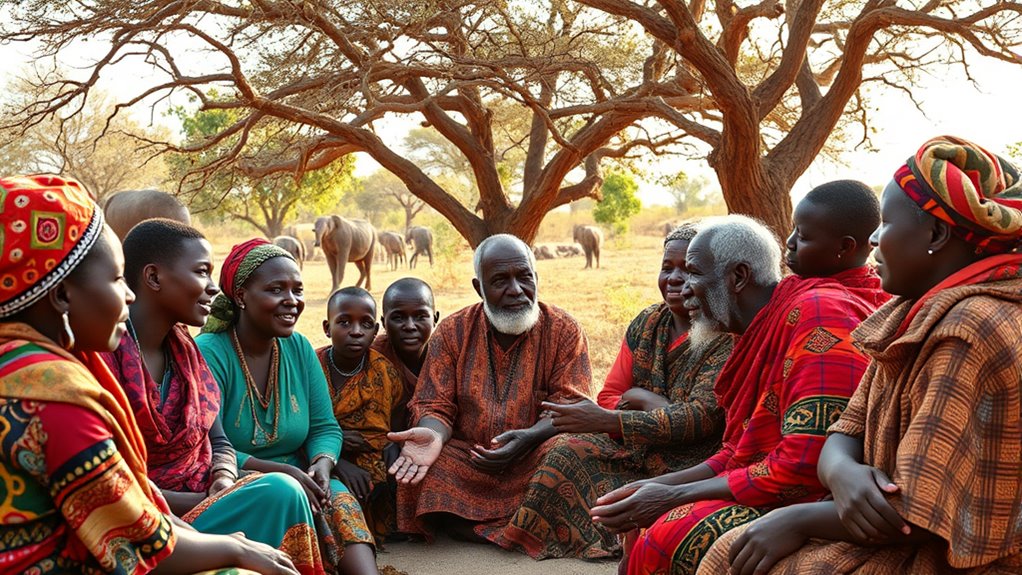
As Malawi’s linguistic diversity intersects with global influences, translation from English to Chewa emerges as an essential mechanism for preserving cultural heritage. In this setting, Chewa serves as a crucial link to Malawi’s indigenous traditions, folklore, and oral histories, ensuring that knowledge passed down through generations remains accessible amidst globalization. Translation facilitates the adaptation of English literature, media, and educational materials into Chewa, fostering a sense of national identity and unity among diverse ethnic groups. By bridging linguistic barriers, it empowers communities to engage with their cultural roots while participating in broader African and international dialogues. This process not only safeguards endangered languages but also promotes mutual understanding, enriching Malawi’s social fabric and contributing to sustainable cultural development. Ultimately, accurate translations honor the depth of Chewa’s expressive nuances, reinforcing its role in national pride and resilience.
Steps to Accurate English-Chewa Conversion
Accurate English-Chewa conversion requires understanding key concepts to grasp linguistic nuances. Implementing translation techniques follows as an essential step for effective communication. These processes guarantee faithful and contextually appropriate results.
Understand Key Concepts
Understanding key concepts is essential for effective English-Chewa translation, as it lays the groundwork for handling linguistic differences and ensuring precision in conversions. This involves grasping the core elements of both languages, such as grammatical structures, tonal variations, and cultural contexts that influence meaning. For instance, Chewa’s agglutinative nature contrasts with English’s more rigid syntax, requiring translators to identify root words and affixes accurately.
| Key Concept | Explanation |
|---|---|
| Grammatical Structures | Differences in sentence formation, e.g., subject-verb-object in English vs. flexible Chewa patterns. |
| Tonal Variations | Chewa’s use of tone for meaning, absent in English, affecting word interpretation. |
| Cultural Nuances | Idioms and proverbs that carry specific cultural significance in Malawi. |
| Vocabulary Roots | Common loanwords and native terms that shape accurate lexical choices. |
Implement Translation Techniques
Translation techniques play an essential role in achieving precise English-Chewa conversions, building on foundational concepts to address linguistic challenges. Translators begin by analyzing source text for context, idioms, and cultural nuances, as Chewa often requires adaptive rather than literal approaches to maintain meaning. Key steps include breaking down sentences into manageable units, consulting specialized dictionaries, and employing tools like CAT software for accuracy. For instance, English idioms must be rephrased into culturally relevant Chewa equivalents to avoid misinterpretation. Proofreading follows, involving native speakers to guarantee fluency and natural flow. This iterative process minimizes errors, enhancing communication in Malawi’s multilingual settings. Ultimately, combining linguistic expertise with technology yields reliable translations that bridge language barriers effectively.
Top Translation Tools for African Languages
Several digital tools have emerged to support translations in African languages, addressing the growing need for accessible communication across diverse linguistic landscapes. Google Translate leads with broad support for languages like Chewa, Swahili, and Yoruba, using AI for quick, user-friendly conversions. Microsoft Translator offers robust APIs, enabling seamless integration for developers working with African language pairs such as Amharic and Hausa. Specialized platforms like Apertium provide open-source solutions, allowing customization for lesser-known dialects. DeepL is gaining traction with its neural machine learning, delivering precise translations for growing African language databases. These tools prioritize accuracy through continuous updates, enhancing efficiency for language professionals and enthusiasts alike, while bridging communication gaps without venturing into practical implementations.
Real-World Applications of Chewa Translation
Chewa translation supports essential communication in Malawi’s education, healthcare, and business sectors, building on digital tools to overcome language barriers in daily interactions. In education, it facilitates the delivery of lessons and materials in Chichewa, enabling broader access for rural students and improving literacy rates. Healthcare providers use translations to convey critical information, such as medication instructions and health campaigns, reducing misunderstandings and enhancing patient outcomes. In business, companies employ Chewa for marketing, negotiations, and customer service, boosting local engagement and economic participation. Digital tools, like mobile apps and AI-powered translators, streamline these processes, making information instantly available. This approach not only bridges linguistic divides but also empowers communities, fostering inclusivity and cultural preservation in Malawi’s diverse landscape. Overall, Chewa translation drives practical advancements, ensuring equitable development across sectors.
Frequently Asked Questions
How Much Does Chewa Translation Cost?
The current question seeks information on the cost of Chewa translation services. Prices typically vary based on factors like word count, document complexity, urgency, and translator expertise, often ranging from a few cents to several dollars per word.
Where Can I Find Certified Translators in Malawi?
The inquiry focuses on locating certified translators in Malawi. Certified professionals can be found through the Association of Translators and Interpreters of Malawi, universities such as the University of Malawi, and government agencies handling official communications. Options vary by region.
What Qualifications Do Chewa Translators Need?
Chewa translators typically require fluency in Chewa and English, a bachelor’s degree in linguistics or translation studies, and certification from recognized bodies like the Malawi Institute of Translators. Practical experience in professional translation guarantees accuracy and cultural nuance.
Is Chewa Similar to Other African Languages?
Chewa, a Bantu language spoken in Southern Africa, shares similarities with other African Bantu languages like Swahili and Zulu, including noun classes, agglutinative grammar, and shared vocabulary roots. However, it differs from non-Bantu languages such as Arabic or Khoisan, highlighting Africa’s linguistic diversity.
How Do I Start a Career in Language Translation?
Starting a career in language translation requires pursuing relevant education, such as degrees in linguistics or translation studies. Gaining certifications, practical experience through internships, and building a professional network are essential steps. Continuous learning and cultural knowledge enhance success.

