
 Elizabeth123
French to Hausa translation plays a crucial role in Nigeria by bridging linguistic barriers with French-speaking African nations, enhancing trade, diplomacy, and cultural exchanges. It fosters economic growth, improves access to education, and guarantees accurate communication in healthcare and business settings. Professional services address challenges like tonal nuances and idioms through expert linguists and tools. This foundation opens pathways to advanced insights on applications and trends across the continent.
Quick Summaries
- French to Hausa translation boosts trade and diplomacy between Nigeria and French-speaking African nations.
- Professional services in Nigeria adapt cultural nuances of Hausa for accurate French translations.
- Tools like SDL Trados and Google Translate aid efficient French to Hausa conversions in Africa.
- Challenges in translation are addressed through native linguists and rigorous quality checks in Nigeria.
- Real-life applications include education and business, enhancing communication across West Africa.
The Importance of French to Hausa Translation in Nigeria

The translation of French to Hausa holds significant importance in Nigeria, given the country’s multilingual landscape and its borders with French-speaking nations. This facilitates essential communication in trade, diplomacy, and cultural exchanges, particularly with countries like Niger and Benin. For instance, accurate translations enable smoother business negotiations and economic partnerships, reducing misunderstandings that could hinder regional integration. In education, it supports access to French resources for Hausa-speaking students, fostering bilingual proficiency and global opportunities. Additionally, in media and public health campaigns, such translations promote inclusive information sharing, enhancing social cohesion. Overall, French to Hausa translation bridges linguistic divides, bolstering Nigeria’s role in West African affairs and contributing to national development through enhanced international collaboration. (124 words)
Exploring Hausa Language Basics for Translation
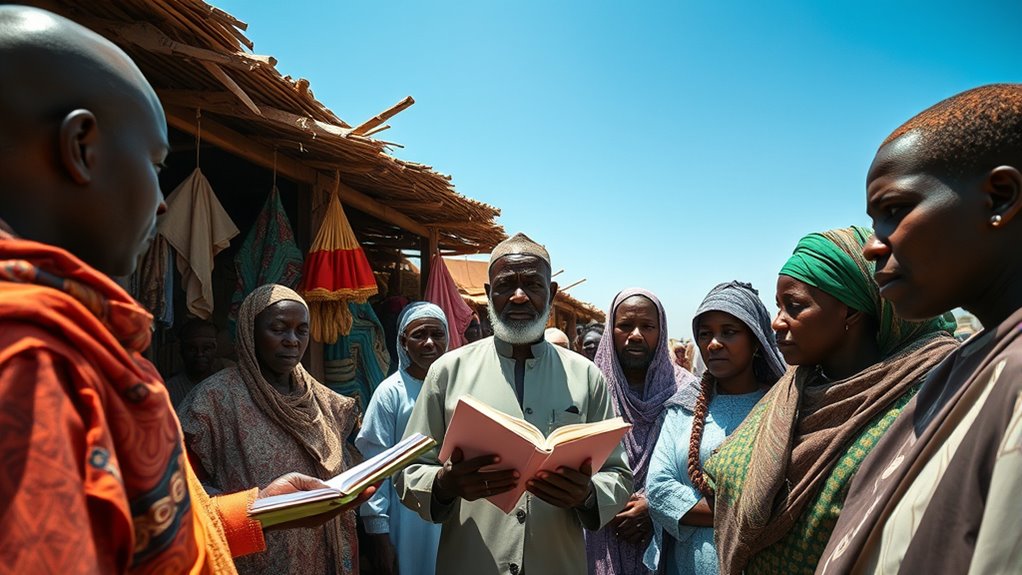
Hausa, as a Chadic language spoken by millions in West Africa, forms the foundation for effective French translations through its phonetic, grammatical, and lexical structures. This language features a tonal system that influences word meanings, making accurate pronunciation essential for translators. Its grammar relies on subject-verb-object word order and noun classes, which require careful adaptation when rendering French concepts. Understanding these basics enhances cross-cultural communication in Nigeria and beyond.
- Phonetics: Hausa’s use of tones and consonants, like implosives, demands precise articulation to avoid altering meanings in translations.
- Grammar: The language’s agglutinative nature, with affixes indicating tense and possession, facilitates nuanced French sentence restructuring.
- Lexicon: A rich vocabulary drawn from Arabic and other influences provides diverse equivalents, aiding in conveying idiomatic expressions accurately.
Key Features of Professional Translation Services in Africa

Professional translation services in Africa emphasize cultural sensitivity and linguistic precision to facilitate effective cross-border communication. These services often employ native linguists proficient in regional dialects, ensuring accurate conveyance of nuances in languages like Hausa and French. Quality assurance processes, including rigorous editing and proofreading, maintain high standards of accuracy. Advanced technology, such as computer-assisted translation tools, enhances efficiency while preserving cultural context. In diverse African markets, services prioritize confidentiality and adherence to international standards, fostering trust in multilingual projects. Experienced teams navigate linguistic variations across countries, adapting content for local audiences without compromising fidelity. This focus on expertise and adaptability underscores the reliability of African translation providers in a globalized context.
Benefits of Accurate French-Hausa Translations for Businesses
Accurate French-Hausa translations offer key benefits to businesses, starting with expanded market reach that allows companies to tap into new Hausa-speaking demographics. This advantage enables firms to build stronger connections in regions like West Africa, fostering growth opportunities. Other benefits, such as improved cross-cultural communication, will be examined next.
[LIST OF 2 SUBHEADING DISCUSSION POINTS IN ENGLISH
In the global business landscape, accurate French-Hausa translations provide essential advantages for companies operating across linguistic divides. These translations facilitate seamless communication, fostering efficiency and cultural understanding in diverse markets. By bridging language gaps, businesses can enhance operational precision and build stronger partnerships. Below is a focused outline of key benefits:
- Enhanced Communication Efficiency: Accurate translations reduce misunderstandings in negotiations and documentation, streamlining workflows and minimizing errors in cross-border dealings.
- Improved Cultural Sensitivity: They guarantee messages resonate culturally, promoting trust and long-term relationships with Hausa-speaking clients and partners.
- Risk Mitigation: Precise translations help maintain legal and regulatory compliance, avoiding costly disputes or penalties in international operations.
Expanded Market Reach
Expanding market reach offers significant advantages for businesses through French-Hausa translations. In Nigeria and other African regions, accurate translations bridge language barriers, enabling companies to penetrate Hausa-speaking markets in the north and French-influenced areas. This facilitates effective marketing campaigns, product localization, and customer engagement, fostering trust and loyalty among diverse demographics. Businesses can tap into untapped consumer bases, increasing sales and revenue streams. For instance, e-commerce platforms gain access to millions of users, while manufacturers expand distribution networks. Precise translations guarantee cultural nuances are respected, reducing miscommunications and enhancing brand reputation. Ultimately, this strategic tool supports global competitiveness, allowing firms to form partnerships and comply with local regulations, driving sustainable growth in multilingual environments.
Cultural Nuances in French to Hausa Conversion
Cultural nuances greatly influence French to Hausa translations, particularly through idiomatic differences that can shift meanings across languages. These differences often require careful consideration to preserve original intent and cultural context. Regional adaptations in Hausa-speaking areas add another layer, as variations in dialects and traditions must be addressed for accurate communication.
Idiomatic Differences
Translating idiomatic expressions from French to Hausa requires careful attention to cultural nuances, as these phrases often embed unique historical and social contexts that do not directly align between the two languages. In French, idioms like “avoir le cafard” (to feel blue) draw from European experiences, while Hausa equivalents might reference local folklore, such as animal proverbs, to convey similar emotions. This mismatch can lead to misinterpretations if translators overlook cultural embeddings, potentially altering the intended message.
- Historical Contexts: French idioms often stem from colonial or literary traditions, contrasting with Hausa’s oral and Islamic influences, requiring contextual adaptation.
- Emotional Subtleties: Expressions of sentiment in French may use metaphorically dense language, whereas Hausa prioritizes communal values, necessitating equivalent phrasing.
- Preservation of Meaning: Translators must balance literal accuracy with cultural relevance to avoid dilution, ensuring the essence resonates in Hausa society.
Regional Adaptations
Regional adaptations in French to Hausa translation must account for the linguistic variations across Hausa-speaking regions, such as Nigeria and Niger, where local customs and dialects shape how cultural nuances are interpreted and adapted to preserve original intent. In Nigeria, for instance, Hausa dialects in the north may incorporate Islamic influences, requiring translators to adjust French terms related to religion or social hierarchies to avoid misinterpretation. Conversely, in Niger, nomadic traditions influence expressions of community and land, demanding sensitivity to environmental contexts. Effective translation therefore involves researching regional idioms, like varying greetings or proverbs, to guarantee fidelity. This process enhances cross-cultural communication, fostering mutual understanding in diplomatic, educational, and business settings. By prioritizing these adaptations, translators maintain the source material’s essence while respecting diverse Hausa cultural frameworks, ultimately bridging linguistic divides in Africa.
Challenges and Solutions in Language Translation
Language translation, especially between diverse languages like French and Hausa, involves significant challenges such as linguistic nuances, cultural contexts, and technical limitations. These issues can lead to inaccuracies in conveying meaning, potentially causing misunderstandings in fields like diplomacy or education. Solutions focus on strategic approaches to bridge gaps, ensuring fidelity to original intent while adapting to target audiences.
To address these complexities, consider the following:
- Linguistic nuances: Translators must navigate subtle differences in grammar and vocabulary, often resolved through rigorous proofreading and collaboration with bilingual experts to maintain precision.
- Cultural contexts: Misinterpretations arise from varying societal norms; solutions include in-depth cultural research to adapt content appropriately without altering core messages.
- Technical limitations: Resource constraints in digital tools can hinder accuracy; overcoming this involves standardized quality checks and iterative refinements for reliable outcomes.
Tools and Resources for Effective Translations
Effective translations between French and Hausa require a range of specialized tools and resources that address linguistic and cultural complexities. Advanced computer-assisted translation (CAT) tools, such as SDL Trados and MemoQ, facilitate efficient management of terminology and text alignment, enhancing accuracy in bilingual projects. Machine translation platforms like Google Translate and DeepL provide rapid initial outputs, though they demand human refinement for nuanced fidelity. Bilingual dictionaries, including online resources from Oxford or specialized Hausa-French glossaries, offer precise vocabulary and idiomatic equivalents. Cultural databases and language corpora, such as those from SIL International, help navigate regional variations and contextual meanings. Additionally, mobile apps like Duolingo for language learning and professional forums support ongoing skill development, ensuring translators maintain high standards without redundancy. These resources collectively streamline the translation process, balancing linguistic precision with cultural sensitivity.
Real-Life Applications of Translation in Nigerian Contexts
In Nigeria, translation bridges linguistic divides, particularly between French and Hausa, fostering communication in sectors like education, healthcare, and diplomacy. This practice enhances accessibility and mutual understanding, enabling smoother interactions in everyday scenarios. For instance, it supports cross-border trade, cultural exchanges, and community development initiatives.
- Education: Translated textbooks and lectures allow Hausa-speaking students to access French-influenced curricula, improving learning outcomes in multilingual classrooms.
- Healthcare: Accurate French-to-Hausa translations of medical documents guarantee patients receive clear instructions, reducing miscommunication in treatment.
- Diplomacy: In international negotiations, such translations facilitate agreements between Nigerian officials and French-speaking partners, promoting regional stability.
Emerging Trends in African Language Translation Services
African language translation services are undergoing rapid innovations, driven by advancements in artificial intelligence and mobile technology, which are expanding access to lesser-known dialects and improving cross-cultural communication across the continent. Machine learning algorithms are enhancing translation accuracy for languages like Hausa, enabling real-time applications in education and business. Crowdsourcing platforms now allow native speakers to contribute, refining AI models and preserving linguistic diversity. Mobile apps integrate voice recognition, making translations more accessible in remote areas. Additionally, collaborations between tech firms and African linguists are fostering customized tools for sectors like healthcare and e-commerce. These trends promote economic growth by bridging language barriers, with Nigeria leading in Hausa-French services. As demand rises, ethical considerations around data privacy and cultural sensitivity are gaining prominence, ensuring sustainable development in the field.
Frequently Asked Questions
How Much Does French to Hausa Translation Cost?
The cost of French to Hausa translation services varies depending on factors like word count, document complexity, and provider expertise. Prices typically range from $0.05 to $0.20 per word, with additional charges for rush jobs or specialized fields, averaging $50–$200 per project.
What Qualifications Do Translators Need?
Translators typically require bilingual or multilingual proficiency, a bachelor’s degree in translation, linguistics, or a related field, and professional certifications from recognized bodies. Relevant experience, cultural knowledge, and specialized training guarantee high accuracy and ethical standards in their work.
How Quickly Can I Get a Translation?
The speed at which a translation can be obtained varies depending on factors like document length, complexity, and translator availability. Typically, simple texts may be completed within hours, while extensive projects could take days or longer.
Do You Offer Certified Translation Services?
The question pertains to the availability of certified translation services. The organization offers these, ensuring translations are performed by qualified experts, with official certification for legal and professional use across diverse languages and documents.
Is Online Document Translation Available?
The question regarding the availability of online document translation is now addressed. Online document translation services are available, offering users the ability to translate files digitally, with quick turnaround times and professional quality, accessible from anywhere.