
 Elizabeth123
English to Xhosa translation services in South Africa, such as those offered by Translation Africa, play an essential role in accurate cross-cultural communication. These services employ experts who handle linguistic differences, including Xhosa’s unique clicks and agglutinative structure, while ensuring cultural sensitivity through traditional adaptations. Precision in fields like legal and medical translations promotes inclusivity and heritage preservation. Additional details on challenges and benefits lie ahead.
Quick Summaries
- Professional English to Xhosa translation services are widely available in South Africa through specialized experts.
- Xhosa translators ensure accuracy by mastering unique features like clicks, tones, and noun classes.
- Cultural adaptation techniques make translations resonate with Xhosa traditions and idioms for authenticity.
- High standards of language accuracy minimize errors in legal, medical, and technical translations.
- These services support inclusivity, aiding education, governance, and social cohesion in South Africa.
Significance of Xhosa Language in South Africa

The Xhosa language holds profound significance in South Africa as one of the country’s 11 official languages, spoken by millions primarily in the Eastern Cape. It serves as a key pillar of cultural identity, preserving traditions and oral histories passed down through generations. Xhosa embodies the heritage of the Xhosa people, influencing literature, music, and folklore that enrich South Africa’s diverse tapestry. In education and governance, its use promotes inclusivity, allowing speakers to engage fully in societal spheres. Historically, Xhosa has played a role in resistance movements, symbolizing resilience and unity. By fostering linguistic diversity, it contributes to national reconciliation and social cohesion, ensuring marginalized voices remain prominent in the nation’s narrative. This enduring legacy underscores Xhosa’s role in shaping a multifaceted South African identity.
Differences Between English and Xhosa
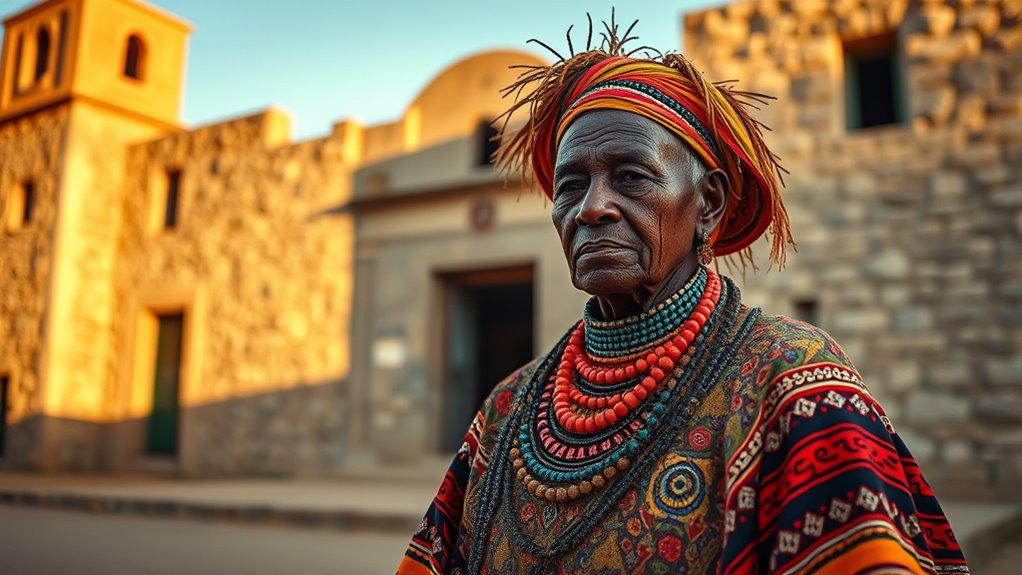
English and Xhosa differ fundamentally in linguistic origins and structures, with English drawing from Indo-European roots and Xhosa from the Bantu family of Niger-Congo languages. Phonologically, Xhosa includes unique clicks and ejective sounds, such as the dental click “c,” which are absent in English, affecting pronunciation and rhythm. Morphologically, Xhosa is agglutinative, building complex words through prefixes and suffixes that convey grammatical relations, contrasting with English’s reliance on separate words and helpers like prepositions. Syntactically, while both often follow subject-verb-object patterns, Xhosa’s noun class system dictates agreement in verbs and adjectives, unlike English’s simpler gender and number rules. Vocabulary-wise, Xhosa reflects indigenous South African culture with specific terms for traditional practices and environment, whereas English draws from global influences, highlighting cultural disparities in expression. These differences underscore challenges in comprehension and learning. (124 words)
Professional Translation Services for Xhosa

Professional translation services for Xhosa in South Africa involve skilled experts who specialize in the language. These services adhere to strict accuracy standards to guarantee faithful renditions of English content. Moreover, cultural adaptation techniques are essential for making translations resonate with Xhosa-speaking audiences.
Xhosa Translation Experts
Xhosa translation experts in South Africa deliver specialized services for accurate English-to-Xhosa conversions. These professionals possess deep linguistic knowledge and cultural insights, ensuring seamless communication in various contexts. They bridge language barriers with tailored solutions that respect Xhosa’s nuances, supporting businesses, education, and media sectors.
- Cultural Sensitivity: Experts integrate Xhosa traditions and idioms for authentic translations.
- Industry Experience: Many specialize in legal, medical, or technical fields, enhancing precision.
- Team Collaboration: They work with native speakers and editors for quality assurance.
- Technology Integration: Utilize advanced tools while maintaining human oversight.
- Client Customization: Offer bespoke services, from document translation to interpretation sessions.
Language Accuracy Standards
Language accuracy standards form the cornerstone of effective translation services, ensuring that Xhosa renditions remain faithful to the original content while respecting linguistic nuances. In professional Xhosa translation services in South Africa, these standards involve rigorous adherence to grammatical rules, vocabulary precision, and syntactic integrity. Translators must navigate Xhosa’s complex tonal system and agglutinative structure to prevent misinterpretations, using established guidelines from bodies like the Pan South African Language Board. Quality assurance processes, such as double-blind reviews and error rate metrics, maintain high fidelity. This focus on accuracy minimizes risks in fields like legal and medical translations, where even minor errors could lead to significant consequences. Ultimately, these standards elevate the reliability of English-to-Xhosa conversions, fostering trust in professional services.
Cultural Adaptation Techniques
Cultural adaptation techniques enhance the effectiveness of translations by tailoring content to align with Xhosa cultural contexts, ensuring idiomatic expressions, customs, and social norms are appropriately integrated. In professional translation services for Xhosa in South Africa, these techniques involve adapting content to resonate with local traditions, such as incorporating ubuntu philosophy for communal themes and avoiding colonial-era sensitivities. Translators use in-depth cultural knowledge to prevent misinterpretations, making translations more authentic and engaging for audiences.
- Localizing idioms to equivalent Xhosa proverbs for natural flow.
- Adjusting greetings and honorifics to reflect social hierarchies.
- Integrating traditional folklore to enhance narrative depth.
- Avoiding taboos related to ancestry and spirituality.
- Ensuring humor aligns with Xhosa cultural nuances for relatability.
Common Challenges in English to Xhosa Translation
Translators encounter key challenges in English to Xhosa translation, including linguistic barriers and cultural nuances. Linguistic barriers arise from differences in structure, vocabulary, and phonetics between the languages. Cultural nuances demand sensitivity to contextual meanings and traditions to avoid misinterpretation.
Linguistic Barriers
One of the key linguistic barriers in English to Xhosa translation arises from structural differences, such as the agglutinative nature of Xhosa, which complicates the direct mapping of English words and phrases. This agglutination allows Xhosa to form complex words by adding affixes, making it challenging for translators to maintain accuracy and fluency. Grammatical structures, like verb tenses and noun agreements, further hinder seamless conversion, as English relies on analytic methods while Xhosa uses synthetic ones.
- Xhosa’s use of clicks and tones alters meaning, which English lacks, leading to potential misinterpretations.
- Extensive noun classes in Xhosa require precise categorization, unlike English’s simpler gender system.
- Verb conjugation in Xhosa incorporates subject markers, complicating direct equivalents in English sentences.
- Compound words in Xhosa demand breaking down and reassembly, often losing nuance in translation.
- Idiomatic lexical gaps, such as specific Xhosa terms for natural phenomena, have no direct English counterparts.
Cultural Nuances
Beyond linguistic barriers, cultural nuances in English to Xhosa translation introduce significant challenges, as they encompass subtle differences in traditions, values, and social contexts that defy direct equivalence. For instance, Xhosa concepts like “Ubuntu,” emphasizing communal harmony, lack precise English counterparts, potentially leading to misinterpretations in social or business settings. Translators must navigate idioms, such as Xhosa proverbs rooted in ancestral wisdom, which often carry emotional depth not easily conveyed. Greetings and respect protocols, including hierarchical address, can cause offense if overlooked, underscoring the need for cultural immersion. In South Africa, where Xhosa heritage influences daily interactions, effective translation requires sensitivity to historical contexts like apartheid’s legacy, ensuring messages resonate authentically and avoid cultural appropriation. Ultimately, these nuances demand expertise to bridge divides and foster mutual understanding.
Cultural Aspects of Xhosa Translation
As Xhosa language intertwines with rich cultural traditions in South Africa, effective translation from English demands careful consideration of elements like idioms, rituals, and social norms. Translators must navigate these aspects to preserve authenticity, ensuring that meanings resonate within Xhosa contexts. This involves understanding how cultural symbols and narratives shape language, preventing literal translations that could misrepresent heritage or lead to cultural insensitivity.
- Idioms and Proverbs: Xhosa expressions often embed moral lessons from ancestral stories, requiring translators to find equivalent cultural depth in English.
- Rituals and Ceremonies: Terms related to rites, like initiations, must reflect spiritual significance to maintain their emotional and communal value.
- Social Hierarchies: Honorific language for elders or chiefs needs adaptation to convey respect without altering power dynamics.
- Folklore and Mythology: Stories of heroes and spirits influence vocabulary, demanding contextual accuracy to avoid dilution.
- Community Values: Concepts like ubuntu (human interconnectedness) must be translated to capture collective ethos rather than individualistic interpretations.
Tools and Resources for Translation
Various tools and resources support English to Xhosa translation efforts in South Africa. Essential tools, such as specialized software and bilingual dictionaries, enable precise language conversion. Useful resources, including online databases and translation communities, further enhance accuracy and accessibility.
Essential Tools
Essential tools for English to Xhosa translation include digital dictionaries, specialized software, and cultural reference materials, which enhance accuracy and efficiency in South Africa’s multilingual context. These resources enable translators to navigate linguistic nuances, ensuring idiomatic fidelity and cultural sensitivity. In a country with 11 official languages, such tools bridge communication gaps, supporting professional workflows and minimizing errors in diverse settings.
- Digital dictionaries: Platforms like Oxford or specialized Xhosa databases provide instant word lookups and definitions for precise vocabulary selection.
- Specialized software: Computer-assisted translation (CAT) tools, such as MemoQ, maintain consistency across projects by managing terminology and segments.
- Cultural reference materials: Ethnographic guides and local folklore compilations help adapt content to Xhosa customs, avoiding cultural misinterpretations.
- Bilingual corpora: Databases of aligned English-Xhosa texts offer contextual examples, improving translation quality through real-world usage patterns.
- Audio-visual aids: Pronunciation software and video resources assist in capturing tonal elements and spoken variations unique to Xhosa.
Useful Resources
Useful resources for English to Xhosa translation in South Africa extend beyond essential tools, encompassing databases, community networks, and training programs that enhance accuracy and cultural adaptation in professional settings. Databases like the Xhosa Corpus provide linguistic references for precise terminology, while community networks, such as online translator forums, foster collaboration and knowledge exchange. Training programs from institutions like the University of Cape Town offer workshops on cultural nuances, ensuring high-quality outputs.
| Resource Type | Example | Benefits |
|---|---|---|
| Database | Xhosa Corpus | Access to authentic terms |
| Network | Local Translator Groups | Peer support and advice |
| Program | Certification Workshops | Enhanced cultural skills |
These elements collectively improve translation efficacy, supporting professionals in managing South Africa’s multilingual landscape.
History of Xhosa Language Evolution
The Xhosa language, a Bantu tongue rooted in Southern Africa, has undergone significant transformations over centuries, shaped by migrations, cultural exchanges, and colonial influences. Originating from ancient Bantu-speaking communities around 2000 years ago, Xhosa evolved through interactions with other groups, incorporating unique phonetic elements and vocabulary. Its development reflects the Nguni people‘s southward migrations, blending with Khoisan languages to create distinctive click sounds. Colonial encounters, particularly with Dutch and British settlers, introduced loanwords and altered usage, while post-apartheid efforts have preserved and standardized the language.
- Bantu Migrations: Xhosa traces back to proto-Bantu expansions, with early speakers settling in the Eastern Cape around the 15th century.
- Khoisan Influence: Adoption of click consonants from indigenous Khoisan groups enriched Xhosa phonology by the 18th century.
- Colonial Impact: European contact from the 17th century introduced Afrikaans and English words, influencing grammar and lexicon.
- Missionary Role: 19th-century missionaries documented and standardized Xhosa, aiding literacy and cultural preservation.
- Modern Evolution: 20th-century urbanization and education have adapted Xhosa to contemporary contexts, maintaining its cultural significance.
Business Applications of Translation Services
Businesses in South Africa leverage English to Xhosa translation services to expand market access and improve operational efficiency. This strategy enables companies to connect with the Xhosa-speaking population, a key demographic, by translating marketing materials, websites, and product descriptions. In retail, accurate translations enhance customer engagement, driving sales in rural and urban areas. The manufacturing sector benefits from translated safety protocols and instructions, reducing errors and ensuring workplace safety. In finance and healthcare, these services facilitate clear communication in client interactions and documentation, promoting trust and compliance. Overall, translation services bridge linguistic divides, allowing businesses to optimize supply chains, negotiate contracts effectively, and foster inclusive corporate cultures. This integration supports sustainable growth in South Africa’s diverse economy, ultimately boosting profitability and competitiveness.
Tips for Accurate English to Xhosa Translation
Accurate English to Xhosa translation hinges on key tips for preserving meaning. One essential tip is avoiding literal translations, which can lead to misunderstandings. Embracing cultural nuances, on the other hand, helps convey intent effectively in the target language.
Avoid Literal Translations
While literal translations may appear straightforward, they often distort the intended meaning in English to Xhosa conversions by overlooking cultural nuances and idiomatic expressions. This method can result in awkward phrasing that alienates audiences and undermines communication effectiveness. Translators should focus on conveying the core intent through natural equivalents, ensuring the message resonates authentically in Xhosa.
- Prioritize contextual understanding to prevent misinterpretations from rigid word-for-word approaches.
- Identify common English idioms and adapt them to Xhosa counterparts for better flow.
- Use glossaries selectively, avoiding over-reliance on direct lexical matches.
- Test translations for clarity and naturalness to catch potential distortions.
- Develop skills in linguistic flexibility, emphasizing semantic accuracy over literalness.
Embrace Cultural Nuances
Cultural nuances form the essence of accurate English to Xhosa translations, where understanding subtle differences in traditions, values, and social contexts prevents miscommunications and enhances authenticity. Translators must explore into Xhosa cultural elements, such as ubuntu philosophy or taboos around certain topics, to avoid offending audiences or altering intent. Effective strategies include consulting native speakers and adapting idioms to reflect local customs, ensuring translations resonate deeply.
Below is a table outlining key cultural nuances and corresponding translation tips:
| Cultural Nuance | Translation Strategy |
|---|---|
| Respect for elders | Use honorific language to maintain deference. |
| Communal values | Emphasize group harmony in phrasing. |
| Traditional proverbs | Replace with equivalent Xhosa idioms for relevance. |
This approach fosters cultural sensitivity, making translations more impactful and trustworthy in South Africa.
Examples of Translated Phrases and Sentences
To demonstrate the practical application of English to Xhosa translation, common phrases and sentences offer insight into linguistic nuances. These examples reveal how English structures adapt to Xhosa’s tonal and agglutinative features, enhancing cross-cultural understanding without altering core meanings.
- English: “Hello, how are you?” Xhosa: “Molo, unjani?” – Highlights greeting conventions.
- English: “Thank you very much.” Xhosa: “Enkosi kakhulu.” – Demonstrates politeness variations.
- English: “I am happy.” Xhosa: “Ndiyavuya.” – Shows emotional expression differences.
- English: “Where is the market?” Xhosa: “Iphi imakethi?” – Illustrates directional queries.
- English: “Have a good day.” Xhosa: “Ufumane usuku oluhle.” – Emphasizes farewell phrasing.
Role of Translation in South African Education
Translation extends its influence beyond everyday phrases to shape education in South Africa, where it supports bilingual curricula and resource adaptation in diverse classrooms. In a multilingual nation, translation enables Xhosa-speaking students access textbooks and lessons in their mother tongue, enhancing comprehension and academic success. It fosters cultural inclusivity by integrating indigenous languages into teaching, bridging language barriers and promoting equity in learning. Translation also aids teacher training, equipping educators with skills for multilingual instruction, which improves engagement and retention rates. Additionally, it adapts international resources to local contexts, making education more relevant and effective.
| Aspect of Education | Role of Translation | Key Benefits |
|---|---|---|
| Curriculum | Adapting materials to Xhosa | Enhanced accessibility |
| Teacher Development | Training in bilingual methods | Improved teaching quality |
| Student Engagement | Translating lessons and resources | Better learning outcomes |
Legal and Official Document Translation
In South Africa, legal and official document translation guarantees equitable access to justice and governance in a multilingual society. This process assures that documents like contracts, court rulings, and government forms are accurately rendered from English to Xhosa, upholding legal integrity and cultural sensitivity. Certified translators adhere to strict standards to prevent misinterpretation, fostering trust in the judicial system. As the nation navigates its diverse linguistic landscape, precise translations bridge communication gaps, enabling effective participation in legal processes.
- Certified Expertise: Translators must be accredited by bodies like the South African Translators’ Institute to handle sensitive legal content.
- Accuracy Standards: Emphasizes fidelity to original meaning, avoiding errors that could alter legal outcomes.
- Document Types: Includes affidavits, deeds, and regulations, guaranteeing compliance with multilingual laws.
- Confidentiality Protocols: Maintains privacy through secure handling, as mandated by data protection acts.
- Judicial Integration: Supports court proceedings by providing real-time translations for fair representation.
Benefits for Tourists and Travelers
Tourists and travelers in South Africa gain significant advantages from English to Xhosa translations, which ease navigation, foster meaningful interactions with locals, and enrich cultural experiences in a diverse environment. These translations break down language barriers, allowing visitors to engage deeply with Xhosa heritage, from storytelling sessions to traditional ceremonies, evoking a profound sense of belonging and wonder. They transform ordinary trips into heartfelt journeys, where simple exchanges build lasting memories and mutual respect, enhancing emotional fulfillment and cultural appreciation without overwhelming complexity.
| Benefit | Emotional Impact | Personal Story Example |
|---|---|---|
| Easier Navigation | Reduces anxiety and isolation | A lost traveler finds warmth in a local’s guided directions. |
| Meaningful Interactions | Fosters joy and connection | A tourist shares laughs over translated folklore tales. |
| Enriched Cultural Access | Sparks awe and empathy | A visitor feels moved by understanding a ceremonial ritual. |
| Enhanced Immersion | Promotes lasting gratitude | An explorer bonds emotionally through translated songs. |
Future Developments in Language Translation Services
As technology advances, what innovations are poised to transform language translation services in South Africa? Rapid developments in AI and machine learning are set to enhance accuracy and accessibility for English to Xhosa translations, bridging cultural divides and supporting economic growth. These changes will integrate with everyday tools, fostering better communication in education, business, and tourism.
- AI-powered neural networks: Offering real-time, context-aware translations to reduce errors in complex sentences.
- Mobile app integration: Enabling on-the-go voice and text translation with offline capabilities for remote areas.
- Augmented reality tools: Immersing users in interactive language learning and translation scenarios.
- Collaborative platforms: Involving local linguists to guarantee cultural nuances are preserved in translations.
- Big data analytics: Analyzing usage patterns to refine algorithms and support underrepresented languages like Xhosa.
Frequently Asked Questions
How Much Does Xhosa Translation Cost?
The inquiry into the cost of Xhosa translation is common, as prices vary based on factors like word count, document complexity, and service provider expertise. Rates typically range from $0.05 to $0.20 per word, depending on urgency and quality requirements. Individuals should seek quotes from professionals for accurate estimates.
What Qualifications Are Needed for Translators?
Qualifications for translators typically require a bachelor’s degree in languages or translation, along with professional certification. Fluency in at least two languages, cultural knowledge, and relevant experience guarantee accurate and effective work. Ongoing training maintains expertise.
Where Can I Find Freelance Xhosa Translators?
Freelance Xhosa translators are commonly sourced through online platforms like Upwork, Fiverr, and Freelancer, where professionals list their services. Professional networks, translation forums, and social media groups also facilitate connections with qualified experts in the field.
Is Machine Translation Accurate for Xhosa?
The accuracy of machine translation for Xhosa is often debated among linguists, given the language’s tonal complexities and limited digital resources. While tools have improved, they frequently produce errors in nuances, making human oversight essential for reliable results.
How Do I Pay for Translation Services?
The individual inquires about payment methods for translation services. Options often include credit cards, bank transfers, or online platforms, depending on the provider. Verification of specific policies via the service’s website is recommended to guarantee accuracy and security.

