 Elizabeth123
Translation services are essential for Nigeria’s tourism sector, bridging linguistic divides among diverse languages like Hausa, Yoruba, and Igbo to enhance visitor experiences at sites such as the Osun Sacred Grove. Companies like Translation Africa provide accurate language conversion, interpretation, and cultural adaptation, promoting safety, engagement, and economic growth through precise marketing and real-time tools. Further insights into these services reveal strategies for seamless implementation in African travel markets.
Quick Summaries
- Translation services in Nigeria bridge language barriers, enabling tourists to engage with diverse cultures and sites effectively.
- Professional interpretation covers key languages like Hausa, Yoruba, Igbo, English, and French for tourism events and guided tours.
- Cultural adaptation localizes content to align with Nigerian traditions, ensuring relevance and sensitivity in promotional materials.
- Innovative tools, such as real-time translation apps, enhance accessibility at sites like the Osun Sacred Grove and Abuja museums.
- Evaluation of services focuses on credentials, pricing transparency, and expertise in tourism to ensure high-quality, reliable outcomes.
The Role of Translation in Boosting Nigerian Tourism
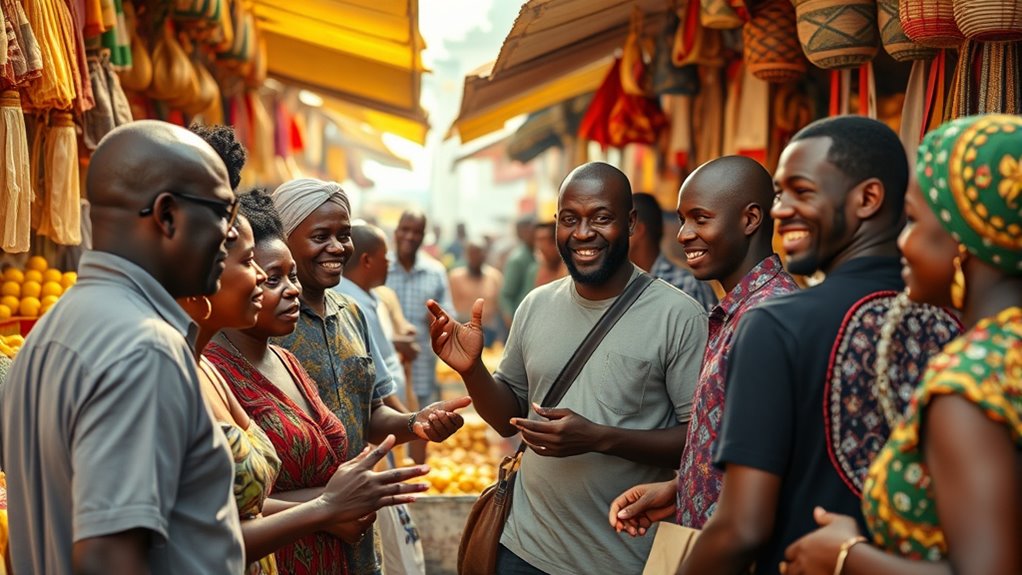
Translation plays a pivotal role in enhancing Nigerian tourism by bridging language barriers and facilitating seamless interactions. In Nigeria’s diverse linguistic landscape, with over 500 languages spoken, translation guarantees tourists can navigate cultural sites, engage with communities, and access essential information without confusion. This fosters deeper cultural immersion, as visitors comprehend local histories, traditions, and narratives, thereby enriching their experiences. Furthermore, accurate translation promotes safety by clarifying instructions and warnings, reducing misunderstandings that could deter travel. By enabling effective communication, translation boosts tourist satisfaction and encourages positive word-of-mouth, ultimately driving increased visitor numbers and economic growth. In this way, it serves as an essential tool for positioning Nigeria as a welcoming destination on the global stage, enhancing its appeal to international travelers.
Essential Services Offered by Translation Africa
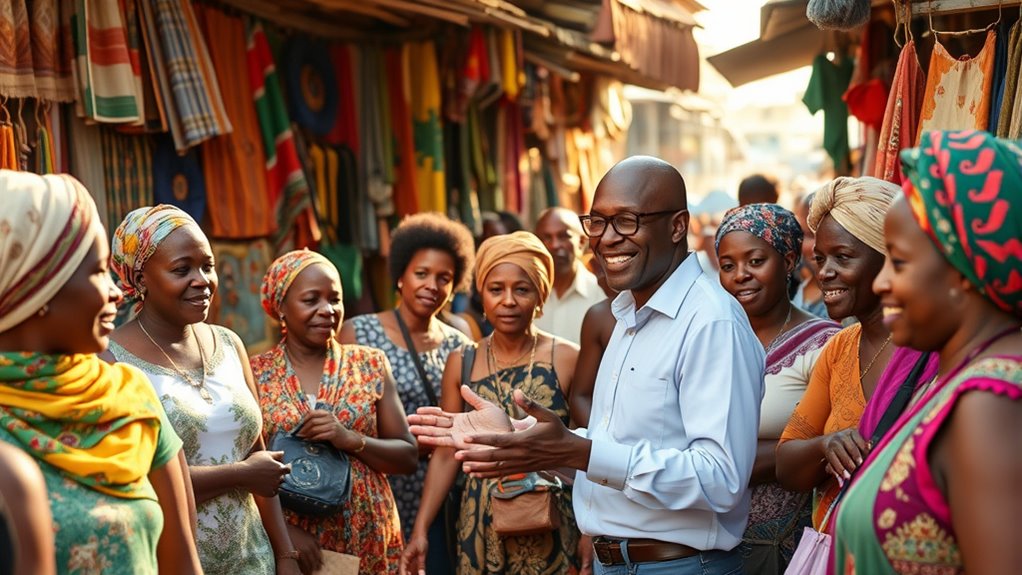
Translation Africa offers essential services that support tourism in Nigeria by addressing communication barriers. These services encompass language translation, interpretation services, and cultural adaptation. Together, they facilitate seamless interactions and promote a deeper appreciation of Nigerian culture among visitors.
Language Translation
In Nigeria’s tourism sector, language translation services provided by Translation Africa bridge communication gaps, enabling seamless interactions between visitors and locals. Language translation focuses on converting written materials like brochures, websites, and travel guides into diverse languages, guaranteeing accessibility for international tourists. Translation Africa excels in handling languages such as English, French, Arabic, and Nigeria’s indigenous tongues like Hausa, Yoruba, and Igbo. Their expert translators prioritize linguistic accuracy and cultural sensitivity, preserving nuances that reflect Nigeria’s vibrant heritage and prevent miscommunications. This service enhances marketing materials, making tourism sites more inviting and informative. By delivering precise, high-quality translations, Translation Africa supports business growth, fosters cultural appreciation, and improves visitor experiences without overlap into oral services. Their efficient processes, including advanced tools for quality checks, guarantee timely and error-free results, ultimately boosting Nigeria’s global tourism appeal.
Interpretation Services
Interpretation services, an essential component of Translation Africa’s offerings, enable real-time oral communication in Nigeria’s tourism sector, assisting tourists and locals in overcoming language barriers during interactions, events, and guided experiences. These services encompass simultaneous interpretation for live events and consecutive interpretation for one-on-one engagements, ensuring accurate and timely exchanges. Translation Africa provides trained professionals fluent in languages like Hausa, Yoruba, Igbo, English, and French, enhancing visitor satisfaction and safety. By facilitating seamless dialogue, these services boost cultural exchanges without altering content.
| Type of Interpretation | Description | Tourism Application |
|---|---|---|
| Simultaneous | Real-time translation via equipment | Conferences and large events |
| Consecutive | Translation after speaker pauses | Guided tours and meetings |
| Whispered | Soft, on-the-spot interpretation | VIP interactions |
(Word count: 124)
Cultural Adaptation
Cultural adaptation services from Translation Africa tailor translated content to align with Nigeria’s diverse cultural nuances, enhancing tourism experiences by making materials culturally relevant and sensitive. This approach guarantees that translated tourism materials resonate with local audiences, avoiding misunderstandings and fostering genuine connections. By integrating cultural insights, Translation Africa helps businesses bridge gaps in communication, promoting inclusivity and authenticity in Nigeria’s vibrant tourism sector.
- Idiom Localization: Adapts foreign expressions to Nigerian equivalents, like replacing Western idioms with Yoruba or Hausa proverbs for relatability.
- Cultural Sensitivity Checks: Reviews content for taboos, such as avoiding references that disrespect ethnic traditions, to prevent offense.
- Visual and Symbolic Adaptation: Modifies images and symbols to align with local customs, like using appropriate attire in promotional materials.
- Regional Language Integration: Incorporates dialects and slang to make translations feel native and engaging across Nigeria’s regions.
- Feedback-Driven Refinements: Uses local expert reviews to refine content, guaranteeing it enhances tourist interactions and builds trust.
Benefits of Accurate Translations for Tour Operators
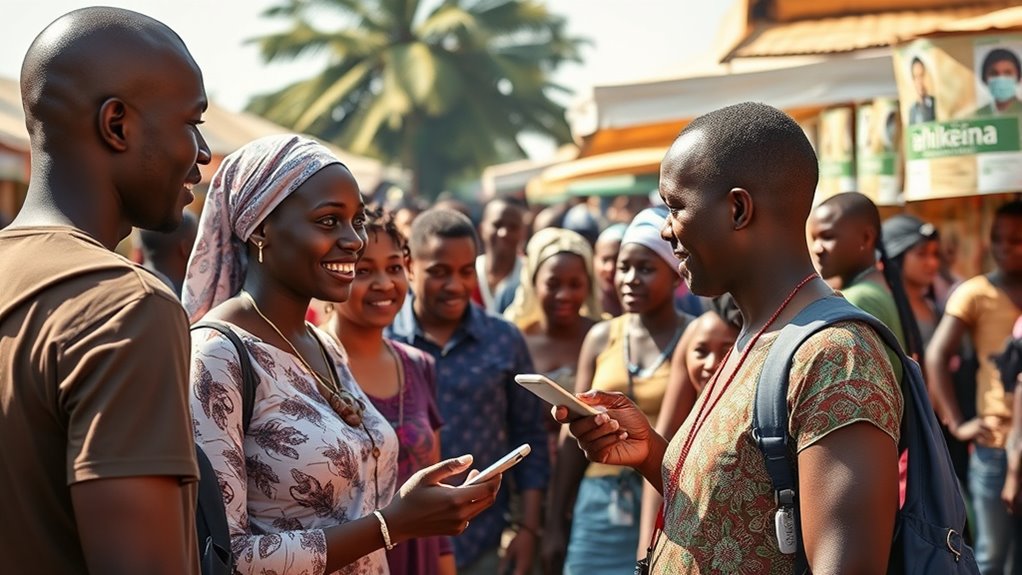
Accurate translations play an essential role for tour operators in Nigeria, fostering seamless communication with international visitors and minimizing misunderstandings that could disrupt itineraries. They enhance safety by ensuring clear emergency instructions, boost customer satisfaction through precise tour descriptions, and drive revenue by enabling effective marketing materials. Reliable translations also facilitate smooth bookings and feedback, reducing errors in reservations and improving overall experiences. This precision helps operators build trust and loyalty among global tourists.
| Benefit | Impact on Operations |
|---|---|
| Enhanced Safety | Prevents accidents via accurate signage and instructions |
| Improved Customer Satisfaction | Increases positive reviews and repeat visits |
| Efficient Marketing | Expands reach to non-English speakers |
| Streamlined Bookings | Reduces cancellations from miscommunication |
| Better Feedback Loops | Enables precise guest input for service enhancements |
Translation plays a pivotal role in bridging cultural gaps for tourists in Nigeria, ensuring that nuances in language convey not just words but underlying customs and traditions. Effective translation goes beyond literal meanings, adapting content to reflect Nigeria’s diverse ethnic groups, such as the Yoruba, Igbo, and Hausa, to foster mutual respect and avoid misunderstandings. By prioritizing cultural sensitivity, translators help tourists engage authentically with local communities, enhancing experiences while promoting harmony.
- Idiomatic Accuracy: Translating proverbs and slang to preserve their cultural wisdom without distortion.
- Contextual Adaptation: Adjusting language to suit regional customs, like greetings in different tribes.
- Sensitivity to Taboos: Avoiding words that might offend based on religious or social norms.
- Historical Nuance: Incorporating references that honor Nigeria’s rich heritage without bias.
- Inclusive Phrasing: Ensuring translations promote equality across genders and age groups for broader appeal.
Real-Life Applications in Nigeria’s Tourism Industry
In Nigeria’s dynamic tourism sector, practical applications of translation services enable seamless interactions at sites like the Osun Sacred Grove and Yankari Game Reserve, where guides adapt explanations to visitors’ languages, fostering deeper engagement and safety. These services extend to multilingual tours in Lagos’s bustling markets, where interpreters bridge communication gaps for international shoppers, enhancing cultural exchanges. In Abuja’s national museums, translated audio guides and signage allow non-Nigerian speakers to appreciate artifacts from diverse ethnic groups, promoting inclusivity. At festivals such as the Argungu Fishing Festival, real-time translation facilitates participant involvement, ensuring accurate storytelling and conflict resolution. This accessibility boosts visitor satisfaction, encourages repeat tourism, and supports local economies by making Nigeria’s rich heritage universally understandable, while prioritizing ethical and precise language use.
Innovative Tools and Techniques in Translation Services
As technology evolves, innovative tools like AI-powered translation apps and neural machine learning algorithms are revolutionizing language services in Nigeria’s tourism industry. These advancements enhance accuracy, speed, and cultural sensitivity, enabling seamless communication for tourists and locals alike. By leveraging cutting-edge techniques, service providers bridge linguistic gaps, making travel experiences more inclusive and efficient.
- Real-time translation apps: Offer instant language conversion during tours, improving visitor interactions.
- Neural machine learning: Adapts to Nigerian dialects, ensuring precise and context-aware translations.
- Augmented reality tools: Overlay translated text on signs and menus for immersive experiences.
- Collaborative platforms: Combine AI with human expertise for refined, error-free content.
- Big data analytics: Analyze language trends to optimize tourism marketing materials effectively.
Selecting the Right Translation Partner for Your Business
Selecting a translation partner requires businesses to evaluate expertise assessment, ensuring the provider has proven experience in tourism-related languages and cultural nuances. Pricing considerations play a vital role, as costs must align with service quality and budget constraints. Together, these factors help determine a reliable partner that enhances tourism operations in Nigeria.
Expertise Assessment
When evaluating potential translation partners, businesses in Nigeria’s tourism sector must prioritize expertise to guarantee accurate and culturally sensitive services. This expertise is essential for handling Nigeria’s linguistic diversity, ensuring translations resonate with local customs and enhance tourist engagement. By evaluating partners thoroughly, companies can mitigate risks like misinterpretations that undermine brand integrity.
- Verify translators’ credentials, such as certifications from recognized bodies like the Chartered Institute of Linguists.
- Evaluate specialized experience in tourism, including handling promotional content and guided tours.
- Assess cultural proficiency, focusing on Nigeria’s ethnic groups and their communication nuances.
- Review internal expertise development, like continuous training in evolving language trends.
- Examine quality metrics, such as error rates in past projects to guarantee high standards.
Pricing Considerations
Pricing structures greatly influence the selection of translation partners in Nigeria’s tourism sector, where businesses must balance cost efficiency with service quality to avoid compromising on accuracy or cultural relevance. Various models exist, such as per-word rates, hourly fees, or project-based pricing, each influenced by factors like language complexity, volume, and turnaround time. In Nigeria, where diverse dialects demand cultural expertise, opting for the lowest bid can lead to subpar results, potentially harming tourism branding. Businesses should evaluate transparency in quotes, hidden fees, and value-added services like quality assurance. Seeking detailed proposals helps compare true costs against deliverables, ensuring long-term reliability. Ultimately, investing in reputable partners yields better ROI through precise, culturally attuned translations that enhance visitor experiences and business growth.
Emerging Trends in Translation for African Travel Markets
As the African travel industry expands, emerging trends in translation services are transforming how tourists navigate linguistic barriers, with innovations like AI-driven real-time translation and culturally adaptive tools gaining prominence. These advancements are essential for Nigeria’s tourism sector, fostering deeper connections and safer experiences by addressing diverse linguistic needs across the continent.
- AI-powered real-time apps: Enable instant, accurate translations for on-the-spot interactions in markets and tours.
- Culturally sensitive tools: Incorporate local idioms and customs to avoid misunderstandings and enhance authenticity.
- Mobile integration: Seamlessly embed translation into travel apps for offline access in remote areas.
- Collaborative platforms: Partner with local linguists to refine translations, ensuring relevance to African contexts.
- Sustainability focus: Use eco-friendly tech to support green tourism, reducing reliance on paper-based guides.
Frequently Asked Questions
How Much Do Translation Services Cost?
The cost of translation services varies based on factors like language pair, document length, and complexity. Rates typically range from $0.05 to $0.25 per word. Specialized fields may incur higher fees, so obtaining quotes from multiple providers is advisable.
What Is the Typical Turnaround Time?
The typical turnaround time for translation services varies based on factors such as document length, complexity, and language pairs. It generally ranges from 24 hours for simple tasks to several days or a week for larger projects.
Which Languages Do You Support?
The question inquires about supported languages in translation services. These typically include major ones like English, French, Spanish, Arabic, and German, alongside African languages such as Hausa, Yoruba, Igbo, and Swahili, ensuring broad accessibility for users.
Do You Offer Certified Translations?
The query inquires whether certified translations are offered. In the translation industry, certified translations are commonly provided for official documents, ensuring accuracy, legal validity, and compliance with international standards for various sectors.
How Can I Request a Quote?
Requesting a quote typically involves submitting an inquiry through a provider’s website form, emailing detailed project specifications, or calling their support line. This process guarantees a customized response tailored to specific requirements, facilitating efficient service delivery.