
 Elizabeth123
English to Akan translation is essential in Ghana, where Akan—a tonal language from the Niger-Congo family—helps bridge multilingual divides and preserve cultural traditions. Techniques like tonal adjustments and idiomatic adaptations guarantee accurate, fluent conversions. Across Africa, professional services in hubs such as Lagos and Johannesburg offer reliable interpretation and document translation. These services improve accuracy, cultural relevance, and collaboration opportunities. Subsequent details expand on these elements for fuller understanding.
Quick Summaries
- English to Akan translation services in Ghana provide accurate, culturally adapted conversions for effective communication.
- Professional translators in Ghana use techniques like tonal adjustments and idiomatic adaptations for precise results.
- Akan translation plays a key role in preserving Ghanaian oral traditions and promoting cultural unity.
- Translation agencies across Africa, including Ghana, offer specialized English to Akan services for businesses and education.
- Benefits include improved accuracy, efficiency, and accessibility in multilingual African contexts.
Understanding Akan Language Basics
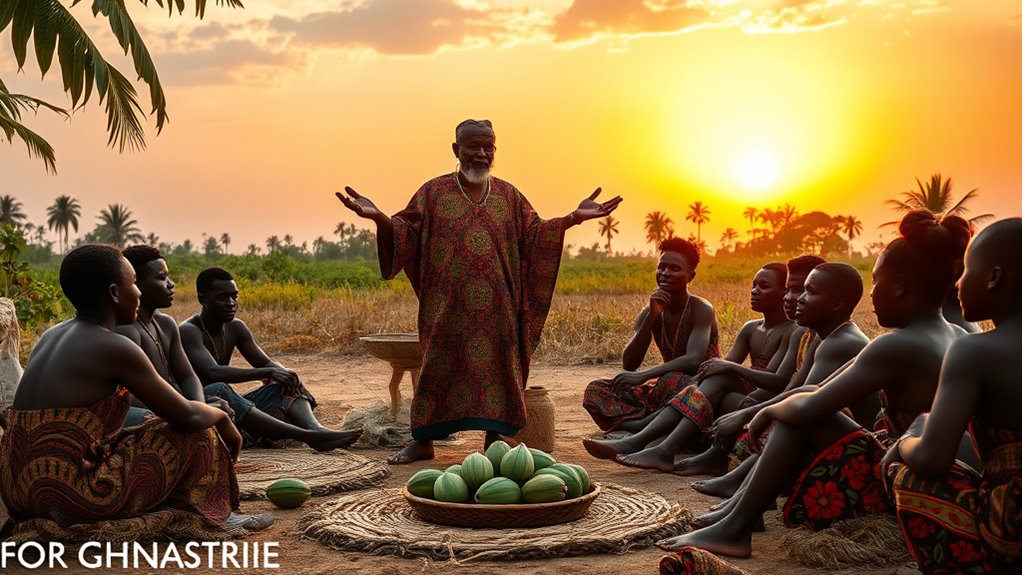
The Akan language, spoken primarily in Ghana and Ivory Coast, serves as a key African tongue for English translations. It belongs to the Kwa branch of the Niger-Congo family, with major dialects like Twi, Fante, and Asante. Akan features a tonal system where pitch distinguishes word meanings, such as “óbra” (he came) versus “òbra” (work). Its grammar relies on subject-verb-object structure, with noun classes and extensive use of prefixes and suffixes for agreement. For instance, verbs often conjugate based on tense and aspect, like adding “bɔ” for future actions. Vocabulary draws from everyday life, incorporating words for family, nature, and trade, such as “abrofosem” for news. Learning basics involves mastering these elements through phonetic scripts like the Akuapem alphabet, which uses Latin letters with diacritics. Pronunciation emphasizes clear vowels and consonants, aiding accurate communication. This foundation supports effective language acquisition for translation purposes.
The Role of Translation in Ghanaian Culture
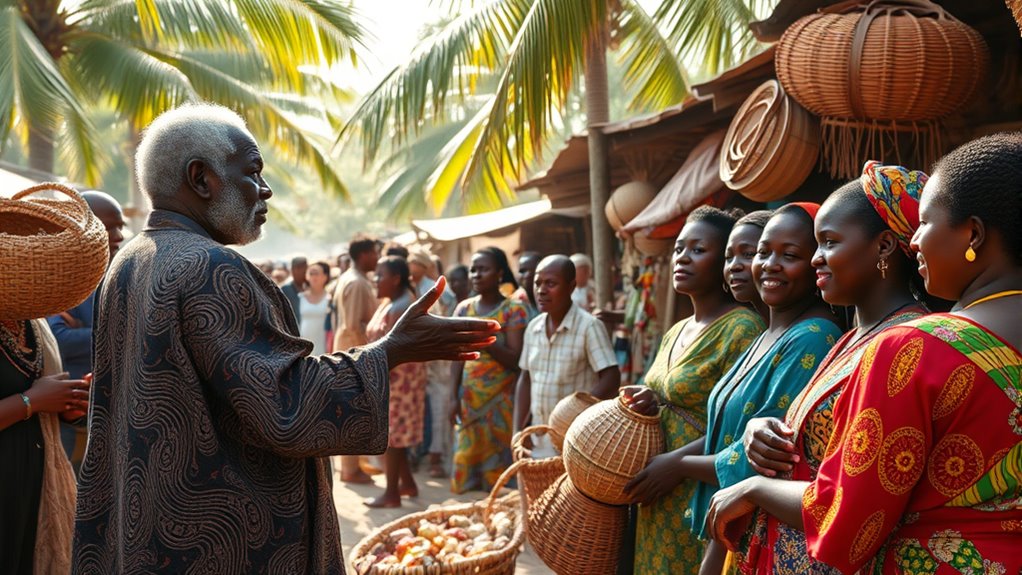
Translation plays a pivotal role in Ghanaian culture by bridging linguistic divides and preserving traditions in a multilingual society. Ghana’s linguistic diversity, with Akan as a dominant language among over 100 others, relies on translation to foster communication and social harmony. It safeguards oral traditions, such as folktales and proverbs, by making them accessible across languages, ensuring cultural continuity amid modernization. In literature, translation amplifies Ghanaian voices globally, allowing works to transcend borders and gain international appreciation. Educationally, it integrates local languages into curricula, helping students connect with their heritage while engaging with broader knowledge. Through media and public forums, translation promotes inclusivity, enabling diverse communities to share stories and participate in national discourse. Ultimately, it strengthens cultural identity, encouraging mutual respect and unity in Ghana’s vibrant, pluralistic landscape.
Techniques for Accurate English to Akan Conversion

Employing precise techniques guarantees accurate conversion from English to Akan, addressing linguistic challenges like tonal variations and idiomatic differences. Translators must master Akan’s tonal system, where pitch changes word meanings, requiring careful phonetic adjustments. Adaptive strategies involve replacing English idioms with culturally equivalent Akan expressions to preserve intent. Contextual analysis guarantees fidelity, adapting syntax for natural flow in Akan narratives. These methods enhance clarity in fields like education and media.
| Technique | Description |
|---|---|
| Tonal Adjustment | Modifies pitch to convey correct meanings in Akan. |
| Idiomatic Adaptation | Substitutes English phrases with Akan equivalents for cultural relevance. |
| Contextual Refinement | Analyzes context to refine translations for accuracy and fluency. |
Exploring Translation Services Across Africa
Africa’s diverse linguistic environment has spurred a range of translation services that bridge communication gaps across its 2,000-plus languages, extending beyond specialized techniques like those for English to Akan. In urban hubs such as Lagos and Johannesburg, professional agencies offer multilingual support for various sectors, including business negotiations and educational exchanges. These services encompass oral interpretation, document translation, and localization for digital content, adapting to regional dialects like Swahili or Hausa. Across the continent, freelance networks and tech-driven platforms facilitate real-time language conversion, fostering connectivity in international forums. Organizations in countries like Kenya and Ethiopia employ certified linguists to handle complex projects, ensuring accuracy amid cultural nuances. This exploration highlights the adaptive infrastructure of Africa’s translation landscape, from community-based initiatives to corporate solutions.
Benefits of Professional Language Support
Professional language support yields significant advantages in cross-cultural interactions, enabling precise communication and minimizing misunderstandings in fields like business and education. In Ghana’s context, such services for English to Akan translation enhance accessibility to global opportunities, bridging linguistic divides and promoting cultural exchange. This support guarantees translations are not only accurate but also contextually appropriate, aiding in effective collaboration.
- Improved Accuracy: Professional translators deliver error-free renditions, preserving original intent and reducing costly mistakes in legal or commercial documents.
- Cultural Adaptation: Services incorporate local nuances, making communications more relatable and fostering trust in diverse settings.
- Efficiency Gains: Streamlined processes save time and resources, allowing businesses and educators to focus on core activities while expanding reach across Africa.
Frequently Asked Questions
How Much Does English to Akan Translation Cost?
The query seeks information on the cost of English to Akan translation services. Prices vary based on factors like word count, complexity, and provider expertise. Typically, rates range from $0.05 to $0.20 per word, with additional charges for rush jobs. Obtaining quotes is advisable.
Are There Certified Translators for Akan in Ghana?
The inquiry regarding certified translators for Akan in Ghana confirms their availability. Various professional bodies, including the Ghana Institute of Linguistics, provide certifications, ensuring qualified experts for accurate language services in diverse sectors.
What Online Tools Support Akan Translation?
The question of what online tools support Akan translation reveals options like Google Translate and Microsoft Translator, which offer basic conversions. Specialized platforms, such as those from language apps, provide more accurate and context-specific Akan services for users.
How Long Does a Typical Translation Project Take?
The time for a typical translation project varies depending on factors such as text volume and content complexity. It generally takes from a few days to several weeks, depending on the project’s scale and resources.
Can I Translate Documents Using Mobile Apps?
Translating documents using mobile apps is possible for many users, with applications like Google Translate offering quick and accessible options. However, accuracy can vary, especially for complex texts, making professional services preferable for reliable results.