
 Elizabeth123
English to Xhosa translation plays an essential role in South Africa, bridging linguistic divides across its 11 official languages and supporting sectors like education, healthcare, and business. It guarantees accurate communication by addressing Xhosa’s unique features, such as click consonants and agglutinative grammar, while preserving cultural nuances. Professional services overcome challenges like vocabulary gaps and idiomatic differences to foster inclusivity. Exploring these elements in greater detail reveals tools and applications that enhance everyday interactions.
Quick Summaries
- English to Xhosa translation promotes communication and inclusivity in South Africa’s diverse linguistic landscape.
- Professional services handle Xhosa’s unique features, like click sounds and noun classes, for accurate conversions.
- Tools such as Google Translate and CAT software provide real-time, reliable English to Xhosa translations.
- Translation aids business negotiations and cultural exchanges in Xhosa communities across South Africa.
- Resources from the Pan South African Language Board support learning and precise translation practices.
Importance of English to Xhosa Translation in South Africa
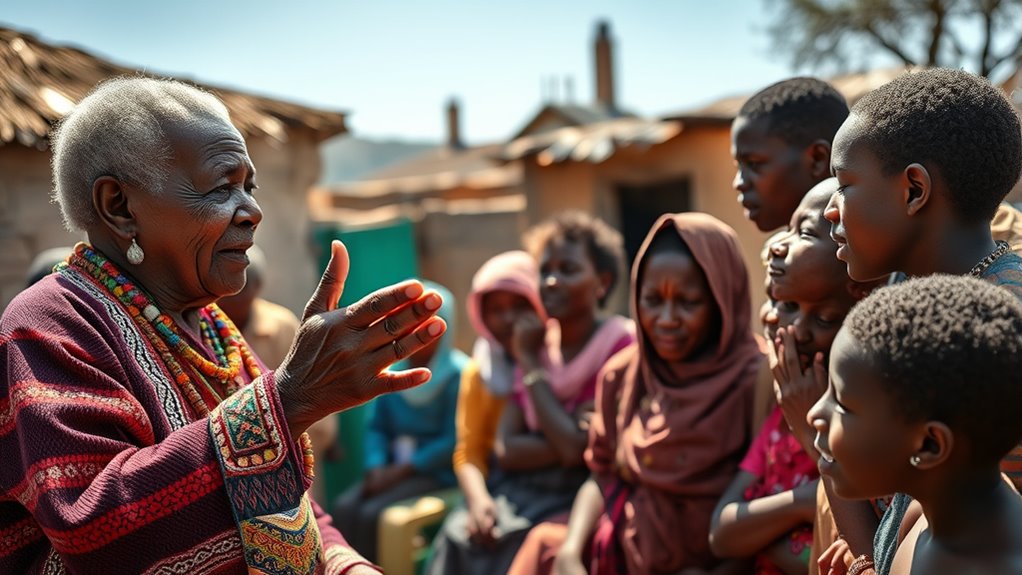
English to Xhosa translation plays an essential role in South Africa, where linguistic diversity demands effective communication across its 11 official languages. This service bridges gaps in education, enabling Xhosa speakers to access English-dominated curricula and resources, therefore enhancing learning outcomes. In healthcare, accurate translations guarantee patients understand essential information, improving treatment adherence and health equity. For business, it facilitates negotiations and contracts, boosting economic participation and job opportunities in Xhosa communities. Government services rely on it for inclusive policy dissemination, fostering civic engagement. Additionally, it supports cultural exchange, preserving Xhosa heritage while integrating global ideas. By promoting mutual understanding, English to Xhosa translation strengthens social cohesion and national unity, essential in a multicultural nation. Its precision minimizes errors, guaranteeing reliable interactions in daily life.
History and Evolution of the Xhosa Language

The Xhosa language, a Bantu tongue from the Nguni group, originated in the migrations of Bantu-speaking peoples into Southern Africa around the 15th century. As these groups settled in the Eastern Cape, Xhosa evolved through interactions with neighboring communities, incorporating elements from Khoisan languages, which influenced its distinctive click sounds. By the 18th century, it had developed rich oral traditions, including folktales, praises, and proverbs, preserved by griots and elders. Colonial encounters in the 19th century, such as with European settlers, introduced new vocabulary related to trade and conflict, yet Xhosa maintained its core structure. In the 20th century, it adapted further through education and literature, with figures like Nelson Mandela promoting its use. Today, Xhosa continues to evolve, blending traditional forms with modern influences while remaining an essential cultural pillar in South Africa. This ongoing development underscores its resilience and adaptability over centuries.
Key Differences Between English and Xhosa
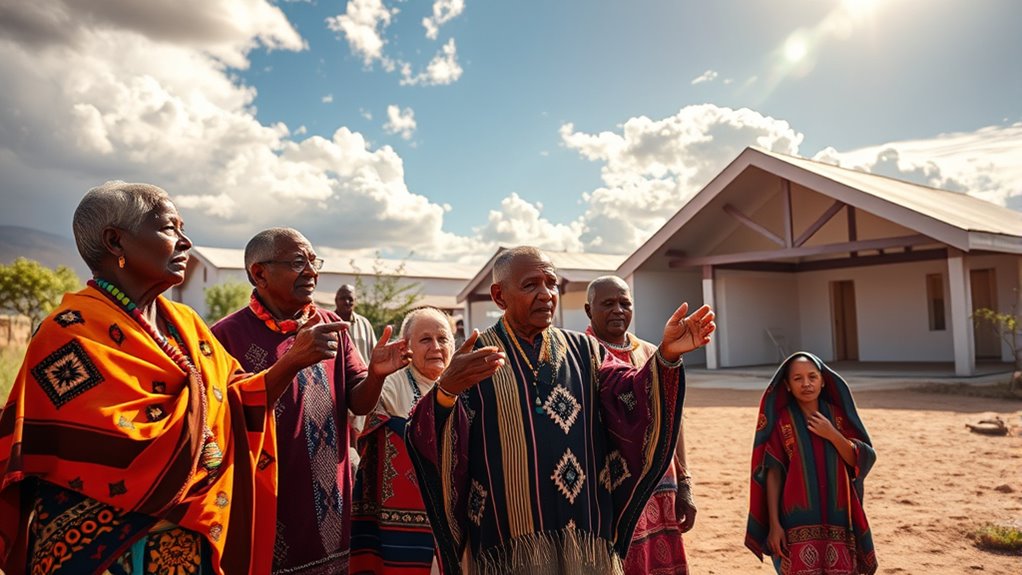
Xhosa, as a Bantu language, contrasts with English in phonetics, grammar, and vocabulary. Phonetically, Xhosa features distinctive click consonants, such as dental, alveolar, and lateral clicks, which are absent in English, along with a tonal system where pitch differentiates meaning. In grammar, Xhosa employs an agglutinative structure with extensive use of prefixes and suffixes to indicate noun classes—typically 15 to 20 categories based on animacy, shape, or number—while English relies on a simpler system of articles and prepositions. Vocabulary-wise, Xhosa draws from Bantu roots, incorporating words related to cultural elements like kinship and nature, whereas English stems from Germanic and Romance influences, leading to divergent lexicons. These differences highlight the challenges in translation, requiring nuanced understanding to preserve original intent and cultural nuances. Overall, such linguistic disparities underscore the importance of accurate cross-cultural communication in South Africa.
Benefits of Professional Translation Services
Professional translation services provide significant advantages in accurately conveying meaning between languages, particularly in multilingual contexts like South Africa. These services employ expert linguists who understand cultural nuances, ensuring translations resonate with local audiences and avoid misinterpretations. In business, they enhance communication, fostering stronger partnerships and market expansion. For legal and medical sectors, precise translations maintain compliance and patient safety, reducing risks associated with errors. Educationally, they support language learning and inclusivity, bridging gaps in diverse communities. Overall, professional services save time and resources by delivering high-quality, reliable results, ultimately promoting effective cross-cultural interactions and economic growth in a globalized world.
Common Challenges in Accurate Translations
While achieving accurate translations poses ongoing difficulties, linguistic nuances and cultural differences often lead to misinterpretations in contexts like English to Xhosa. Translators frequently encounter vocabulary gaps, where English words lack direct Xhosa equivalents, complicating precise conveyance. Grammatical structures differ substantially; for instance, English’s subject-verb-object order may not align seamlessly with Xhosa syntax. Idiomatic expressions and slang pose risks of altering intended meanings, while contextual ambiguities in technical or legal texts can result in errors. These issues demand specialized expertise to mitigate.
To illustrate key challenges, consider the following:
| Challenge | Potential Issue |
|---|---|
| Vocabulary gaps | Words without direct equivalents |
| Grammatical differences | Mismatch in sentence structures |
| Idiomatic expressions | Figurative language distortions |
| Contextual ambiguities | Meaning loss in specialized fields |
Cultural Aspects of Xhosa Translations
Cultural elements profoundly influence English to Xhosa translations, as they extend beyond linguistic challenges to encompass traditions, values, and social contexts that shape meaning. In Xhosa culture, concepts like ubuntu—emphasizing communal harmony—require translators to adapt English individualism into collective expressions, ensuring authenticity. For instance, Xhosa proverbs and idioms, rooted in ancestral wisdom, often lack direct English equivalents, demanding nuanced interpretation to preserve intent. Social hierarchies, such as respect for elders and clan affiliations, influence word choices, where formal address might alter connotations. Rituals and folklore further complicate translations, as symbols tied to spirituality or nature must be conveyed without distortion. Effective translators immerse themselves in these aspects, fostering cross-cultural understanding and avoiding misrepresentations that could offend or mislead. Ultimately, culturally informed translations bridge gaps, enhancing communication in South Africa’s diverse society. (124 words)
Tools and Resources for Language Translation
Various tools and resources support English to Xhosa translation in South Africa, encompassing translation software options, online language resources, and mobile translation tools. Translation software options provide automated solutions for quick conversions, while online language resources offer detailed guides and databases. Mobile translation tools enable on-the-go access, making language barriers easier to overcome in everyday scenarios.
Translation Software Options
In the domain of English to Xhosa translation in South Africa, several software tools provide essential resources for accurate language conversion. These applications, powered by AI and machine learning, offer features like real-time translation, offline capabilities, and customizable dictionaries to handle nuances of Xhosa dialects. They are particularly useful for professionals in education, business, and media, ensuring culturally sensitive outputs.
Popular software tools include options for both free and paid use, enhancing precision and efficiency.
| Software Tool | Key Features |
|---|---|
| Google Translate | Real-time AI translation, voice input |
| Microsoft Translator | Neural networks, API integration |
| SDL Trados | Computer-assisted tools, terminology management |
| MemoQ | Team collaboration, quality assurance |
| OmegaT | Open-source, translation memory support |
Such tools enable reliable conversions, fostering better communication in South African contexts.
Online Language Resources
Beyond translation software, online language resources play a pivotal role in supporting English to Xhosa translation through accessible platforms like specialized websites and databases. These resources include detailed online dictionaries, such as those offered by educational institutions or language preservation organizations, which provide accurate vocabulary and contextual usage. For instance, sites like the Pan South African Language Board database offer detailed linguistic insights, aiding translators in understanding nuances and idioms. Additionally, collaborative platforms and forums enable users to exchange knowledge on Xhosa grammar and cultural references, enhancing translation accuracy. Free access to these tools democratizes language learning, fostering better communication in South Africa. Educational websites also feature interactive modules that break down complex translations, ensuring users can refine their skills effectively. Overall, these resources bridge language gaps efficiently.
Mobile Translation Tools
Mobile translation applications have revolutionized English to Xhosa conversion by offering portable, user-friendly solutions that leverage advanced algorithms for real-time accuracy. Apps like Google Translate and Microsoft Translator enable seamless language exchange on smartphones, supporting features such as voice recognition and offline functionality, which are vital in South Africa’s varied connectivity landscapes. These tools integrate Xhosa-specific databases, improving precision for idiomatic expressions and cultural contexts, therefore facilitating education, business, and tourism. For instance, users can translate text, speech, or images instantly, reducing communication barriers in multilingual environments. In regions like the Eastern Cape, they empower locals and visitors alike, fostering inclusivity. Overall, these applications enhance accessibility, with regular updates ensuring evolving accuracy and user satisfaction. Their affordability and ease of integration make them essential resources for everyday translation needs in South Africa.
Applications of Translation in Business
In the context of English to Xhosa translation in South Africa, applications in business facilitate global market entry by enabling companies to adapt products for new audiences. Multilingual marketing campaigns benefit from accurate translations, allowing brands to engage diverse customers effectively. Internal communication tools also rely on such translations to foster collaboration among multilingual teams.
Global Market Entry
Global market entry often hinges on overcoming language barriers, as businesses expanding into regions like South Africa must adapt content from English to Xhosa for effective communication. Accurate translation facilitates smoother market penetration by fostering trust and cultural alignment, enabling companies to navigate local nuances and regulatory requirements. This process not only reduces miscommunication risks but also enhances customer engagement, paving the way for sustainable growth in diverse markets.
- Witness the thrill of forging genuine connections with Xhosa-speaking communities, turning strangers into loyal partners.
- Feel the empowerment of inclusivity, as translation bridges divides and honors indigenous voices in global trade.
- Experience the excitement of unveiling untapped opportunities, where every translated word opens new doors to prosperity.
- Sense the warmth of cultural respect, transforming business interactions into meaningful, heartfelt exchanges.
- Embrace the pride of ethical expansion, where language adaptation drives equitable and compassionate market strategies.
Multilingual Marketing Campaigns
Multilingual marketing campaigns leverage translation to reach diverse audiences, enabling businesses to adapt messages across languages like English and Xhosa for greater impact in markets such as South Africa. In these campaigns, accurate translation guarantees cultural nuances are preserved, fostering trust and resonance with local consumers. For instance, brands targeting South Africa’s multicultural population translate advertisements, social media content, and promotional materials to avoid misinterpretations and enhance engagement. This approach boosts conversion rates by tailoring visuals and slogans to Xhosa-speaking demographics, where English dominance may alienate potential customers. Businesses also use translated SEO strategies to improve online visibility on platforms like Google, driving traffic from both urban and rural areas. Ultimately, such efforts expand market share while promoting inclusivity, making translation a strategic asset in competitive landscapes. By integrating professional services, companies achieve measurable ROI through heightened brand affinity and sustained customer loyalty.
Internal Communication Tools
Internal communication tools in businesses harness translation to overcome language barriers, enabling seamless collaboration among diverse teams. In South Africa, where multilingualism thrives, tools like email platforms and intranets integrate English-to-Xhosa translation to foster inclusive workplaces. This enhances productivity by ensuring all employees, regardless of language, contribute effectively. Translation services bridge cultural divides, promoting equity and mutual understanding in daily operations.
- Ignite team unity: Witness the joy of employees connecting across languages, turning potential isolation into shared triumphs.
- Empower diverse voices: Feel the pride as underrepresented staff gain confidence to innovate and lead.
- Build heartfelt trust: Experience the relief of avoiding miscommunications that once bred frustration and division.
- Spark creative synergy: Revel in the excitement of ideas flowing freely, enriched by cultural diversity.
- Cultivate belonging: Sense the warmth of an inclusive environment where every voice matters, fostering lasting loyalty.
Everyday Phrases for English to Xhosa Conversion
Learning everyday phrases for English to Xhosa translation is essential for effective communication in South Africa’s diverse linguistic landscape, where Xhosa serves as a key indigenous language. Mastering basic expressions enhances interpersonal interactions, such as greetings like “Hello” (Molo) or “How are you?” (Unjani?), which foster rapport in everyday encounters. Simple phrases for directions, like “Where is the market?” (Iphi imakethi?), or polite responses, such as “Thank you” (Enkosi) and “You’re welcome” (Khawulezile), prove invaluable for travelers and residents alike. This knowledge bridges cultural gaps, promoting smoother exchanges in markets, homes, and social settings. By focusing on practical vocabulary, individuals can navigate daily life more effectively, respecting Xhosa traditions without relying solely on English. Overall, these conversions encourage mutual understanding in multilingual environments.
Role of Translation in South African Communities
Translation greatly influences South African communities by enabling communication across diverse languages, such as English and Xhosa. In a nation with 11 official languages, translation fosters cultural preservation, allowing stories and traditions to transcend linguistic barriers. It empowers marginalized groups by providing access to essential services like healthcare and education, promoting equity and social cohesion. Through accurate translations, communities build stronger interpersonal connections, reducing isolation and enhancing mutual understanding.
- Preserving heritage: Translation safeguards indigenous knowledge, evoking a deep sense of pride and continuity in Xhosa speakers facing cultural erosion.
- Bridging divides: It reunites families separated by language, stirring emotions of belonging and reconciliation in diverse neighborhoods.
- Empowering voices: Everyday translations give voice to the voiceless, igniting hope and resilience among underserved populations.
- Fostering empathy: Accurate renditions of personal stories cultivate compassion, evoking tears and shared humanity across communities.
- Healing wounds: In post-apartheid contexts, translation aids dialogue on historical traumas, inspiring forgiveness and collective healing. (124 words)
Future Trends in Language Translation Services
As technology advances, language translation services in South Africa are evolving rapidly, driven by innovations like artificial intelligence and machine learning. This progress enhances accuracy for languages such as Xhosa, with neural networks improving contextual understanding and real-time applications facilitating everyday use. Emerging trends include voice-activated tools and customized algorithms for indigenous dialects, fostering cultural preservation and global connectivity.
| Trend | Technology Involved | Potential Impact |
|---|---|---|
| AI-Enhanced Accuracy | Neural Machine Learning | Reduced translation errors |
| Real-Time Applications | Mobile and Cloud Systems | Instant cross-language talks |
| Voice Recognition | Speech-to-Text AI | Improved accessibility |
| AR/VR Integration | Augmented Reality Tools | Immersive language learning |
These developments promise to bridge communication divides, support education, and drive economic growth in South Africa’s diverse linguistic landscape.
Frequently Asked Questions
How Much Does English to Xhosa Translation Cost?
The question addresses the cost of translating from English to Xhosa. Such services typically vary based on word count, complexity, and provider expertise, often ranging from R0.50 to R5 per word in professional settings.
What Qualifications Are Needed to Become a Translator?
Qualifications needed to become a translator typically include fluency in at least two languages, a bachelor’s degree in translation, linguistics, or a related field, professional certification from recognized bodies, and substantial hands-on experience in translation work. Ongoing education enhances skills.
How Can I Verify a Translator’s Credentials?
Verifying a translator’s credentials requires examining official certifications from accredited bodies, reviewing educational qualifications, and contacting references or past employers for validation. Professional associations and online verification tools can further assist in ensuring authenticity.
Are There Jobs for Xhosa Translators in South Africa?
Regarding whether there are jobs for Xhosa translators in South Africa, opportunities exist due to Xhosa’s status as an official language. Demand arises in sectors like government, education, media, and healthcare, offering positions for qualified professionals. This reflects the linguistic diversity of the region.
How Do I Start Learning Xhosa as a Beginner?
Learning Xhosa as a beginner typically involves starting with accessible resources like language apps, online courses, and basic phrase books. Individuals should practice daily vocabulary, listen to audio recordings, and engage in simple conversations with native speakers to build foundational skills effectively.

