
 Elizabeth123
Certified translations for health certificates in South Africa guarantee accurate, legally compliant renditions of documents like vaccination records and medical fitness reports by accredited providers such as Translation Africa. These services maintain fidelity to original content, adhering to international standards and South African regulations to support global validity and prevent disputes. Qualified translators prioritize precision in medical terminology, upholding document integrity for healthcare and legal purposes. Exploring associated aspects like costs, timelines, and service benefits reveals deeper value for users.
Quick Summaries
- Certified translations ensure accurate and verified rendering of health certificates in South Africa.
- Legal compliance is met through translators affiliated with bodies like the South African Translators’ Institute.
- Accuracy in medical terminology is guaranteed by vetted professionals to maintain document integrity.
- Translations provide global validity for health certificates, adhering to international standards like the Hague Convention.
- Services from Translation Africa cover documents such as vaccination records for travel or enrollment purposes.
What Is Certified Translation for Health Certificates

Certified translation for health certificates involves the accurate and officially verified rendering of medical documents, such as vaccination records or health reports, from one language to another. This process requires translators who are qualified and accredited, ensuring the document’s content remains unaltered in meaning and intent. Certified translations typically include a statement from the translator or agency, affirming the translation’s fidelity to the original. Such translations adhere to international standards, like those set by bodies such as the International Organization for Standardization (ISO), to guarantee reliability. The translator stamps or signs the document, making it admissible for official purposes. This method prioritizes precision to avoid errors that could misrepresent health information, therefore preserving the document’s legal and medical value. Essentially, it bridges language barriers while upholding professional integrity.
Importance of Certified Translations in South Africa

Certified translations are essential in South Africa for ensuring legal compliance with local regulations governing health certificates. They also uphold accuracy essentials, preventing errors that could compromise document integrity. Moreover, these translations enhance global validity, facilitating international recognition and use.
Legal Compliance
In South Africa, certified translations are essential for maintaining legal compliance, especially with health certificates, as they verify the accuracy and authenticity of documents in official contexts, thereby preventing potential disputes or penalties. Under South African law, such translations are mandated for interactions with government bodies, including the Department of Home Affairs and healthcare regulators, ensuring documents meet stringent standards set by the Official Languages Act. This compliance safeguards individuals and organizations from legal repercussions, such as invalid applications or fines, by confirming that translated health certificates are recognized in courts and administrative proceedings. Certified translators, often affiliated with recognized bodies like the South African Translators’ Institute, provide the necessary affidavits that affirm document integrity. Ultimately, this process upholds the rule of law, facilitating seamless cross-border and domestic operations without compromising on regulatory adherence.
Accuracy Essentials
Accuracy in translations forms the cornerstone of reliable health certificates in South Africa, where errors can lead to misinterpretations in critical contexts such as medical records and legal validations. Certified translations are handled by vetted professionals who guarantee linguistic precision and adherence to local standards, minimizing risks in healthcare settings. In South Africa, accuracy is essential for maintaining the integrity of patient data, as even minor discrepancies could compromise treatment decisions or administrative processes. Certified translators undergo rigorous training in medical terminology, guaranteeing that nuances in language do not distort crucial information. This process not only enhances trust among healthcare providers but also supports compliance with South African regulatory requirements. Translation Africa prioritizes these essentials by implementing quality control measures, guaranteeing that every certified document upholds the highest standards of reliability and precision in domestic health contexts.
Global Validity
Global validity of certified translations guarantees that South African health certificates gain international recognition, enabling seamless cross-border use in medical treatments, legal proceedings, and compliance with global standards. Certified translations, handled by accredited agencies like Translation Africa, guarantee documents adhere to international protocols, such as those from the Hague Convention, preventing rejection in foreign jurisdictions. For instance, South Africans traveling for healthcare in Europe or North America rely on these translations to verify records accurately, avoiding costly delays. In legal matters, they uphold evidence integrity during international cases, fostering trust among global entities. Furthermore, they align with WHO guidelines, promoting public health cooperation and reducing administrative barriers. Ultimately, this validity enhances South Africa’s global engagement, supporting economic and social mobility while maintaining document authenticity.
Types of Health Certificates Requiring Translation
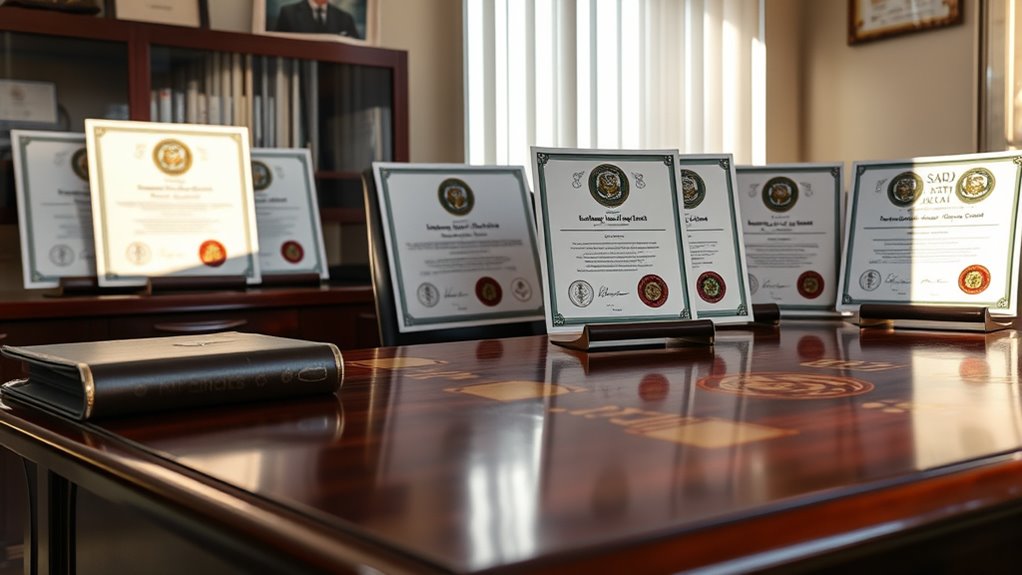
Several health certificates in South Africa, including vaccination records, medical fitness reports, and birth or death certificates related to public health, often require certified translation for legal, travel, or international purposes. Vaccination records, for instance, are essential for international travel or school enrollment, guaranteeing compliance with global health protocols. Medical fitness reports, used in employment or visa applications, detail an individual’s health status and must be accurately translated to avoid misinterpretation. Birth and death certificates linked to public health matters, such as disease tracking or family reunification, provide critical demographic data that demands precision in translation. Other types include quarantine declarations, which verify exposure to infectious diseases, and health screening forms for migration, all necessitating professional translation to maintain authenticity and facilitate cross-border processes. This guarantees seamless communication in diverse contexts.
Legal Standards for Health Document Translations
In South Africa, legal standards for translating health documents mandate certification by accredited professionals to guarantee compliance with national and international regulations. These standards, governed by bodies like the South African Translators’ Institute and aligned with global norms such as those from the International Organization for Standardization (ISO), assure translations are accurate, impartial, and secure. Translators must possess recognized qualifications, often verified through rigorous assessments, to handle sensitive health information like medical records or vaccination certificates. Non-compliance can lead to legal repercussions, including document invalidation or penalties under laws like the Protection of Personal Information Act. Moreover, standards emphasize confidentiality and cultural sensitivity to maintain the integrity of health data in contexts such as immigration or global health collaborations. Adherence prevents misinterpretation that could affect patient safety or public health outcomes.
How Translation Africa Provides Certified Services
Translation Africa delivers certified translation services for health documents in South Africa by adhering strictly to legal standards and employing accredited translators. The company maintains a meticulous process for translator selection, prioritizing individuals with specialized medical knowledge and language proficiency. Their workflow includes thorough document analysis, accurate rendering of technical terms, and multiple layers of quality assurance, such as peer reviews and compliance audits. Translation Africa utilizes secure digital platforms to manage translations, ensuring documents are handled with precision and in line with regulatory requirements. They also provide official certification stamps, verifying the authenticity of each translation for official use. This approach underscores their commitment to reliability, without delving into broader advantages. Through ongoing training and adherence to industry protocols, Translation Africa upholds the integrity of health-related translations in a professional manner.
Benefits of Using Professional Translation Experts
Professional translation experts provide key benefits for certified translations of health certificates in South Africa. Accuracy assurance stands out as a critical advantage, ensuring documents meet stringent standards without errors. These experts also deliver expert terminology and efficient service, enhancing overall reliability.
Accuracy Assurance
Guaranteeing accuracy in certified translations for health certificates in South Africa requires the skills of professional experts, who deliver error-free results and compliance with regulatory standards. These specialists employ rigorous quality checks, including double-verification and adherence to industry best practices, to minimize errors that could affect health document validity. By leveraging their expertise, they safeguard against misinterpretations, guaranteeing translations align with legal requirements and maintain the document’s integrity.
| Aspect | How Professionals Guarantee Accuracy |
|---|---|
| Verification Process | Multiple reviews to catch errors |
| Cultural Adaptation | Contextual adjustments for clarity |
| Regulatory Compliance | Alignment with South African laws |
| Error Detection Tools | Use of advanced software checks |
| Final Certification | Official stamping for authenticity |
This approach not only enhances reliability but also builds trust in translated health certificates.
Expert Terminology
The benefits of expert terminology in certified translations for South African health certificates arise from professionals’ specialized knowledge, which guarantees precise rendering of medical terms and prevents critical errors. Professional translators possess in-depth familiarity with medical jargon, such as anatomical terms and pharmacological concepts, ensuring that nuances are accurately conveyed across languages. This expertise is essential in healthcare contexts, where misinterpretations could lead to legal issues or health risks, particularly in regulatory environments like South Africa’s. By adhering to international standards, these experts maintain the integrity of documents, facilitating seamless communication in global health scenarios. Moreover, their proficiency minimizes ambiguities, enhancing the reliability of translations for institutions and individuals alike. Ultimately, employing certified professionals upholds the highest standards of accuracy and cultural sensitivity in sensitive medical documentation.
Efficient Delivery
Efficient delivery of certified translations for South African health certificates stems from professional experts’ streamlined processes, which expedite turnaround times while maintaining quality. These experts leverage advanced technology, such as translation management software, to handle projects efficiently, reducing bottlenecks and ensuring seamless workflows. By assigning tasks to specialized linguists familiar with health terminology, they minimize errors and revisions, allowing for quicker completion without sacrificing accuracy. Clients benefit from predictable timelines, often receiving documents within days rather than weeks, which is essential for urgent needs like visa processing or medical approvals. This efficiency lowers overall costs by avoiding delays and rework, while enhancing reliability and client satisfaction. Professional services also incorporate quality assurance protocols, guaranteeing compliance with South African standards and international regulations. Ultimately, these streamlined approaches make translation experts indispensable for time-sensitive health certificate needs, promoting smoother cross-border operations.
Step-by-Step Guide to the Translation Process
Managing the translation process for certified health certificates in South Africa requires a structured approach to guarantee accuracy and compliance. The process starts with an initial assessment, where experts evaluate the document’s content and requirements. Qualified translators, certified in medical terminology and local languages, then handle the translation to maintain precision. Following this, a rigorous editing phase involves proofreading and cross-verification to eliminate errors. Once accurate, the translation is certified by authorized bodies, such as the South African Translators’ Institute, ensuring legal validity. The final step includes formatting the document to meet international standards before secure delivery. This methodical progression minimizes risks and upholds professional standards, supporting seamless use in healthcare contexts. Throughout, adherence to confidentiality and ethical guidelines is paramount, fostering trust in the outcome.
Common Challenges in Health Certificate Translation
Translators face numerous obstacles in health certificate translation, particularly in South Africa’s diverse linguistic landscape. With 11 official languages, including Zulu, Xhosa, and Afrikaans, accurate conveyance of medical terminology often falters due to cultural nuances and regional dialects. Technical jargon, such as drug names or diagnostic terms, lacks direct equivalents, leading to potential misinterpretations that could affect validity. Additionally, strict regulatory demands for certification add complexity, as translators must navigate varying formats and legal standards across provinces. Resource shortages, like access to specialized medical glossaries, exacerbate these issues, while tight deadlines in healthcare settings heighten the risk of errors. Balancing fidelity to the original text with cultural appropriateness remains a persistent challenge in this field.
Ensuring Accuracy in Medical Document Translations
Ensuring accuracy in medical document translations requires precision in terminology to maintain the integrity of health-related information. Validation techniques serve as critical methods for verifying translations against original sources. These approaches collectively support reliable certified translations for health certificates in South Africa.
Precision in Terminology
In the field of certified translations for health certificates in South Africa, precision in terminology serves as the foundation for accurate medical document handling. Exact wording is essential, as medical terms carry specific meanings that can impact diagnoses, treatments, and patient outcomes. Translators must navigate complex terminology, drawing from authoritative sources like WHO guidelines and local health regulations to maintain fidelity. Inaccurate translations risk miscommunication, potentially leading to legal issues or health hazards. For instance, confusing similar terms such as “benign” versus “malignant” could alter a document’s intent entirely. Certified professionals undergo rigorous training to guarantee culturally and contextually appropriate language, upholding standards set by bodies like the South African Translators’ Institute. This meticulous approach safeguards the integrity of health records, fostering trust in international exchanges. Ultimately, precision prevents errors that could compromise care or compliance.
Validation Techniques
Validation techniques enhance the reliability of certified translations for health certificates in South Africa by incorporating systematic checks against original documents. This involves rigorous proofreading to detect errors in language and context. Peer reviews, where experienced translators compare versions, guarantee consistency and accuracy in medical terminology. Back-translation, translating the document back to the source language, verifies fidelity and prevents misinterpretations. Collaboration with healthcare professionals provides expert validation of specialized terms, adhering to South African standards like those from the Health Professions Council. Quality assurance software tools cross-reference translations against databases, minimizing discrepancies. These methods collectively uphold document integrity, supporting legal recognition and patient safety in international contexts. Regular audits further refine processes, fostering continuous improvement in translation accuracy for health certificates.
Costs and Pricing for Certified Translations
Certified translations for health certificates in South Africa involve variable pricing based on factors like document length, language pairs, and urgency. Document length typically determines costs, with longer texts incurring higher fees due to increased effort. Language pairs play a key role; rarer languages, such as those from indigenous groups, often command premium rates because of specialized expertise required. Urgency can escalate prices, as rush services demand overtime or expedited resources from translators.
Service providers may charge per word, per page, or via flat rates, depending on the agency. For instance, standard translations might range from R1 to R5 per word, influenced by market competition and certification standards. Clients should request detailed quotes to compare options, ensuring transparency on additional fees for verification or revisions. Understanding these variables helps in budgeting effectively for accurate, reliable translations in South Africa’s diverse linguistic landscape.
Timeline for Completing Health Certificate Translations
Timelines for health certificate translations in South Africa typically range from 24 to 72 hours for standard requests, influenced by factors like document length, language complexity, and availability of certified translators. For shorter documents in common languages, such as English to Afrikaans, processing often falls at the quicker end of this spectrum, allowing for efficient turnaround. Conversely, longer texts or rarer languages may extend closer to 72 hours due to the need for meticulous accuracy and verification. Translator availability plays a key role; peak periods, like flu season, can delay timelines if demand surges. Clients should note that rush services might reduce wait times to as little as 4-8 hours, though this depends on the agency’s resources. To guarantee smooth processing, submitting documents early helps account for potential delays. Always confirm estimated times with the translation service provider for effective planning.
Why Choose Certified Translation Services in South Africa
In South Africa, individuals and organizations select certified translation services to guarantee accurate, legally compliant handling of documents like health certificates. These services employ qualified translators who adhere to strict standards set by bodies such as the South African Translators’ Institute, ensuring precision in medical terminology and cultural nuances. Certified translations carry official seals, making them admissible in courts, immigration processes, and international health agreements, therefore avoiding costly rejections. Furthermore, they prioritize confidentiality under data protection laws, safeguarding sensitive patient information. By choosing reputable providers, clients benefit from faster turnaround times and error-free results, minimizing risks in critical scenarios like visa applications or global health certifications. Ultimately, this choice enhances reliability and trust in cross-border communications.
Frequently Asked Questions
Which Languages Do You Support for Translations?
The inquiry seeks information on languages supported for translations. Translation services typically include English, Spanish, French, German, Mandarin, Arabic, and African languages such as Zulu, Xhosa, and Afrikaans, catering to diverse global needs.
Do You Offer Rush or Expedited Services?
The current question pertains to the availability of rush or expedited services. Translation Africa offers these options for urgent needs, providing faster turnaround times while maintaining high accuracy and confidentiality standards to meet client deadlines effectively.
How Do You Ensure Data Confidentiality?
In response to the question on how data confidentiality is guaranteed, the service implements robust measures including encrypted communications, secure databases, employee non-disclosure pacts, and strict compliance with global privacy regulations to safeguard information effectively.
What Is Your Policy on Refunds?
Translation Africa’s refund policy prioritizes fairness, offering full refunds for undelivered services due to company errors if requested within 30 days. Partial refunds may apply for substandard work, with all claims reviewed impartially on a case-by-case basis.
Can Translations Include Notarization?
Regarding the inquiry on whether translations can include notarization, it is a standard practice for many providers to offer this service as an add-on. Notarization verifies the accuracy of the translated document, enhancing its legal validity for official use in various contexts.

