 directlineauthors
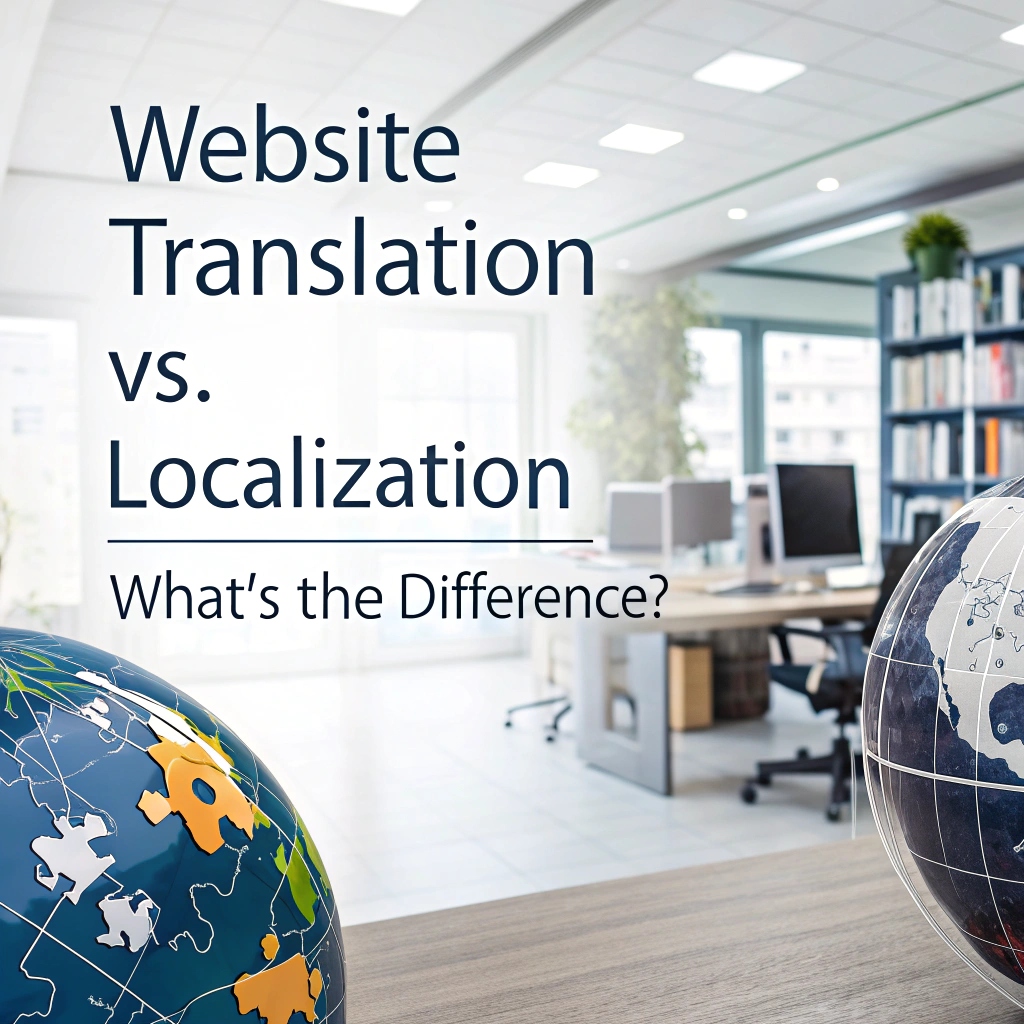
Website Translation vs. Localization: What’s the Difference?
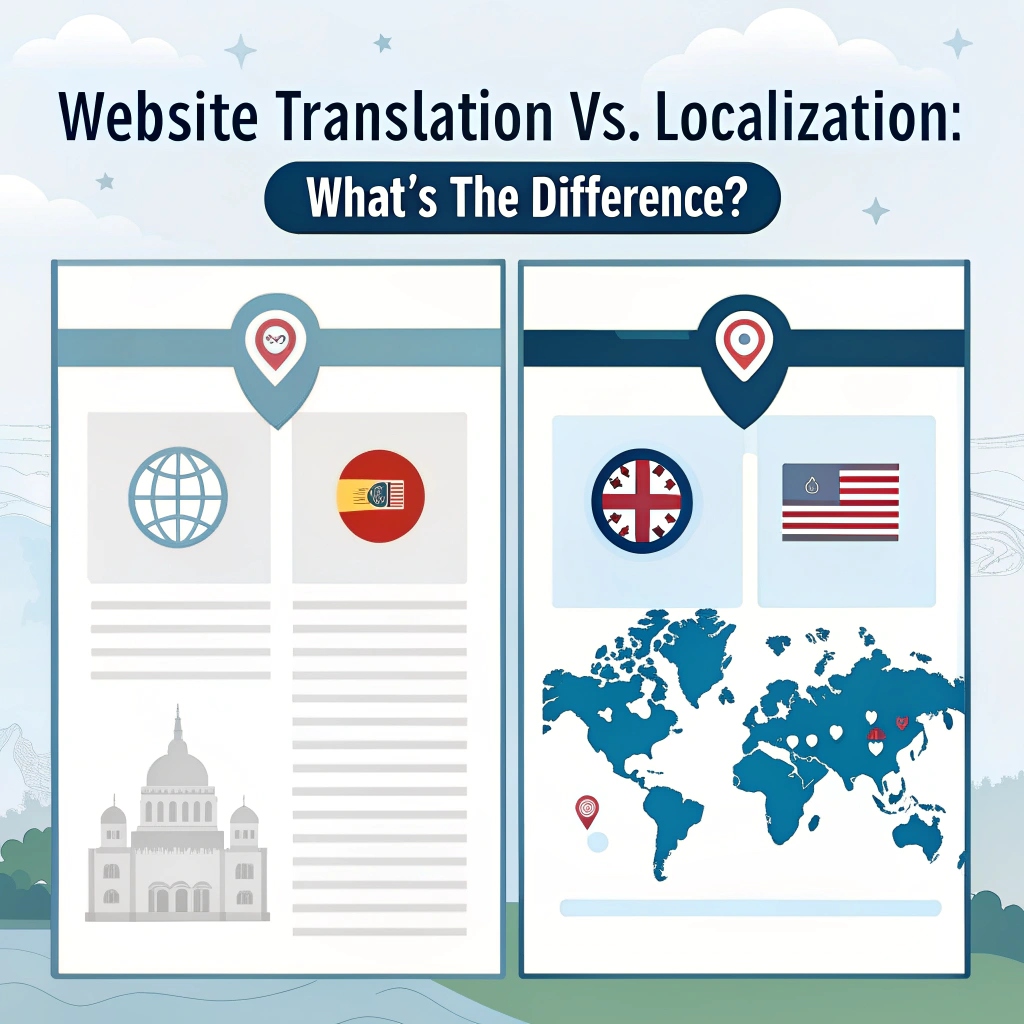
Understanding website translation services Nigeria goes beyond mere language conversion. It involves adapting your content to resonate with the local audience, taking into account cultural nuances and preferences.
By investing in professional website translation services Nigeria, businesses can effectively reach and engage with their target market, driving traffic and boosting conversions.
The strategic advantage of website localization Lagos for Nigerian businesses cannot be overstated. Localization goes a step further than translation by tailoring your website to suit the specific needs of the Nigerian market.
This includes not only linguistic aspects but also considerations for design, imagery, and user experience. Embracing website localization Lagos ensures that your online presence is not only accessible but also appealing and relevant to local consumers, setting your business up for success in the competitive digital landscape.
Understanding Website Translation Services Nigeria: Beyond Simple Language Conversion
When you think about expanding your online presence to reach a wider audience in Nigeria, website translation services may come to mind. It’s true that translating your website content into different languages can help break down language barriers and attract more visitors.
However, there’s a crucial aspect that goes beyond mere translation – website localization Lagos. This goes beyond just converting words from one language to another; it involves adapting your website to suit the cultural preferences, norms, and expectations of the specific audience in Lagos, Nigeria.
Imagine your website as a bridge connecting your business to potential customers in Lagos. Now, think of website localization Lagos as reinforcing that bridge, making it solid, relevant, and inviting to those on the other side.
By incorporating elements that resonate with the local audience, such as using familiar imagery, colors, and idioms, you are not just communicating in their language but also in their cultural context. This deeper level of connection can significantly enhance user engagement, build trust, and ultimately drive conversions for your Nigerian business.
The Strategic Advantage of Website Localization Lagos for Nigerian Businesses
Are you ready to unlock the true potential of your multilingual website Nigeria? Let’s delve into the strategic advantage of website localization Lagos for Nigerian businesses. Picture this: your website not only speaks the language of your target audience but also resonates with their cultural nuances, creating a seamless and immersive user experience.
By opting for professional website localization over basic translation services, you can tap into the emotional connection that drives consumer engagement and loyalty in the competitive digital world we live in today.
When it comes to the success of your online presence, quality matters. Think about it this way: a localized website doesn’t just translate words; it adapts your brand message, visuals, and functionality to suit the preferences of your Nigerian audience.
By embracing website localization Lagos, you’re not only enhancing user experience but also showcasing your commitment to understanding and respecting the unique needs of your customers.
This innovative solution is a game-changer for Nigerian businesses looking to supercharge their digital presence and stand out in the ever-evolving African digital markets.
Why Your Multilingual Website Nigeria Needs More Than Just Translation
Imagine your website as a window to the world. It’s your voice, your brand, your essence—all encapsulated in a digital realm. Now, consider this: your website isn’t just words on a screen; it’s a bridge that connects you to a diverse audience, each with their unique experiences, preferences, and cultural nuances.
To truly resonate with your Nigerian audience, a mere translation won’t suffice. You need professional website localization that goes beyond surface-level language conversion.
A multilingual website for Nigeria demands a tailored approach that embraces the intricacies of the local culture, resonating with visitors on a deeper level. Think of it as a journey towards building trust, fostering connections, and ultimately, driving meaningful engagement.
By investing in website localization Lagos, you’re not just checking a box; you’re making a strategic move that can set you apart in a competitive digital landscape. So, before you settle for a basic translation service, pause and consider the powerful impact of a comprehensive localization strategy that speaks directly to the hearts and minds of your Nigerian audience.
The Hidden Costs of Choosing Translation Over Localization for Your Nigerian Business
Choosing translation over localization for your Nigerian business might initially seem like a cost-effective shortcut to reaching a broader audience. However, here’s the thing – the hidden costs of this decision can significantly impact your brand reputation and bottom line in the long run.
Think about it this way: translation simply converts text without considering cultural nuances or user experience, which can lead to misinterpretations, misunderstandings, and alienation of potential customers.
In contrast, localization tailors your content to resonate with your Nigerian audience, taking into account language, cultural references, and even design elements to create a more engaging and relatable experience.
Let’s break it down further. When you opt for basic translation services instead of professional localization for your Nigerian business, you risk diluting your brand identity and messaging.
Your website may come across as generic or disconnected from the local context, making it challenging to build trust and connect with your target market;Without the strategic adaptation that localization offers, you may miss out on valuable opportunities to establish a strong foothold in the Nigerian market and stand out from competitors who invest in a more tailored approach.
It’s essential to consider the holistic impact of localization beyond mere language translation to unlock the full potential of your digital presence in Nigeria.
Cultural Adaptation vs. Linguistic Conversion: The Website Localization Lagos Difference

Cultural adaptation and linguistic conversion are two crucial aspects of website localization that set it apart from mere translation services. When you opt for professional website localization in Lagos, Nigeria, you ensure that your content not only speaks the language but also resonates with the cultural nuances of your target audience.
By incorporating local customs, traditions, and idioms, you create a truly immersive and engaging online experience for users in Nigeria.
In contrast, basic translation services may fall short in capturing the essence of your brand and message to the Nigerian market. Without cultural adaptation, your website runs the risk of being perceived as foreign or disconnected from the local audience.
The Website Localization Lagos Difference lies in the meticulous attention to detail that goes beyond words, delving into the heart of what makes your content relevant and relatable in the Nigerian context. By understanding the cultural landscape and adapting your content accordingly, you can establish a deeper connection with your audience and drive meaningful engagement on your multilingual website in Nigeria.
How Website Translation Services Nigeria Impact Your Global SEO Strategy
When considering your global SEO strategy, it’s vital to understand how website translation services in Nigeria play a significant role. Ensuring your website content is accurately translated into multiple languages can immensely impact your search engine rankings across different regions and languages.
Think about it this way – by having your website professionally translated into languages spoken in Nigeria, you not only broaden your reach in the Nigerian market but also increase your visibility on a global scale.
Without a doubt, professional website translation services in Nigeria can act as a gateway to new markets, offering opportunities to connect with diverse audiences and drive more organic traffic to your site. Imagine the potential boost in traffic and engagement levels once your content resonates with international users searching for products or services you offer.
By investing in expert translation services for your website, you are not just translating words; you are translating your brand’s message and values, making it more accessible and relatable to a wider audience.
Technical Requirements for Building a Successful Multilingual Website Nigeria
To build a successful multilingual website in Nigeria, you need to ensure that the technical requirements are met. Your website should be designed to support multiple languages seamlessly, with a user-friendly interface for visitors to switch between languages effortlessly.
Professional website developers recommend implementing a robust Content Management System (CMS) that can handle different language versions of your site efficiently. This ensures that your content remains organized and accessible to users in their preferred language, enhancing their overall browsing experience.
Furthermore, it is crucial to invest in a responsive design that adapts to various screen sizes and devices. This mobile-first approach is essential in a digital landscape where users access websites from smartphones, tablets, and desktops. By prioritizing mobile usability, you can reach a wider audience in Nigeria and deliver a consistent experience across all devices.
Additionally, implementing search engine optimization best practices for each language version of your site can help improve visibility and attract organic traffic from diverse language-speaking audiences. By focusing on these technical requirements, you can lay a solid foundation for building a successful multilingual website tailored to the Nigerian market.
The ROI of Professional Website Localization Lagos vs. Basic Translation Services
When considering the return on investment (ROI) of professional website localization compared to basic translation services, it’s crucial to understand the significant benefits that come with a more comprehensive approach.
While basic translation services may offer a quick fix in terms of language conversion, professional website localization goes beyond mere translation. It deeply look into into the cultural nuances, preferences, and behaviors of the target audience, ensuring a more tailored and engaging user experience.
By opting for professional website localization over basic translation services, businesses in Lagos can expect a higher ROI in terms of customer engagement, brand positioning, and overall market penetration.
Localization enables businesses to connect with their Nigerian audience on a deeper level, resonating with their cultural values and preferences. This not only enhances brand loyalty but also drives conversion rates and fosters long-term customer relationships.
Common Mistakes Nigerian Businesses Make When Choosing Website Translation Services Nigeria
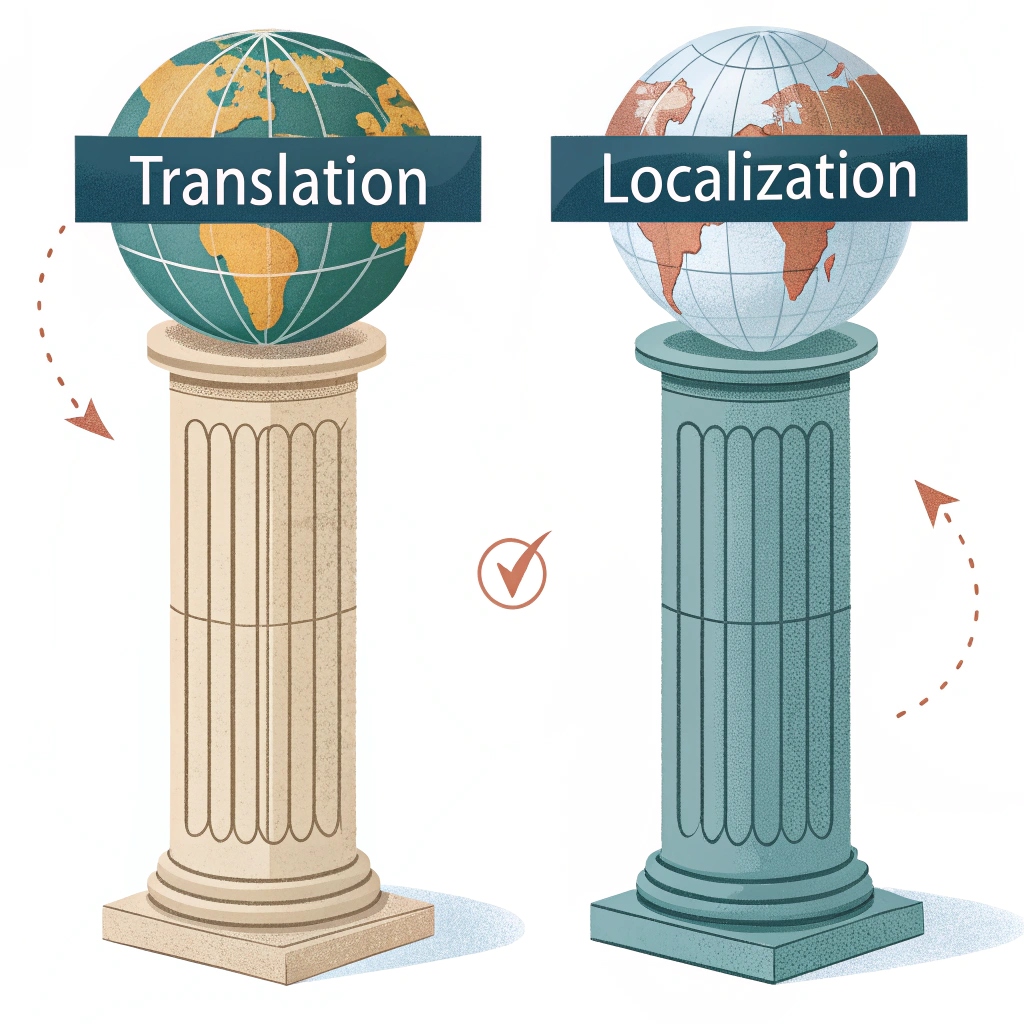
Choosing professional website translation services in Nigeria is crucial for businesses looking to expand their online presence across language barriers. One common mistake that Nigerian businesses make is opting for automated translation tools or inexperienced translators to save costs.
However, this approach often leads to inaccurate translations that can tarnish the brand’s reputation and credibility.
The impact of a poorly translated website on potential customers – it could deter them from engaging with your products or services, ultimately resulting in missed opportunities for growth.
It’s essential to invest in experienced linguists who understand the nuances of both languages being translated to ensure clear, culturally relevant content that resonates with the target audience.
Another pitfall that Nigerian businesses fall into when selecting website translation services is overlooking the importance of localization. Let’s sayour website is translated into another language, but the imagery, colors, or even layout remain unchanged, failing to connect with the local audience. Consider how cultural differences can impact user experience and engagement levels.
By neglecting the localization aspect, businesses miss out on the opportunity to truly connect with consumers on a deeper level and establish a strong brand presence in new markets.
To ensure a successful multilingual website that drives engagement and conversions, it’s crucial to prioritize both translation accuracy and cultural adaptation through professional website localization services in Nigeria.
User Experience Optimization Through Strategic Website Localization Lagos
When it comes to enhancing user experience on your website, strategic website localization in Lagos is key. Ensuring that your site is not only translated accurately but also culturally adapted can make a significant difference in how your Nigerian audience engages with your content.
Imagine a user lands on your website and feels like it was tailor-made for them, with language, visuals, and user interface elements that resonate with their cultural norms and preferences. That’s the power of user-focused website localization.
By taking a meticulous approach to strategic website localization in Lagos, you demonstrate a commitment to understanding and serving your Nigerian audience on a deeper level. It’s not just about translating text; it’s about crafting an immersive online experience that speaks directly to the hearts and minds of your users.
Leveraging cultural insights and preferences can supercharge user engagement and build trust with your audience, setting your website apart in the competitive digital landscape of Nigeria.
Market Research and Cultural Intelligence in Multilingual Website Nigeria Development
When delving into the realm of multilingual website development in Nigeria, one cannot underestimate the pivotal roles of market research and cultural intelligence. These critical components serve as the cornerstone for crafting online platforms that resonate deeply with diverse audiences. Market research empowers businesses to comprehend the unique preferences, behavior patterns, and needs of their target demographic.
By gaining insights derived from thorough analysis, companies can tailor their website content, design, and functionalities to align seamlessly with the expectations of Nigerian users. On the other hand, cultural intelligence plays a paramount role in ensuring that the website speaks the language of the local audience beyond mere translation.
It involves understanding the cultural nuances, values, and sensitivities of the Nigerian population to create a digital experience that fosters connection and trust.
In a multicultural and multilingual landscape like Nigeria, website development that harnesses the power of market research and cultural intelligence stands out as a game-changer for businesses striving to make a meaningful impact. By blending data-driven strategies with a deep understanding of the cultural fabric of the nation, companies can position themselves as authentic and relatable brands in the eyes of Nigerian consumers.
Through market research, businesses gain valuable insights into the competitive landscape, consumer behavior trends, and market gaps that can inform their website localization efforts. Simultaneously, cultural intelligence enables companies to navigate the nuances of language, symbols, and communication styles that resonate with the diverse Nigerian population.
By intertwining market research and cultural intelligence into the fabric of their website development strategies, businesses can create digital experiences that not only attract but also engage and retain users in the vibrant online ecosystem of Nigeria.
The Technology Stack Behind Effective Website Translation Services Nigeria
When it comes to effective website translation services in Nigeria, understanding the technology stack behind the process is essential. Professional website localization companies leverage a diverse range of tools and platforms to ensure accurate and culturally relevant translations for your target audience.
From content management systems like WordPress and Drupal to specialized translation management systems, these technologies work hand-in-hand to streamline the translation process and maintain consistency across all language versions of your website.
Moreover, the integration of artificial intelligence and machine learning algorithms has revolutionized the world of website translation services in Nigeria. These advanced technologies not only speed up the translation process but also improve accuracy by learning from previous translations and user feedback.
By harnessing the power of AI, professional localization companies can deliver high-quality translations that resonate with the linguistic nuances and cultural preferences of the Nigerian market.
Content Management Systems and Website Localization Lagos: What You Need to Know
Understanding Content Management Systems and Website Localization Lagos
For your website to thrive in the diverse market of Lagos, Nigeria, understanding the dynamics between Content Management Systems (CMS) and Website Localization is paramount. Think of your CMS as the control center, where you craft, manage, and update content seamlessly.
It’s the engine that drives your website’s performance. Now, when it comes to Website Localization, it’s more than just converting text into another language. It’s about tailoring your website to resonate with the Lagos audience on a cultural level. Localization goes beyond words; it’s about adapting imagery, colors, and even design elements to align with the local preferences and nuances, ensuring a truly immersive user experience.
Optimizing Your Website for Lagos: The Power of CMS and Localization
Consider this scenario: You have a beautifully designed website with engaging content, but it fails to connect with your Lagos audience. That’s where a CMS integrated with effective Localization strategies can make all the difference.
By leveraging a CMS that supports multilingual capabilities and combining it with Localization processes tailored specifically for Lagos, you can create a digital presence that speaks directly to your target market. From adjusting date formats to incorporating region-specific payment options, every detail matters in making your website resonate with the vibrant culture of Lagos, Nigeria.
In essence, harmonizing your CMS with robust Localization practices is the key to unlocking the full potential of your online presence in this dynamic African market.
Mobile-First Approach to Multilingual Website Nigeria Design and Implementation
When designing and implementing a multilingual website in Nigeria, adopting a mobile-first approach is not just a trend but a strategic necessity. In a digital landscape where mobile devices have become the primary gateway to online content, ensuring that your website is optimized for mobile users is critical.
By prioritizing mobile responsiveness and user interface design, you can enhance the overall user experience and cater to the needs of a diverse audience in Nigeria.
A mobile-first approach to website design also aligns with the evolving preferences of online users in Nigeria, who are increasingly accessing the internet via smartphones and tablets. This shift in consumer behavior underscores the importance of creating a seamless and intuitive browsing experience across different devices.
By embracing a mobile-first strategy, you can not only reach a broader audience but also improve engagement, drive conversions, and strengthen your brand presence in the competitive digital landscape of Nigeria.
Quality Assurance Standards for Website Translation Services Nigeria Projects
When it comes to ensuring the quality of your website translation services in Nigeria projects, implementing robust quality assurance standards is paramount. Quality assurance is not merely a checkbox to tick off but a crucial process that ensures your translated content meets the highest standards of accuracy, cultural relevance, and linguistic excellence.
Think of it as the final checkpoint before your content goes live, safeguarding your brand’s reputation and enhancing user experience.
By incorporating stringent quality assurance measures into your website translation projects in Nigeria, you can mitigate the risk of errors, inconsistencies, and mistranslations that could potentially harm your business.
Professional linguists, native speakers, and localization experts work together to review translations, conduct meticulous linguistic checks, and verify the cultural context to deliver a seamless multilingual website experience for your Nigerian audience.
Remember, quality assurance is not just about error detection; it’s about ensuring that your translated content resonates authentically with your target audience, fostering trust and engagement.
Measuring Success: KPIs for Website Localization Lagos vs. Translation Initiatives
Measurement is key when assessing the success of your website’s language strategy. Key Performance Indicators (KPIs) play a crucial role in evaluating the impact of Website Localization Lagos versus Translation Initiatives, Conversion Rates are a fundamental metric to track the effectiveness of your chosen approach.
By analyzing how many visitors take action on your site after being exposed to localized content, you can gauge the level of engagement and relevance to your audience. Bounce Rates are equally important; they reveal the percentage of users who leave your site after viewing only one page, indicating whether your content is resonating with visitors.
Tracking average session duration provides insights into how long users are interacting with your site, reflecting their interest and engagement level.
Understanding the return on investment (ROI) is essential for decision-making. Evaluating the Cost per Acquisition (CPA) for each localization strategy enables you to assess the efficiency of your spending. Compare the Lifetime Value (LTV) of customers acquired through localization versus traditional translation methods to ascertain which approach yields higher revenue over time.
By examining user feedback and sentiments through surveys or social media interactions, you can gather qualitative data on how well your website resonates with your target audience. Leveraging these KPIs empowers you to make informed decisions to continuously optimize your website’s language strategy for maximum impact.
Future Trends in African Digital Markets: The Evolution of Multilingual Website Nigeria Strategies
The digital landscape in Africa is rapidly evolving, and staying ahead of the curve is crucial for businesses looking to expand their online presence. As we delve into the future trends of African digital markets, it becomes evident that the evolution of multilingual website strategies in Nigeria will play a pivotal role in capturing the attention of diverse audiences.
The key lies in understanding the cultural nuances and preferences of the Nigerian market, a crucial aspect often overlooked by businesses aiming for a global reach.
Incorporating localized content that resonates with the unique cultural identities of Nigerian consumers can unlock a wealth of opportunities for businesses seeking to establish a strong online presence in the region. By embracing website localization strategies tailored to the Nigerian market, businesses can foster deeper connections with their target audience, leading to enhanced brand loyalty and engagement.
As the digital landscape continues to expand and diversify, aligning with the evolving trends in multilingual website strategies in Nigeria will be essential for businesses looking to thrive in this dynamic market.
FAQs On Website Translation vs. Localization: What’s the Difference?
What is the main difference between website translation and website localization?
Website translation focuses on converting written content from one language to another while preserving its original meaning. In contrast, website localization adapts the entire digital experience — including text, images, design elements, currencies, date formats, cultural references, and legal disclaimers — to align with the preferences, expectations, and cultural norms of a specific target market. Localization ensures content is not just understood but also culturally appropriate and engaging.
Why is website localization considered more comprehensive than translation?
Localization extends beyond language conversion to address cultural nuances, regional idioms, visual symbolism, social customs, humor, legal requirements, and market-specific expectations. It ensures that every element of the website resonates authentically with local audiences, making users feel the site was created specifically for them, rather than simply translated from a foreign source.
Which approach is better for international websites: translation or localization?
The appropriate choice depends on the organization’s global strategy. Translation is suitable for providing multilingual access to general information without cultural adaptation. However, businesses aiming for deeper market integration, higher conversion rates, improved customer trust, and region-specific user engagement will achieve significantly better outcomes through localization. For competitive markets, localization is strongly recommended.
How does website localization improve search engine optimization (SEO)?
Localized websites rank higher in regional search engines by integrating country-specific keywords, localized metadata, culturally relevant content, and optimized user experiences tailored to local search behaviors. Localization enhances visibility on global and local SERPs, ensures alignment with regional search engines like Baidu, Yandex, or Naver, and directly increases organic traffic, engagement rates, and conversions in target markets.
Is it possible to translate a website without localizing it?
While a website can be translated without localization, it may fail to connect meaningfully with local audiences. Literal translations often overlook cultural subtleties, regional expressions, and user expectations, leading to poor engagement, misunderstandings, or negative perceptions. Localization ensures contextually appropriate communication and a seamless user experience aligned with local standards and cultural practices.
Which website elements should be adapted during localization?
Effective localization involves customizing multiple components beyond textual content. These typically include images and graphics, icons and colors, currency and payment systems, measurement units, date and time formats, address structures, contact details, legal disclaimers, customer service options, and culturally relevant references. This holistic approach guarantees relevance, compliance, and audience acceptance.
Is website localization more costly than translation alone?
Yes, localization typically involves a higher investment due to its comprehensive nature. It requires native linguists, cultural consultants, UX/UI adjustments, region-specific compliance checks, and sometimes market testing. However, the return on investment is significantly higher, as localization directly influences brand perception, customer trust, market competitiveness, and sales performance in international markets.
When should a business prioritize localization over translation?
Localization is essential when entering culturally distinct or heavily regulated markets, launching region-specific marketing campaigns, offering localized customer support, or promoting products and services closely tied to cultural values, consumer behavior, or legal frameworks. In such scenarios, mere translation is insufficient and may expose businesses to reputational, legal, or operational risks.
What potential risks do companies face by neglecting localization?
Organizations that overlook localization risk cultural missteps, regulatory non-compliance, miscommunication, reduced customer engagement, and damaged brand reputation. A literal, non-localized website may alienate potential customers, cause confusion, or even offend local audiences, ultimately leading to revenue loss and diminished market credibility.
How can businesses manage website translation and localization effectively?
Successful website translation and localization projects require collaboration with professional language service providers experienced in multilingual website management, cultural consulting, and international compliance. Utilizing Translation Management Systems (TMS), localization glossaries, style guides, and automated quality assurance tools ensures consistency, accuracy, and efficiency across all target markets, while reducing long-term operational costs.
Final Insight:
Website translation ensures information is understood. Website localization ensures it is accepted, appreciated, and effective. For brands seeking meaningful global impact, a tailored localization strategy is no longer optional — it’s a business imperative.