
 directlineauthors
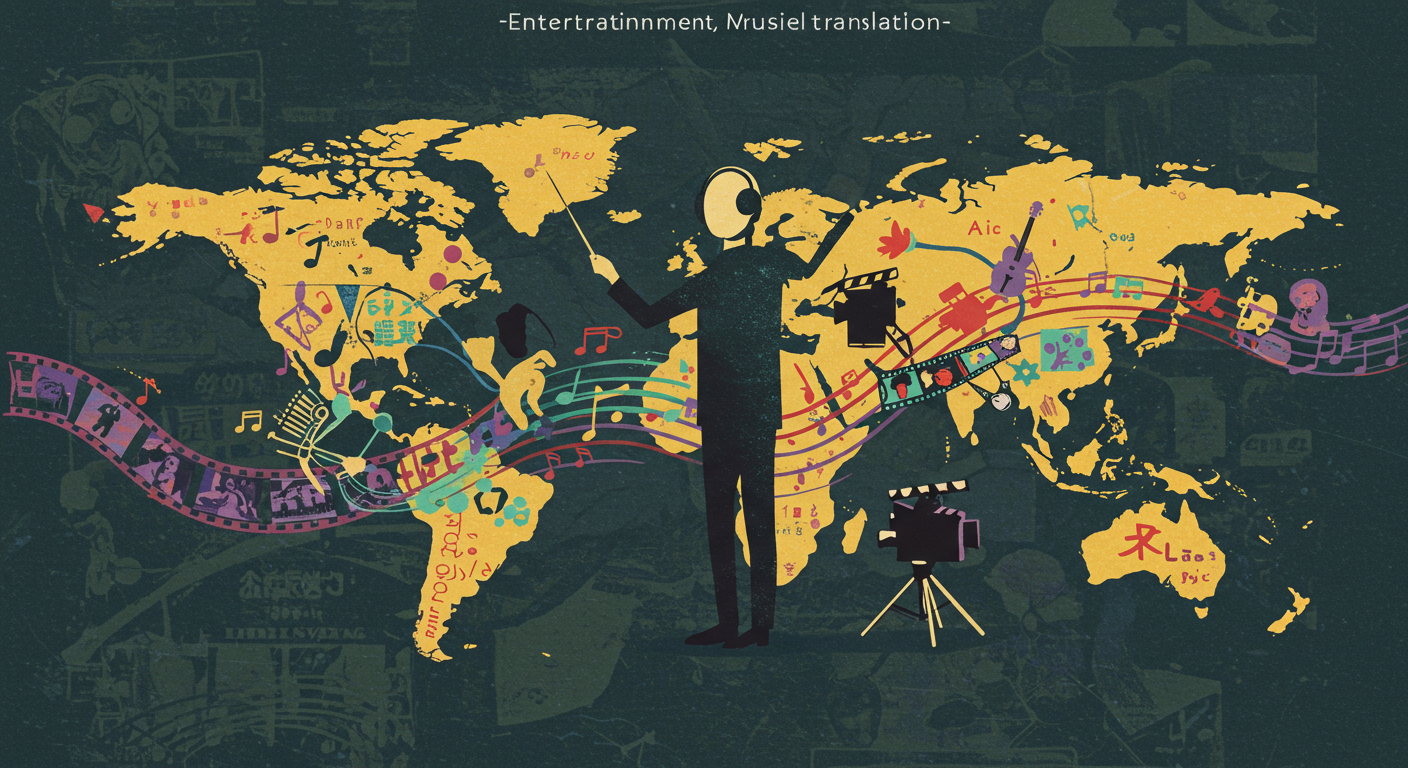
The global entertainment industry generates over $2 trillion annually, connecting audiences across continents through the universal languages of storytelling, music, and visual artistry. Behind every international blockbuster movie, chart-topping song, or viral streaming series lies a crucial element that many industry professionals overlook until distribution challenges arise: entertainment translation from movies to music, crossing borders with cultural authenticity and creative integrity.
When Netflix releases a Korean drama that captivates American audiences, or when a Hollywood film becomes a sensation in Latin America, the success depends on far more than star power or production budgets. Entertainment translation from movies to music, crossing borders requires specialized expertise that preserves artistic vision while adapting content for diverse cultural contexts, ensuring that emotional impact, humor, and cultural references translate effectively across different societies.
At Directline Translators, we’ve witnessed how expertly crafted entertainment translation transforms local productions into global phenomena while helping international content resonate with new audiences. Our specialized team understands that translating entertainment content goes beyond converting dialogue or lyrics—it involves cultural adaptation, creative localization, and maintaining the authentic voice that makes each piece of entertainment unique and compelling.
This comprehensive guide will take you through every aspect of professional entertainment translation, from understanding the nuances of subtitling and dubbing to navigating the complex world of music localization and gaming content adaptation. You’ll discover why investing in expert translation services isn’t just about reaching larger audiences—it’s about creating authentic connections that transcend language barriers and build lasting global entertainment brands that audiences around the world can truly appreciate and enjoy.
Understanding Entertainment Translation from Movies to Music, Crossing Borders Successfully
Professional entertainment translation from movies to music, crossing borders operates under fundamentally different principles than technical or business translation services. Creative content carries emotional weight, cultural significance, and artistic integrity that must be preserved while adapting for different linguistic and cultural contexts.
Movie and television translation involves multiple formats including subtitling, dubbing, voice-over, and closed captioning, each requiring different approaches and expertise levels. Subtitling demands precise timing, character limitations, and reading speed considerations while maintaining dialogue naturalness and emotional impact. Entertainment translation from movies to music, crossing borders must balance technical constraints with creative authenticity.
Music translation presents unique challenges because lyrics often involve wordplay, rhyme schemes, rhythm patterns, and cultural references that have no direct equivalents in target languages. Professional translators must possess both linguistic expertise and musical sensibility to create translations that work within existing melodies while preserving artistic meaning and emotional resonance.
Gaming content represents a rapidly growing entertainment translation sector that combines dialogue, user interface elements, marketing materials, and often voice acting coordination. Entertainment translation from movies to music, crossing borders in gaming requires understanding of gameplay mechanics, player psychology, and interactive storytelling techniques.
Cultural adaptation becomes particularly critical in entertainment translation because humor, social references, and storytelling conventions vary dramatically between societies. Professional translators must understand both source and target cultures deeply enough to adapt content while maintaining its entertainment value and artistic integrity.
Film and Television Translation in Entertainment Translation from Movies to Music, Crossing Borders
Film and television translation represents one of the most visible forms of entertainment translation from movies to music, crossing borders through streaming platforms, theatrical releases, and broadcast media. Different distribution channels require different translation approaches, from cinema subtitles that accommodate large screen viewing to mobile-optimized translations for streaming platforms.
Subtitle translation demands exceptional skill in condensing dialogue while preserving meaning, emotion, and character voice. Professional translators must work within strict character limits and timing constraints while ensuring that translated text remains readable and doesn’t obscure important visual elements. Entertainment translation from movies to music, crossing borders through subtitling requires understanding of reading speeds, cultural literacy levels, and technical display requirements.
Dubbing translation involves additional complexity because translated dialogue must match lip movements, emotional expressions, and character timing while maintaining natural speech patterns in target languages. Voice actor coordination becomes essential, requiring translators who understand both linguistic accuracy and vocal performance requirements.
Documentary translation presents unique challenges because factual content must remain accurate while remaining engaging for different cultural audiences. Entertainment translation from movies to music, crossing borders in documentaries requires balancing educational content with entertainment value while adapting cultural references and historical contexts.
Animation translation offers more flexibility in timing and lip-sync requirements but demands careful attention to character voice consistency, humor adaptation, and visual element integration. Professional translators must understand how animated characters communicate differently than live-action performers.
Music Industry Translation in Entertainment Translation from Movies to Music, Crossing Borders
Music translation represents one of the most artistically challenging aspects of entertainment translation from movies to music, crossing borders through global streaming platforms, international touring, and cross-cultural collaborations. Song lyrics require creative adaptation that maintains rhythmic structure, rhyme schemes, and emotional impact while working within existing musical arrangements.
Commercial music translation often involves creating entirely new lyrical content that captures the original song’s essence while appealing to target market preferences and cultural values. Entertainment translation from movies to music, crossing borders in commercial applications requires understanding of local music industry practices, radio formatting requirements, and audience expectations.
Classical and opera translation demands academic precision combined with artistic sensitivity because these works often have established performance traditions and scholarly interpretations. Professional translators must balance historical accuracy with contemporary accessibility while respecting traditional performance practices.
Album artwork, promotional materials, and artist biographies require cultural adaptation that maintains artistic authenticity while appealing to different market sensibilities. Entertainment translation from movies to music, crossing borders through marketing materials requires understanding of local music industry promotion practices and fan culture expectations.
Music video translation involves coordinating visual elements with translated content, ensuring that lyrical adaptations work with existing imagery and storytelling elements. Professional services must understand how visual and textual elements interact across different cultural contexts.
Gaming and Interactive Media in Entertainment Translation from Movies to Music, Crossing Borders
Gaming translation has emerged as a major component of entertainment translation from movies to music, crossing borders through global gaming platforms, mobile applications, and interactive entertainment experiences. Video games combine multiple translation challenges including dialogue, user interface elements, marketing materials, and often extensive world-building content.
Role-playing games and narrative-driven titles require extensive dialogue translation that maintains character voice consistency, plot coherence, and emotional engagement across potentially hundreds of hours of content. Entertainment translation from movies to music, crossing borders in gaming requires understanding of interactive storytelling techniques and player psychology.
Mobile gaming translation emphasizes user interface clarity, quick comprehension, and cultural appropriateness for casual gaming audiences. Professional translators must understand different gaming cultures and player expectations while maintaining gameplay functionality and user experience quality.
Multiplayer gaming environments require real-time communication support, community management content, and social interaction features that work across different cultural communication styles. Entertainment translation from movies to music, crossing borders in multiplayer environments requires understanding of online gaming communities and digital communication patterns.
Virtual reality and augmented reality content present emerging challenges that combine traditional entertainment translation with interactive technology requirements. Professional services must adapt their approaches to handle immersive experiences and spatial audio considerations.
Cultural Adaptation Strategies in Entertainment Translation from Movies to Music, Crossing Borders
Cultural adaptation goes beyond literal translation to ensure that entertainment content resonates authentically with target audiences while respecting local values, social norms, and cultural sensitivities. Entertainment translation from movies to music, crossing borders requires deep understanding of cultural contexts that affect how audiences interpret and respond to creative content.
Humor translation presents particular challenges because comedy relies heavily on cultural references, wordplay, and shared social understanding that may not exist across different societies. Professional translators must find creative alternatives that generate similar comedic effects while remaining appropriate for target cultures.
Religious and social sensitivity considerations affect how entertainment content can be adapted for different markets. Entertainment translation from movies to music, crossing borders requires understanding of local censorship requirements, cultural taboos, and social expectations that affect content acceptability.
Historical and political references often require careful adaptation because different societies have varying perspectives on historical events, political systems, and social issues. Professional translators must navigate these sensitivities while maintaining story integrity and artistic vision.
Food, fashion, and lifestyle references need cultural adaptation because consumer preferences, availability, and cultural significance vary dramatically between regions. Entertainment translation from movies to music, crossing borders requires understanding of local lifestyle contexts and consumer culture differences.
Technical Aspects of Entertainment Translation from Movies to Music, Crossing Borders
Technical requirements for entertainment translation vary significantly between different media formats and distribution channels. Entertainment translation from movies to music, crossing borders requires understanding of technical specifications, timing constraints, and quality standards that affect how translated content performs across different platforms and devices.
Subtitle formatting involves precise timing, character positioning, and display duration calculations that ensure optimal readability without interfering with visual content. Professional services must understand different subtitle formats, display technologies, and accessibility requirements for diverse audience needs.
Audio synchronization for dubbing and voice-over requires careful coordination between translation, voice recording, and post-production processes. Entertainment translation from movies to music, crossing borders through dubbed content requires understanding of audio engineering principles and voice performance techniques.
Digital file management and version control become critical when handling large entertainment projects with multiple stakeholders, revision cycles, and delivery deadlines. Professional translation services must maintain organized workflows that support collaborative review processes and efficient project completion.
Quality assurance testing across different devices, platforms, and viewing conditions ensures that translated entertainment content performs consistently regardless of how audiences access it. Entertainment translation from movies to music, crossing borders requires comprehensive testing procedures that validate technical performance and cultural appropriateness.
Marketing and Promotional Content in Entertainment Translation from Movies to Music, Crossing Borders

Entertainment marketing translation requires balancing promotional effectiveness with cultural authenticity to ensure that translated marketing materials generate audience interest while accurately representing the entertainment content. Entertainment translation from movies to music, crossing borders through marketing requires understanding of local advertising practices, consumer psychology, and promotional channel preferences.
Movie trailers and promotional videos need translation that maintains excitement, reveals appropriate plot information, and appeals to target market sensibilities while working within existing visual and audio elements. Professional translators must understand how different cultures respond to promotional messaging and entertainment marketing approaches.
Social media content requires cultural adaptation for different platforms, communication styles, and audience engagement practices. Entertainment translation from movies to music, crossing borders through social media requires understanding of platform-specific content formats, viral marketing techniques, and online community management practices.
Press releases and media kit materials need professional translation that maintains credibility with entertainment journalists, critics, and industry professionals while providing culturally appropriate information for local media outlets. Professional services must understand local entertainment industry practices and media relationship protocols.
Fan engagement materials including contests, promotional events, and interactive content require cultural adaptation that encourages participation while respecting local customs and legal requirements. Entertainment translation from movies to music, crossing borders through fan engagement requires understanding of different fan culture traditions and community building practices.
Voice Acting and Audio Content in Entertainment Translation from Movies to Music, Crossing Borders
Voice acting coordination represents a specialized aspect of entertainment translation from movies to music, crossing borders through dubbed content, audio dramas, and voiced interactive media. Professional translation services must work closely with voice directors, sound engineers, and performers to ensure that translated content maintains emotional authenticity and performance quality.
Character voice development requires understanding of how different languages express personality, emotion, and social status through vocal characteristics. Entertainment translation from movies to music, crossing borders through voice acting requires collaboration between translators and voice professionals to create authentic character portrayals.
Lip-sync optimization involves adjusting translated dialogue to match visual mouth movements while maintaining natural speech patterns and emotional expression. Professional translators must balance linguistic accuracy with visual synchronization requirements to create believable dubbed performances.
Audio drama and podcast translation requires different approaches because these media rely entirely on vocal performance and sound design to convey story and character information. Entertainment translation from movies to music, crossing borders through audio content requires understanding of how different languages use vocal techniques and sound elements.
Music and sound effect integration ensures that translated content works harmoniously with existing audio elements while maintaining the intended emotional and artistic impact. Professional services must coordinate translation with audio production teams to achieve optimal results.
Streaming Platform Requirements for Entertainment Translation from Movies to Music, Crossing Borders
Streaming platforms have revolutionized entertainment distribution and created new requirements for entertainment translation from movies to music, crossing borders through global digital delivery systems. Different platforms maintain specific technical standards, content guidelines, and localization requirements that affect translation approaches.
Netflix, Amazon Prime, Disney+, and other major platforms each have unique subtitle formatting requirements, quality standards, and content adaptation guidelines that professional translation services must understand and follow. Entertainment translation from movies to music, crossing borders through streaming requires platform-specific expertise and compliance knowledge.
Metadata translation including titles, descriptions, genre classifications, and search keywords affects content discoverability and audience engagement across different language markets. Professional translators must understand how different cultures search for and categorize entertainment content.
Content rating and classification systems vary between countries and require cultural understanding of local standards for violence, language, sexual content, and other potentially sensitive material. Entertainment translation from movies to music, crossing borders requires knowledge of rating system differences and adaptation strategies.
User interface localization ensures that streaming platform interfaces work effectively in different languages while maintaining user experience quality and navigation intuition. Professional services must understand digital user experience principles alongside traditional translation expertise.
Emerging Technologies in Entertainment Translation from Movies to Music, Crossing Borders
Artificial intelligence and machine learning technologies are beginning to impact entertainment translation workflows, though human creativity and cultural expertise remain essential for quality entertainment content adaptation. Entertainment translation from movies to music, crossing borders increasingly incorporates AI-assisted tools while maintaining human oversight for creative and cultural accuracy.
Real-time translation capabilities are being developed for live entertainment events, streaming broadcasts, and interactive gaming experiences. Professional services must adapt their approaches to support these emerging technologies while maintaining quality standards and cultural appropriateness.
Virtual and augmented reality entertainment requires new translation approaches that consider spatial audio, immersive experiences, and interactive storytelling elements. Entertainment translation from movies to music, crossing borders through VR and AR technologies requires understanding of three-dimensional content presentation and user interaction patterns.
Automated subtitle generation and voice synthesis technologies offer efficiency improvements but require human oversight to ensure cultural appropriateness and creative authenticity. Professional translation services must balance technological capabilities with human expertise to deliver optimal results.
Interactive translation tools and collaborative platforms enable more efficient coordination between translators, creative teams, and technical professionals during complex entertainment projects. Entertainment translation from movies to music, crossing borders benefits from these technological improvements while requiring skilled human professionals to guide the creative process.
The entertainment industry continues expanding globally, creating unlimited opportunities for content creators who understand the importance of professional translation and cultural adaptation services. Entertainment translation from movies to music, crossing borders serves as the essential bridge that transforms local creative works into global phenomena while helping international content find authentic connections with new audiences.
Professional entertainment translation represents an investment in creative authenticity, audience engagement, and global market expansion that pays dividends through increased distribution opportunities, audience growth, and brand development. As the entertainment landscape becomes increasingly global and interconnected, the companies and creators that thrive will be those that recognize the critical importance of expert translation services in building lasting connections with audiences worldwide.
FAQs On Entertainment Translation: From Movies to Music, Crossing Borders – Your Gateway to Global Entertainment Success:
1. How long does entertainment translation from movies to music, crossing borders typically take? Timeline varies significantly based on content type and complexity. Movie subtitles might require 3-7 days, while full dubbing projects could take several weeks. Music translation and gaming content often require 1-2 weeks depending on scope and cultural adaptation needs.
2. What makes entertainment translation from movies to music, crossing borders different from other translation types? Entertainment translation requires creative adaptation, cultural sensitivity, and artistic expertise beyond literal linguistic conversion. Translators must preserve emotional impact, humor, and cultural authenticity while adapting content for different audiences and technical requirements.
3. Can machine translation handle entertainment translation from movies to music, crossing borders effectively? Machine translation cannot handle the creative, cultural, and artistic nuances essential for entertainment content. Professional human expertise remains necessary for maintaining emotional authenticity, cultural appropriateness, and creative integrity in entertainment translation.
4. How much does professional entertainment translation from movies to music, crossing borders cost? Costs depend on content type, length, language combinations, and delivery requirements. Subtitling typically costs less than dubbing, while music translation and gaming content require specialized pricing based on creative complexity and cultural adaptation needs.
5. What qualifications should entertainment translators have for movies to music, crossing borders projects? Professional entertainment translators should have relevant cultural backgrounds, creative writing experience, and specialized training in entertainment industry practices. Many hold degrees in linguistics, media studies, or creative fields with extensive entertainment industry experience.
6. Do streaming platforms have specific requirements for entertainment translation from movies to music, crossing borders? Yes, major streaming platforms maintain unique technical specifications, quality standards, and content guidelines that affect translation approaches. Professional services must understand platform-specific requirements and compliance standards for successful content delivery.
7. How can entertainment companies ensure quality in translation from movies to music, crossing borders? Work with experienced professional services that offer creative review processes, cultural consultation, and entertainment industry expertise. Request portfolio samples, client references, and examples of similar project work before selecting translation partners.
8. What types of entertainment content require translation from movies to music, crossing borders services? Common content includes movies, TV shows, documentaries, music albums, video games, marketing materials, social media content, promotional videos, and interactive entertainment experiences across multiple platforms and distribution channels.
9. Can entertainment translation from movies to music, crossing borders be adapted for multiple markets simultaneously? Professional services can coordinate multi-language projects that adapt content for multiple target markets while maintaining creative consistency and brand authenticity. This approach often provides cost efficiencies and faster global distribution timelines.
10. How does cultural adaptation work in entertainment translation from movies to music, crossing borders? Cultural adaptation involves modifying content to resonate authentically with target audiences while preserving original artistic intent. This includes adapting humor, references, social contexts, and cultural elements to ensure entertainment value translates effectively across different societies.