
 directlineauthors
Poland stands as one of Europe’s most dynamic economic success stories, representing the largest market in Central and Eastern Europe with over 38 million Polish speakers primarily concentrated in Poland, plus significant communities across the United States, United Kingdom, Germany, and other European nations.
This expanding market offers exceptional opportunities for businesses ready to invest in professional translation services that can bridge linguistic and cultural gaps.
Polish translation services have become the gateway for international companies seeking to access one of Europe’s fastest-growing consumer markets.
Polish consumers demonstrate strong preferences for content in their native language, with research showing that 78% of Polish internet users prefer websites in Polish over English, even among those with strong English skills. This preference creates substantial opportunities for businesses that prioritize quality Polish translation over generic or automated solutions.
The Polish language presents unique challenges with its complex grammatical structure, including seven cases, intricate verb conjugations, and pronunciation patterns that differ significantly from Western European languages.
These linguistic complexities mean that Polish translation requires specialized expertise that goes far beyond basic word conversion. Amateur translations or automated tools simply cannot capture the nuances that make Polish communication effective and culturally appropriate.
Polish translation opens doors to a market that has experienced consistent economic growth for over three decades, making it the only European Union country to avoid recession during the 2008 financial crisis. This remarkable economic resilience, combined with increasing consumer spending power and digital adoption, makes Poland an attractive target for international expansion.
This comprehensive guide will show you how professional Polish translation services can accelerate your entry into this growing European market and help you capitalize on opportunities that many businesses overlook.
Professional Polish Translation Services for Central European Market Access
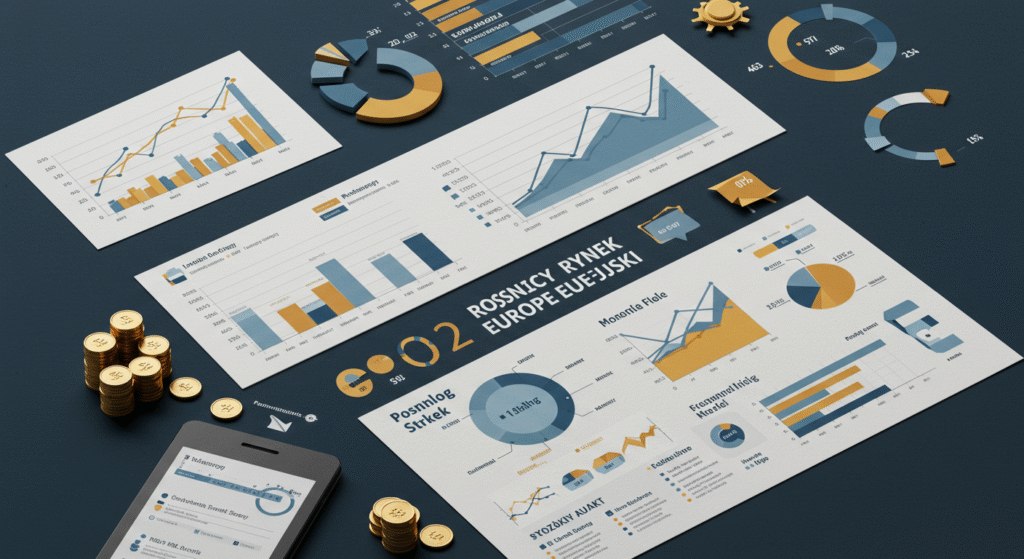
Central European market expansion through Poland offers strategic advantages that extend throughout the region. Polish translation services provided by experienced professionals create the foundation for successful business development in one of Europe’s most promising markets. Poland’s position as the economic leader in Central Europe and its strong trade relationships make it an ideal entry point for companies targeting broader regional expansion.
Professional Polish translation addresses the linguistic complexities that make Polish one of Europe’s more challenging languages for international businesses. With seven grammatical cases, complex consonant clusters, and subtle pronunciation variations that affect meaning, Polish requires translators who possess both deep linguistic expertise and cultural understanding.
When Directline Translators handles your Polish translation projects, you gain access to native speakers who understand the technical demands of the language while appreciating the cultural context that drives business success.
Poland’s economy has transformed dramatically since joining the European Union in 2004, with particular strengths in manufacturing, information technology, financial services, and consumer goods. These diverse industries demand precise business communication that amateur Polish translation cannot provide.
Professional translation ensures your business communications meet the sophisticated standards that Polish professionals and consumers expect in today’s competitive marketplace.
Market data indicates that companies investing in professional Polish translation services typically achieve 35% higher market penetration rates compared to those relying on basic translation approaches. This significant difference reflects the Polish market’s appreciation for businesses that invest in quality communication and cultural understanding.
Understanding Polish Translation Requirements for Business Growth
Polish translation requirements vary significantly based on industry focus, target audience, and business objectives. Understanding these diverse requirements helps companies develop effective translation strategies that align with their market entry goals while maximizing return on investment.
Legal Polish translation demands certified professionals familiar with Poland’s legal system and regulatory environment. Polish legal documents follow specific formatting conventions and employ specialized terminology that differs from other European legal frameworks. Business contracts, compliance documentation, and intellectual property filings require absolute precision to prevent costly legal complications or regulatory delays.
Marketing Polish translation focuses on cultural adaptation that resonates with Polish consumer values and preferences. Polish consumers respond positively to communication that reflects their cultural pride, family values, and appreciation for quality and craftsmanship. Successful marketing translations capture brand personality while respecting Polish cultural sensitivities and communication styles.
Technical Polish translation serves Poland’s growing technology and manufacturing sectors with documentation that must be both accurate and accessible. Technical translators must understand complex concepts while communicating them clearly to Polish-speaking audiences. The precision required for technical documentation directly impacts user safety, product adoption, and regulatory compliance.
E-commerce Polish translation encompasses product descriptions, customer service materials, payment processing information, and user interface elements. Polish online shoppers expect detailed product information and clear purchasing processes. Professional translation ensures these expectations are met while optimizing content for Polish search engines and consumer behavior patterns.
Polish Translation Strategies for Effective Market Penetration
Successful Polish market penetration requires translation strategies that address both linguistic challenges and cultural expectations unique to Polish consumers and business practices. Companies that achieve lasting success develop comprehensive approaches that integrate translation with broader market entry planning and cultural understanding.
Content localization forms the foundation of effective Polish translation strategies by adapting materials to reflect Polish cultural values, historical context, and contemporary social dynamics. This process considers Polish holidays, seasonal purchasing patterns, and cultural references that influence consumer decision-making. Effective localization demonstrates respect for Polish culture while building emotional connections with target audiences.
Brand messaging adaptation for Polish markets requires balancing global consistency with local relevance and cultural appropriateness. Polish consumers appreciate authenticity and tend to respond positively to brands that acknowledge Polish achievements and cultural contributions. Successful brand adaptation maintains core identity while adjusting messaging tone and cultural references to match Polish preferences and expectations.
Market timing considerations play a crucial role in Polish translation strategy success. Poland has distinct seasonal business cycles, consumer behavior patterns, and cultural events that influence when and how to launch translated content. Understanding these patterns helps optimize translation project timing for maximum market impact and consumer engagement.
Quality standardization across all Polish translation projects builds credibility and trust with local audiences while supporting long-term business relationships. This requires establishing comprehensive style guides, terminology databases, and review processes that ensure consistent quality over time. Consistent quality demonstrates commitment to the Polish market and supports sustainable business growth.
Selecting Superior Polish Translation Partners for European Success

Choosing the right Polish translation partner determines whether your European expansion achieves its objectives or struggles against linguistic and cultural barriers. The translation industry includes numerous providers, but few possess the combination of linguistic expertise, cultural insight, and business understanding necessary for successful Polish market entry.
Native speaker requirements should be absolutely non-negotiable when selecting Polish translation services. The complexity of Polish grammar and the importance of cultural nuance require translators who learned Polish as their first language. Native speakers possess intuitive understanding of linguistic subtleties and cultural references that non-native speakers cannot replicate regardless of their training or experience level.
Industry expertise becomes particularly valuable in Polish translation due to the country’s diverse economic landscape and specialized terminology requirements. Translators with experience in manufacturing, technology, financial services, or healthcare understand sector-specific communication conventions and regulatory requirements that generic translators might overlook. Specialized knowledge prevents costly errors while ensuring professional presentation.
Technology capabilities distinguish modern Polish translation providers from outdated services that rely solely on manual processes. Advanced computer-assisted translation tools, collaborative platforms, and quality assurance systems streamline workflows while maintaining consistency across complex projects. These technologies reduce costs and accelerate delivery timelines without compromising translation quality.
Project management expertise ensures smooth coordination between your team and Polish translation providers throughout complex multilingual initiatives. Experienced project managers understand Polish business culture, coordinate multiple stakeholders, and maintain clear communication channels that prevent delays and misunderstandings. Strong project management translates directly into better business outcomes.
Polish Translation Technology and Modern Solutions for Business Efficiency
Modern Polish translation leverages advanced technology to address linguistic complexity while maintaining the human insight necessary for effective business communication. Understanding available technology options helps businesses optimize their translation approach and select providers who can deliver both efficiency and quality.
Computer-assisted translation tools designed specifically for Polish language handle the grammatical complexity more effectively than generic systems. These specialized tools understand Polish case structures, verb conjugations, and morphological patterns that confuse standard translation software. Advanced CAT tools improve translator productivity while maintaining accuracy standards essential for business communication.
Translation memory systems prove particularly valuable for Polish translation due to the language’s morphological richness and complex grammatical structures. Polish words can take numerous forms depending on grammatical context, making translation memory especially effective at identifying patterns and ensuring consistency across large projects. Companies with ongoing Polish translation needs achieve substantial cost savings through effective translation memory implementation.
Quality assurance automation specifically calibrated for Polish language identifies potential errors in grammar, terminology, and style that human reviewers might miss during initial review. Automated quality checks supplement human expertise by catching inconsistencies in case usage, verb conjugations, and terminology applications. This technology improves overall translation quality while reducing review time and costs.
Collaborative platforms enable real-time cooperation between translators, reviewers, and clients while providing transparency into project progress and quality metrics. These platforms facilitate immediate feedback, version control, and stakeholder communication that keeps projects moving efficiently toward completion. Modern collaboration tools make the translation process more responsive to client needs and market demands.
Cultural Adaptation in Polish Translation for Market Leadership
Cultural adaptation transforms competent translations into communications that truly connect with Polish audiences on emotional and psychological levels. This deeper understanding of Polish culture, values, and communication preferences creates competitive advantages that extend far beyond basic language conversion capabilities.
Polish communication style emphasizes respect, formality in business contexts, and appreciation for detailed information that demonstrates thoroughness and competence. Successful Polish translation adapts content to match these cultural preferences while maintaining appropriate professional tone throughout all business communications. This adaptation affects everything from email correspondence to marketing campaigns and customer service interactions.
Historical awareness plays an important role in Polish cultural communication, as Polish people take pride in their country’s rich history and cultural achievements. Translation that acknowledges this cultural pride while avoiding sensitive historical topics demonstrates respect and cultural intelligence. Professional translators understand these cultural dynamics and adapt content appropriately.
Business relationship development in Poland relies on trust-building through consistent, reliable communication rather than aggressive sales approaches. Polish translation must reflect this cultural approach by focusing on information sharing, relationship building, and demonstrating long-term commitment to the market. Understanding these relationship dynamics helps create more effective business communications.
Consumer behavior patterns specific to Polish markets require translation approaches that align with local shopping habits, decision-making processes, and customer service expectations. Polish consumers tend to research purchases thoroughly and value detailed product information, warranty terms, and customer support availability. Translation strategies must address these preferences to achieve maximum effectiveness.
Industry-Specific Polish Translation Applications and Expertise
Different industries operating in Poland require specialized Polish translation approaches that address sector-specific challenges, regulatory requirements, and communication conventions. Understanding industry-specific needs helps businesses select appropriate translation services while setting realistic expectations for project outcomes and timelines.
Manufacturing Polish translation supports Poland’s position as a major European manufacturing hub with technical documentation, safety manuals, quality systems, and regulatory compliance materials. Manufacturing translators must understand complex industrial processes while ensuring compliance with Polish and European safety standards. The precision required for manufacturing translation directly impacts worker safety and product quality.
Financial services Polish translation covers banking products, investment materials, insurance policies, and regulatory filings required for operation in Polish financial markets. Financial translators must understand complex financial concepts while ensuring compliance with Polish financial regulations and consumer protection requirements. Accuracy in financial translation prevents regulatory issues and builds consumer confidence.
Healthcare Polish translation involves medical terminology, patient communications, pharmaceutical documentation, and regulatory compliance materials for Poland’s healthcare system. Medical translators must understand both medical concepts and Polish healthcare regulations to produce accurate, compliant translations that meet strict safety and quality standards.
Technology Polish translation serves Poland’s rapidly growing IT sector with software localization, technical documentation, user interface translation, and customer support materials. Technology translators must understand complex technical concepts while making them accessible to Polish-speaking users across different technical skill levels.
Cost-Effective Polish Translation Solutions for Expanding Businesses
Managing Polish translation costs while maintaining quality requires strategic approaches that balance budget constraints with market entry objectives and long-term growth plans. Smart businesses find ways to optimize translation investments for maximum return while building foundations for sustained market success.
Project phasing allows companies to prioritize high-impact content while deferring less critical translations until resources become available. This approach enables faster market entry with limited budgets while building comprehensive translation programs over time. Effective phasing requires careful content analysis and strategic prioritization based on business impact and market requirements.
Translation memory investment delivers particularly strong returns for Polish translation due to the language’s morphological complexity and the resulting opportunities for content reuse. While initial setup costs may be higher, translation memory systems significantly reduce costs for future projects by leveraging previously translated content. Companies with regular translation needs typically recover translation memory investments within 10-14 months.
Volume optimization enables economies of scale in Polish translation services by bundling multiple projects or combining translation needs across different departments. Volume bundling often results in significant discounts and improved project management efficiency. This approach works especially well for companies with diverse translation requirements across various business functions.
Strategic partnerships with Polish translation providers typically result in preferential pricing, priority scheduling, and improved service levels over time. Providers value consistent clients and usually offer better rates for companies committed to ongoing relationships. These partnerships also improve translation quality through familiarity with client preferences, industry requirements, and brand guidelines.
Polish Translation Quality Assurance and Excellence Standards
Quality assurance processes determine the ultimate success of Polish translation projects and directly impact business outcomes in this competitive market. Implementing comprehensive quality control measures ensures translations meet professional standards while supporting broader business objectives and market credibility.
Multi-stage review processes address Polish language complexity through systematic evaluation at different levels of linguistic and cultural accuracy. Typical review stages include initial translation, grammatical accuracy check, cultural appropriateness assessment, and final proofreading for style and consistency. Each stage focuses on different quality aspects while building toward final excellence.
Native speaker validation ensures translations sound natural and culturally appropriate to Polish audiences across different regions and demographic groups. Even technically accurate translations benefit from native speaker perspective on tone, style, and cultural nuances that can significantly impact market acceptance. Native speaker review becomes especially important for marketing materials and customer-facing content.
Terminology management creates consistency standards for ongoing Polish translation projects while building valuable linguistic resources for future use. Terminology databases specify preferred translations for industry-specific terms, brand names, and technical concepts that appear frequently across business communications. Well-managed terminology improves efficiency while ensuring brand consistency.
Performance monitoring systems track translation effectiveness through market feedback, customer responses, and measurable business outcomes. Companies that actively monitor translation performance and incorporate feedback into future projects see continuous improvement in results and better return on translation investments over time.
Polish Translation Project Management for Optimal Results
Effective project management makes the difference between successful Polish translation initiatives and frustrating experiences that fail to meet business objectives or delivery requirements. Understanding project management best practices helps businesses collaborate more effectively with translation providers while achieving superior results within budget and timeline constraints.
Timeline planning requires realistic understanding of Polish translation complexity and quality requirements specific to different content types. The grammatical intricacy of Polish typically requires more time than simpler languages, particularly for complex technical or legal content. Experienced project managers balance speed requirements with quality considerations while establishing achievable deadlines.
Communication frameworks establish clear expectations for project updates, revision processes, and approval procedures that keep all stakeholders informed and engaged. Well-defined communication protocols reduce misunderstandings and maintain project momentum while ensuring quality standards remain uncompromised. Regular communication also identifies potential issues early, enabling proactive resolution.
Resource coordination ensures appropriate expertise matches project requirements throughout the translation process from initial planning through final delivery. Complex projects may require multiple specialists including translators, cultural consultants, technical reviewers, and proofreaders. Proper resource coordination prevents bottlenecks while maintaining quality standards across all project phases.
Risk mitigation planning identifies potential challenges and develops contingency strategies for common translation project complications. Effective risk management prevents minor issues from becoming major delays while ensuring quality standards remain consistent throughout the project lifecycle. Proactive risk management translates directly into better business outcomes and client satisfaction.
Measuring Polish Translation Success and Return on Investment
Measuring translation success helps businesses optimize their Polish market strategies while demonstrating the tangible value of translation investments to stakeholders and decision-makers. Effective measurement requires establishing clear metrics and tracking systems that connect translation activities directly to business outcomes and market performance.
Market penetration metrics track how Polish translation efforts contribute to measurable business growth in target markets and customer segments. Key performance indicators include website traffic from Polish-speaking regions, lead generation rates, conversion improvements, customer acquisition costs, and revenue attribution. These metrics directly connect translation investments to quantifiable business results.
Customer satisfaction measurements reveal how effectively Polish translations resonate with target audiences and support positive customer experiences. Customer feedback surveys, support interaction quality ratings, user experience metrics, and retention rates provide insights into translation effectiveness and market acceptance. High satisfaction typically correlates with successful market penetration and sustainable growth.
Revenue impact analysis quantifies the financial benefits of Polish translation investments by tracking revenue performance in Polish-speaking markets before and after professional translation implementation. Most businesses implementing comprehensive Polish translation strategies see positive return on investment within 12-18 months, with many achieving 25-40% revenue increases in target markets.
Competitive advantage assessment reveals how Polish translation efforts compare to competitor approaches while identifying opportunities for market differentiation and improved positioning. Understanding competitive dynamics helps refine translation strategies for maximum effectiveness while maintaining sustainable competitive advantages in evolving markets.
Professional Polish translation represents a strategic investment that opens access to one of Europe’s most dynamic and fastest-growing markets. Companies that establish strong Polish translation capabilities position themselves for sustained success throughout Central Europe while capitalizing on opportunities that many international businesses miss entirely due to linguistic and cultural barriers.
Directline Translators brings specialized expertise in Polish translation that combines native linguistic mastery with deep cultural understanding and proven business acumen. Our experienced Polish translators understand both the technical complexity of the language and the cultural nuances that drive business success in Poland’s competitive marketplace. Contact us today to discuss how professional Polish translation can accelerate your European expansion and connect you with the substantial opportunities that Poland’s growing market offers international businesses.
FAQs On Polish Translation: Growing European Market:

1. What makes Polish translation more challenging than other European languages? Polish features seven grammatical cases, complex consonant clusters, and intricate verb conjugation patterns that create unique translation challenges. These linguistic complexities require specialized expertise that generic translation services cannot provide effectively for business-critical communications.
2. How long does professional Polish translation typically take for business documents? Polish translation timelines depend on document complexity and length. Simple business correspondence might require 1-2 days, while complex technical or legal documentation could need 1-2 weeks. The grammatical complexity of Polish often extends translation time compared to simpler European languages.
3. What qualifications should Polish translators have for professional business projects? Look for native Polish speakers with relevant industry experience, professional translation certifications, and proven track records in business translation. Certified translators with specialized knowledge in your specific industry typically produce the highest quality results for business-critical communications.
4. Can automated translation tools effectively handle Polish for business purposes? Automated translation tools struggle significantly with Polish due to its complex grammar and morphological variations. While these tools might handle very basic content, business-critical communications require human expertise to ensure accuracy, cultural appropriateness, and professional presentation standards.
5. What should I budget for professional Polish translation services? Polish translation costs typically range from $0.12-$0.25 per word for standard business documents, with specialized technical or legal translations potentially costing more due to additional expertise requirements. Volume discounts and ongoing partnerships often reduce per-word costs significantly.
6. How important is cultural adaptation for Polish market success? Cultural adaptation is crucial for Polish market success. Polish consumers value respect for their culture, detailed information, and authentic communication. Translations that ignore these cultural preferences often fail to achieve desired market penetration regardless of linguistic accuracy.
7. What industries benefit most from professional Polish translation? All industries benefit from professional Polish translation, but manufacturing, financial services, technology, and healthcare companies often see particularly strong returns due to Poland’s economic strengths in these sectors and strict regulatory requirements.
8. How can I ensure consistency across multiple Polish translation projects? Consistency requires translation memories, terminology databases, and comprehensive style guides specifically designed for Polish language complexity. Working with the same translation team and implementing thorough quality assurance processes also helps maintain consistent results over time.
9. What file formats can Polish translators typically handle? Professional Polish translation services handle all standard business formats including Word documents, PDFs, PowerPoint presentations, Excel spreadsheets, web content, and various multimedia formats. Advanced providers also support specialized formats for software localization and technical documentation.
10. What return on investment can I expect from Polish translation services? Most businesses see measurable improvements in Polish market performance within 12-18 months of implementing professional translation strategies. Typical ROI includes increased website engagement, improved conversion rates, and revenue growth, with many companies achieving 25-40% increases in Polish market performance.