
 directlineauthors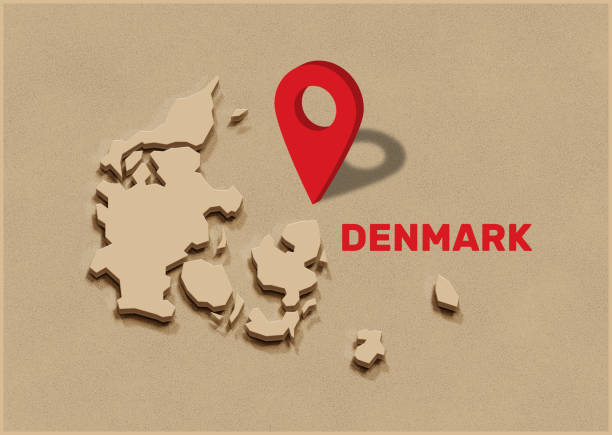
Denmark stands as one of Europe’s most economically stable countries, offering tremendous opportunities for businesses looking to expand their reach. Danish translation services have become increasingly vital as companies recognize the potential within Nordic markets. The Danish economy, worth over $350 billion annually, presents unique challenges and rewards for international businesses seeking authentic connections with Danish consumers and partners.
Understanding the Danish market requires more than surface-level knowledge. Danish translation goes beyond simple word conversion – it requires cultural sensitivity, business acumen, and deep understanding of local customs. Companies that invest in professional Danish translation services often see significantly higher engagement rates, better customer satisfaction, and stronger business relationships compared to those using generic translation approaches.
At Directline Translators, we’ve witnessed firsthand how proper Danish translation can transform business outcomes. Our experience spans various industries, from renewable energy companies entering the Danish green tech sector to fashion brands launching in Copenhagen’s competitive retail market. Each project teaches us more about the nuances that make Danish translation both challenging and rewarding.
What makes Danish translation particularly interesting is Denmark’s position as a bridge between Scandinavian and continental European markets. Success in Denmark often opens doors to Norway, Sweden, and other Nordic countries, making Danish translation a strategic investment rather than just a communication tool. The following comprehensive guide will show you exactly how professional Danish translation can transform your Nordic market approach and drive sustainable business growth.
Why Danish Translation Matters for Nordic Market Success
Nordic markets represent some of the world’s wealthiest consumer bases, and Danish translation serves as your gateway to this lucrative region. Denmark consistently ranks among the top countries for ease of doing business, but language barriers can quickly derail promising opportunities. Professional Danish translation removes these barriers while respecting cultural nuances that matter deeply to Danish consumers and business partners.
The Danish language contains subtle distinctions that machine translation simply cannot capture. For instance, the concept of “hygge” – that warm, cozy feeling central to Danish culture – has no direct English equivalent. Professional translators understand how to convey such cultural concepts appropriately across different contexts, whether you’re marketing lifestyle products or negotiating business contracts.
Danish consumers are highly educated and sophisticated in their purchasing decisions. They can immediately detect when translation feels artificial or culturally tone-deaf. Research shows that 73% of Danish consumers prefer to buy products with information available in their native language, and 65% are more likely to make repeat purchases from companies that demonstrate cultural understanding through quality translation.
Business relationships in Denmark operate on principles of trust, transparency, and mutual respect. Danish translation that captures these values can mean the difference between a successful partnership and a missed opportunity. Danish business culture values directness but wrapped in politeness – a balance that requires skilled translation to maintain appropriately.
Understanding Danish Translation Complexities and Cultural Nuances
Danish translation presents unique linguistic challenges that distinguish it from other Scandinavian languages. While Danish shares roots with Norwegian and Swedish, it has evolved distinctive characteristics that require specialized knowledge. The pronunciation differs significantly from spelling, creating translation considerations that affect everything from marketing materials to audio content.
Grammar structures in Danish can be particularly tricky for translators. The language uses two grammatical genders and has specific rules about definite articles that attach to nouns as suffixes. These grammatical elements must be handled correctly to maintain professional credibility. Additionally, Danish sentence structure can be more flexible than English, allowing for emphasis and tone variations that skilled translators use to match the original message’s intent.
Cultural context plays an enormous role in effective Danish translation. Danes value equality, environmental consciousness, and work-life balance. These values permeate business communications, marketing messages, and even technical documentation. A translator who understands these cultural priorities can adapt messaging to resonate authentically with Danish audiences.
Regional variations within Denmark also influence translation choices. While standard Danish is understood nationwide, subtle regional preferences can affect how messages are received. Copenhagen Danish might emphasize innovation and modernity, while translations for Jutland audiences might focus more on tradition and reliability. Professional Danish translation services account for these regional considerations when appropriate.
Professional Danish Translation Services: What Sets Excellence Apart
Excellence in Danish translation requires a combination of linguistic expertise, cultural knowledge, and industry specialization. Professional services go far beyond literal translation, offering cultural adaptation that ensures your message resonates authentically with Danish audiences. The best Danish translation providers employ native speakers who understand both source and target cultures intimately.
Quality Danish translation services implement rigorous quality control processes. This typically includes initial translation by a qualified native speaker, review by a second linguist, and final proofreading by a third professional. This multi-layer approach catches errors, ensures consistency, and refines the cultural appropriateness of the final product.
Specialization makes a significant difference in Danish translation quality. Technical documents require translators familiar with industry terminology, while marketing materials need professionals who understand persuasive techniques that work in Danish culture. Legal translations demand expertise in both Danish and international law, ensuring accuracy that could affect contract validity or regulatory compliance.
Technology integration enhances modern Danish translation services without replacing human expertise. Computer-assisted translation tools help maintain consistency across large projects, while translation memory systems ensure that previously translated phrases remain consistent throughout your materials. However, human oversight remains critical for cultural nuances and creative adaptations that technology cannot handle.
Danish Translation for Business Documents and Legal Requirements
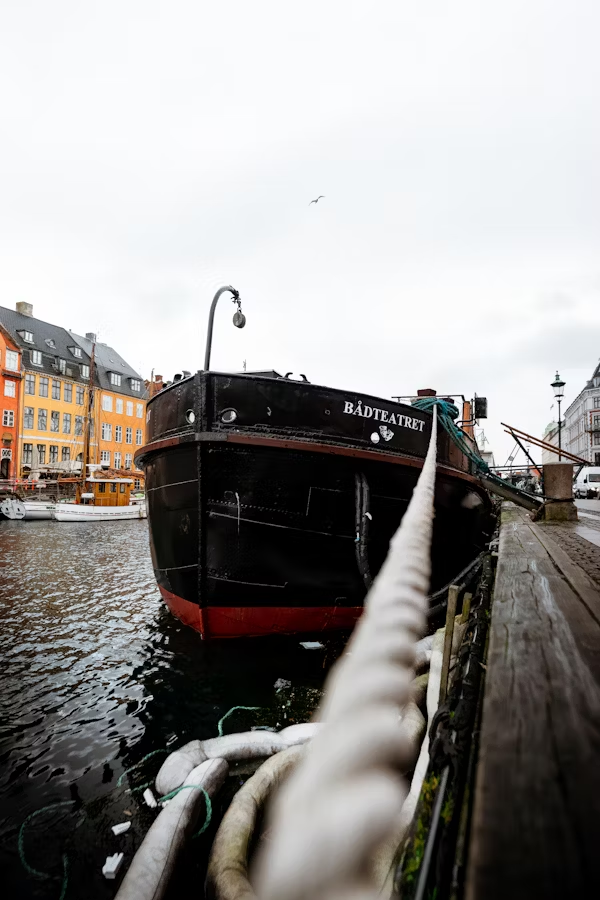
Business success in Denmark often depends on properly translated documentation that meets both cultural expectations and legal requirements. Danish translation for business documents requires understanding of Danish corporate culture, legal frameworks, and communication styles that differ from international norms.
Contract translation represents one of the most critical areas of Danish translation. Danish business law has specific requirements and interpretations that must be reflected accurately in translated agreements. Mistranslations in contracts can lead to disputes, financial losses, or regulatory issues. Professional Danish translation ensures that legal terms are rendered correctly while maintaining the original agreement’s intent and enforceability.
Financial documents require particular attention in Danish translation. Denmark’s advanced banking system and regulatory environment demand precise terminology and format compliance. Whether translating annual reports, investment proposals, or financial statements, accuracy in Danish translation directly impacts credibility and regulatory acceptance.
Corporate communications benefit enormously from culturally appropriate Danish translation. Danish business culture values transparency and direct communication, but within frameworks of politeness and mutual respect. Press releases, internal communications, and stakeholder reports must be translated to match these cultural expectations while maintaining the original message’s effectiveness.
Marketing and Advertising Through Effective Danish Translation
Marketing success in Denmark requires Danish translation that goes beyond literal conversion to create emotionally resonant messaging. Danish consumers respond to authenticity, sustainability messaging, and brands that demonstrate genuine understanding of Danish values and lifestyle preferences.
Danish advertising culture tends to be more subtle than many international markets. Aggressive sales tactics often backfire, while gentle persuasion and lifestyle integration perform much better. Danish translation for marketing materials must capture this cultural preference, adapting messaging tone and approach to match local expectations while maintaining brand identity.
Digital marketing presents unique Danish translation challenges. SEO considerations require understanding of Danish search patterns, keyword preferences, and content structures that perform well with Danish search engines. Social media content needs Danish translation that feels natural and engaging while respecting platform-specific communication styles popular in Denmark.
Brand names and slogans sometimes require creative adaptation rather than direct Danish translation. Some concepts or wordplay that work in English may not translate effectively, requiring creative alternatives that maintain brand essence while resonating with Danish audiences. This type of transcreation requires deep cultural understanding combined with creative marketing skills.
Technical and Medical Danish Translation Expertise
Technical industries require Danish translation services with specialized knowledge of industry terminology, regulatory requirements, and communication standards specific to Danish technical environments. Denmark’s advanced technology sector and strict quality standards demand translation accuracy that meets both linguistic and technical specifications.
Medical Danish translation carries particular responsibility due to patient safety implications and regulatory compliance requirements. Danish healthcare systems have specific documentation requirements, terminology standards, and communication protocols that must be reflected accurately in translated materials. Medical device documentation, pharmaceutical information, and healthcare communications all require specialized Danish translation expertise.
Engineering and manufacturing documentation needs Danish translation that maintains technical precision while adapting to Danish industrial standards and practices. Safety documentation, operating instructions, and technical specifications must be translated with absolute accuracy to ensure proper implementation and regulatory compliance in Danish industrial environments.
Software and technology Danish translation requires understanding of user interface conventions, help documentation standards, and technical communication styles preferred by Danish users. Danish technology users have high expectations for localization quality, and poor Danish translation in software can significantly impact user adoption and satisfaction rates.
Danish Translation Pricing: Understanding Value and Investment Returns
Danish translation pricing varies significantly based on complexity, specialization, timeline, and quality requirements. Understanding pricing structures helps businesses make informed decisions about Danish translation investments and expected returns on those investments.
Word count traditionally forms the basis for Danish translation pricing, but complexity factors significantly influence final costs. Technical documents, legal materials, and creative content typically command higher rates due to specialized expertise requirements. Rush projects may include urgency surcharges, while larger volumes often qualify for quantity discounts.
Quality levels directly impact Danish translation pricing and outcomes. Basic translation services focus primarily on linguistic accuracy, while premium services include cultural adaptation, style matching, and comprehensive quality assurance. The price difference often reflects the translator’s experience, specialization, and the review processes included in the service.
Return on investment for professional Danish translation can be substantial when calculated properly. Businesses often see increased conversion rates, reduced customer service issues, and improved brand perception that more than offset translation costs. Danish market penetration success rates are significantly higher for companies investing in quality translation versus those using basic or machine translation approaches.
Choosing the Right Danish Translation Partner for Long-term Success

Selecting an appropriate Danish translation partner requires evaluating multiple factors beyond basic pricing and turnaround times. The right partnership can significantly impact your Danish market success, while poor choices can create ongoing challenges and missed opportunities.
Experience in your specific industry should be a primary consideration when choosing Danish translation services. Translators familiar with your sector understand terminology, regulatory requirements, cultural considerations, and communication styles that affect translation quality and market reception. Industry experience often proves more valuable than general translation skills alone.
Quality assurance processes distinguish professional Danish translation services from basic providers. Look for companies offering multi-stage review processes, native speaker verification, and cultural appropriateness checks. Quality guarantees and revision policies indicate confidence in service delivery and commitment to client satisfaction.
Technology capabilities can enhance Danish translation consistency and efficiency. Modern translation services often use computer-assisted translation tools, translation memory systems, and project management platforms that improve accuracy and reduce costs for ongoing projects. However, technology should supplement rather than replace human expertise.
Danish Translation Quality Assurance and Accuracy Standards
Quality assurance in Danish translation requires systematic approaches that ensure both linguistic accuracy and cultural appropriateness. Professional services implement multiple checkpoints to catch errors, inconsistencies, and cultural misunderstandings before final delivery.
Native speaker involvement is fundamental to quality Danish translation. While bilingual speakers may understand both languages, native Danish speakers possess intuitive understanding of cultural nuances, colloquial expressions, and communication styles that non-natives might miss. Quality services ensure native speaker participation in both translation and review processes.
Consistency across projects becomes increasingly important as your Danish market presence grows. Translation memory systems help maintain terminology consistency, while style guides ensure that tone and approach remain consistent across different types of content. This consistency builds brand recognition and professional credibility with Danish audiences.
Accuracy verification involves multiple review stages, including linguistic accuracy checks, cultural appropriateness reviews, and final proofreading. Some services also offer back-translation verification, where translated content is translated back to the original language to identify potential meaning shifts or errors that might have been missed in standard review processes.
Future Trends in Danish Translation and Nordic Market Expansion
Danish translation services continue evolving with technological advances, changing business practices, and shifting cultural expectations. Understanding these trends helps businesses prepare for future Danish market opportunities and translation service needs.
Artificial intelligence is beginning to influence Danish translation services, but human expertise remains critical for cultural nuances and creative adaptations. AI tools increasingly assist with initial translations and consistency checking, but professional review and cultural adaptation by human experts continue to be necessary for quality results that meet Danish market expectations.
Multimedia content creation drives demand for specialized Danish translation services. Video content, interactive applications, and virtual reality experiences require translation approaches that consider visual elements, timing constraints, and user experience factors. These emerging content types need Danish translation expertise that extends beyond traditional document translation.
Sustainability considerations are becoming increasingly important in Danish translation service selection. Danish companies and consumers increasingly prefer working with service providers who demonstrate environmental responsibility and sustainable business practices. This trend influences both service provider selection and content adaptation for Danish audiences.
Real-time translation capabilities are expanding, but Danish translation quality still requires careful human oversight. While instant translation tools improve, complex business communications, legal documents, and marketing materials still benefit from professional Danish translation services that can ensure accuracy and cultural appropriateness.
The Danish market represents a gateway to broader Nordic expansion opportunities. Success in Denmark often facilitates entry into Norwegian and Swedish markets, making Danish translation investment a strategic foundation for regional growth. Understanding these market connections helps businesses develop comprehensive Nordic expansion strategies.
Professional Danish translation services from providers like Directline Translators offer the expertise, cultural understanding, and quality assurance necessary for sustainable Danish market success. The investment in quality translation pays dividends through improved market penetration, stronger business relationships, and sustainable competitive advantages in one of Europe’s most prosperous markets.
FAQs On Danish Translation: Bridging Nordic Markets:
1. How long does professional Danish translation typically take? Professional Danish translation timelines vary based on document length, complexity, and quality requirements. Simple documents might be completed within 24-48 hours, while complex technical or legal materials may require 3-7 days. Rush services are available but may impact pricing and require advance arrangement.
2. What’s the difference between Danish translation and localization? Danish translation focuses on converting text from one language to another, while localization adapts content for Danish culture, market preferences, and local business practices. Localization includes cultural adaptation, currency conversion, date format changes, and marketing message adjustment for Danish audiences.
3. Can machine translation replace professional Danish translation services? Machine translation tools continue improving but cannot replace professional services for business-critical content. Cultural nuances, creative adaptation, and industry-specific terminology require human expertise that current technology cannot provide adequately for Danish market success.
4. How much does Danish translation cost per word? Danish translation pricing typically ranges from $0.10 to $0.30 per word, depending on complexity, specialization, timeline, and quality requirements. Technical, legal, and creative content usually commands higher rates due to specialized expertise requirements and additional review processes.
5. Do I need different translators for different types of Danish content? Yes, specialization significantly impacts Danish translation quality. Medical documents require translators with healthcare expertise, legal materials need law-specialized translators, and marketing content benefits from translators with advertising and cultural adaptation experience.
6. How can I verify Danish translation quality before using it? Quality verification methods include requesting translator credentials, reviewing sample work, checking references from previous clients, and understanding the review processes included in the service. Some providers offer back-translation services for critical documents.
7. What file formats can professional Danish translation services handle? Professional services typically handle Microsoft Office documents, PDFs, web content, desktop publishing files (InDesign, QuarkXPress), and multimedia content. Many providers can work with specialized formats while maintaining original formatting and layout.
8. Is Danish similar enough to Norwegian or Swedish that one translation works for all? While Danish, Norwegian, and Swedish share linguistic roots, they have distinct vocabularies, cultural references, and market preferences. Separate translations are recommended for optimal market penetration and cultural appropriateness in each country.
9. How do I prepare content for Danish translation to ensure the best results? Provide clear source materials, context about intended audience and purpose, brand guidelines or style preferences, reference materials, and glossaries of important terms. Clear communication about project goals helps translators deliver results that meet your specific needs.
10. What should I look for when choosing a Danish translation service provider? Key factors include native Danish speaker involvement, industry specialization relevant to your content, quality assurance processes, technology capabilities, client references, turnaround time reliability, and pricing transparency. Professional certifications and experience in your target markets are also important considerations.