 directlineauthors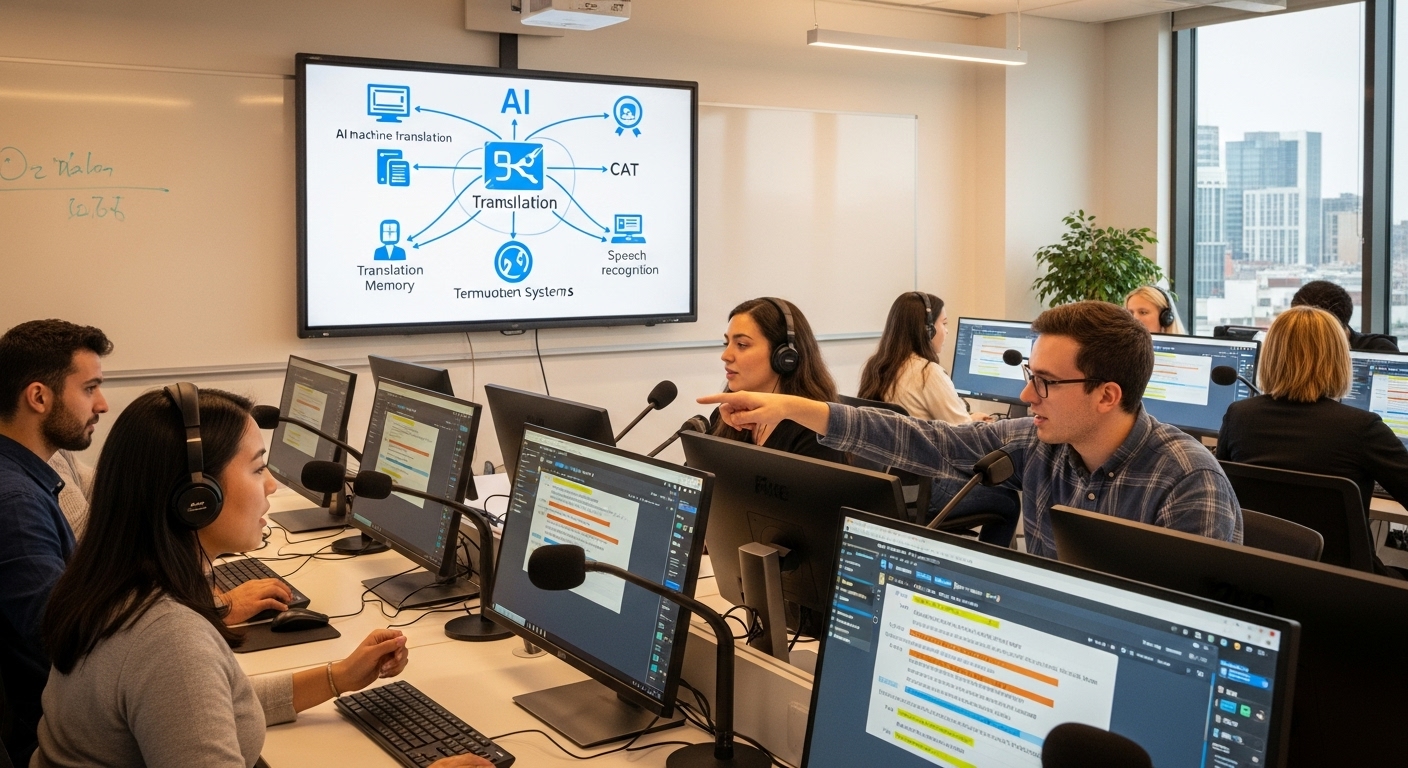
Think about the last time you tried to communicate with someone who spoke a different language. Maybe you were traveling abroad, conducting international business, or helping a friend understand an important document. Just twenty years ago, you would have needed a human translator, a thick dictionary, or perhaps awkward hand gestures to get your message across.
Today, you can point your smartphone at a sign and instantly see it translated into your native language. This dramatic shift shows us exactly how the role of technology in modern translation has completely changed our world.
The role of technology in modern translation goes far beyond simple word swapping. We’re talking about artificial intelligence that understands context, machine learning systems that improve with every translation, and cloud-based platforms that connect translators worldwide. These tools have transformed what was once a slow, expensive process into something fast, accurate, and accessible to everyone.
Businesses that once spent months translating their websites can now reach global audiences in hours. Students can read research papers in any language, and medical professionals can communicate with patients regardless of language barriers.
At Directline Translator, we’ve watched this transformation happen firsthand. We’ve seen how businesses struggle with traditional translation methods – the long wait times, the high costs, the inconsistent quality. That’s why we combine cutting-edge technology with human expertise to deliver translation solutions that actually work for real people with real deadlines.
We use advanced neural networks alongside experienced linguists because we understand that technology alone isn’t enough – you need the human touch to capture nuance, cultural context, and emotional meaning.
But here’s what most people don’t realize about modern translation technology: it’s not just about getting faster results. The real game-changer is how these tools have made professional-quality translation accessible to small businesses, students, and individuals who previously couldn’t afford it.
Stick around as we break down exactly how this technology works, why it matters for your business, and what the future holds for breaking down language barriers completely.
How Technology in Modern Translation Has Transformed Global Business Communication
Remember when international business deals required flying translators around the world or waiting weeks for document translations? Those days are gone. The role of technology in modern translation has completely changed how companies communicate across borders.
Today’s businesses use real-time translation tools during video conferences, allowing teams in Tokyo, New York, and London to collaborate as if they all spoke the same language.
Machine translation now handles the bulk of routine business communications – emails, product descriptions, and internal memos – with accuracy rates that would have seemed impossible just a decade ago. Companies save thousands of hours annually by using automated translation for initial drafts, then having human translators polish the final versions.
This hybrid approach gives you speed and cost savings without sacrificing quality.
The impact on e-commerce has been particularly dramatic. Online retailers can now translate their entire product catalogs into dozens of languages overnight. Amazon, for example, uses machine translation to make millions of product listings available in different languages simultaneously. Small businesses that once served only local customers now sell worldwide because translation barriers no longer exist.
But the real power lies in how these tools integrate seamlessly into existing business workflows. Sales teams use translation apps during client calls, customer service representatives handle multilingual support tickets in real-time, and marketing teams create localized campaigns without waiting for external translation services. This integration has made international business feel natural rather than complicated.
Machine Learning’s Impact on Technology in Modern Translation Accuracy
Machine learning has turned translation from guesswork into science. The role of technology in modern translation now includes systems that learn from millions of human translations to understand not just words, but context, tone, and cultural meaning. These neural networks process entire sentences at once, maintaining the flow and meaning that word-by-word translation often loses.
Here’s what makes this different from older translation methods: instead of following rigid grammar rules, machine learning systems recognize patterns in how native speakers actually communicate. They understand that “break a leg” doesn’t involve injury, that “it’s raining cats and dogs” has nothing to do with pets, and that formal business language requires different translation approaches than casual conversation.
The accuracy improvements have been staggering. Google Translate’s neural machine translation system reduced errors by over 60% compared to previous versions. For common language pairs like English to Spanish or French, modern systems achieve accuracy rates above 90% for general content. This means businesses can confidently use machine translation for customer communications, knowing their message will come across clearly.
These systems also adapt to specific industries and organizations. A medical translation system learns medical terminology and protocols, while a legal translation system understands court language and contract terminology. This specialization means you get translations that don’t just convert words – they maintain professional standards and industry-specific accuracy.
Computer-Assisted Translation Tools: Technology in Modern Translation Workflows
Computer-Assisted Translation (CAT) tools represent the sweet spot where the role of technology in modern translation meets human expertise. These platforms don’t replace human translators – they make them significantly more productive and consistent. Professional translators using CAT tools can handle 30-50% more content while maintaining higher quality standards.
Translation memory is the backbone of these systems. Every sentence a translator works on gets stored in a database, so when similar content appears later, the system suggests the previous translation. This ensures consistency across large projects and eliminates repetitive work. Imagine translating a technical manual where the phrase “turn off the device” appears hundreds of times – CAT tools handle this automatically.
Terminology management takes this further by maintaining databases of approved translations for specific terms. When a company establishes that their product name should be translated a certain way, or that technical terms must remain consistent across all materials, CAT tools enforce these decisions automatically. This prevents the confusion that happens when different translators make different choices for the same term.
Quality assurance features built into modern CAT tools catch errors before they reach clients. These systems flag inconsistent terminology, check for missing translations, verify that numbers and dates are handled correctly, and even detect potential grammar issues. Translators can fix problems during the work process instead of discovering them during final review.
Real-Time Communication: Technology in Modern Translation Breaking Language Barriers
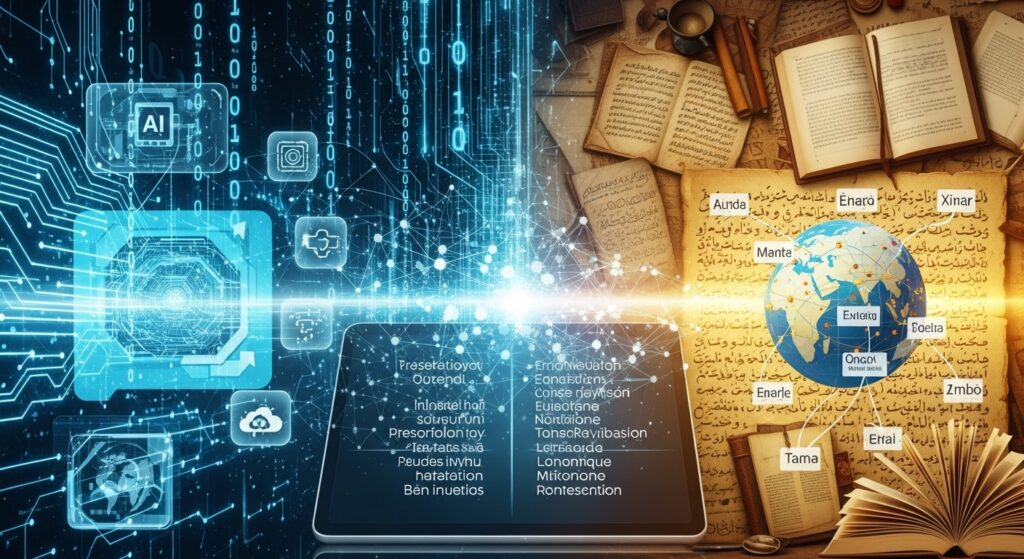
Real-time translation represents perhaps the most visible aspect of the role of technology in modern translation. Video conferencing platforms now include live translation features that display subtitles in multiple languages simultaneously. Business meetings that once required expensive interpreters now happen naturally with automatic language support.
Voice translation has become remarkably sophisticated. In the role of technology in modern translation modern apps can handle natural conversation flow, distinguishing between multiple speakers and maintaining context across exchanges. A business negotiation between English and Mandarin speakers can happen through smartphone apps with minimal delay. The technology recognizes accents, handles background noise, and even manages interruptions gracefully.
Text-based real-time translation has become standard in international customer service. Support representatives can communicate with customers in dozens of languages without speaking them fluently. The system translates incoming messages instantly and helps representatives craft appropriate responses. This has allowed smaller companies to offer multilingual support without hiring large international teams.
The integration with existing communication tools makes this technology invisible to users. Slack channels automatically translate messages between team members who speak different languages. Email platforms offer one-click translation for incoming messages. WhatsApp and other messaging apps handle translation seamlessly, making international communication feel as natural as talking to someone in your hometown.
Neural Networks Advancing Technology in Modern Translation Quality
Neural networks have revolutionized the role of technology in modern translation by mimicking how human brains process language. These systems don’t just match words between languages – they understand meaning, context, and cultural nuance in ways that previous technology couldn’t achieve. The difference is like comparing a player piano to a skilled musician.
Attention mechanisms help these networks focus on relevant parts of sentences while translating, just like human translators mentally reference specific words or phrases. When translating “The bank was steep and muddy,” the system understands whether we’re talking about a financial institution or a riverbank based on the surrounding context. This contextual awareness produces translations that sound natural and make sense.
Transformer architecture, the foundation of modern neural translation, processes entire documents at once rather than sentence by sentence. This allows the system to maintain consistency in tone, style, and terminology throughout long texts. A business proposal translated using these systems maintains its professional tone from beginning to end, with technical terms handled consistently throughout.
The continuous learning aspect means these systems improve constantly. In the role of technology in modern translation every correction made by human editors feeds back into the system, making future translations better. Companies using neural translation systems often see accuracy improvements over time as the technology adapts to their specific vocabulary, writing style, and industry requirements.
Cloud Computing’s Role in Technology in Modern Translation Scalability
Cloud computing has made the role of technology in modern translation truly global and accessible. Translation services that once required expensive software installations and powerful local computers now run in web browsers on basic devices. A translator in rural Kenya can access the same advanced tools as someone in downtown Manhattan, leveling the playing field for global talent.
In the role of technology in modern translationt the scalability is remarkable. During peak demand periods, cloud systems automatically allocate more processing power to handle increased translation volumes. When a news event creates sudden demand for translation between specific languages, the system scales up instantly. When demand drops, resources scale back down, keeping costs efficient.
Collaborative features made possible by cloud architecture have transformed how large translation projects happen. Multiple translators can work simultaneously on different sections of the same document, with changes synchronized in real-time. Project managers track progress instantly, and quality reviewers can access completed sections immediately rather than waiting for entire projects to finish.
Data security in cloud translation systems has reached enterprise standards. Documents are encrypted during transmission and storage, access controls ensure only authorized team members see sensitive content, and audit trails track every action taken on each file. This security level makes cloud translation suitable for legal documents, medical records, and confidential business materials.
Quality Assurance: How Technology in Modern Translation Ensures Accuracy
Quality assurance represents one of the most practical applications of the role of technology in modern translation. Automated checking systems analyze translations for consistency, accuracy, and completeness before human reviewers ever see them. This catches errors early and ensures that human experts spend their time on meaningful improvements rather than basic error correction.
Consistency checking compares new translations against established terminology databases and previous work. If a technical manual uses “power button” in chapter one and “start button” in chapter five for the same control, the system flags this inconsistency. These checks prevent the confusion that happens when the same concept gets translated differently throughout a document.
Quality estimation models predict how accurate a translation will be without needing human review. These systems analyze factors like sentence complexity, domain familiarity, and translation confidence to assign quality scores. Project managers can identify sections that need extra attention and allocate experienced translators to challenging content.
Automated formatting verification ensures that translated documents maintain the same structure as originals. Page layouts, font formatting, table structures, and image captions all get checked automatically. This prevents the formatting disasters that used to plague translation projects, where content was accurate but documents were unusable.
Mobile Applications: Technology in Modern Translation for Instant Access

Mobile applications have made the role of technology in modern translation truly personal and immediate. Your smartphone now contains translation capabilities that surpass what professional services offered just a few years ago. Point your camera at a restaurant menu, road sign, or business document, and see instant translation overlaid on your screen.
Offline translation capabilities mean language support works anywhere in the world. Advanced compression algorithms fit sophisticated translation models into smartphone storage, so you’re never stuck without language help due to poor internet connections. This has been transformational for international travelers and field workers in remote locations.
Voice translation through mobile apps facilitates natural conversation between people who speak different languages. The technology handles turn-taking, background noise, and various accents with increasing sophistication. Business negotiations, medical consultations, and casual conversations happen fluidly despite language differences.
Integration with other mobile apps creates seamless translation experiences. In the role of technology in modern translation social media platforms translate posts automatically, messaging apps handle multilingual group chats naturally, and productivity apps provide translation support within existing workflows. The technology becomes invisible – just part of how you communicate normally.
Integration Challenges: Implementing Technology in Modern Translation Systems
Despite remarkable advances, implementing the role of technology in modern translation presents real challenges that organizations must navigate carefully. Legacy system compatibility often requires significant modifications to existing workflows. Companies with established document management systems, content management platforms, or customer service tools need careful planning to integrate translation capabilities smoothly.
Staff training requirements can be substantial when transitioning from traditional methods to technology-assisted workflows. Translators who’ve worked with specific tools for years need time to adapt to new platforms. Project managers must learn new quality metrics and workflow management approaches. Customer service teams need training on real-time translation tools and cultural sensitivity when using automated systems.
Data security concerns become complex when implementing cloud-based translation solutions, particularly for organizations handling sensitive information. Legal firms, healthcare providers, and government agencies must ensure that confidential content remains protected throughout the translation process. This requires careful vendor selection, contract negotiation, and ongoing security monitoring.
Cost-benefit analysis becomes tricky because technology investments often have delayed returns. Initial implementation costs can be significant, including software licenses, training programs, and workflow modifications. However, the long-term savings in time and translation costs typically justify these investments within 12-18 months for most organizations.
Future Innovations: The Evolution of Technology in Modern Translation
The future of the role of technology in modern translation promises developments that will make today’s capabilities seem primitive. Quantum computing research suggests translation systems could eventually process vastly more complex linguistic relationships and cultural contexts simultaneously. This could enable perfect translation between any language pairs, capturing subtle cultural meanings that current systems miss.
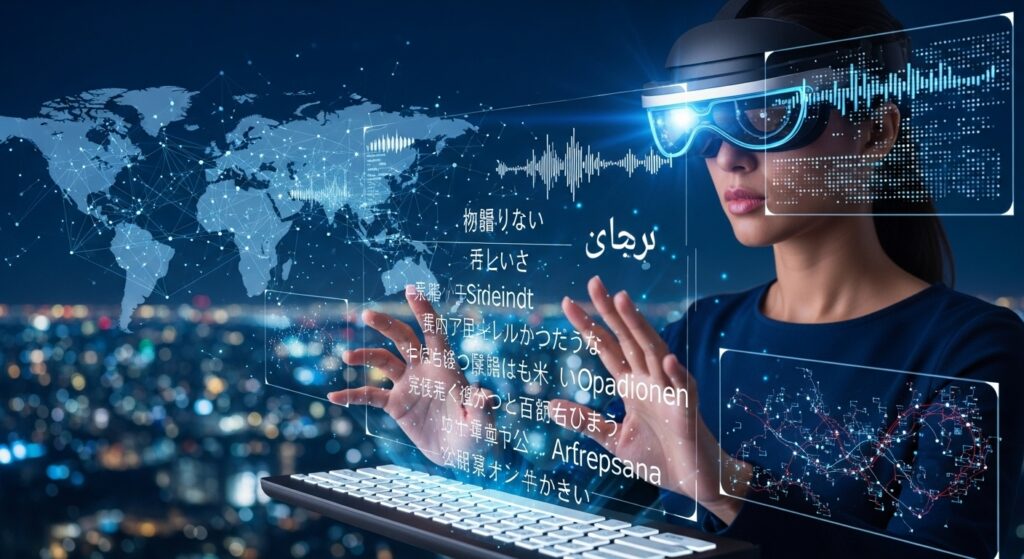
Augmented reality integration will become more sophisticated, providing real-time translation overlays for complex visual content. Imagine walking through a foreign city where every sign, menu, and advertisement appears in your native language through smart glasses. Technical manuals, assembly instructions, and medical procedures could be instantly accessible regardless of their original language.
Emotional intelligence in translation systems will enable AI to recognize and preserve emotional tone, humor, and cultural subtleties in translated content. Marketing materials, creative writing, and personal communications will maintain their emotional impact across language barriers. This advancement will make machine translation suitable for content types that currently require human expertise.
In the role of technology in modern translation brain-computer interfaces, while still experimental, could eventually enable direct neural translation where thoughts in one language are automatically converted to another without conscious translation effort. This technology could help individuals with language-based disabilities and create truly seamless international communication.
The role of technology in modern translation continues expanding in ways that seemed impossible just a decade ago. From neural networks that understand cultural context to mobile apps that break down language barriers instantly, these tools have made our world more connected and accessible. At Directline Translator, we stay at the forefront of these technological advances while maintaining the human expertise that ensures your message resonates with your audience.
The transformation we’ve witnessed represents just the beginning of what’s possible. As artificial intelligence becomes more sophisticated and quantum computing becomes practical, translation technology will continue breaking down the barriers that separate cultures and communities. The future belongs to organizations that understand how to combine cutting-edge technology with human insight to create communication solutions that truly work.
Whether you’re a small business looking to expand internationally, a large corporation managing global operations, or an individual trying to connect across language barriers, translation technology has never been more powerful or accessible. The key is choosing solutions that match your specific needs while staying flexible enough to adapt as technology continues advancing at an incredible pace.
FAQS On The Role of Technology in Modern Translation:
1. How accurate is modern translation technology compared to human translators? Modern neural machine translation achieves 90%+ accuracy for common language pairs in general content. However, human translators excel with cultural nuance, creative content, and specialized terminology. The best results combine AI speed with human expertise for final polish.
2. Can small businesses afford professional translation technology? Absolutely. Cloud-based translation platforms offer subscription models starting at $50-100 monthly. Many services charge per word or document, making professional translation accessible for businesses of any size. ROI typically shows within months through increased international sales.
3. How secure is my data when using cloud-based translation services? Reputable providers use enterprise-grade security including end-to-end encryption, secure data centers, and compliance with international privacy regulations like GDPR. Always review security certifications and data handling policies before choosing a provider.
4. What languages work best with current translation technology? English, Spanish, French, German, Chinese, and Japanese have the highest accuracy due to abundant training data. However, multilingual models increasingly improve translation quality for less common languages by transferring knowledge from high-resource language pairs.
5. How long does it take to implement translation technology in my business? Simple solutions like browser-based translation can be deployed immediately. Comprehensive enterprise implementations including CAT tool integration, staff training, and workflow customization typically take 2-6 months depending on complexity.
6. Can translation technology handle technical or specialized content? Yes, but with important caveats. Domain-specific models trained on industry terminology perform well for technical content. However, highly specialized fields like medical device manuals or legal contracts benefit from human review to ensure accuracy and compliance.
7. Will translation technology replace human translators? No. Technology makes human translators more productive and handles routine translations, but humans remain essential for creative content, cultural adaptation, and quality assurance. The trend is toward collaboration rather than replacement.
8. How much can businesses save using translation technology? Typical savings range from 30-70% on translation costs through faster turnaround times and reduced human labor for routine content. Large organizations often save hundreds of thousands annually while improving consistency and speed.
9. What are the biggest limitations of current translation technology? Current limitations include difficulty with humor, cultural references, highly creative content, and ambiguous sentences. Languages with limited training data may have lower accuracy. Context spanning multiple documents can also be challenging.
10. How do I choose the right translation technology for my needs? Consider your content types, language pairs, volume requirements, integration needs, and budget. Start with free trials of different platforms. For business-critical applications, consult with providers like Directline Translator who can recommend optimal solutions based on your specific requirements.