
 directlineauthors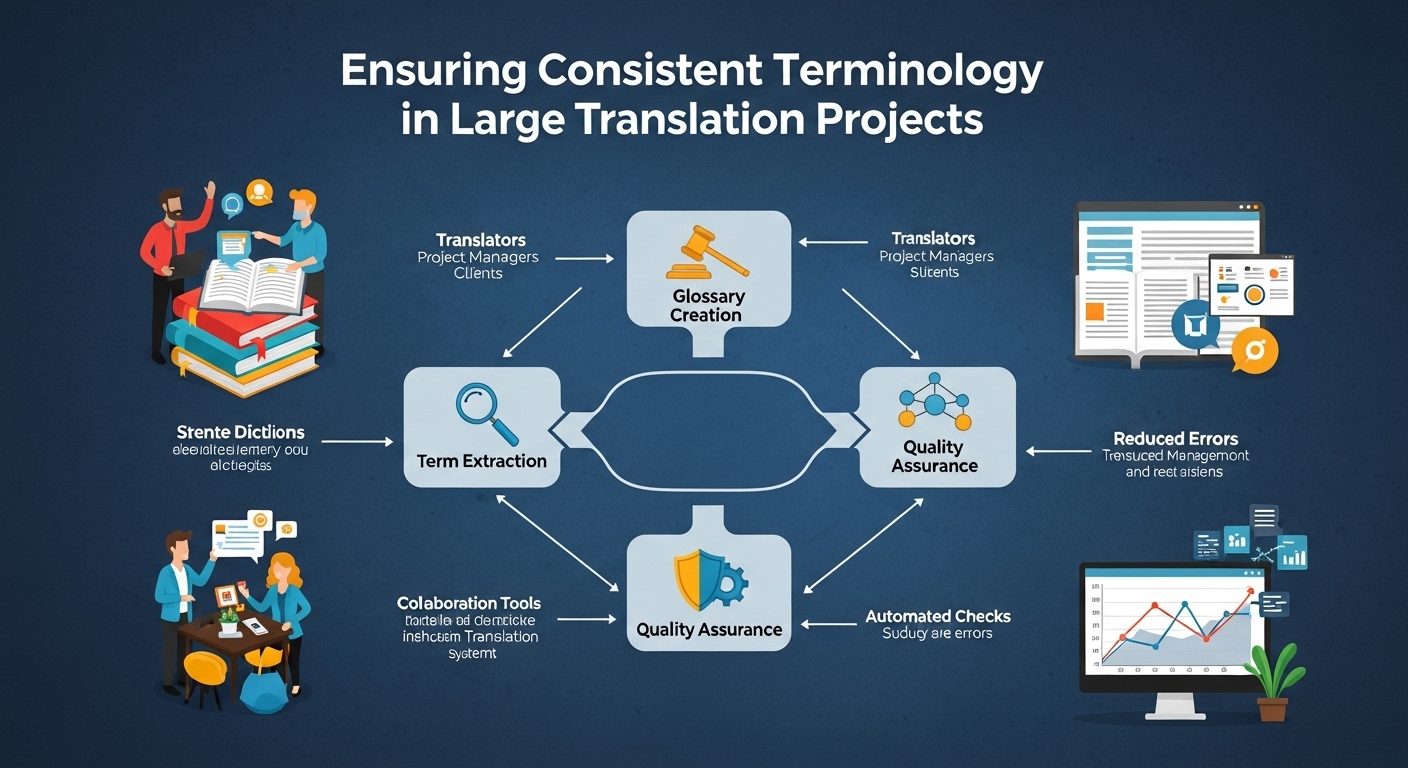
Large-scale translation projects demand precision, coordination, and unwavering attention to detail. Among the most critical challenges facing translation teams today is maintaining consistent terminology across extensive documents, multiple languages, and diverse team members.
The complexity intensifies when projects involve technical specifications, legal documentation, or marketing materials that must maintain brand integrity across global markets.
Professional translation services encounter terminology inconsistencies that can derail entire projects, creating confusion among end users and damaging client relationships. These inconsistencies often emerge when multiple translators work independently on different sections without adequate coordination mechanisms.
Understanding how to ensure consistent terminology in large projects requires more than basic translation skills. It demands systematic approaches, technological integration, and collaborative workflows that scale with project complexity.
The methods we’ll explore have proven effective across industries ranging from aerospace engineering to pharmaceutical development, where terminology precision can mean the difference between regulatory approval and costly delays.
This comprehensive guide will examine the essential strategies, tools, and methodologies that successful translation teams use to maintain terminology consistency throughout large projects. You’ll learn practical techniques for building robust terminology databases, implementing quality assurance processes, and creating team workflows that prevent inconsistencies before they occur.
We’ll also address the common pitfalls that derail terminology management efforts and provide actionable solutions for overcoming these challenges.
Understanding Why Consistent Terminology Matters in Large Projects
The importance of maintaining consistent terminology in large projects extends far beyond aesthetic preferences or linguistic precision. Inconsistent terminology creates tangible business risks that can affect project outcomes, client satisfaction, and long-term relationship success.
When technical documentation uses different terms for the same component across multiple manuals, technicians struggle to identify parts correctly, leading to equipment downtime and safety concerns.
Financial implications become particularly severe in regulated industries where terminology inconsistencies can trigger regulatory review delays or rejection. Medical device manufacturers face substantial costs when translation inconsistencies require resubmission of regulatory filings. Legal contracts with inconsistent terminology create ambiguity that may require expensive clarification through additional legal review and revision.
Brand consistency represents another critical dimension of terminology management. Global organizations invest heavily in developing consistent brand messaging that resonates across cultures and languages. When marketing materials use inconsistent translations for key brand concepts, the messaging becomes diluted and less effective. This dilution affects customer recognition, market positioning, and competitive differentiation efforts.
User experience suffers dramatically when software interfaces, help documentation, and training materials employ inconsistent terminology. Users become confused when the same function appears under different names in various parts of the system. This confusion increases support costs, reduces user satisfaction, and can drive customers to seek alternative solutions.
Team productivity declines significantly when terminology management is inadequate. Translators spend excessive time researching preferred term usage instead of focusing on translation quality. Editors struggle to maintain consistency across different sections, often requiring multiple revision cycles to achieve acceptable standards. Project managers face constant interruptions as team members seek clarification on terminology choices.
Building Comprehensive Terminology Management Systems for Large Projects
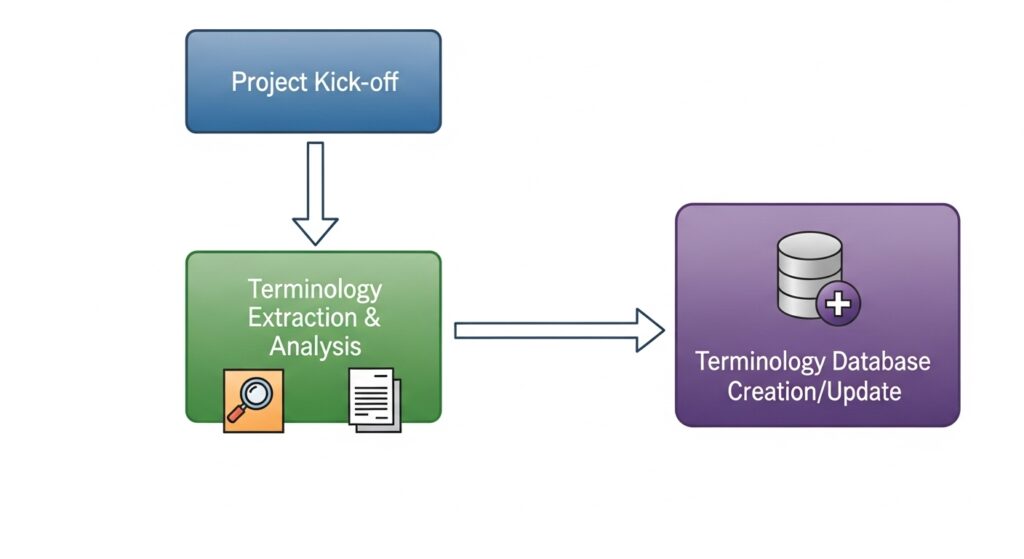
Effective terminology management begins with systematic analysis of project requirements and content characteristics. The process starts by identifying all terminology sources within the project scope, including technical specifications, previous translations, industry standards, and client preferences. This analysis reveals the scope of terminology challenges and helps prioritize areas requiring immediate attention.
Term extraction processes use both automated tools and human expertise to identify candidate terminology from source materials. Advanced extraction software analyzes text collections to identify frequently occurring terms, technical vocabulary, and phrases that require consistent translation. These tools consider factors such as term frequency, context patterns, and domain-specific criteria to rank potential terminology candidates.
Database structure design requires careful consideration of how terminology will be accessed and maintained throughout the project lifecycle. Professional terminology databases include fields for source terms, target translations, definitions, usage notes, subject area classifications, and approval status. Additional fields may capture information about term variants, prohibited alternatives, and contextual restrictions that affect proper usage.
Quality validation procedures ensure that terminology entries meet professional standards before becoming available to translation teams. Subject matter experts review technical accuracy, linguists validate translation quality, and project stakeholders approve terms that affect brand messaging or regulatory compliance. These validation processes prevent low-quality terminology from propagating throughout the project.
Hierarchical organization structures help manage complex terminology relationships within large databases. Related terms can be grouped under broader concepts, while cross-references connect synonyms and related terminology. This organization structure supports efficient searching and helps translators understand relationships between different terms.
Version control systems track all changes to terminology databases, creating audit trails that support quality management and regulatory compliance. These systems record who made changes, when modifications occurred, and the rationale for updates. Rollback capabilities allow project managers to reverse problematic changes when necessary.
Essential Technology Tools for How to Ensure Consistent Terminology in Large Projects

Modern terminology management relies heavily on specialized software platforms that integrate with translation workflows and support team collaboration. Computer-Assisted Translation tools have become the primary interface for terminology management in most professional translation operations.
These platforms provide real-time access to approved terminology while translators work, automatically flagging potential inconsistencies and suggesting appropriate alternatives.
SDL Trados Studio offers integrated terminology management through MultiTerm, providing sophisticated database structures that accommodate complex terminology relationships. The system supports unlimited custom fields, multimedia attachments for visual references, and flexible search capabilities that help translators find appropriate terms quickly.
Quality assurance features automatically check terminology usage during translation and generate compliance reports.
MemoQ provides cloud-based terminology management specifically designed for collaborative projects. The platform enables real-time sharing of terminology databases across distributed teams, automated propagation of terminology updates, and sophisticated approval workflows. Advanced search capabilities include fuzzy matching and context-sensitive suggestions that improve translator efficiency.
Phrase TMS offers enterprise-level terminology management with API integration capabilities that connect with external terminology resources. The platform provides automated backup systems, detailed usage analytics, and customizable approval processes that accommodate complex organizational structures. Real-time synchronization ensures all team members work with current terminology data.
Quality assurance tools specifically designed for terminology validation provide automated checking capabilities beyond basic CAT tool features. XBench offers powerful terminology validation that can check entire project collections, identify inconsistencies across different document types, and generate detailed compliance reports. Custom rule configuration allows teams to implement specific terminology requirements.
Terminology extraction tools automate the initial identification of candidate terms from large document collections. SDL MultiTerm Extract uses linguistic analysis and statistical methods to identify potential terminology based on frequency patterns and contextual usage. These tools can process multiple file formats and export results in formats suitable for database creation.
Collaborative Workflow Strategies for How to Ensure Consistent Terminology in Large Projects
Large projects require carefully orchestrated workflows that ensure all team members contribute to terminology consistency while maintaining database integrity. Role-based access control systems assign different permission levels based on individual responsibilities and expertise levels.
Terminologists typically receive full editing privileges, allowing them to create, modify, and approve terminology entries based on their specialized knowledge.
Translators often have read access with proposal capabilities, enabling them to suggest new terms or modifications to existing entries when they encounter gaps in the current database. This approach harnesses the collective knowledge of the translation team while maintaining quality control through approval processes.
Quality assurance reviewers need access to validation tools and the ability to flag inconsistencies for systematic resolution.
Project managers require oversight capabilities that allow them to monitor terminology usage patterns, approve disputed terms, and coordinate between different specializations. Dashboard views provide real-time visibility into terminology compliance rates, pending approval queues, and usage statistics that inform project management decisions. Notification systems alert managers to terminology issues that require immediate attention.
Communication protocols establish clear procedures for discussing terminology questions, proposing new entries, and resolving conflicts between team members. Many successful projects use dedicated communication channels for terminology discussions, separating these conversations from general project communications. This separation helps maintain focus and creates searchable archives of terminology decisions.
Regular terminology review meetings provide structured forums for addressing complex terminology questions and planning terminology strategy for upcoming project phases. These meetings typically include terminologists, subject matter experts, project managers, and relevant translators. Agenda structures ensure efficient use of meeting time while addressing all important terminology issues.
Update notification systems ensure timely communication of terminology changes to all affected team members. Automated systems can alert specific individuals when terms in their areas of expertise are modified. Batch notification options allow efficient communication of multiple updates without overwhelming recipients with individual messages.
Pre-Project Planning Methods for How to Ensure Consistent Terminology in Large Projects
Thorough preparation before translation begins significantly improves terminology consistency outcomes while reducing project costs and timelines. The planning phase should begin immediately upon project confirmation, allowing adequate time for comprehensive terminology development and validation. Early start timing prevents terminology issues from becoming critical path constraints later in the project.
Stakeholder consultation processes ensure that all relevant parties contribute to terminology decisions before translation work begins. Subject matter experts provide technical accuracy validation and industry context. Marketing representatives ensure brand consistency and messaging alignment. Regional representatives identify local preferences or cultural restrictions that affect terminology appropriateness.
Reference material compilation involves gathering all available resources that inform terminology decisions. Previous translations provide precedent and consistency with existing materials. Industry standards documents establish technical terminology requirements. Competitor analysis reveals market terminology conventions. Client style guides and brand guidelines specify organizational preferences and restrictions.
Terminology validation workshops bring key stakeholders together to review proposed terminology and resolve potential conflicts systematically. These collaborative sessions are particularly valuable for projects involving new products, evolving technology, or cross-cultural considerations. Workshop outputs include approved terminology lists, documented decision rationale, and guidelines for handling uncertain cases during translation.
Database population procedures establish systematic approaches for entering validated terminology into management systems. Standardized data entry formats ensure consistency across different contributors and facilitate automated quality checks. Batch import capabilities enable efficient processing of large terminology lists while maintaining data integrity through validation rules.
Client approval processes ensure that terminology choices align with organizational expectations and requirements. Formal approval procedures create documentation trails that support project governance and change management. Approval tracking systems maintain records of client decisions and provide reference materials for future projects.
Real-Time Quality Control Techniques for How to Ensure Consistent Terminology in Large Projects
Effective quality control requires continuous monitoring throughout the translation process rather than relying solely on final review stages. Real-time terminology checking systems integrated with CAT tools provide immediate feedback when translators encounter unapproved terms or inconsistent translations. These systems can be configured to provide different types of alerts based on the severity of potential issues.
Automated quality assurance reports generated at regular intervals identify terminology compliance trends and highlight areas requiring immediate attention. These reports typically include statistics on term usage consistency, identification of frequently violated terminology rules, and analysis of newly proposed terms. Project managers use these reports to allocate quality assurance resources effectively and identify training opportunities.
Peer review processes establish systematic approaches for translators to validate each other’s terminology usage. Structured review protocols ensure that peer reviews focus on terminology consistency while maintaining translation efficiency. Review checklists help ensure comprehensive coverage of important terminology categories during quality assessment activities.
Exception tracking systems document cases where approved terminology cannot be used due to space constraints, cultural considerations, or other contextual factors. These systems prevent exceptions from becoming precedents for future inconsistencies while maintaining project flexibility. Approval workflows ensure that exceptions receive appropriate authorization and documentation.
Client feedback integration captures terminology preferences and corrections from review cycles and incorporates them systematically into the terminology database. Feedback processing procedures prevent recurring issues in subsequent project phases while maintaining client satisfaction with terminology choices. Change impact analysis evaluates how client feedback affects completed work and future deliverables.
Progress monitoring systems track terminology compliance rates across different project sections, languages, and team members. These systems identify patterns that indicate potential training needs or process improvements. Performance dashboards provide real-time visibility into terminology management effectiveness and highlight successful practices for replication.
Change Management Approaches for How to Ensure Consistent Terminology in Large Projects
Large projects often span extended timeframes during which terminology requirements change due to product development, market evolution, or organizational shifts. Change management procedures ensure that terminology updates are implemented systematically without disrupting ongoing work. These procedures balance the need for current terminology with the practical constraints of project timelines and resource allocation.
Impact assessment procedures evaluate how terminology changes affect completed work and determine revision requirements. Cost-benefit analysis helps project managers decide whether to implement changes immediately or defer them to future project phases. These analyses consider factors such as translation volume affected, client priority levels, and resource availability for implementing changes.
Version control systems track all terminology changes and provide rollback capabilities when modifications create unintended consequences. Change documentation includes rationale for modifications, approval history, and implementation timelines. Audit trails support quality management processes and provide accountability for terminology decisions.
Communication plans ensure that all affected team members receive timely notification of approved terminology changes. These plans specify notification methods, timing requirements, and escalation procedures for urgent changes. Documentation requirements ensure that change rationale is preserved for future reference and training purposes.
Terminology lifecycle management addresses the natural progression of terms over time as products mature and markets change. Regular database maintenance removes outdated terms and consolidates entries that have become redundant. Archive procedures preserve historical terminology data while keeping active databases focused on current requirements.
Technology Integration Strategies for How to Ensure Consistent Terminology in Large Projects
Successful terminology management requires seamless integration between different technology platforms used throughout the translation process. API connections between terminology databases and CAT tools enable real-time terminology access without manual import/export procedures. These integrations ensure that translators always work with current terminology data while maintaining system performance standards.
Automated terminology propagation systems update multiple related projects when terminology changes receive approval. These systems use project relationship mapping to identify all affected materials and implement updates consistently. Verification procedures confirm successful propagation and identify any technical issues that require manual intervention.
Integration with content management systems extends terminology consistency beyond traditional translation projects to include web content, documentation systems, and other digital assets. API connections enable automated terminology checking for content creation workflows and help maintain consistency across all organizational communications.
Machine learning applications assist with terminology consistency by analyzing usage patterns and identifying potential inconsistencies that require human review. These systems learn from approved terminology decisions and suggest consistent translations for new terms based on established patterns. Confidence scoring helps users evaluate the reliability of automated suggestions.
Backup and disaster recovery systems protect terminology investments through automated backup procedures and redundant storage systems. Recovery testing ensures that backup systems function correctly and meet recovery time objectives. Documentation procedures specify recovery priorities and contact information for emergency situations.
Training and Development Programs for How to Ensure Consistent Terminology in Large Projects
Building team competency in terminology management requires structured training programs that address both technical skills and process understanding. Initial training programs introduce new team members to terminology management concepts, tool usage, and quality standards. These programs combine theoretical instruction with hands-on exercises using actual project materials.
Tool-specific training ensures that team members can effectively use terminology management systems and understand advanced features that improve productivity. Regular training updates help teams stay current with system enhancements and new capabilities. Vendor-provided training resources supplement internal programs and provide access to expert instruction.
Methodology training covers terminology research techniques, validation procedures, and quality assessment criteria. Participants learn how to evaluate terminology resources, conduct subject matter expert consultations, and document terminology decisions appropriately. Case study exercises provide practical experience with common terminology challenges across different industries and project types.
Domain expertise development helps team members understand subject areas relevant to their projects. Technical writing workshops, industry conference participation, and certification programs contribute to terminologist expertise. Cross-training between different subject areas increases team flexibility and reduces project risks associated with personnel changes.
Quality standards training establishes consistent criteria for terminology evaluation across team members. Calibration exercises ensure that different terminologists apply quality standards uniformly. Regular quality review sessions provide feedback opportunities and support continuous improvement efforts.
Performance Measurement for How to Ensure Consistent Terminology in Large Projects
Effective terminology management requires systematic measurement of outcomes and continuous process improvement initiatives. Consistency metrics track how successfully approved terminology is used across project deliverables. These metrics can be measured automatically through CAT tool reports or manually through statistical sampling procedures that provide representative data.
Efficiency measurements evaluate how terminology management affects translation productivity and project timelines. Metrics include time-to-delivery improvements, reduction in revision cycles, and decreased translator queries about terminology usage. Cost analysis encompasses both direct technology investments and indirect efficiency gains from improved processes.
Quality indicators assess the impact of terminology management on final deliverable quality and client satisfaction. Client feedback surveys, error rate reductions, and compliance with industry standards provide quantitative evidence of terminology management effectiveness. Long-term trend analysis reveals improvement patterns and identifies areas requiring additional attention.
User satisfaction surveys collect feedback from translators, reviewers, and other team members about the practical effectiveness of terminology management systems and procedures. Regular surveys identify pain points in current processes and gather suggestions for improvement. Focus groups provide deeper insights into user experience and workflow optimization opportunities.
Return on investment calculations demonstrate the financial value of terminology management investments to organizational stakeholders. These calculations include cost savings from reduced revision cycles, improved efficiency, and avoided quality issues. ROI analysis supports business cases for technology upgrades and process enhancement initiatives.
Benchmark comparisons with industry standards help organizations evaluate their terminology management maturity and identify areas for advancement. Participation in professional associations provides access to best practice sharing and collaborative improvement opportunities. Industry surveys provide comparative data for performance evaluation.
Advanced Optimization Techniques for How to Ensure Consistent Terminology in Large Projects
Continuous improvement programs use measurement data and user feedback to drive ongoing enhancement of terminology management practices. Regular review cycles evaluate current performance against established objectives and identify priorities for improvement initiatives. Innovation programs explore emerging technologies and methodologies that could enhance terminology management effectiveness.
Process automation opportunities identify repetitive tasks that can be streamlined through technology solutions. Automated workflows reduce manual effort while improving consistency and reducing error rates. Integration projects connect terminology management with other business systems to eliminate duplicate data entry and improve information sharing.
Artificial intelligence applications are beginning to support terminology management through automated term extraction, consistency checking, and translation suggestion capabilities. Machine learning systems can identify patterns in terminology usage and suggest improvements based on historical data. However, human oversight remains essential for ensuring quality and appropriateness of AI-generated suggestions.
Scalability planning ensures that terminology management systems can accommodate project growth and increased complexity over time. Capacity planning addresses both technological infrastructure and human resource requirements. Flexibility considerations ensure that systems can adapt to changing project requirements and new client needs.
Knowledge management initiatives capture and preserve terminology expertise within the organization. Documentation of best practices, lessons learned, and successful approaches creates institutional knowledge that survives personnel changes. Training materials and reference guides support consistent application of proven methodologies across projects and teams.
The success of large-scale terminology management depends on combining comprehensive planning, appropriate technology selection, and systematic execution approaches. Organizations that invest properly in terminology management systems and procedures realize significant returns through improved quality, reduced costs, and enhanced team productivity.
As projects continue growing in complexity and global reach, effective terminology management becomes increasingly critical for maintaining competitive advantages in international markets.
Professional terminology management transforms complex multilingual projects into streamlined operations that consistently deliver exceptional results across languages and cultures. The systematic approaches outlined in this guide have proven effective across diverse industries and project types.
Teams that implement these methodologies position themselves to handle increasingly sophisticated projects while maintaining the high quality standards that clients expect in today’s competitive global marketplace.
FAQs On How to Ensure Consistent Terminology in Large Projects:

1. What are the most common causes of terminology inconsistencies in large translation projects? The primary causes include inadequate pre-project planning, lack of centralized terminology databases, insufficient communication between team members, and failure to implement quality assurance processes. Multiple translators working independently without proper coordination often create the most significant consistency problems.
2. How long should terminology preparation take before starting a large translation project? Terminology preparation typically requires 10-15% of the total project timeline, depending on complexity and available reference materials. Projects with highly technical content or new product introductions may require additional preparation time to ensure comprehensive terminology coverage.
3. Which technology tools are most essential for maintaining terminology consistency? Computer-Assisted Translation tools with integrated terminology management, dedicated terminology databases like MultiTerm or TermWeb, and quality assurance tools for automated checking are the core technology requirements. Cloud-based platforms that support real-time collaboration are particularly valuable for distributed teams.
4. How can small translation teams implement effective terminology management without major technology investments? Small teams can start with basic terminology spreadsheets, utilize free terminology features in CAT tools, and establish simple approval workflows. The key is systematic documentation and consistent application of established terms rather than sophisticated technology platforms.
5. What role should clients play in terminology management for large projects? Clients should provide existing terminology resources, approve key terminology decisions, and participate in validation processes for industry-specific or brand-related terms. Regular client review cycles help ensure terminology alignment with organizational expectations and requirements.
6. How often should terminology databases be updated during long-term projects? Terminology databases should be updated continuously as new terms are encountered and approved. Formal review cycles should occur monthly or quarterly, depending on project complexity and terminology change frequency. Major updates should be communicated immediately to all team members.
7. What training is required for translators to work effectively with terminology management systems? Translators need training on terminology database usage, quality assurance procedures, and collaboration workflows. Initial training typically requires 4-8 hours, with ongoing updates as systems evolve. Specialized training may be needed for industry-specific terminology requirements.
8. How can terminology consistency be maintained when working with external freelance translators? External translators should receive comprehensive terminology databases, clear usage guidelines, and access to support resources for terminology questions. Regular quality checks and feedback sessions help ensure consistency. Contractual agreements should specify terminology compliance requirements.
9. What are the typical cost implications of implementing professional terminology management? Initial implementation costs include software licenses, training, and database development time. However, long-term savings from reduced revision cycles, improved efficiency, and fewer quality issues typically provide positive return on investment within 6-12 months for large projects.
10. How can organizations measure the success of their terminology management efforts? Success metrics include terminology compliance rates, reduction in revision cycles, improved translation efficiency, client satisfaction scores, and decreased support queries. Regular measurement against baseline performance provides quantitative evidence of terminology management effectiveness and areas for improvement.**