
 directlineauthors
Multilingual communication has become the cornerstone of our interconnected world, where businesses, organizations, and individuals regularly interact across language barriers. The ability to communicate effectively in multiple languages isn’t just about knowing vocabulary and grammar—it’s about understanding cultural nuances, context, and the subtle art of conveying meaning that transcends linguistic boundaries.
At Directline Translator, we’ve witnessed firsthand how proper multilingual communication can make or break international partnerships, customer relationships, and business opportunities.
The complexity of multilingual communication extends far beyond simple translation. When we speak of effective multilingual communication, we’re addressing a sophisticated process that involves cultural intelligence, emotional awareness, and strategic thinking.
Successful multilingual communication requires understanding that language is deeply intertwined with culture, history, and social context. When someone communicates in their second or third language, they’re not just translating words—they’re navigating entirely different ways of thinking and expressing ideas.
This process involves complex cognitive work that native speakers often take for granted. The most effective multilingual communicators develop sensitivity to these challenges and create environments where non-native speakers feel comfortable and understood.
As we explore the various aspects of effective multilingual communication throughout this comprehensive guide, you’ll discover practical strategies that can transform your approach to cross-cultural interactions, whether you’re leading international teams, expanding your business globally, or simply seeking to communicate more effectively in our diverse world.
Building Cultural Awareness for Better Multilingual Communication
Cultural awareness forms the foundation of successful multilingual communication, extending far beyond language proficiency to encompass understanding social norms, business practices, and communication styles. Each culture has its own rhythm of conversation, preferred levels of directness, and unspoken rules about hierarchy and respect.
When engaging in multilingual communication, recognizing these differences can mean the difference between building strong relationships and inadvertently causing offense.
High-context cultures, such as those found in many Asian and Middle Eastern countries, rely heavily on implicit communication, where much of the meaning comes from context, relationships, and non-verbal cues. In contrast, low-context cultures like those typically found in Germany or Scandinavia prefer direct, explicit communication where the message is clearly stated.
Understanding this fundamental difference helps explain why multilingual communication sometimes breaks down—not because of language barriers, but because of mismatched communication styles.
Power distance also plays a significant role in multilingual communication effectiveness. In hierarchical cultures, addressing someone of higher status requires specific linguistic forms and protocols that might seem unnecessary or overly formal to speakers from more egalitarian societies.
Temporal orientation affects how different cultures approach multilingual communication in business settings. Some cultures prioritize punctuality and schedule adherence, while others view time as more flexible and relationship-building as more important than strict scheduling.
These differences can create friction in international teams where multilingual communication must accommodate varying expectations about meeting times, project deadlines, and response timeframes.
Religious and philosophical worldviews significantly influence multilingual communication patterns. Understanding whether a culture emphasizes individual achievement or collective harmony helps communicators frame their messages appropriately.
For instance, highlighting individual accomplishments might motivate team members from individualistic cultures but could make those from collectivistic cultures uncomfortable. Effective multilingual communication requires adapting not just language but also the underlying values and assumptions embedded in the message.
The concept of face-saving varies dramatically across cultures and affects multilingual communication strategies. In many Asian cultures, maintaining dignity and avoiding public embarrassment takes precedence over direct feedback or confrontation.
This means that multilingual communication in these contexts requires indirect approaches to criticism or correction, often involving private conversations or carefully worded suggestions that allow all parties to maintain their reputation and standing within the group.
Mastering Non-Verbal Elements in Multilingual Communication
Non-verbal communication carries tremendous weight in multilingual interactions, often conveying more meaning than spoken words. When people communicate across languages, they rely more heavily on visual cues, facial expressions, and body language to understand and convey meaning.
Understanding these non-verbal elements becomes crucial for effective multilingual communication, as gestures that are positive in one culture may be neutral or even negative in another.
Eye contact patterns vary significantly across cultures and can make or break multilingual communication efforts. While Western cultures often interpret direct eye contact as a sign of honesty and engagement, many Asian and African cultures consider prolonged eye contact with authority figures or elders as disrespectful.
In multilingual business meetings, these differences can create misunderstandings where participants misinterpret respect for rudeness or confidence for aggression.
Personal space preferences affect comfort levels in multilingual communication settings. Mediterranean and Latin American cultures typically prefer closer physical proximity during conversations, while Northern European and East Asian cultures generally require more personal space.
When conducting multilingual communication sessions, being aware of these preferences helps create an environment where all participants feel comfortable and can focus on the message rather than feeling physically uncomfortable.
Hand gestures pose particular challenges in multilingual communication because the same gesture can have completely different meanings across cultures. The thumbs-up sign, commonly used in Western cultures to indicate approval, can be offensive in parts of the Middle East.
Similarly, pointing with the index finger is considered rude in many cultures, while the “OK” sign made with thumb and forefinger can be interpreted as an insult in some countries. Successful multilingual communicators learn to use neutral gestures or adapt their non-verbal communication to their audience.
Facial expressions, while often considered universal, carry cultural nuances that affect multilingual communication. The frequency and intensity of smiling varies across cultures, with some societies viewing constant smiling as insincere while others interpret a lack of smiling as unfriendly.
Understanding these differences helps multilingual communicators adjust their facial expressions to match cultural expectations and build rapport with their audience.
Tone of voice and volume levels also play crucial roles in multilingual communication effectiveness. Some cultures encourage animated, loud discussions as signs of engagement and passion, while others prefer quiet, measured speech as indicators of thoughtfulness and respect.
When facilitating multilingual communication sessions, moderators need to help participants understand these differences and create space for various communication styles to coexist productively.
Technology Tools That Enhance Multilingual Communication
Modern technology has revolutionized, providing tools that bridge language gaps and facilitate real-time interaction across linguistic boundaries. Translation software has evolved from simple word substitution programs to sophisticated systems that consider context, cultural nuances, and industry-specific terminology.
These technological advances have made multilingual communication more accessible and accurate, though they cannot completely replace human expertise in complex or sensitive communications.
Real-time translation apps have transformed spontaneous multilingual communication scenarios, allowing business travelers, tourists, and international professionals to navigate conversations without extensive language preparation.
These apps use artificial intelligence to process spoken language, translate it instantly, and provide audio or text output in the target language. While not perfect, they serve as valuable bridges in multilingual communication situations where professional interpreters aren’t available.
Video conferencing platforms have incorporated multilingual communication features that include automatic captioning in multiple languages, real-time translation overlays, and recording capabilities that allow for post-meeting translation and review.
These features have made international business meetings more inclusive and effective, enabling participants to contribute regardless of their primary language. However, users must still be aware of the limitations of automated translation and the importance of confirming understanding.
Collaboration platforms designed for multilingual communication offer shared workspaces where team members can communicate in their preferred languages while accessing translation services when needed.
These platforms often include cultural awareness features, time zone coordination tools, and document translation capabilities that support ongoing multilingual communication projects. The integration of these features helps international teams maintain productivity while accommodating linguistic diversity.
Mobile devices have become powerful multilingual communication tools through specialized applications that offer offline translation, voice recognition in multiple languages, and cultural etiquette guides.
Business professionals can access pronunciation guides, cultural tips, and context-appropriate phrases for various situations. These tools have made multilingual communication more confident and effective, particularly for individuals who travel frequently or work with international clients.
Artificial intelligence continues to advance multilingual communication capabilities through machine learning algorithms that improve translation accuracy and cultural sensitivity. These systems learn from vast databases of multilingual content, identifying patterns and nuances that improve their ability to facilitate effective cross-cultural communication.
While human oversight remains essential for important multilingual communication tasks, AI tools are becoming increasingly valuable for routine interactions and preliminary communications.
Strategies for Clear and Concise Multilingual Communication
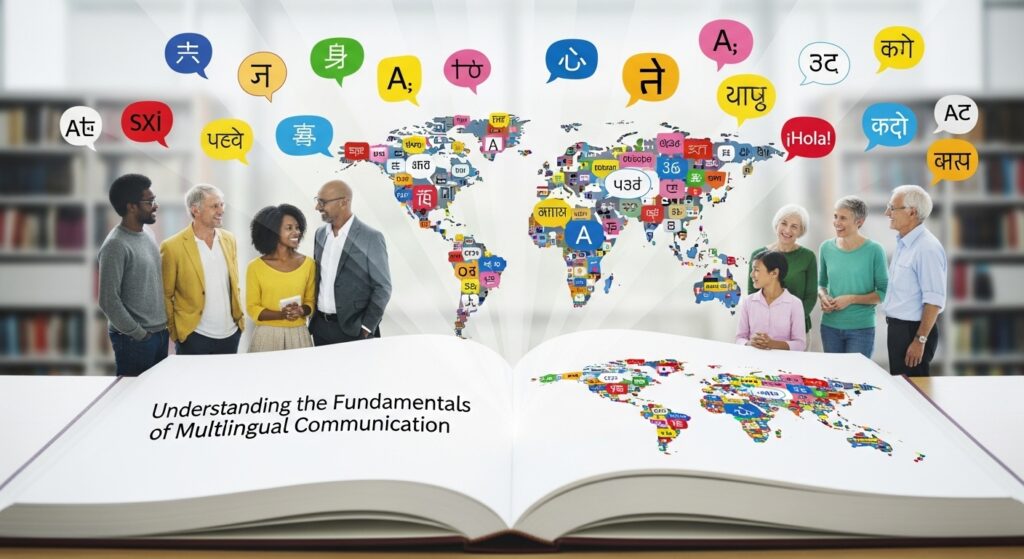
Clarity becomes paramount when engaging in multilingual communication, as participants may be processing information in languages that aren’t their strongest. Effective multilingual communicators develop strategies to ensure their messages are understood correctly, avoiding ambiguity and providing multiple ways for audiences to grasp key concepts.
This approach requires conscious effort to simplify complex ideas without losing important meaning or nuance.
Structured communication frameworks help organize multilingual interactions and ensure all participants can follow the conversation flow. Using techniques such as agenda setting, clear transitions between topics, and regular summarization helps non-native speakers track discussions and contribute meaningfully.
These frameworks also provide opportunities for clarification and questions, which are essential elements of successful multilingual communication.
Vocabulary selection plays a crucial role in multilingual communication effectiveness. Professional communicators choose words that are commonly known across cultures, avoiding idioms, slang, and culturally specific references that might confuse international audiences. When technical terms are necessary, providing clear definitions or visual aids helps ensure understanding across language barriers.
Repetition and reinforcement techniques help solidify understanding in multilingual communication settings. Key messages should be presented multiple times using different approaches—verbal explanation, written summaries, and visual representations.
This redundancy isn’t redundant when dealing with multilingual audiences; it’s a necessary strategy to ensure comprehension across different learning styles and language proficiencies.
Confirmation strategies are essential elements of effective multilingual communication. Rather than asking “Do you understand?” which often receives affirmative responses regardless of actual comprehension, skilled communicators use techniques such as asking participants to summarize key points, provide examples, or explain how they will implement discussed concepts.
These approaches reveal actual understanding levels and identify areas needing clarification.
Pacing considerations become critical in multilingual communication scenarios where participants need additional processing time. Speaking slowly, pausing between key points, and allowing extra time for questions and responses helps non-native speakers fully engage with the content.
This deliberate pacing also demonstrates respect for the cognitive work involved in multilingual communication and creates a more inclusive environment for all participants.
Overcoming Common Barriers in Multilingual Communication
Language barriers represent just one category of challenges in multilingual communication, with cultural misunderstandings, technical difficulties, and psychological factors creating additional obstacles. Understanding these barriers helps communicators develop proactive strategies to address them before they derail important conversations or relationships.
Successful multilingual communication requires anticipating these challenges and preparing alternative approaches.
Fear of making mistakes often prevents people from participating fully in multilingual communication situations. Non-native speakers may hesitate to contribute ideas or ask questions due to concerns about grammar errors, pronunciation issues, or cultural missteps.
Creating psychologically safe environments where mistakes are viewed as learning opportunities rather than failures encourages more active participation and ultimately leads to better multilingual communication outcomes.
Technical infrastructure limitations can significantly impact multilingual communication effectiveness, particularly when participants are connecting from regions with unreliable internet connectivity or outdated communication technology.
Successful multilingual communication strategies include backup plans for technical failures, alternative communication methods, and consideration of participants who may have limited access to advanced communication tools.
Cultural stereotypes and assumptions create invisible barriers in multilingual communication by influencing how participants interpret messages and behaviors. These preconceptions can lead to misattributions of intent, competence, or cultural values. Addressing this barrier requires ongoing education about cultural differences and regular reflection on personal biases that might affect multilingual communication interactions.
Creating structures that encourage input from all participants, regardless of their position or cultural background, helps overcome these barriers and takes advantage of the diverse perspectives that make multilingual teams valuable.
Best Practices for Professional Multilingual Communication
Professional multilingual communication requires systematic approaches that ensure consistency, accuracy, and cultural sensitivity across all interactions. Organizations that excel in this area develop comprehensive strategies that address everything from hiring practices to communication protocols, creating environments where multilingual collaboration thrives.
These best practices reflect years of experience working with diverse teams and international clients.
Documentation standards for multilingual communication help ensure that important information is accessible to all stakeholders regardless of their primary language. This includes creating multilingual glossaries of key terms, maintaining translated versions of essential documents, and establishing clear protocols for when and how translation services should be engaged.
Consistent documentation practices prevent misunderstandings and provide reference materials that support ongoing multilingual communication efforts.
Training programs that address multilingual communication skills benefit entire organizations by building awareness and competence among all team members, not just those who regularly interact with international colleagues. These programs cover topics such as cultural sensitivity, effective listening techniques, and strategies for confirming understanding.
Investment in multilingual communication training pays dividends through improved collaboration, reduced misunderstandings, and stronger international relationships.
Feedback mechanisms are essential components of successful multilingual communication systems, providing opportunities for continuous improvement and relationship building. Regular surveys, informal check-ins, and formal review processes help identify what’s working well and where adjustments are needed.
This feedback is particularly valuable from non-native speakers who can provide insights into the effectiveness of current multilingual communication approaches.
Professional development opportunities that focus on multilingual communication help team members build skills and confidence over time. This might include language learning support, cultural immersion experiences, and mentoring programs that pair experienced multilingual communicators with those developing their skills.
These investments in human development create competitive advantages and demonstrate organizational commitment to inclusive communication practices.
Digital Platforms and Multilingual Communication Success
Digital platforms have transformed multilingual communication by providing tools and environments that support real-time interaction across language barriers. These platforms offer features specifically designed to address common challenges in multilingual communication, from automatic translation services to cultural awareness reminders. Understanding how to leverage these digital tools effectively can significantly improve communication outcomes in international settings.
Social media platforms have become important channels for multilingual communication, allowing organizations to engage with global audiences through culturally adapted content and localized messaging. Successful multilingual social media communication requires understanding platform-specific cultures, audience expectations, and communication norms that vary by region. Companies that excel in this area often employ native speakers and cultural consultants to ensure their digital multilingual communication resonates with target audiences.
E-commerce platforms demonstrate the commercial importance of effective multilingual communication through features such as localized product descriptions, culturally appropriate imagery, and region-specific customer service options. These platforms show how multilingual communication directly impacts business success, with companies that invest in comprehensive localization often seeing significant improvements in international sales and customer satisfaction.
Learning management systems designed for multilingual environments incorporate features that support diverse learning styles and language proficiencies. These platforms often include translation tools, multilingual content delivery options, and assessment methods that account for language barriers. Educational institutions and corporate training programs use these features to ensure that multilingual communication doesn’t create barriers to learning and development.
Project management platforms with multilingual communication capabilities help international teams collaborate effectively by providing shared spaces for communication, document sharing, and progress tracking. These tools often include features such as automatic time zone conversion, multilingual templates, and cultural calendar integration that support teams working across linguistic and cultural boundaries.
Customer relationship management systems increasingly include multilingual communication features that help organizations provide consistent, culturally appropriate service to international clients. These systems might include customer preference tracking for language and cultural considerations, multilingual templates for common communications, and integration with professional translation services for complex interactions.
Building Teams with Strong Multilingual Communication Skills
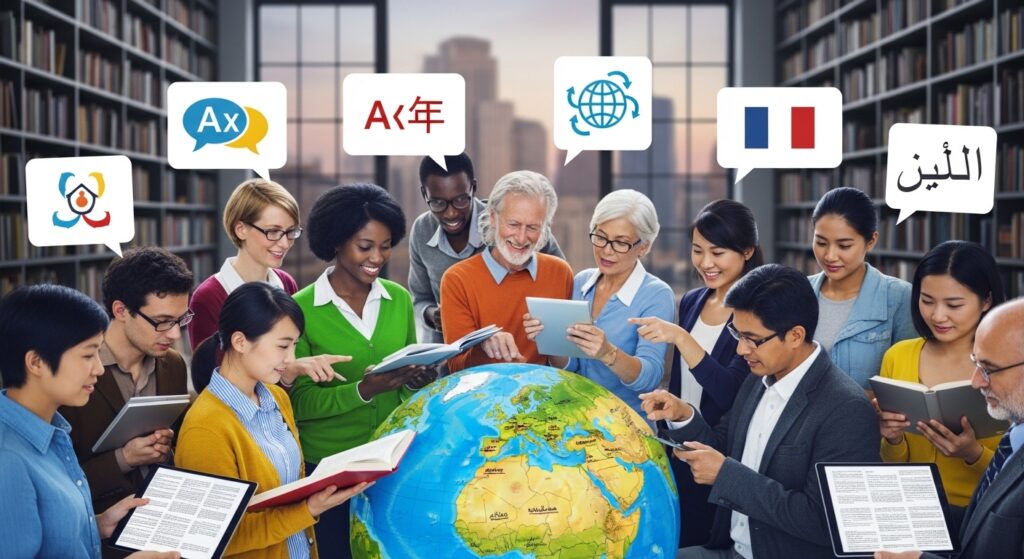
Successful multilingual teams require more than just language diversity—they need members who possess cultural intelligence, communication flexibility, and collaborative skills that enable effective cross-cultural interaction. Building these teams involves careful consideration of both technical competencies and soft skills that support multilingual communication.
Organizations that prioritize these capabilities often find that their multilingual teams outperform monolingual ones in creativity, problem-solving, and market understanding.
Recruitment strategies for multilingual communication roles should assess candidates’ ability to navigate cultural differences, adapt their communication styles, and work effectively with diverse groups. This assessment goes beyond language testing to include scenarios that reveal how candidates handle cultural misunderstandings, communication breakdowns, and the complex dynamics that arise in multilingual team settings.
The best candidates demonstrate patience, curiosity, and resilience—qualities essential for effective multilingual communication.
Team composition considerations for multilingual communication environments involve balancing language skills, cultural backgrounds, and communication styles to create groups that can work effectively together.
This might mean pairing direct communicators with those from high-context cultures, or ensuring that teams include members who can serve as cultural bridges between different communication styles. Thoughtful team composition enhances multilingual communication effectiveness from the outset.
Leadership development for multilingual communication contexts requires specialized skills that go beyond traditional management capabilities. Leaders of multilingual teams must understand how to facilitate inclusive meetings, resolve cultural conflicts, and ensure that all team members can contribute effectively regardless of their primary language.
These leaders often serve as cultural translators, helping team members understand not just what was said, but what was meant within specific cultural contexts.
Mentoring programs that focus on multilingual communication skills can accelerate development for team members who are building their cross-cultural competencies. These programs often pair experienced multilingual communicators with those who are developing their skills, providing opportunities for practical learning and cultural guidance. The relationships formed through these programs often become valuable resources for ongoing multilingual communication challenges.
Performance evaluation systems for multilingual teams should account for the additional complexity and cognitive load involved in cross-cultural communication. Traditional metrics may not capture the full value that effective multilingual communicators bring to their teams and organizations.
Developing evaluation criteria that recognize cultural intelligence, communication adaptation, and inclusive collaboration helps organizations better support and reward multilingual communication excellence.
Measuring Success in Multilingual Communication Initiatives
Measuring the effectiveness of multilingual communication efforts requires comprehensive approaches that go beyond simple language proficiency assessments to include cultural competency, relationship quality, and business outcomes. Organizations serious about improving their multilingual communication capabilities develop metrics that capture both quantitative and qualitative indicators of success.
These measurements help guide investment decisions and identify areas for continued improvement.
Customer satisfaction metrics in multilingual communication contexts should account for cultural expectations and communication preferences that vary across different markets. Surveys and feedback mechanisms need to be culturally adapted to gather meaningful data about communication effectiveness.
Companies often find that satisfaction levels vary significantly across different cultural groups, even when the same communication strategies are used.
Team effectiveness measurements for multilingual groups include assessments of psychological safety, participation levels, and innovation outcomes that reflect the quality of cross-cultural collaboration. These metrics help organizations understand whether their multilingual communication initiatives are creating inclusive environments where diverse perspectives can contribute to better outcomes.
High-performing multilingual teams often demonstrate superior creativity and problem-solving capabilities compared to culturally homogeneous groups.
Business impact assessments of multilingual communication improvements track metrics such as international sales growth, market penetration in diverse regions, and customer retention across different cultural segments. These measurements help justify investments in multilingual communication capabilities and identify the most effective strategies for different markets and customer groups.
Employee engagement surveys in multilingual organizations should include questions that specifically address communication experiences, cultural inclusion, and opportunities for cross-cultural learning. These surveys often reveal disparities in experience between native and non-native speakers, highlighting areas where multilingual communication support could be improved.
Organizations that regularly collect and act on this feedback typically see improvements in retention and job satisfaction among their diverse workforce.
Return on investment calculations for multilingual communication initiatives should consider both direct costs (translation services, training programs, technology platforms) and indirect benefits (improved relationships, reduced misunderstandings, expanded market opportunities). While some benefits are difficult to quantify, organizations that take comprehensive approaches to measuring multilingual communication success often find that the benefits significantly outweigh the costs.
Future Trends in Multilingual Communication
The future of multilingual communication will be shaped by advancing technology, changing demographics, and evolving business needs that require more sophisticated approaches to cross-cultural interaction.
Artificial intelligence and machine learning will continue improving translation accuracy and cultural adaptation, while virtual and augmented reality technologies may create new possibilities for immersive multilingual communication experiences. Understanding these trends helps organizations prepare for the evolving landscape of global communication.
Artificial intelligence developments in multilingual communication will likely include more nuanced understanding of cultural context, emotional intelligence in translation, and personalized communication adaptation based on individual preferences and cultural backgrounds. These advances may reduce some current barriers to multilingual communication while creating new opportunities for more natural and effective cross-cultural interaction.
Remote work trends have accelerated the need for effective multilingual communication tools and strategies, as teams distributed across the globe must collaborate effectively without the benefit of in-person interaction. This shift has highlighted both the challenges and opportunities in multilingual communication, driving innovation in digital collaboration tools and virtual communication strategies.
Generational differences in multilingual communication preferences are becoming more apparent as digital natives bring different expectations and capabilities to cross-cultural interaction. Younger professionals often demonstrate greater comfort with technology-assisted multilingual communication while also seeking authentic, relationship-based interaction that transcends language barriers.
Educational institutions are increasingly recognizing the importance of multilingual communication skills, integrating cross-cultural competency training into business, engineering, and other professional programs. This educational focus will likely produce graduates who are better prepared for multilingual work environments and can contribute to more effective international collaboration from the start of their careers.
The landscape of multilingual communication continues to evolve rapidly, driven by technological advances, changing workforce demographics, and increasing global interconnectedness. Organizations that invest in comprehensive multilingual communication capabilities will be better positioned to succeed in this dynamic environment, building stronger relationships, accessing new markets, and creating competitive advantages through effective cross-cultural collaboration.
At Directline Translator, we remain committed to helping our clients navigate these complexities and achieve their multilingual communication goals through professional translation services, cultural consulting, and ongoing support for international business success.
FAQs On Understanding the Fundamentals of Multilingual Communication:
What are the most important skills for effective multilingual communication? The most important skills include cultural awareness, active listening, patience, and the ability to adapt communication styles based on your audience’s cultural background and language proficiency. Technical language skills are important, but emotional intelligence and cultural sensitivity often matter more for building successful relationships across language barriers.
How can technology help improve multilingual communication in business settings? Technology offers translation apps, real-time interpretation services, multilingual collaboration platforms, and AI-powered communication tools that can bridge language gaps. However, technology works best when combined with human cultural intelligence and should be used to support, not replace, human connection in multilingual communication scenarios.
What are common mistakes people make when communicating across languages? Common mistakes include assuming that everyone shares the same communication style, using idioms or cultural references that don’t translate well, speaking too quickly, and failing to confirm understanding. Many people also underestimate the cognitive load involved in multilingual communication and don’t provide adequate processing time.
How can organizations create inclusive environments for multilingual communication? Organizations can create inclusive environments by providing multilingual resources, offering cultural competency training, establishing clear communication protocols, and ensuring that non-native speakers have equal opportunities to participate and contribute. Leadership commitment to inclusivity is essential for success.
When should companies invest in professional translation services versus relying on internal multilingual staff? Professional translation services are essential for legal documents, marketing materials, technical documentation, and any communication where accuracy is critical. Internal multilingual staff are valuable for day-to-day communication and cultural guidance, but professional services ensure accuracy and cultural appropriateness for important business communications.
How do cultural differences affect multilingual business negotiations? Cultural differences significantly impact negotiation styles, decision-making processes, relationship building approaches, and communication directness. Understanding these differences helps negotiators adapt their strategies, build trust, and achieve better outcomes in multilingual business settings.
What role does non-verbal communication play in multilingual interactions? Non-verbal communication becomes even more important in multilingual interactions because people rely on visual cues when language comprehension is challenging. However, non-verbal signals vary dramatically across cultures, so understanding these differences is crucial for effective cross-cultural communication.
How can teams measure the effectiveness of their multilingual communication efforts? Teams can measure effectiveness through participant feedback, achievement of communication objectives, relationship quality assessments, and business outcomes such as international sales or partnership success. Regular surveys and informal check-ins help identify areas for improvement.
What are the biggest challenges facing multilingual communication in remote work environments? Remote work challenges include technology limitations, reduced non-verbal communication, time zone coordination difficulties, and the loss of informal interaction opportunities that help build relationships across cultures. Successful remote multilingual communication requires intentional strategies to address these challenges.
How can individuals improve their personal multilingual communication skills? Individuals can improve by studying other cultures, practicing active listening, seeking feedback from multilingual colleagues, participating in cultural exchange programs, and developing patience and empathy for the challenges faced by non-native speakers. Continuous learning and cultural curiosity are key to improvement.