 directlineauthors
Expanding your business into international markets opens doors to millions of potential customers who speak different languages. However, the path to global success isn’t as simple as running your existing marketing materials through a basic translation tool. Marketing campaign translation requires a deep understanding of cultural nuances, local preferences, and market-specific messaging that resonates with your target audience.
When companies attempt to reach new customers across language barriers, they often discover that direct translation falls short of creating meaningful connections. A campaign that performs exceptionally well in English might completely miss the mark when translated word-for-word into Spanish, Mandarin, or German. This disconnect happens because effective marketing speaks to emotions, cultural values, and local experiences that vary significantly between regions.
The difference between a successful international marketing campaign and one that fails to generate leads often comes down to the quality and cultural sensitivity of the translation work. Marketing campaign translation goes beyond converting words from one language to another – it involves adapting your entire message to fit the cultural context, buying behaviors, and communication styles of your new target market.
Professional translation services understand that each market presents unique challenges and opportunities. They work with native speakers who not only master the language but also live and breathe the culture of your target audience. This insider knowledge becomes invaluable when crafting campaigns that feel authentic and compelling to local consumers.
Throughout this comprehensive guide, we’ll examine how strategic marketing campaign translation can transform your business reach, the common pitfalls that derail international marketing efforts, and the proven methods that leading companies use to connect with customers worldwide. You’ll learn practical strategies for adapting your campaigns across different markets while maintaining your brand’s core identity and values.
How Marketing Campaign Translation Builds Customer Connections Across Cultures
Building authentic connections with customers in foreign markets requires more than linguistic accuracy. Marketing campaign translation succeeds when it captures the emotional resonance that drives purchasing decisions in each specific culture. This process involves understanding how different societies perceive value, trust, and brand relationships.
Consider how humor translates across cultures. A witty campaign that generates laughs and shares in the United States might confuse or even offend audiences in Japan, where communication styles tend to be more formal and indirect. Professional translators who specialize in marketing materials understand these cultural subtleties and adapt messaging accordingly.
The most effective marketing campaign translation projects begin with comprehensive market research. This research identifies local competitors, popular communication channels, seasonal buying patterns, and cultural taboos that could impact your campaign’s reception. Armed with this information, translation teams can craft messages that feel native to the target market rather than foreign adaptations.
Successful international brands invest heavily in market-specific campaign development rather than simply translating existing materials. They recognize that marketing campaign translation often requires reimagining entire concepts to align with local values and preferences. This approach might seem resource-intensive initially, but it generates significantly higher conversion rates and customer loyalty over time.
Customer testimonials and case studies require particularly careful handling during marketing campaign translation. What motivates customers in one culture might not resonate with audiences elsewhere. Professional translation services often recommend developing region-specific testimonials that highlight benefits most valued by local customers, rather than directly translating testimonials from your home market.
Strategic Marketing Campaign Translation Methods That Drive International Growth
Effective marketing campaign translation follows a systematic approach that considers every element of your promotional materials. This methodology ensures consistency across all touchpoints while allowing flexibility for cultural adaptation. The process typically begins with a comprehensive audit of existing marketing assets and identification of elements that require localization versus straight translation.
Brand messaging frameworks provide the foundation for successful marketing campaign translation projects. These frameworks establish core brand values and positioning statements that remain consistent across markets, while identifying elements that can be adapted for local relevance. This balance between consistency and flexibility helps maintain brand recognition while maximizing local appeal.
The translation timeline plays a crucial role in campaign success. Rush jobs often result in oversights or cultural missteps that can damage brand reputation in new markets. Professional marketing campaign translation services recommend building adequate time for multiple review cycles, cultural consultation, and market testing before launching campaigns internationally.
Collaborative workflows between marketing teams and translation specialists produce the strongest results. This collaboration involves regular communication about campaign objectives, target audience insights, and performance expectations. When translators understand the strategic goals behind each campaign element, they can make more informed decisions about cultural adaptation and message optimization.
Quality assurance protocols specific to marketing materials differ significantly from standard document translation processes. Marketing campaign translation requires native speakers who understand local marketing practices, regulatory requirements, and industry terminology. These specialists review translated materials not just for linguistic accuracy, but for marketing effectiveness and cultural appropriateness.
Cultural Adaptation in Marketing Campaign Translation for Global Success
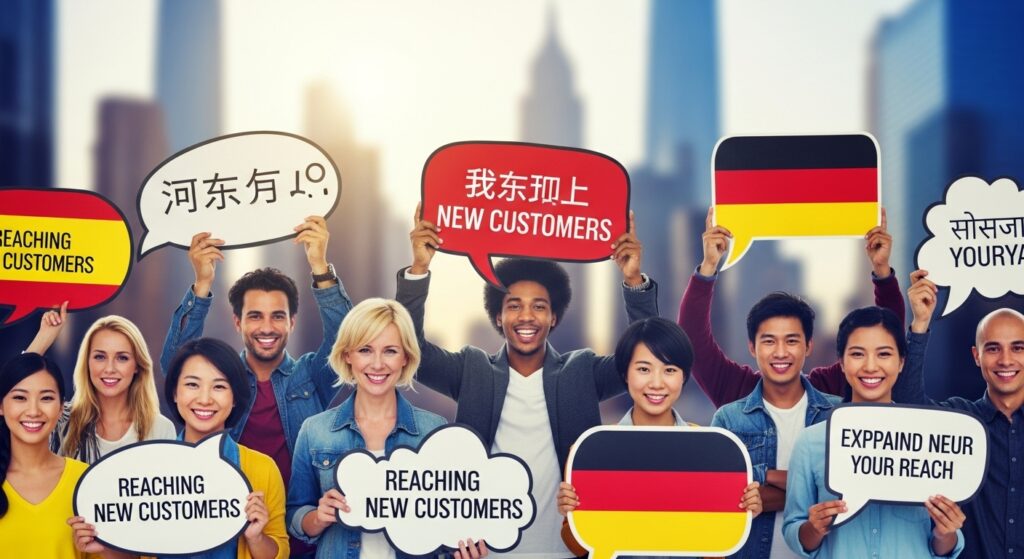
Cultural adaptation represents the most complex aspect of marketing campaign translation, requiring deep understanding of social norms, values, and communication preferences in each target market. This process goes far beyond language conversion to address fundamental differences in how cultures perceive brands, make purchasing decisions, and respond to marketing messages.
Color psychology varies dramatically between cultures, making visual adaptation a critical component of marketing campaign translation. Red symbolizes good fortune in Chinese culture but represents danger or warning in many Western contexts. Professional translation teams work with local design specialists to ensure visual elements support rather than undermine translated messaging.
Religious considerations often influence marketing campaign translation decisions, particularly in regions with strong religious traditions. Products, timing, and messaging that seem neutral in secular markets might conflict with religious observances or values elsewhere. Experienced translators help brands navigate these sensitivities while maintaining campaign effectiveness.
Gender roles and family structures differ significantly across cultures, affecting how marketing messages resonate with target audiences. A campaign celebrating individual achievement might perform well in individualistic cultures but fail to connect with audiences in more collectivist societies. Marketing campaign translation specialists adapt messaging to align with local social structures and values.
Local holidays, seasonal patterns, and cultural events provide opportunities for enhanced campaign relevance when properly incorporated into marketing campaign translation projects. Understanding these cultural rhythms allows brands to time campaigns appropriately and reference relevant cultural touchpoints that increase audience engagement and brand affinity.
Technology Integration in Modern Marketing Campaign Translation Workflows
Modern marketing campaign translation leverages advanced technology platforms to streamline processes while maintaining human oversight for cultural nuances. Translation management systems help coordinate complex projects involving multiple languages, deadlines, and stakeholder approvals. These platforms provide transparency and efficiency without sacrificing the personal attention that marketing materials require.
Computer-assisted translation tools support human translators by identifying previously translated phrases and maintaining consistency across campaign elements. However, these tools work best as aids rather than replacements for skilled human translators who understand marketing psychology and cultural adaptation requirements.
Artificial intelligence increasingly supports marketing campaign translation through automated quality checks, terminology management, and preliminary translation drafts. However, successful campaigns still require human expertise for cultural adaptation, creative translation, and strategic message optimization that resonates with local audiences.
Digital asset management becomes particularly important in marketing campaign translation projects involving multiple markets and formats. Centralized systems help track translated versions, approval status, and usage rights across different regions. This organization prevents confusion and ensures consistent brand representation across all markets.
Real-time collaboration tools enable marketing teams and translators to work together seamlessly, regardless of geographic location. These platforms support immediate feedback, rapid revisions, and coordinated campaign launches across multiple time zones. The result is more agile marketing campaign translation processes that can respond quickly to market opportunities or competitive challenges.
Budget Planning and ROI Optimization for Marketing Campaign Translation Projects
Effective budget planning for marketing campaign translation requires understanding both direct translation costs and indirect expenses related to cultural adaptation, market research, and campaign optimization. Many companies underestimate the total investment required for successful international marketing expansion, leading to compromised results or abandoned projects.
Cost structures for marketing campaign translation vary significantly based on language pairs, content complexity, and timeline requirements. Premium languages like Japanese or Arabic typically command higher rates due to the specialized expertise required. Rush projects often incur premium charges, making advance planning a cost-effective strategy.
Return on investment calculations for marketing campaign translation should consider long-term market development rather than just immediate campaign performance. Building brand recognition and customer relationships in new markets often requires sustained investment over multiple campaign cycles. However, successful market entry can generate substantial revenue growth that justifies initial translation investments.
Volume discounts and ongoing relationship benefits make partnering with specialized marketing campaign translation services more economical than project-by-project arrangements. Established relationships allow translation teams to develop deeper understanding of your brand voice, target audiences, and campaign objectives, resulting in more effective translations and better results over time.
Performance tracking and optimization continue throughout the campaign lifecycle, requiring ongoing translation support for A/B testing, message refinement, and seasonal adaptations. Building these ongoing costs into initial budget planning ensures campaigns can be optimized for maximum effectiveness rather than being abandoned due to unforeseen expenses.
Quality Assurance Standards for Professional Marketing Campaign Translation
Quality assurance in marketing campaign translation extends beyond grammatical accuracy to include cultural appropriateness, brand consistency, and marketing effectiveness. Professional translation services implement multi-stage review processes that evaluate translated materials from linguistic, cultural, and strategic perspectives.
Native speaker review remains the gold standard for marketing campaign translation quality assurance. These reviewers evaluate translations not just for accuracy, but for naturalness, cultural sensitivity, and persuasive impact. They can identify subtle issues that might not be apparent to non-native speakers but could significantly impact campaign performance.
Brand voice consistency requires specialized attention during marketing campaign translation quality assurance. Translators must maintain the personality and tone that defines your brand while adapting messaging for local cultural preferences. This balance requires ongoing calibration and feedback to ensure translated materials feel authentically connected to your brand identity.
Market testing of translated materials provides valuable quality assurance insights before full campaign launches. Focus groups, surveys, and limited market tests can reveal issues or opportunities that weren’t apparent during the translation process. This testing investment often pays for itself through improved campaign performance and reduced risk of cultural missteps.
Regulatory compliance varies significantly between markets, making legal review an important component of marketing campaign translation quality assurance. What’s permissible in one market might violate regulations elsewhere. Professional translation services often maintain relationships with local legal experts who can review translated materials for compliance issues.
Team Coordination and Project Management in Marketing Campaign Translation
Successful marketing campaign translation requires coordination between multiple stakeholders, including marketing managers, translators, designers, legal reviewers, and local market representatives. Project management systems help orchestrate these complex workflows while maintaining clear communication and accountability.
Timeline coordination becomes particularly challenging when marketing campaign translation involves multiple languages and markets with different launch schedules. Professional project managers use specialized tools to track dependencies, identify potential delays, and optimize resource allocation across concurrent projects.
Stakeholder communication protocols ensure all team members understand their roles, deadlines, and quality expectations. Regular check-ins and status updates help identify issues early when they’re easier and less expensive to resolve. Clear communication also ensures that cultural insights and market feedback are incorporated into translation decisions.
Resource allocation strategies balance quality requirements with budget constraints and timeline pressures. Experienced project managers understand when to invest in premium translation services versus when standard services are sufficient. They also know how to optimize translator assignments based on expertise, availability, and project requirements.
Change management processes handle inevitable revisions and updates that occur during marketing campaign translation projects. Well-defined change procedures prevent scope creep while ensuring that important improvements can be incorporated without derailing project timelines or budgets.
Measuring Success in Marketing Campaign Translation Performance Analytics
Performance measurement for marketing campaign translation requires tracking metrics that reflect both translation quality and campaign effectiveness. Standard marketing metrics like click-through rates and conversion rates provide important insights, but they should be supplemented with translation-specific measurements that evaluate cultural resonance and message clarity.
A/B testing becomes particularly valuable when evaluating marketing campaign translation effectiveness. Testing different translation approaches, cultural adaptations, or localization strategies helps identify what resonates best with each target audience. These insights inform future translation decisions and campaign optimizations.
Customer feedback analysis provides qualitative insights into marketing campaign translation performance. Comments, reviews, and direct feedback can reveal how well translated messages connect with target audiences. This feedback often identifies opportunities for improvement that aren’t apparent from quantitative metrics alone.
Market penetration rates and brand awareness measurements help evaluate the long-term impact of marketing campaign translation investments. While individual campaigns might show modest short-term returns, successful translation strategies often build cumulative benefits that compound over time as brands establish stronger positions in international markets.
Competitive analysis in translated markets helps benchmark marketing campaign translation performance against local and international competitors. Understanding how your translated campaigns compare to others in the same market provides context for performance evaluation and identifies opportunities for competitive advantage.
Future Trends in Marketing Campaign Translation Technology and Methods
Artificial intelligence continues advancing marketing campaign translation capabilities, but human expertise remains essential for cultural adaptation and strategic message optimization. Future developments will likely combine AI efficiency with human creativity and cultural intelligence to produce even more effective translated campaigns.
Personalization technology increasingly supports marketing campaign translation by enabling message customization based on individual customer preferences, cultural backgrounds, and behavioral patterns. This technology allows brands to deliver more relevant messages while maintaining translation efficiency and cost-effectiveness.
Real-time translation capabilities are improving rapidly, potentially enabling dynamic campaign optimization based on immediate market feedback. However, marketing messages require careful cultural consideration that may limit the application of real-time translation to certain types of campaign elements.
Integration platforms are simplifying marketing campaign translation workflows by connecting translation services directly with marketing automation systems, content management platforms, and analytics tools. These integrations reduce manual work while improving coordination between translation and marketing teams.
Augmented reality and virtual reality technologies present new challenges and opportunities for marketing campaign translation. These immersive experiences require translation approaches that consider spatial relationships, user interactions, and cultural preferences in ways that traditional media don’t require.
Regional Market Considerations in Marketing Campaign Translation Strategies

Different regions present unique challenges and opportunities for marketing campaign translation that require specialized approaches and cultural understanding. European markets, for example, involve multiple languages within relatively small geographic areas, requiring careful coordination to maintain brand consistency while respecting local preferences.
Asian markets often require more extensive cultural adaptation due to fundamental differences in communication styles, social hierarchies, and business relationships. Marketing campaign translation for these markets typically involves more comprehensive message restructuring rather than direct translation approaches.
Latin American markets present language variations within the same linguistic family that can significantly impact campaign effectiveness. Spanish spoken in Mexico differs from Spanish in Argentina, and these differences extend beyond vocabulary to include cultural references and communication patterns.
Middle Eastern markets require careful consideration of religious and cultural sensitivities that can vary significantly between countries in the region. Marketing campaign translation for these markets often requires consultation with local cultural experts to ensure appropriate messaging and imagery.
African markets present linguistic diversity challenges with hundreds of local languages alongside colonial languages. Marketing campaign translation strategies must balance reach and cultural relevance when selecting target languages and adaptation approaches.
Frequently Asked Questions About Marketing Campaign Translation
What makes marketing campaign translation different from regular document translation?
Marketing campaign translation focuses on persuasion and emotional connection rather than just information transfer. It requires understanding of cultural psychology, local market conditions, and consumer behavior patterns that influence purchasing decisions. This specialization demands translators with marketing expertise and cultural intelligence beyond standard linguistic skills.
How long does professional marketing campaign translation typically take?
Timeline varies based on content volume, number of target languages, and complexity of cultural adaptation required. Simple campaigns might be completed in 1-2 weeks, while comprehensive multi-market launches often require 4-8 weeks for proper research, translation, and quality assurance. Rush projects are possible but may compromise quality or increase costs significantly.
Should we translate existing campaigns or create new ones for international markets?
The best approach depends on how well your existing campaign concepts align with target market preferences and cultural values. Some campaigns translate effectively with minor adaptations, while others require complete reconceptualization. Professional marketing campaign translation services can evaluate your existing materials and recommend the most effective approach for each market.
How do we maintain brand consistency across translated marketing campaigns?
Brand consistency requires establishing clear brand guidelines that define core values, personality traits, and positioning statements that remain constant across all markets. These guidelines provide framework for translators while allowing flexibility for cultural adaptation. Regular reviews and approval processes ensure translated materials align with brand standards.
What’s the typical cost range for professional marketing campaign translation?
Costs vary significantly based on language pairs, content complexity, timeline requirements, and level of cultural adaptation needed. Basic translation might cost $0.15-0.30 per word, while comprehensive marketing localization can range from $0.40-0.80 per word or more. Project-based pricing often provides better value for comprehensive campaigns involving multiple deliverables.
How do we measure the effectiveness of translated marketing campaigns?
Effectiveness measurement should include both marketing metrics (conversion rates, engagement levels, brand awareness) and translation-specific indicators (cultural resonance, message clarity, local market penetration). A/B testing different translation approaches and gathering customer feedback provide valuable insights into campaign performance and optimization opportunities.
What languages should we prioritize for marketing campaign translation?
Language prioritization should be based on market opportunity, competition levels, and resource availability rather than just population size. Markets with high purchasing power, low competition, or strong demand for your product category might offer better returns than larger markets with intense competition or cultural barriers.
Can we use machine translation tools for marketing campaign translation?
Machine translation tools can support the translation process but shouldn’t replace human expertise for marketing materials. These tools work best for preliminary drafts or terminology consistency, while human translators handle cultural adaptation, creative expression, and strategic message optimization that drives campaign success.
How do cultural differences impact marketing campaign translation decisions?
Cultural differences influence every aspect of marketing campaign translation, from color choices and imagery to message structure and call-to-action phrasing. Understanding local values, communication styles, social norms, and consumer behavior patterns is essential for creating campaigns that resonate with target audiences rather than seeming foreign or inappropriate.
What qualifications should we look for in marketing campaign translation services?
Look for services that combine linguistic expertise with marketing knowledge and cultural intelligence. Ideal providers have native-speaking translators with marketing backgrounds, experience in your industry, and proven track records of successful international campaign launches. Professional certifications, client testimonials, and case studies provide valuable indicators of service quality.
Marketing campaign translation represents a powerful tool for business growth when executed with proper planning, cultural sensitivity, and professional expertise. By understanding the complexities involved and partnering with qualified translation specialists, companies can successfully reach new customers across linguistic and cultural boundaries while building sustainable competitive advantages in global markets.