 directlineauthors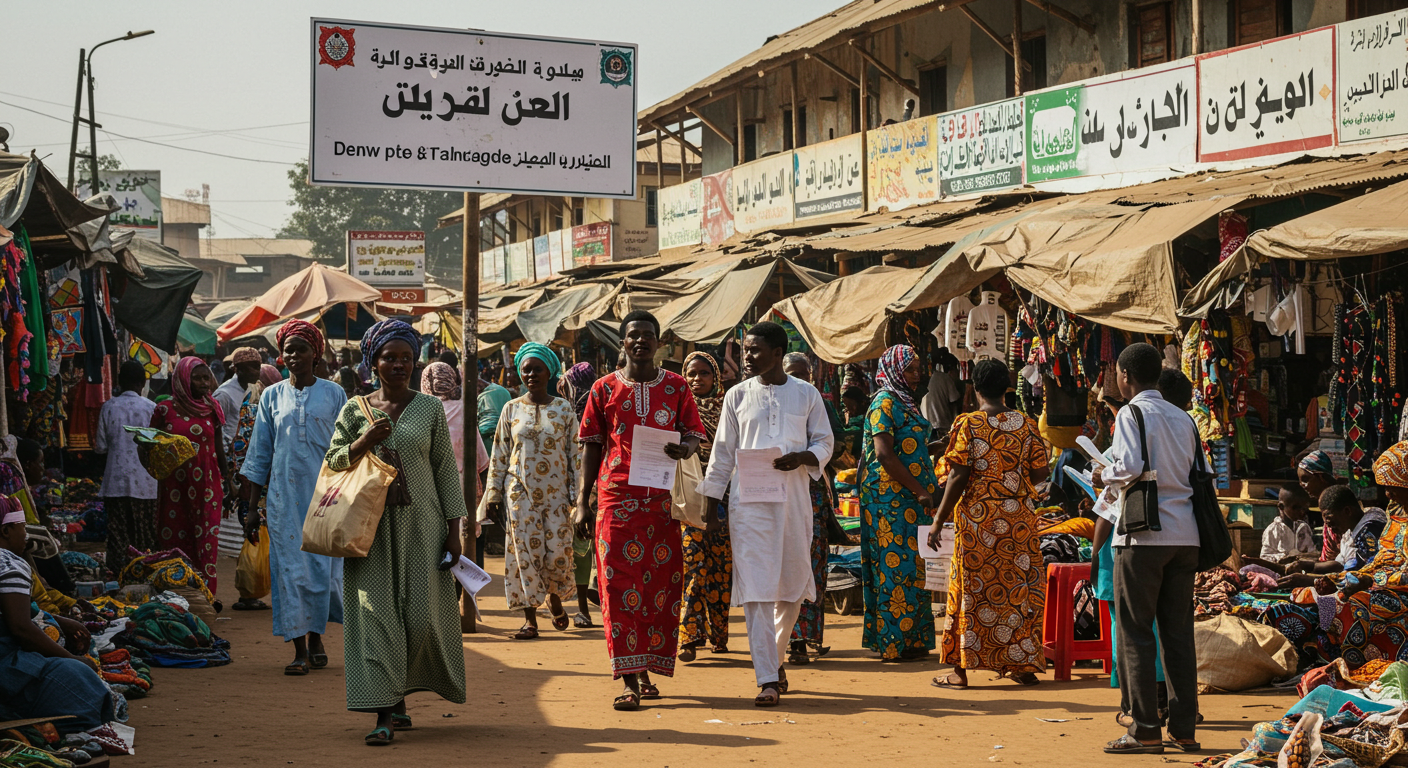
The African continent presents one of the world’s most compelling opportunities for Arabic translation services, with over 300 million Arabic speakers spread across diverse nations from Morocco’s Atlantic shores to Sudan’s Red Sea coastline. This vast linguistic landscape represents far more than mere numbers—it embodies centuries of cultural heritage, commercial tradition, and modern economic potential that forward-thinking businesses cannot afford to ignore.
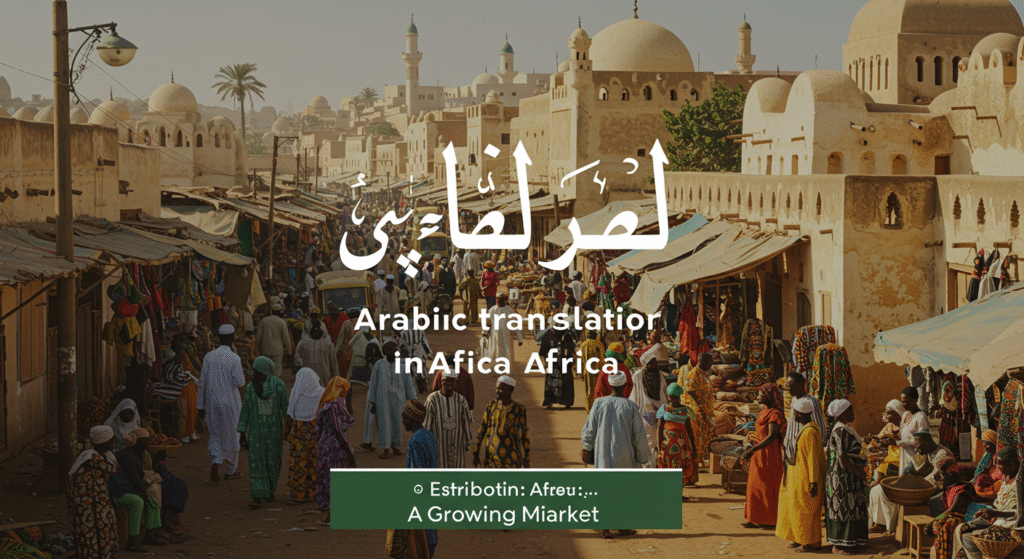
Arabic translation in Africa has become the gateway to unlocking unprecedented market opportunities across multiple sectors, from oil and gas to telecommunications, banking, and emerging technology sectors.
The complexity of Arabic translation in Africa extends beyond traditional Middle Eastern Arabic, encompassing unique regional dialects, cultural expressions, and business practices that have evolved distinctively across the continent.
North African Arabic differs significantly from Gulf Arabic, while Sudanese Arabic carries its own linguistic characteristics that influence how messages are received and interpreted. Understanding these nuances becomes critical for companies seeking authentic connections with African Arabic-speaking markets.
Professional Arabic translation in Africa requires more than linguistic competency—it demands deep cultural understanding, regional expertise, and industry-specific knowledge that can navigate the intricate relationships between traditional values and modern business practices. From Morocco’s emerging automotive industry to Algeria’s energy sector, from Egypt’s technology boom to Sudan’s agricultural initiatives, each market presents unique challenges and opportunities that skilled translators must address.
Arabic translation in Africa represents your bridge to accessing some of the world’s most promising emerging markets, where cultural sensitivity and linguistic precision can determine the difference between spectacular success and costly failure.
The economic transformation sweeping across Arabic-speaking Africa has created an urgent demand for professional translation services that can facilitate international business, support infrastructure development, and enable knowledge transfer across linguistic boundaries. Stay with us as we explore the vast potential of this growing market and discover how strategic Arabic translation can position your business at the forefront of Africa’s remarkable economic evolution.
Understanding the Scope of Arabic Translation in Africa’s Diverse Markets
Arabic translation in Africa encompasses a remarkable linguistic diversity that spans from Morocco’s Maghrebi Arabic to Sudan’s regional variants, each carrying distinct cultural and commercial implications for business communications. The continent’s Arabic-speaking population represents approximately 400 million people across multiple countries, creating market opportunities that rival those found in traditional Middle Eastern regions.
Directline Translators recognizes that successful Arabic translation in Africa requires understanding these regional differences and adapting content accordingly for maximum impact.
North African Arabic translation presents unique challenges due to French colonial influences that have shaped business terminology, legal frameworks, and educational systems.
Countries like Morocco, Algeria, and Tunisia blend Arabic with French expressions in their commercial communications, requiring translators who understand both linguistic traditions and can navigate code-switching patterns that characterize modern North African business discourse. This trilingual reality creates complexity that generic translation services often struggle to address effectively.
Egyptian Arabic holds special significance in Arabic translation across Africa due to the country’s cultural influence through media, entertainment, and educational content. Many Africans outside Egypt understand Egyptian Arabic through television, movies, and music, making it a valuable bridge language for content that needs to reach diverse Arabic-speaking audiences.
However, formal business communications still require Modern Standard Arabic adapted to local business customs and regulatory requirements.
Sudanese Arabic translation involves unique considerations due to the country’s position between Arab and sub-Saharan African cultures. The language incorporates influences from local African languages, creating expressions and cultural references that don’t exist in other Arabic variants. Companies operating in Sudan’s emerging markets need Arabic translation that respects these cultural nuances while maintaining professional credibility.
The growth of pan-African trade initiatives has increased demand for Arabic translation services that can work across multiple countries simultaneously. The African Continental Free Trade Agreement has created opportunities for businesses to expand across Arabic-speaking markets, but success requires translation strategies that account for linguistic variations, cultural preferences, and regulatory differences between countries.
Digital transformation across Arabic-speaking Africa has created new content types and communication channels that require specialized translation approaches. Social media platforms, mobile applications, and e-commerce websites all need Arabic translation that considers local internet usage patterns, device preferences, and digital literacy levels that vary significantly across different markets.
Regional Variations in Arabic Translation Requirements Across Africa
Arabic translation in Africa must account for significant regional variations that influence how messages are received, interpreted, and acted upon by target audiences. Maghrebi Arabic, spoken across Morocco, Algeria, and Tunisia, incorporates substantial Berber and French influences that create unique linguistic patterns not found in other Arabic regions. These influences affect business terminology, formal communications, and cultural references that professional translators must understand to create effective content.
Moroccan Arabic translation requires understanding of the country’s multilingual reality, where Arabic, Berber, and French all play important roles in different business contexts. International companies often need documents translated into multiple languages simultaneously, while ensuring consistency across all versions. The kingdom’s emerging automotive and aerospace industries have created demand for technical Arabic translation that can handle complex manufacturing terminology and quality control procedures.
Algerian Arabic translation faces unique challenges due to the country’s complex relationship with French language usage in business and government sectors. While Arabic serves as the official language, French remains prevalent in technical fields, international business, and higher education. Professional Arabic translation services must navigate these linguistic preferences while ensuring compliance with language policies that favor Arabic in official communications.
Tunisian Arabic translation benefits from the country’s relatively high literacy rates and advanced telecommunications infrastructure, but requires understanding of the local business culture that blends traditional values with progressive economic policies. The country’s growing technology sector needs Arabic translation for software interfaces, technical documentation, and user training materials that resonate with local professionals while maintaining international standards.
Egyptian Arabic translation serves markets beyond Egypt’s borders due to the country’s cultural influence across Africa and the Middle East. However, business communications require Modern Standard Arabic adapted to Egyptian commercial practices, legal frameworks, and regulatory requirements. The country’s large population and strategic location make it a gateway for companies seeking to expand across Arabic-speaking Africa.
Sudanese Arabic translation requires specialized knowledge of local expressions, cultural practices, and business customs that reflect the country’s unique position between Arab and African cultures. Recent political changes have created new opportunities for international business, but success requires Arabic translation that demonstrates cultural sensitivity and understanding of local market conditions.
Libyan Arabic translation faces unique challenges due to ongoing political instability, but the country’s oil resources and reconstruction needs create significant opportunities for international companies. Professional translators must stay current with rapidly changing political and economic conditions while maintaining cultural authenticity in their translations.
Business Sectors Driving Demand for Arabic Translation in Africa
The energy sector represents the largest driver of Arabic translation demand across Africa, with oil and gas projects in Algeria, Libya, Egypt, and Sudan requiring extensive documentation in Arabic for regulatory compliance, environmental assessments, and community engagement. International energy companies need Arabic translation for technical specifications, safety procedures, environmental impact studies, and stakeholder communications that must meet both international standards and local regulatory requirements.
Mining operations across Arabic-speaking Africa create substantial demand for Arabic translation services that can handle geological surveys, environmental assessments, safety protocols, and community relations materials. Countries like Morocco with its phosphate industry and Sudan with gold mining operations need professional translation that can communicate complex technical concepts while addressing community concerns and regulatory compliance requirements.
Infrastructure development projects funded by international organizations and foreign governments require comprehensive Arabic translation for project documentation, environmental studies, community consultation materials, and construction specifications. The African Development Bank and similar institutions often mandate that major projects provide Arabic translations of key documents to ensure local community understanding and participation.
Telecommunications and technology sectors across Arabic-speaking Africa need Arabic translation for user interfaces, customer support materials, marketing communications, and technical documentation. The rapid growth of mobile phone usage and internet connectivity has created demand for Arabic translation that considers local digital habits, device preferences, and technological literacy levels.
Banking and financial services require specialized Arabic translation for regulatory documents, customer agreements, investment products, and educational materials about financial services. Islamic banking principles influence financial terminology and product descriptions, requiring translators who understand both conventional banking and Sharia-compliant financial instruments.
Healthcare organizations need Arabic translation for medical equipment documentation, pharmaceutical information, public health campaigns, and patient education materials. Cultural beliefs about health and medicine influence how medical information should be presented, requiring translators who understand both medical terminology and local health practices.
Agricultural development projects require Arabic translation for technical manuals, training materials, market information, and extension services that help farmers adopt new technologies and practices. Climate change adaptation and food security initiatives create demand for translation services that can communicate complex agricultural concepts in culturally appropriate ways.
Education sector demand for Arabic translation includes textbooks, e-learning platforms, educational software, and teacher training materials. Many countries are working to modernize their educational systems while preserving cultural values, requiring translation approaches that balance international standards with local cultural contexts.
Tourism development creates demand for Arabic translation of promotional materials, travel guides, cultural information, and hospitality training resources. Countries like Morocco and Egypt with established tourism industries need translation that accurately represents their cultural attractions while appealing to international visitors.
Manufacturing industries expanding into Arabic-speaking Africa need translation for technical manuals, safety procedures, quality control documentation, and worker training materials. The growth of automotive, textile, and food processing industries creates ongoing demand for specialized industrial translation services.
Cultural Considerations Essential for Effective Arabic Translation in Africa
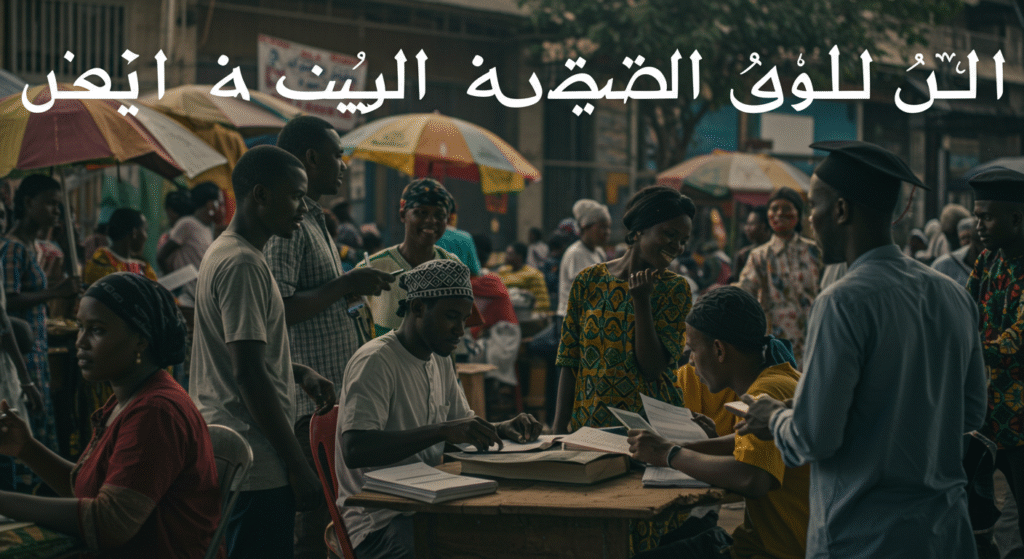
Arabic translation in Africa requires deep understanding of cultural values, religious practices, and social structures that influence how messages are received and interpreted. Islamic principles shape many aspects of business and social interaction, affecting everything from meeting schedules during religious holidays to appropriate imagery and messaging in marketing materials. Professional translators must understand these religious considerations while respecting the diversity of belief systems found across different Arabic-speaking communities.
Traditional gender roles and modern changes create complex social dynamics that influence Arabic translation strategies. Marketing messages, educational materials, and public communications must be crafted carefully to respect cultural sensitivities while supporting positive social development. Different Arabic-speaking countries in Africa have varying approaches to gender equality, requiring translation strategies that adapt to local contexts.
Hospitality and relationship-building traditions in Arabic-speaking cultures affect business communications significantly. Direct, task-oriented communication styles common in Western business may appear rude or disrespectful if not adapted for local audiences. Professional Arabic translation incorporates appropriate relationship-building language and cultural courtesies that demonstrate respect for local business customs.
Family and community structures play central roles in Arabic-speaking African societies, influencing purchasing decisions, career choices, and social interactions. Marketing translations must consider these collective decision-making patterns rather than focusing solely on individual consumers. Understanding extended family influences and community dynamics helps create more effective translated content.
Historical experiences with colonialism have shaped attitudes toward foreign languages and cultural influences in many Arabic-speaking African countries. Translation strategies must demonstrate respect for local culture and language while avoiding approaches that might be perceived as culturally insensitive or neo-colonial. This requires understanding historical contexts and contemporary cultural movements.
Food customs and dietary restrictions influence how products and services are marketed in Arabic-speaking Africa. Islamic dietary laws affect food and beverage marketing, while local culinary traditions influence how international food products should be presented. Restaurant menus, food packaging, and nutritional information all require culturally sensitive translation approaches.
Art, music, and literature references can make translations more engaging and culturally relevant when used appropriately. However, these cultural references require deep knowledge of local traditions and contemporary cultural movements to use effectively without appearing to appropriate or misuse cultural symbols.
Business etiquette and communication protocols vary across Arabic-speaking African countries, influenced by local customs, religious practices, and historical experiences. Professional Arabic translation incorporates appropriate levels of formality, respectful address forms, and cultural courtesies that demonstrate understanding of local business customs.
Color symbolism, religious imagery, and cultural symbols carry different meanings across Arabic-speaking cultures, requiring careful consideration in translated marketing materials and visual communications. What might be appropriate in one country could be problematic in another, requiring translation services that understand these cultural variations.
Oral tradition and storytelling play important roles in many Arabic-speaking African cultures, providing opportunities to make translated content more engaging and memorable. However, incorporating these elements requires deep cultural knowledge and sensitivity to avoid misrepresenting traditional stories or cultural practices.
Technical Challenges in Modern Arabic Translation Projects Across Africa
Arabic translation in Africa faces unique technical challenges due to the right-to-left text direction, complex typography requirements, and font compatibility issues across different platforms and devices. Many software applications and websites struggle to display Arabic text correctly, requiring translation services that understand both linguistic and technical requirements for proper presentation across digital platforms.
Character encoding problems can corrupt Arabic text during file transfers or database operations, making quality control processes essential for ensuring translated content displays correctly across all intended platforms. Professional Arabic translation services use appropriate character sets and encoding standards while testing content across multiple devices and operating systems to ensure consistent presentation.
Mobile device optimization presents particular challenges for Arabic translation in Africa, where smartphone usage often exceeds desktop computer access. Arabic text may not display properly on all mobile devices, and user interface elements may not accommodate the additional space often required for Arabic translations. Professional services test translated content across popular mobile platforms used in target markets.
Voice recognition and text-to-speech technologies for Arabic remain less developed than for languages like English, creating challenges for automated customer service systems and voice-enabled applications. Companies developing technology products for Arabic-speaking African markets need translation services that understand these technical limitations and can provide alternatives that ensure accessibility.
Desktop publishing and layout design require specialized expertise when working with Arabic text, as standard design software may not handle right-to-left text flow correctly. Marketing materials, technical manuals, and educational content all need careful attention to typography, spacing, and visual hierarchy to ensure professional presentation and readability.
Website localization for Arabic-speaking African markets involves more than translation, requiring adaptation of navigation patterns, layout designs, and user experience elements that work effectively with right-to-left text. Professional services provide comprehensive localization that addresses cultural preferences for website design and user interaction patterns.
Database and content management systems may not handle Arabic text correctly without proper configuration, creating challenges for companies managing large volumes of translated content. Professional translation services understand these technical requirements and can advise on system configurations that ensure proper handling of Arabic content.
Search engine optimization for Arabic content requires understanding of how search engines process Arabic text, relevant keywords in different dialects, and user search behaviors in Arabic-speaking African markets. Translation must balance linguistic accuracy with SEO requirements to ensure translated content ranks well in local search results.
Video subtitling and dubbing for Arabic content requires specialized technical expertise to ensure proper synchronization, readability, and cultural appropriateness. The right-to-left text direction and cultural considerations for voice casting add complexity to multimedia translation projects.
Integration with existing business systems and workflows requires translation services that understand technical requirements for content management, customer relationship management, and enterprise resource planning systems used by international companies operating in Arabic-speaking African markets.
Quality Standards and Best Practices for Arabic Translation in Africa
Arabic translation in Africa requires rigorous quality assurance processes that address linguistic accuracy, cultural appropriateness, and technical presentation standards. Professional translation services implement multi-stage review processes that include initial translation by qualified linguists, editing for accuracy and style, cultural review by native speakers from target markets, and technical testing across relevant platforms and devices.
Terminology management becomes particularly important for Arabic translation projects due to the variety of regional dialects and cultural expressions used across different African countries. Professional services maintain comprehensive terminology databases that ensure consistency across projects while adapting to regional preferences and industry-specific requirements.
Native speaker review by translators from specific target countries ensures cultural authenticity and regional appropriateness. A Moroccan Arabic translator provides different insights than an Egyptian Arabic translator, and professional services match reviewer expertise to specific target markets rather than treating Arabic as a monolithic language.
Back-translation services provide additional quality assurance for critical documents by translating completed Arabic translations back into the source language to identify potential misunderstandings or accuracy issues. This process proves particularly valuable for legal documents, medical materials, and technical specifications where precision is paramount.
Cultural sensitivity review processes examine translated content for potential issues related to religious practices, gender roles, political sensitivities, and historical contexts that could affect reception in target markets. This human oversight catches cultural nuances that automated quality checks cannot identify.
Subject matter expert review ensures accuracy of specialized terminology and concepts in technical, medical, legal, or industry-specific translations. Professional services maintain networks of experts who combine Arabic language skills with relevant professional experience in specific industries.
Client collaboration throughout the review process ensures translated content meets business objectives while maintaining linguistic and cultural accuracy. Professional services establish clear communication protocols that enable client feedback integration without compromising translation quality or cultural appropriateness.
Consistency checking across large translation projects ensures uniform terminology, style, and cultural tone throughout all translated materials. Professional services use specialized software and human oversight to maintain consistency regardless of project size or the number of translators involved.
Final proofreading and testing verify that translated content displays correctly across all intended platforms, meets technical specifications, and maintains professional presentation standards. This final review stage catches any remaining errors or technical issues before content delivery.
Continuous improvement processes incorporate lessons learned from completed projects to enhance future translation quality and efficiency. Professional services actively seek client feedback and monitor translation performance to refine their processes and training programs.
Technology Integration in Arabic Translation Services for African Markets
Arabic translation in Africa increasingly benefits from computer-aided translation tools that improve efficiency while maintaining quality standards through human oversight and cultural expertise. Translation memory systems store previously translated content to ensure consistency across projects and reduce costs for clients with ongoing translation needs.
Machine translation technology has improved for Arabic but still requires human post-editing to ensure cultural appropriateness and accuracy for business communications. Professional services use hybrid approaches that combine machine efficiency with human cultural knowledge and quality control to optimize both speed and accuracy.
Cloud-based collaboration platforms enable translation teams to work efficiently across different time zones and locations while maintaining secure handling of sensitive business documents. These platforms facilitate real-time communication between translators, editors, and clients throughout the translation process.
Quality assurance software helps identify potential errors, inconsistencies, and formatting issues in Arabic translations before final delivery. However, these tools complement rather than replace human expertise in cultural adaptation and contextual accuracy.
Project management systems enable efficient handling of complex translation projects with multiple deadlines, file types, and stakeholder requirements. Professional services use these systems to ensure timely delivery while maintaining quality standards throughout the translation process.
Terminology management databases help maintain consistency in specialized vocabulary across different projects and time periods. These systems prove particularly valuable for technical translations and long-term client relationships where consistent terminology usage supports brand integrity.
Mobile-responsive design tools ensure that translated Arabic content displays correctly across different devices and screen sizes commonly used in target markets. Professional services test translated content on devices popular in specific African markets to ensure optimal user experience.
Integration APIs allow translation services to connect directly with client content management systems, e-commerce platforms, and other business applications for seamless content updates and maintenance.
Artificial intelligence tools assist with quality control, terminology checking, and project optimization while human expertise provides cultural insight, creative adaptation, and final quality assurance that technology cannot replace.
Blockchain and security technologies protect sensitive client information and intellectual property throughout the translation process, providing audit trails and secure communication channels that meet international business security requirements.
Building Strategic Partnerships for Arabic Translation Success in Africa
Arabic translation in Africa requires long-term strategic partnerships rather than transactional relationships to achieve optimal results for international businesses. Professional translation services work closely with clients to understand business objectives, target market dynamics, and cultural considerations that influence translation strategies over time.
Local market expertise becomes invaluable for companies expanding into multiple Arabic-speaking African markets, as translation partners provide ongoing consultation about market conditions, cultural trends, and regulatory changes that affect business communications. This knowledge helps clients adapt their messaging strategies as markets evolve.
Cultural consultation services extend beyond translation to include market research, cultural adaptation strategies, and guidance on business practices that support successful market entry. Professional translation partners often provide insights about local business customs, negotiation styles, and relationship-building approaches that complement translated communications.
Training and development programs help client organizations better understand Arabic-speaking African markets and improve their cross-cultural communication skills. Some translation services offer cultural awareness training, language basics, and market orientation sessions for staff who will be working directly with Arabic-speaking partners and customers.
Content strategy development helps clients create more effective source content that translates well into Arabic while resonating with African audiences. This proactive approach often produces better translation results than attempting to adapt poorly designed original content after creation.
Technology integration support helps clients implement systems and workflows that facilitate ongoing translation needs while maintaining quality standards. Professional services can recommend and help implement content management systems, localization tools, and project management platforms that support long-term translation requirements.
Performance monitoring and optimization services track the effectiveness of translated content and provide recommendations for improvement over time. This data-driven approach helps clients understand which translation strategies produce the best business results and refine their approaches accordingly.
Scalability planning ensures that translation capabilities can grow with business expansion across Arabic-speaking African markets. Professional partnerships include capacity planning, resource allocation, and process optimization that support sustainable growth without compromising quality standards.
Risk management strategies address potential challenges related to political instability, regulatory changes, and cultural sensitivities that could affect business communications in Arabic-speaking African markets. Translation partners help clients navigate these challenges while maintaining business continuity.
Innovation and adaptation capabilities ensure that translation services stay current with technological developments, market changes, and evolving client needs. Professional partnerships include ongoing research, development, and training investments that support continuous improvement in translation quality and service delivery.
Cost Optimization Strategies for Arabic Translation Projects in Africa
Arabic translation in Africa can be optimized through strategic planning that balances quality requirements with budget constraints while maximizing return on investment. Professional translation services work with clients to identify high-priority content that provides the greatest business impact, allowing for resource allocation that achieves objectives within available budgets.
Volume pricing strategies provide cost advantages for companies with substantial translation needs across multiple Arabic-speaking African markets. Professional services offer tiered pricing structures that reward larger commitments while maintaining quality standards throughout all projects.
Translation memory utilization reduces costs for clients with repetitive content or ongoing translation needs by leveraging previously translated materials. This technology-driven approach can reduce costs by 20-50% for appropriate content types while ensuring consistency across projects.
Content optimization approaches help clients create source materials that translate more efficiently into Arabic while maintaining effectiveness with target audiences. This proactive strategy often reduces translation time and costs while improving final quality.
Phased implementation strategies allow clients to enter Arabic-speaking African markets gradually while building translation capabilities and market knowledge over time. This approach spreads costs across longer periods while enabling learning and optimization that improves subsequent phases.
Format optimization reduces costs by choosing file types and layout approaches that work efficiently with Arabic text while maintaining professional presentation standards. Professional services advise on design approaches that minimize technical complexity without compromising visual impact.
Technology integration reduces long-term costs by implementing systems and workflows that improve translation efficiency over time. Initial investments in technology platforms often produce significant cost savings for clients with ongoing translation needs.
Quality level optimization allows clients to choose appropriate quality standards for different content types, with marketing materials receiving premium treatment while internal documentation uses more cost-effective approaches. This strategic approach optimizes budgets while ensuring appropriate quality for each content type.
Partnership models provide cost advantages through long-term relationships that enable efficiency improvements, bulk pricing, and strategic planning that reduces overall translation costs while maintaining quality standards.
Training and knowledge transfer help clients develop internal capabilities that complement professional translation services, reducing costs for routine tasks while maintaining professional standards for complex or high-stakes communications.
Future Growth Opportunities in Arabic Translation Across Africa
Arabic translation in Africa represents a rapidly expanding market driven by economic development, infrastructure investment, and increasing international business activity across the continent. Population growth, urbanization, and rising education levels in Arabic-speaking African countries create expanding markets for companies that can communicate effectively in local languages.
Digital transformation initiatives across Arabic-speaking Africa create new opportunities for translation services that can adapt to emerging technologies, communication platforms, and user preferences. The growth of e-commerce, mobile banking, and digital government services creates ongoing demand for Arabic translation that meets evolving user needs.
Renewable energy development across North and East Africa creates substantial opportunities for companies with expertise in technical Arabic translation for solar, wind, and hydroelectric projects. International investment in clean energy infrastructure requires extensive documentation and communication in Arabic for regulatory approval and community engagement.
Educational technology expansion creates growing demand for Arabic translation of learning management systems, educational content, and teacher training materials. Government initiatives to modernize education systems while preserving cultural values require translation approaches that balance international standards with local cultural contexts.
Healthcare system development creates opportunities for Arabic translation of medical equipment documentation, pharmaceutical information, telemedicine platforms, and public health education materials. Population growth and improving healthcare infrastructure drive demand for professional medical translation services.
Agricultural technology adoption creates demand for Arabic translation of farming equipment manuals, agricultural extension materials, weather monitoring systems, and market information platforms. Climate change adaptation and food security initiatives require effective communication of complex technical concepts to diverse agricultural communities.
Smart city development projects across Arabic-speaking Africa create opportunities for translation of urban planning documents, public service information, transportation systems, and digital governance platforms. International consulting and technology companies need Arabic translation to participate in these development initiatives.
Financial technology expansion creates demand for Arabic translation of mobile banking interfaces, investment platforms, insurance products, and financial education materials. The growth of Islamic banking and Sharia-compliant financial products requires specialized translation expertise.
Tourism industry growth creates ongoing opportunities for Arabic translation of promotional materials, travel applications, hospitality training resources, and cultural interpretation services. Countries investing in tourism infrastructure need professional translation to attract international visitors while preserving cultural authenticity.
Regional economic integration through initiatives like the African Continental Free Trade Agreement creates demand for Arabic translation services that can work across multiple countries and regulatory frameworks simultaneously, requiring expertise in regional variations and international business practices.
The Arabic-speaking regions of Africa represent one of the world’s most dynamic and promising markets for international business expansion, where professional translation services can provide decisive competitive advantages. The continent’s young population, growing economies, and increasing integration with global markets create unprecedented opportunities for companies that can communicate effectively with local audiences through culturally appropriate Arabic translation.
Success in these markets requires more than linguistic competency—it demands deep cultural understanding, regional expertise, and strategic thinking that professional translation services provide. Companies that invest in high-quality Arabic translation position themselves to capitalize on Africa’s remarkable economic growth while building lasting relationships with local partners and customers. The time for strategic action is now, as businesses that establish strong communication foundations today will be best positioned to benefit from the tremendous opportunities that lie ahead in Arabic-speaking Africa. Directline Translators stands ready to help you navigate this exciting journey with the expertise, cultural knowledge, and professional standards that ensure your success in these vibrant and rapidly evolving markets.
FAQs On Arabic Translation in Africa: A Growing Market:
1. What makes Arabic translation in Africa different from Middle Eastern Arabic translation?
Arabic translation in Africa incorporates unique regional dialects, cultural influences from local languages, and historical experiences that create distinct linguistic patterns. North African Arabic includes French and Berber influences, while East African Arabic incorporates local language elements. Professional translators must understand these regional variations, cultural contexts, and business practices that differ significantly from Middle Eastern Arabic-speaking countries.
2. Which African countries require the most Arabic translation services?
The largest markets for Arabic translation in Africa include Egypt, Morocco, Algeria, Sudan, Tunisia, and Libya. Egypt serves as a cultural hub with widespread media influence, while Morocco and Algeria have growing manufacturing and energy sectors. Sudan offers emerging market opportunities, and Tunisia has advanced technology and telecommunications industries. Each country requires specialized approaches based on local dialects and business customs.
3. What industries drive the highest demand for Arabic translation in Africa?
Energy and mining sectors create the largest demand for Arabic translation, followed by telecommunications, banking and finance, healthcare, education, and infrastructure development. Oil and gas projects require extensive technical documentation, while telecommunications companies need user interface translations. Banking services require regulatory compliance materials, and healthcare organizations need patient education and medical device documentation.
4. How do cultural considerations affect Arabic translation strategies in Africa?
Cultural considerations significantly influence Arabic translation effectiveness in Africa. Islamic principles affect business communications, gender roles vary between countries, and historical experiences with colonialism shape attitudes toward foreign influences. Professional translators must understand religious sensitivities, family structures, business etiquette, and local customs that affect how messages are received and interpreted by target audiences.
5. What technical challenges affect Arabic translation projects in Africa?
Arabic translation faces technical challenges including right-to-left text direction, font compatibility issues, mobile device optimization, and database encoding problems. Many software applications struggle with Arabic text display, while voice recognition technology remains less developed. Professional services must test translations across multiple platforms and devices to ensure proper presentation and functionality.
6. How can companies ensure quality in Arabic translation projects for African markets?
Quality assurance requires multi-stage review processes including native speaker verification, cultural sensitivity checks, subject matter expert review, and technical testing. Professional services use terminology management systems, back-translation for critical documents, and client collaboration throughout the review process. Consistency checking and continuous improvement processes ensure ongoing quality enhancement.
7. What role does technology play in modern Arabic translation for Africa?
Technology enhances Arabic translation through computer-aided translation tools, machine translation with human post-editing, cloud-based collaboration platforms, and quality assurance software. Translation memory systems improve efficiency and consistency, while project management tools enable complex project coordination. However, human expertise remains essential for cultural adaptation and contextual accuracy.
8. How should companies budget for Arabic translation projects in African markets?
Arabic translation costs vary based on complexity, urgency, regional requirements, and specialized subject matter. Companies can optimize costs through volume pricing, translation memory utilization, content optimization, and phased implementation strategies. Long-term partnerships often provide better value than project-based relationships through improved efficiency and strategic planning.
9. What future opportunities exist for Arabic translation in Africa?
Growing opportunities include digital transformation initiatives, renewable energy projects, educational technology expansion, healthcare system development, agricultural technology adoption, smart city projects, financial technology growth, tourism industry expansion, and regional economic integration. Population growth and economic development create expanding markets for effective Arabic communication.
10. How can companies build effective partnerships with Arabic translation services for African markets?
Successful partnerships require choosing services with regional expertise, cultural knowledge, and industry specialization. Look for providers offering local market consultation, cultural training, content strategy development, technology integration support, and performance monitoring. Long-term relationships enable consistency, efficiency improvements, and strategic planning that supports sustainable business growth across Arabic-speaking African markets.