 directlineauthors
Moving to a new country brings excitement and challenges in equal measure. Among the many documents you’ll need to prepare, your birth certificate stands as one of the most fundamental pieces of identification required for countless official processes. Birth certificate translation becomes absolutely necessary when your original document is in a language different from the official language of your destination country.
Whether you’re applying for citizenship, enrolling in educational institutions, getting married, or securing employment abroad, government agencies and organizations require certified translations of your birth certificate. These translations must meet specific legal standards and formatting requirements that vary by country and institution. Birth certificate translation services ensure your personal documentation meets these stringent requirements while maintaining the legal validity of your original document.
Understanding the complexities of this process can save you significant time, money, and frustration down the road. From choosing the right translation service to understanding certification requirements, every step matters when dealing with official documentation that impacts your legal status in a new country.
Why Birth Certificate Translation Matters for Immigration Success
Immigration authorities treat birth certificates as primary evidence of identity, citizenship, and family relationships. Your birth certificate translation serves multiple purposes beyond simple language conversion. Immigration officers use these documents to verify your country of origin, establish your legal identity, and confirm family connections that might be relevant to your application status.
Countries like the United States, Canada, Australia, and the United Kingdom maintain strict requirements for translated documents submitted to immigration services. The U.S. Citizenship and Immigration Services (USCIS) requires that all foreign language documents be accompanied by certified English translations. Similarly, Immigration, Refugees and Citizenship Canada (IRCC) mandates that documents in languages other than English or French must include certified translations.
The translation process involves more than converting text from one language to another. Professional translators must maintain the exact formatting, official stamps, and structural elements of the original document while ensuring accuracy in legal terminology. This precision becomes crucial when immigration officers cross-reference your translated birth certificate with other supporting documents in your application package.
Errors or inconsistencies in birth certificate translation can delay your immigration process by months or even lead to application rejections. Immigration authorities frequently flag applications with translation discrepancies, requiring applicants to resubmit corrected versions and pay additional fees. Working with experienced translation services like Directline Translators helps prevent these costly delays by ensuring your documents meet all official requirements from the first submission.
Legal Requirements for Certified Birth Certificate Translation
The legal framework surrounding birth certificate translation varies significantly between jurisdictions, but certain universal principles apply across most countries. Certified translations must include specific elements that distinguish them from simple language conversions. These elements typically include translator credentials, accuracy attestations, and proper formatting that mirrors the original document structure.
Most countries require that birth certificate translation be performed by qualified professionals who can provide sworn statements about their work. In the United States, translators must include a signed statement confirming their competence in both source and target languages, along with attestation that the translation accurately represents the original document. This certification statement becomes part of the legal record and carries significant responsibility for the translator.
European Union member states often require birth certificate translation to comply with specific formatting standards outlined in their national legislation. Germany, for example, requires that translated birth certificates include specific stamps and signatures that match those found on the original documents. France mandates that certain translations be performed by court-appointed translators who hold special credentials recognized by the French legal system.
The apostille process adds another layer of complexity to birth certificate translation requirements. Countries that are signatories to the Hague Apostille Convention may require that both the original birth certificate and its translation receive apostille authentication. This process involves multiple steps and can significantly extend the timeline for document preparation, making early planning crucial for anyone needing translated birth certificates for official purposes.
Common Challenges in Birth Certificate Translation Processes
Birth certificates often contain archaic language, regional dialects, or historical terminology that presents unique challenges for translators. Older documents frequently use naming conventions, administrative divisions, or governmental structures that no longer exist, requiring translators to research historical context while maintaining accuracy. These complexities make birth certificate translation a specialized field requiring extensive cultural and historical knowledge beyond basic language skills.
Handwritten entries on older birth certificates pose additional difficulties for accurate birth certificate translation. Many documents from the mid-20th century and earlier feature handwritten information that may be faded, smudged, or written in obsolete script styles. Professional translators must sometimes consult with paleography experts or use specialized equipment to ensure accurate reading of these documents before translation begins.
Different countries maintain varying standards for birth certificate formats, leading to structural challenges during the translation process. Some nations include detailed information about parents, grandparents, and witnesses, while others provide minimal data. Translators must adapt their birth certificate translation approach to accommodate these differences while ensuring that target country authorities can easily locate required information within the translated document.
Technical terminology presents another common obstacle in birth certificate translation work. Medical terms related to birth circumstances, legal terminology describing parental status, and administrative language describing issuing authorities often lack direct equivalents between languages. Experienced translators maintain specialized glossaries and consult legal experts to ensure accurate representation of these technical terms in the target language.
Selecting Professional Birth Certificate Translation Services
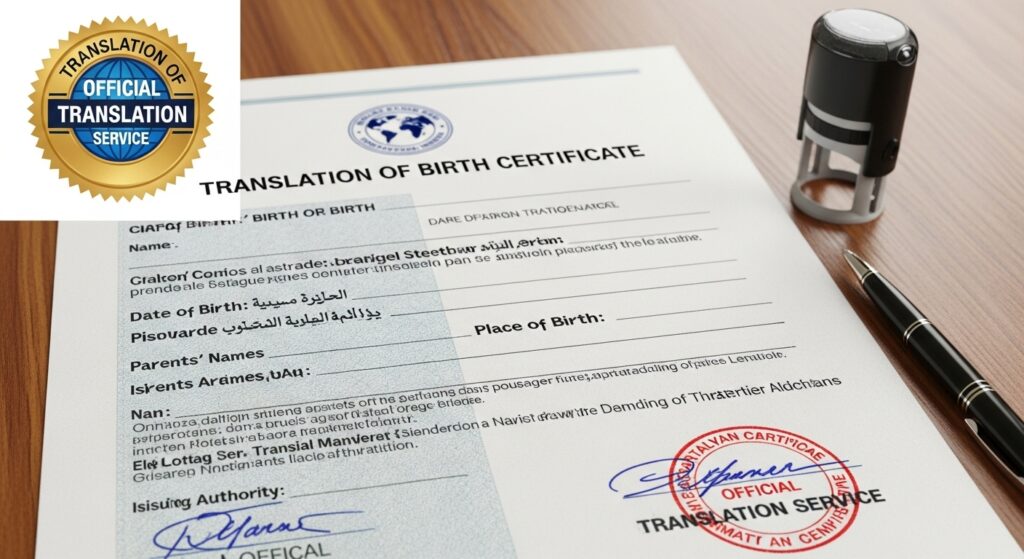
Choosing the right translation service for your birth certificate requires careful evaluation of credentials, experience, and service quality. Professional birth certificate translation providers should demonstrate extensive experience with official document translation and maintain certifications from recognized translation organizations. Look for services that employ native speakers of your target language who also possess formal training in legal translation techniques.
Turnaround time becomes a critical factor when selecting birth certificate translation services, especially for time-sensitive applications like visa renewals or job applications. While rush services are available, they often come with premium pricing and may increase the risk of errors due to compressed timelines. Reputable services like Directline Translators balance speed with accuracy, providing realistic timelines that allow for proper quality control without unnecessary delays.
Cost transparency helps distinguish professional services from less reliable alternatives in the birth certificate translation market. Legitimate providers offer clear pricing structures based on document complexity, target language, and certification requirements. Be cautious of services offering unusually low prices, as quality translation requires significant time and expertise that cannot be provided at below-market rates without cutting corners.
Customer support quality often reflects the overall professionalism of birth certificate translation services. Reliable providers assign dedicated project managers who can answer questions about certification requirements, formatting specifications, and delivery timelines. They also maintain clear communication channels for addressing concerns or requesting revisions during the translation process.
Understanding Birth Certificate Translation Certification Standards
Certification standards for birth certificate translation differ dramatically between countries and intended use cases. Some applications require simple accuracy attestations, while others demand notarized statements, apostille authentication, or approval by court-appointed translators. Understanding these requirements before beginning the translation process prevents delays and additional costs associated with meeting unexpected certification standards.
The American Translators Association (ATA) maintains certification programs that many U.S. institutions recognize for birth certificate translation purposes. ATA-certified translators undergo rigorous testing in specific language pairs and maintain continuing education requirements. However, ATA certification is not always mandatory, and many qualified translators provide excellent birth certificate translation services without this specific credential.
Notarization adds another layer of authentication to birth certificate translation documents. Some jurisdictions require that translation certificates be notarized by licensed notary publics who verify the translator’s identity and witness their signature on certification statements. This process typically adds 1-2 days to the translation timeline and incurs additional fees for notarial services.
International recognition of certification standards creates additional complexity for people planning to use their translated birth certificates in multiple countries. A birth certificate translation certified for use in Canada may not meet requirements for the same document’s use in Australia or the United Kingdom. Professional translation services help clients understand these differences and can often provide multiple certification formats for documents intended for use in several jurisdictions.
Birth Certificate Translation for Educational Institution Requirements
Universities and colleges worldwide maintain specific requirements for birth certificate translation when evaluating international student applications. These institutions use birth certificates to verify student identity, confirm age requirements for certain programs, and establish eligibility for various forms of financial aid. Educational birth certificate translation requirements often differ from those used for immigration or employment purposes.
Academic institutions frequently require that birth certificate translation include specific formatting elements that highlight information relevant to educational admissions. Admissions officers need to quickly locate birth dates, full legal names, and place of birth information within translated documents. Professional translators familiar with educational requirements structure their translations to facilitate this review process while maintaining legal accuracy.
Scholarship applications often require birth certificate translation to establish eligibility for awards restricted to students from specific countries or regions. These applications may involve multiple review committees with varying levels of familiarity with international documents. Clear, well-formatted birth certificate translations help ensure that scholarship reviewers can easily access the information they need to evaluate applications fairly.
Student visa applications combine educational and immigration requirements, creating complex standards for birth certificate translation. Applicants must satisfy both university admissions requirements and government immigration standards, which may conflict in terms of certification levels or formatting preferences. Experienced translation services understand these dual requirements and can provide documents that meet both sets of standards simultaneously.
Employment-Related Birth Certificate Translation Needs
Many employers require birth certificate translation as part of their hiring process, particularly for positions requiring security clearances or professional licensing. These employment verification processes use birth certificates to confirm identity, establish work authorization eligibility, and verify information provided on job applications. Professional birth certificate translation ensures that employers can properly evaluate international candidates without language barriers.
Professional licensing boards in fields like healthcare, engineering, and law often require birth certificate translation as part of their credential evaluation processes. These boards use birth certificates to verify educational timelines, confirm identity consistency across multiple documents, and establish eligibility for certain licensing categories. The translation must meet professional standards that satisfy regulatory requirements while providing clear information for board reviewers.
Background check companies frequently encounter challenges when processing international candidates whose birth certificates require translation. These companies must verify information across multiple languages and jurisdictions, making accurate birth certificate translation essential for completing thorough background investigations. Professional translation services familiar with employment verification requirements can provide documents formatted for easy integration into standard background check procedures.
Security clearance applications involving birth certificate translation require exceptional attention to detail and accuracy. Government agencies conducting these investigations cross-reference translated birth certificates with extensive databases and other official documents. Any discrepancies or errors in the translation can trigger additional investigation phases that significantly delay clearance processing and potentially impact employment opportunities.
Birth Certificate Translation Costs and Timeline Considerations
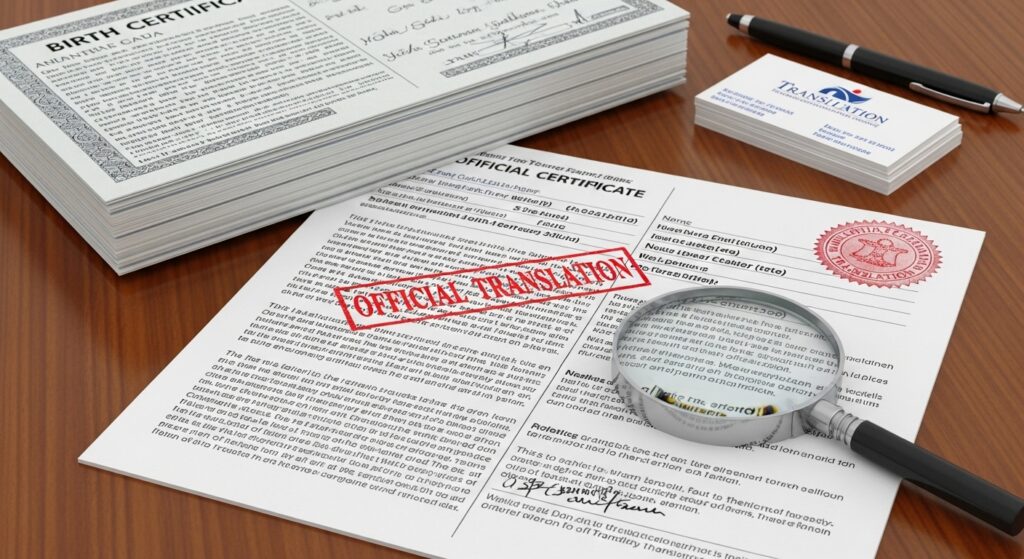
Understanding the cost structure for birth certificate translation helps individuals and families budget appropriately for their documentation needs. Translation costs vary based on source language, target language, document complexity, certification requirements, and turnaround time preferences. Common language pairs like Spanish-English or French-English typically cost less than translations involving less common languages due to translator availability.
Document condition significantly impacts birth certificate translation pricing and timeline requirements. Clear, well-preserved documents can be translated quickly and cost-effectively, while faded, damaged, or handwritten certificates require additional time for careful examination and research. Some older documents may require consultation with historical experts to accurately interpret archaic terminology or governmental structures.
Rush processing options are available for urgent birth certificate translation needs, but these services come with substantial premium pricing. Emergency translations typically cost 50-100% more than standard services and may compromise quality control procedures that normally ensure accuracy. Planning ahead whenever possible helps avoid these additional costs while ensuring better quality outcomes.
Multiple document discounts are often available when families need birth certificate translation for several family members simultaneously. Translation services like Directline Translators frequently offer package pricing for multiple certificates, particularly when they’re from the same issuing authority and require similar certification levels. These bulk discounts can provide significant savings for large families navigating immigration or educational applications together.
Quality Assurance in Birth Certificate Translation Projects
Professional birth certificate translation services implement multi-step quality assurance procedures to ensure accuracy and compliance with official requirements. These procedures typically include initial translation by qualified linguists, independent review by second translators, and final verification by project managers familiar with destination country requirements. This systematic approach minimizes errors that could compromise document acceptance by official authorities.
Proofreading specialists focus specifically on technical accuracy, formatting consistency, and certification completeness during the birth certificate translation review process. These specialists check that all official stamps, seals, and signatures are properly referenced in the translation, verify that dates and names maintain consistent formatting throughout the document, and confirm that certification statements include all required legal language.
Technology tools support human expertise in modern birth certificate translation workflows without replacing the critical human element. Computer-assisted translation software helps maintain consistency in terminology and formatting while flagging potential errors for human review. However, the nuanced nature of legal documents requires human judgment that automated systems cannot replicate.
Client review periods allow document recipients to examine their birth certificate translation before final delivery and certification. Professional services provide draft versions for client approval, allowing corrections or clarifications before the final certification process begins. This collaborative approach ensures that clients receive documents that meet their specific needs while maintaining professional translation standards.
International Standards for Birth Certificate Translation Acceptance
Different countries maintain varying acceptance standards for birth certificate translation, creating a complex landscape for international document users. The United Kingdom requires that translations be completed by qualified translators who provide detailed certification statements, while Australia mandates that certain translations be performed by NAATI-accredited professionals. Understanding these country-specific requirements prevents application delays and additional costs.
The European Union has implemented standardized approaches to birth certificate translation recognition through various directives and regulations. EU citizens moving between member states benefit from streamlined recognition processes, while non-EU citizens must navigate more complex requirements that vary by destination country. Professional translation services maintain current knowledge of these evolving standards to guide clients appropriately.
Bilateral agreements between countries sometimes create special provisions for birth certificate translation recognition. For example, certain agreements between English-speaking nations may allow for simplified certification procedures, while other relationships require full apostille authentication. These diplomatic arrangements can significantly impact translation requirements and should be considered when planning international moves.
Professional associations worldwide work to establish consistent standards for birth certificate translation quality and certification procedures. Organizations like the International Federation of Translators (FIT) develop guidelines that help harmonize translation practices across borders. However, local legal requirements always take precedence over international recommendations when documents are submitted to government authorities.
Digital vs. Physical Birth Certificate Translation Delivery
Modern birth certificate translation services offer both digital and physical delivery options to meet diverse client needs and official requirements. Digital delivery provides immediate access to completed translations, allowing for faster application submissions when time is critical. However, some institutions still require original certified paper translations, making physical delivery necessary for certain applications.
Security measures for digital birth certificate translation delivery include encrypted file transfer systems and password protection to prevent unauthorized access. Professional services implement secure client portals where customers can safely download their completed translations without risking document interception during transmission. These systems maintain audit trails that document access to sensitive translated materials.
Physical delivery options for birth certificate translation include standard mail, certified mail, and courier services depending on urgency and security requirements. International delivery may require special customs declarations and can be subject to delays at border crossings. Some clients prefer to arrange pickup directly from translation offices to maintain complete control over document security throughout the process.
Hybrid delivery approaches combine the benefits of both digital and physical formats by providing immediate digital access followed by physical document delivery. This approach allows clients to begin their application processes immediately while ensuring they receive properly certified physical documents for institutions that require original translations. Many translation services offer this hybrid approach at minimal additional cost.
Birth Certificate Translation for Family Reunification Cases

Family reunification applications place special emphasis on accurate birth certificate translation because these documents establish crucial family relationships that form the basis for immigration eligibility. Parents seeking to bring children to new countries must provide birth certificates that clearly demonstrate parental relationships, while adult children applying to join parents abroad need translations that establish these family connections beyond doubt.
Adoption cases involving birth certificate translation require additional complexity management because documents may need to reflect both biological and legal parent information. International adoption procedures often involve birth certificates from multiple jurisdictions with different formatting standards and legal frameworks. Professional translators familiar with family law requirements understand how to handle these sensitive documents appropriately.
Marriage-based immigration cases rely heavily on birth certificate translation to establish identity and eligibility for spousal visa applications. These translations must coordinate with marriage certificate translations and other supporting documents to create a coherent documentation package. Consistency in name spellings, date formats, and place names across all translated documents becomes critical for application success.
Extended family sponsorship programs in countries like Canada require birth certificate translation for multiple generations of family members to establish qualifying relationships. These complex applications may involve dozens of birth certificates from various time periods and issuing authorities. Coordinated translation services ensure consistency across all family documents while meeting specific program requirements for each family member’s documentation.
Birth Certificate Translation Accuracy and Legal Compliance
Legal compliance in birth certificate translation requires adherence to specific terminology standards that vary between legal systems and languages. Translators must understand how concepts like legitimacy, guardianship, and parental rights are expressed in different legal traditions while ensuring that translated documents accurately convey the legal status intended in the original certificate.
Technical accuracy encompasses proper translation of governmental terminology, administrative divisions, and official titles that appear on birth certificates. Many countries have undergone political changes that affect how historical governmental structures should be referenced in modern translations. Professional translators maintain research resources to ensure accurate representation of historical political entities and administrative systems.
Date and name consistency across birth certificate translation projects requires careful attention to formatting conventions used in different countries and languages. Some cultures use different calendar systems, name ordering conventions, or spelling variations that must be reconciled with target country expectations. Maintaining consistency while preserving cultural authenticity requires specialized knowledge and experience.
Verification procedures allow translation services to cross-check their birth certificate translation work against official records when possible. Some translation providers maintain relationships with foreign government offices or consular services that can verify information contained in birth certificates before translation begins. This additional verification step provides extra assurance for high-stakes applications where accuracy is paramount.
Birth Certificate Translation Technology and Modern Solutions
Modern translation technology supports birth certificate translation work through sophisticated tools that enhance accuracy while maintaining human oversight. Computer-assisted translation (CAT) tools help maintain consistency in terminology and formatting across large translation projects while creating translation memories that improve efficiency for similar documents in the future.
Optical character recognition (OCR) technology assists with digitizing handwritten or poorly preserved birth certificates before translation begins. Advanced OCR systems can interpret various handwriting styles and faded text, converting physical documents into editable digital formats that facilitate accurate translation work. However, human verification remains essential because OCR technology cannot interpret context or resolve ambiguous characters reliably.
Secure document handling systems protect sensitive birth certificate translation projects throughout the entire process from initial submission to final delivery. Professional services implement encryption, access controls, and audit trails that ensure client privacy while maintaining document security. These systems comply with data protection regulations like GDPR while facilitating efficient translation workflows.
Quality management software tracks birth certificate translation projects through multiple review stages, ensuring that all required quality control steps are completed before document delivery. These systems flag potential issues, track revision cycles, and maintain detailed records of translator assignments and review processes. This systematic approach helps prevent errors while providing accountability throughout the translation lifecycle.
Regional Variations in Birth Certificate Translation Requirements
North American birth certificate translation requirements emphasize certified accuracy statements and specific formatting that matches immigration service expectations. The United States and Canada maintain detailed guidelines for document translation that specify translator qualifications, certification language, and formatting standards. These requirements have evolved based on decades of experience processing international immigration applications.
European standards for birth certificate translation often incorporate multilingual considerations due to the continent’s linguistic diversity and freedom of movement policies. Countries like Switzerland and Belgium, with multiple official languages, have developed sophisticated frameworks for handling birth certificate translation between their domestic languages as well as international requirements.
Asian countries implementing birth certificate translation requirements often focus on character accuracy and proper cultural name representation. Countries like Japan and China have specific requirements for how names are romanized or converted between character systems during translation. These requirements ensure that translated documents maintain cultural authenticity while meeting international readability standards.
Middle Eastern and African nations present unique challenges for birth certificate translation due to varied colonial legacies and diverse linguistic traditions. Some countries require translations to acknowledge both indigenous and colonial administrative systems, while others have specific requirements for handling religious or tribal naming conventions that appear on historical birth certificates.
Birth Certificate Translation for Dual Citizenship Applications
Dual citizenship applications often require birth certificate translation to satisfy documentation requirements in multiple countries simultaneously. Applicants must navigate varying translation standards between their birth country, current residence country, and target citizenship country. This complex situation requires birth certificate translation that meets the highest standards among all involved jurisdictions.
Ancestral citizenship programs rely heavily on birth certificate translation to establish family lineages that qualify applicants for citizenship by descent. Countries like Italy, Ireland, and Poland maintain active ancestral citizenship programs that require translated birth certificates for multiple generations of family members. These applications often involve documents spanning decades or centuries, requiring specialized historical translation expertise.
Renunciation procedures may require birth certificate translation when citizens formally abandon one citizenship to maintain another. Some countries require extensive documentation proving original citizenship status before allowing renunciation, while others need translated birth certificates to verify identity during the renunciation process. Professional translation services understand these sensitive requirements and provide appropriate documentation support.
Dual citizenship maintenance often involves ongoing birth certificate translation needs when citizens must periodically prove their status to multiple governments. Some countries require regular documentation updates or renewal procedures that involve retranslation of birth certificates to meet current formatting standards. Long-term relationships with professional translation services help manage these recurring needs efficiently.
Birth Certificate Translation Quality Control and Review Processes
Multi-stage review processes form the backbone of professional birth certificate translation quality assurance programs. Initial translations undergo review by independent linguists who focus specifically on accuracy and completeness without being influenced by the original translator’s interpretation choices. This independent review catches errors and inconsistencies that might be missed during single-person translation workflows.
Specialized review procedures for birth certificate translation include verification of official elements like stamps, seals, and signatures that must be properly referenced in the translated document. Reviewers check that all official markings are described accurately and that the translation maintains the legal authority of the original certificate. This attention to official elements ensures that translated documents will be accepted by government authorities.
Cultural accuracy review examines birth certificate translation for proper handling of names, places, and cultural concepts that may not have direct equivalents in the target language. This review stage ensures that cultural nuances are preserved appropriately while making the document accessible to readers unfamiliar with the source culture. Balance between accuracy and accessibility requires expert judgment and cultural knowledge.
Final certification review confirms that all legal requirements for birth certificate translation have been met before document delivery. This stage includes verification of certification statement completeness, proper translator identification, and compliance with destination country formatting requirements. The final review serves as a comprehensive quality gate that prevents delivery of non-compliant translations.
Birth Certificate Translation for Emergency Situations
Medical emergencies abroad may require immediate birth certificate translation to establish patient identity and family relationships for treatment authorization. Hospital administrators and medical professionals need quick access to patient identification information, particularly when dealing with minors who cannot provide their own medical history. Emergency birth certificate translation services provide rapid document processing for these critical situations.
Legal emergencies involving international custody disputes or family law matters often require expedited birth certificate translation to establish parental rights and child identity. Court proceedings cannot wait for standard translation timelines when child welfare or legal rights are at stake. Professional services maintain emergency protocols that provide certified translations within hours when legal deadlines demand immediate action.
Travel document replacement situations may require urgent birth certificate translation when original identification documents are lost or stolen abroad. Consular services often require translated birth certificates to issue emergency travel documents or replacement passports. These situations demand rapid, accurate translation services that can coordinate with consular offices to expedite document processing.
Natural disaster recovery efforts sometimes necessitate emergency birth certificate translation when original documents are destroyed and certified copies must be obtained from foreign governments. Insurance claims, government assistance applications, and identity re-establishment procedures all may require translated birth certificates during post-disaster recovery periods. Professional services understand these urgent needs and prioritize disaster-related translation requests.
Future Trends in Birth Certificate Translation Services
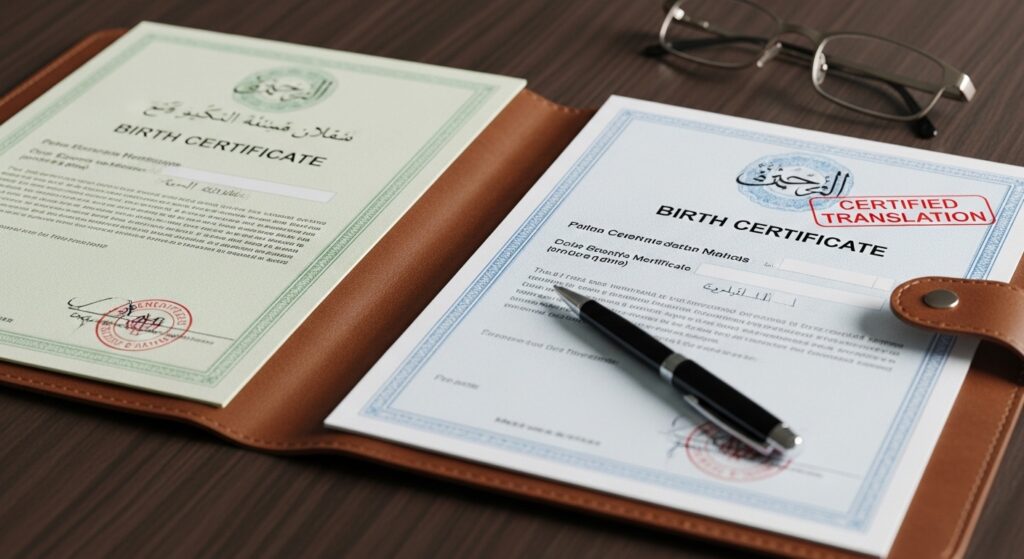
Digital authentication technologies are beginning to transform birth certificate translation by enabling real-time verification of translated document accuracy. Blockchain-based verification systems allow institutions to confirm translation authenticity without relying solely on paper certification statements. These emerging technologies promise to reduce fraud while streamlining document verification processes for institutions that regularly process international applications.
Artificial intelligence tools are being developed to support birth certificate translation work, though human oversight remains essential for legal accuracy and cultural sensitivity. AI systems can assist with initial document processing and terminology consistency checking, but they cannot replace human judgment required for handling ambiguous text, cultural nuances, and legal implications of translation choices.
International harmonization efforts aim to standardize birth certificate translation requirements across multiple countries to reduce complexity for international travelers and immigrants. Organizations like the International Civil Aviation Organization (ICAO) work to establish common standards that could simplify translation requirements for travel documents, though full harmonization remains years away.
Mobile technology integration allows for remote birth certificate translation services where clients can submit documents and receive certified translations entirely through smartphone applications. These platforms include secure document capture, real-time status tracking, and digital delivery options that make professional translation services more accessible to clients worldwide.
Frequently Asked Questions About Birth Certificate Translation
How long does professional birth certificate translation typically take? Standard birth certificate translation projects typically require 2-5 business days for completion, depending on source language, document condition, and certification requirements. Rush services can complete translations within 24-48 hours for additional fees, while complex historical documents may require 7-10 days for proper research and accuracy verification.
Do I need certified translation for all birth certificate applications? Most official applications requiring birth certificates also mandate certified translation when the original document is in a foreign language. Immigration applications, educational admissions, employment verification, and legal proceedings typically require certified translations rather than simple language conversion. Check specific requirements with your target institution before beginning the translation process.
Can I translate my own birth certificate for official purposes? Self-translation is generally not acceptable for official birth certificate applications because institutions require independent verification of translation accuracy. Most government agencies, educational institutions, and employers specifically prohibit self-translated documents to prevent fraud and ensure reliability. Professional translation services provide the independent certification that officials require.
What happens if my birth certificate translation is rejected? Rejection typically occurs due to certification deficiencies, formatting errors, or accuracy concerns rather than translation quality issues. Professional services usually provide revision services to address rejection reasons and resubmit corrected translations. Working with experienced providers like Directline Translators minimizes rejection risk through proper initial preparation.
Are apostille and birth certificate translation separate processes? Yes, apostille authentication and translation are distinct processes that may both be required depending on your destination country and intended use. The apostille authenticates the original document, while translation converts the language. Some countries require apostille authentication of both the original certificate and its certified translation.
How much does birth certificate translation cost for common language pairs? Birth certificate translation costs typically range from $30-100 per document for common language pairs like Spanish-English, French-English, or German-English. Less common languages may cost $75-200 per document due to limited translator availability. Additional certification requirements, notarization, or rush processing add supplementary fees to base translation costs.
Can birth certificate translation be done remotely? Yes, most professional translation services accept birth certificate submissions through secure digital platforms, allowing clients to receive certified translations without in-person visits. Digital submission, translation, and delivery processes maintain security while providing convenient access to professional services regardless of geographic location.
What information must be included in birth certificate translation certification? Certified birth certificate translation must include translator identification, competency statements, accuracy attestations, and completion dates. Specific certification language varies by jurisdiction, but most require statements confirming translator qualifications in both source and target languages, accuracy of translation, and completeness of document conversion. Professional services ensure all required elements are included.
How do I verify my birth certificate translation meets specific requirements? Contact the institution or agency where you plan to submit your translated birth certificate to confirm their specific requirements before beginning translation. Requirements vary significantly between organizations, and advance verification prevents costly revisions or resubmissions. Professional translation services can also provide guidance based on their experience with specific institutions.
Should I keep original birth certificate translation documents? Yes, maintain both original translated documents and backup copies for future needs. Birth certificate translation may be required for multiple applications over many years, and having certified originals prevents the need for retranslation. Store originals in secure locations and use certified copies for routine applications when possible to preserve document condition.