
 Elizabeth123
Chewa to English translation services in Malawi play a crucial role in bridging language barriers across Africa, particularly in education, business, and healthcare. Originating from Bantu communities, Chewa features complex noun classes, tonal variations, and agglutinative structures that demand precise handling for accurate renditions. These services enhance cultural sensitivity, support economic growth, and facilitate effective communication in diverse settings. Further insights into techniques and applications reveal additional strategies for seamless conversions.
Quick Summaries
- Chewa to English translation services in Malawi facilitate communication across diverse sectors like education and business.
- Translation Africa offers specialized tools for accurate Chewa-English conversions, ensuring cultural nuances are preserved.
- These translations bridge language barriers, promoting access to global opportunities for Malawian communities.
- The process involves AI-assisted drafts followed by human expert reviews for tonal and grammatical accuracy.
- Common challenges, such as tonal variations, are addressed through verification by native linguists for reliable results.
The History of Chewa Language in Malawi

The Chewa language, also known as Chichewa, originated among Bantu-speaking communities in southeastern Africa and became prominent in Malawi through migrations and cultural exchanges in the pre-colonial era. As early Bantu groups moved into the region around the 1st millennium AD, they brought Chewa as a lingua franca, blending with local dialects through intermarriage and trade. By the 15th century, the Maravi Empire, centered in what is now Malawi, adopted Chewa as a unifying language among diverse ethnic groups like the Chewa, Yao, and Ngoni. Oral traditions, including folktales and proverbs, preserved its evolution, reflecting influences from neighboring societies. Despite colonial pressures in the 19th century, Chewa retained its cultural significance, evolving through interactions that shaped Malawi’s linguistic landscape before independence. This historical depth underscores its role as a national language today.
Importance of Chewa-English Translation Services
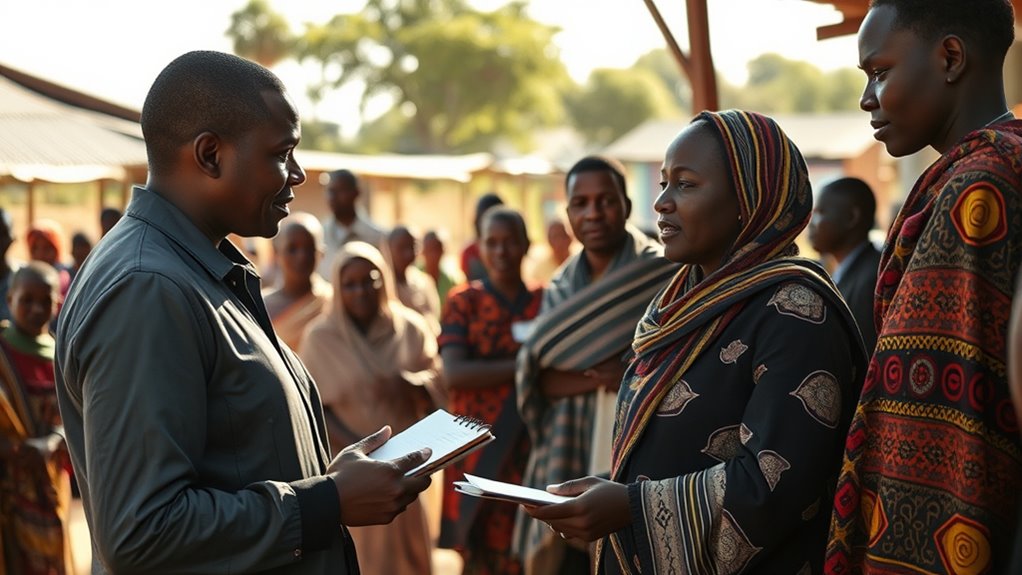
Chewa-English translation services greatly enhance communication by bridging language barriers in diverse settings. These services facilitate business operations, enabling smoother interactions between Chewa-speaking regions and English-dominant markets. Additionally, they support education by making resources and knowledge more accessible to learners in Chewa-speaking communities.
Enhancing Communication
Effective communication across language barriers, particularly through Chewa-English translation services, plays a pivotal role in fostering understanding and collaboration in diverse settings such as education, business, and healthcare. In education, these services enable students and teachers to access knowledge seamlessly, breaking down linguistic obstacles that hinder learning and academic progress. For instance, translating educational materials into Chewa allows wider dissemination of information, empowering learners in Malawi’s multilingual communities. In healthcare, accurate translations guarantee clear patient-provider interactions, reducing misunderstandings that could affect diagnoses and treatments. By promoting cultural sensitivity and inclusivity, Chewa-English translation enhances overall community engagement, supporting informed decision-making and social cohesion. This linguistic bridge not only preserves cultural identities but also drives equitable access to essential services, ultimately strengthening societal bonds.
Facilitating Business
Business negotiations and trade agreements in Malawi thrive with Chewa-English translation services, enabling seamless interactions between local entrepreneurs and international partners. Accurate translations bridge language barriers, ensuring contracts are precisely understood and reducing risks of disputes in cross-border deals. For instance, exporters can effectively communicate product details and pricing to English-speaking buyers, fostering trust and long-term partnerships. This service supports marketing efforts, allowing Malawian businesses to reach global markets without miscommunication. Ultimately, it drives economic growth by facilitating smoother investments and collaborations, empowering local firms to compete internationally while preserving cultural nuances in professional exchanges. In a dynamic economy, such tools are essential for sustainable business expansion and enhanced trade efficiency.
Supporting Education
In educational contexts across Malawi, accurate Chewa-English translation services enhance learning by bridging language gaps for students and teachers alike. These services guarantee that educational materials, such as textbooks and online resources, are accessible in both languages, fostering inclusivity in diverse classrooms. For instance, students from rural areas where Chewa predominates can grasp complex English concepts more effectively, reducing dropout rates and improving academic performance. Teachers benefit by delivering lessons that incorporate bilingual elements, promoting cultural relevance and engagement. Furthermore, translation supports professional development, allowing educators to access international training and curricula. Ultimately, these services empower Malawi’s education system, contributing to higher literacy rates and equitable opportunities, as language barriers no longer hinder knowledge acquisition.
Key Features of Chewa Language Structure

Chewa, a Bantu language spoken primarily in southeastern Africa, features a complex structure characterized by noun classes, agglutinative morphology, and tonal variations that shape its grammar and syntax. Noun classes, numbering around 18, classify words to reflect relationships and animate qualities, fostering a deep cultural connection. Agglutinative morphology allows words to accumulate prefixes and suffixes, enabling nuanced expression that mirrors life’s intricacies. Tonal variations add layers of meaning, where pitch conveys emotion and subtlety, enriching storytelling and social bonds.
| Feature | Description | Emotional Resonance |
|---|---|---|
| Noun Classes | Categorize nouns for agreement | Evokes unity and belonging |
| Agglutinative Morphology | Builds words with multiple affixes | Inspires creativity and depth |
| Tonal Variations | Pitch alters word meanings | Awakens passion and nuance |
| Verb Conjugation | Marks tense, aspect, and mood | Conveys heartfelt narratives |
| Word Order | Typically SVO with flexibility | Fosters rhythmic expression |
Steps to Accurate Chewa Translation
Accurate Chewa to English translation requires first understanding Chewa basics to grasp its nuances. Translators must then employ reliable translation tools for initial conversions. Verifying the final output against original meanings guarantees the result is precise and error-free.
Understand Chewa Basics
The fundamentals of Chewa language lay the groundwork for effective translation. This Bantu language, spoken in Malawi and surrounding regions, features tonal elements, noun classes, and simple sentence structures that influence accurate English rendering. Grasping basic vocabulary, pronunciation, and grammar guarantees translators avoid common pitfalls, such as misinterpreting tones that alter meanings.
| Chewa Basic | Key Insight |
|---|---|
| Greetings | Reflects social respect, e.g., “Moni” means hello, building rapport. |
| Numbers (1-10) | Essential for everyday use, like “Imodzi” for one, aiding quantification. |
| Pronouns | Indicate subject-object relationships, e.g., “Ine” for I, clarifying roles. |
| Basic Verbs | Show tense variations, e.g., “Dza” for come, enabling action description. |
Understanding these elements fosters cultural sensitivity and precision in translation, enhancing overall communication effectiveness.
Use Translation Tools
Employing specialized tools streamlines Chewa-to-English translation by addressing complexities in tone and grammar. These tools, such as dedicated software and online platforms, leverage advanced algorithms to analyze Chewa’s tonal variations and syntactic nuances, producing reliable initial drafts. For example, applications from providers like Translation Africa use machine learning to handle verb conjugations and idiomatic phrases, which are common in Malawian contexts. Users select tools based on features like text input, audio transcription, or batch processing, allowing for efficient handling of documents in education, media, and business. Integration with dictionaries and glossaries further refines translations by suggesting alternatives for ambiguous terms, ensuring cultural accuracy without manual intervention. This approach saves time and reduces errors in the translation process.
Verify Final Output
Once the translation draft is complete, verifiers must systematically check for errors by comparing it against the original Chewa text, evaluating tonal and grammatical fidelity, and consulting native experts to guarantee cultural relevance and precision. This process involves multiple layers of review, including cross-verification with bilingual linguists to identify subtle nuances in proverbs or idioms that tools might overlook. Verifiers should also assess contextual accuracy, ensuring the English rendition maintains the intent and emotional tone of the source material. To enhance reliability, teams employ standardized checklists that cover vocabulary consistency, sentence structure, and potential biases. Final approval requires consensus among experts, minimizing inaccuracies and upholding the integrity of Chewa heritage in global communication. This rigorous approach ultimately delivers polished, trustworthy translations.
Common Challenges in Chewa Translation
Translating Chewa into English involves linguistic hurdles that impact accuracy and cultural nuance. Chewa, a Bantu language spoken in Malawi and surrounding regions, features tonal variations that English lacks, often altering word meanings and leading to misinterpretations. For instance, homophones in Chewa can convey entirely different concepts based on tone, challenging translators to preserve intent without direct equivalents. Grammatical structures differ greatly; Chewa’s subject-verb-object order and noun classes do not align with English conventions, complicating sentence fluidity. Idiomatic expressions rooted in Chewa culture, such as proverbs tied to agricultural or communal life, frequently lose their depth in translation, risking cultural dilution. Regional dialects of Chewa further exacerbate inconsistencies, as variations in vocabulary and pronunciation vary by area. These obstacles demand meticulous attention to detail to avoid inaccuracies that could misrepresent original texts. (124 words)
Benefits of Professional Translation in Africa
Professional translation in Africa provides accurate renditions that preserve the original meaning in Chewa to English conversions. Cultural adaptation guarantees content resonates with diverse audiences by incorporating local nuances and contexts. These benefits enhance communication and foster better cross-cultural understanding in various sectors.
Accurate Translations
In Africa’s diverse linguistic landscape, accurate translations facilitated by professional services guarantee effective communication across cultures, fostering economic growth, education, and healthcare accessibility while minimizing misunderstandings that could arise from amateur efforts. Professional translators employ expertise in linguistics and cultural nuances to deliver precision, ensuring messages retain their intended meaning without distortion. This reliability is vital in Africa’s multilingual environments, where errors can lead to significant setbacks.
- Enhanced Business Efficiency: Accurate translations streamline trade agreements and negotiations, reducing risks and boosting regional commerce.
- Improved Educational Access: Precise rendering of texts enables effective learning materials, supporting knowledge transfer in schools and universities.
- Optimized Healthcare Delivery: Exact translations of medical information prevent misdiagnoses, enhancing patient safety and treatment outcomes.
Cultural Adaptation
Cultural adaptation in professional translations extends beyond literal accuracy, tailoring content to align with Africa’s diverse cultural norms and values to enhance comprehension and acceptance. In Malawi, for Chewa to English translations, this involves adapting idioms and social contexts to avoid misunderstandings, such as rephrasing proverbs that carry specific cultural significance. Professional translators guarantee messages resonate with local audiences, fostering trust and engagement in education, business, and healthcare. For instance, in educational materials, adaptations make concepts relatable, improving learning outcomes. In business negotiations, respecting hierarchies prevents offense, smoothing interactions. Overall, this approach promotes inclusivity, reduces cultural barriers, and supports sustainable development across Africa’s multilingual societies, ultimately strengthening global connections while preserving local identities.
Cultural Aspects of Chewa Communication
Chewa communication reflects intricate cultural practices, including the use of proverbs, gestures, and respect hierarchies, which influence daily interactions and social harmony among speakers. In Malawi and surrounding regions, these elements embed deeper social values, such as communal unity and indirect expression to avoid conflict. Proverbs, for example, convey wisdom without direct confrontation, while gestures add layers of meaning beyond words. Respect hierarchies guide language choices, emphasizing deference to elders and authority figures, thereby preserving community cohesion.
- Proverbs: Encapsulate moral lessons and cultural history, promoting thoughtful discourse.
- Gestures: Convey emotions and intentions, enhancing non-verbal understanding in conversations.
- Respect Hierarchies: Dictate speech formality, ensuring balanced power dynamics in social exchanges.
Tools for Effective Chewa-English Conversion
Effective tools, such as specialized software and dictionaries, enable accurate Chewa-English translation by addressing linguistic nuances and cultural contexts, ensuring reliable communication for learners and professionals alike. In the digital age, various applications and websites facilitate seamless conversion, using neural networks to deliver contextually appropriate results and minimize errors. Physical dictionaries offer in-depth references, including etymological notes and synonyms for precise vocabulary building. Integration with voice recognition technology supports spoken translations, ideal for real-time interactions. These tools incorporate user feedback and community-driven updates to refine accuracy and adapt to regional dialects. Educators employ them for language instruction, while learners use interactive features like phrasebooks and quizzes to reinforce skills. By providing audio pronunciations and multimedia elements, such as videos for contextual understanding, they enhance overall linguistic competence without unnecessary complexity.
Applications of Translation in Malawian Business
In Malawian business contexts, translation serves as an essential tool for overcoming language barriers, enabling seamless interactions between local enterprises and international stakeholders. This is particularly essential in Malawi’s diverse linguistic landscape, where Chewa-English translation facilitates effective communication in trade, negotiations, and daily operations. By bridging gaps, businesses can expand their reach and foster partnerships.
Translation applications in Malawian business include:
- Enhancing international trade agreements: Accurate translations guarantee contracts and negotiations with foreign investors are precise, reducing misunderstandings and legal risks.
- Improving internal operations: In multilingual teams, it supports clear directives and training, boosting productivity in sectors like agriculture and manufacturing.
- Supporting marketing strategies: Businesses use translations to tailor campaigns for local audiences, increasing customer engagement and market penetration in a globalized economy.
Emerging Trends in Language Translation Services
The field of language translation services is witnessing rapid innovations, such as AI-driven tools and neural networks, which enhance efficiency and accessibility for users worldwide. These advancements are revolutionizing Chewa-to-English translations by improving accuracy through machine learning algorithms that process linguistic nuances. For example, real-time translation apps now support seamless communication in multicultural settings, like Malawian business and education sectors. Hybrid models combining AI with human expertise guarantee culturally sensitive outputs, reducing errors in idiomatic expressions. Additionally, cloud-based platforms are scaling services globally, allowing instant access via mobile devices. In Africa, this fosters greater inclusion of indigenous languages, boosting economic opportunities. As demand grows, ethical considerations around data security and bias mitigation are gaining prominence, shaping a more reliable industry. Overall, these trends promise to bridge language barriers effectively.
Resources for Learning Chewa and English
Numerous resources facilitate the learning of Chewa and English, ranging from online platforms to structured courses. These tools empower learners in Malawi and across Africa by providing accessible, high-quality materials that bridge language gaps and foster cultural exchange. They cater to various skill levels, ensuring effective mastery through interactive and immersive methods.
- Online platforms: Websites like Duolingo and BBC Learning English offer free, engaging modules for Chewa and English, complete with audio and quizzes for self-paced study.
- Structured courses: Universities and organizations such as the University of Malawi provide formal classes, including certificates that enhance employability in translation fields.
- Books and apps: Resources like “Chewa-English Dictionary” and apps from Translation Africa deliver concise vocabulary, grammar guides, and practice exercises for practical application.
Frequently Asked Questions
How Much Does Chewa-English Translation Cost?
The query seeks information on the cost of Chewa to English translation services. Such costs vary based on factors like word count, complexity, and provider expertise. Typically, rates range from $0.05 to $0.20 per word, though professional agencies may charge higher fees depending on urgency and quality.
Where Can I Find Certified Chewa Translators?
The question of locating certified Chewa translators can be answered by referring to professional bodies. One might consult the American Translators Association, online platforms, or local agencies in Chewa-speaking areas like Malawi for qualified experts.
How Long Does a Typical Translation Take?
The time for a typical translation depends on factors like text length and complexity. It can range from a few hours for short documents to several days for longer, more intricate texts, ensuring high quality.
Are Chewa Translations Legally Binding?
The question of whether Chewa translations are legally binding merits consideration. Generally, such translations hold no inherent legal authority; they require official certification to be enforceable in courts, with validity depending on specific jurisdictional laws.
Can AI Tools Replace Human Translators?
The current question examines whether AI tools can replace human translators. While AI has advanced substantially in accuracy and speed, it often falls short in capturing the full depth of human linguistic and cultural knowledge.