 directlineauthors
Language barriers have shaped human communication for centuries, but few translation challenges match the intricacies of Chinese to English translation. This linguistic bridge connects two vastly different writing systems, cultural frameworks, and ways of expressing ideas. Whether you’re a business owner expanding into Chinese markets, a student studying Mandarin literature, or someone dealing with official documents, understanding these translation complexities can save you time, money, and potential embarrassment.
The relationship between Chinese and English represents one of the most fascinating yet challenging language pairs in professional translation. Chinese to English translation requires more than simple word substitution – it demands cultural sensitivity, contextual awareness, and deep understanding of both linguistic structures. Professional translators spend years mastering these nuances, and even then, new challenges arise with every project.
Chinese to English translation affects millions of people daily, from international business communications to academic research, legal proceedings, and personal correspondence. The stakes are often high, where a single mistranslation can alter business deals, legal outcomes, or academic interpretations. This makes choosing the right translation approach and understanding the underlying complexities absolutely vital for anyone working across these languages.
By the end of this comprehensive guide, you’ll understand exactly why Chinese to English translation presents unique challenges, how to identify quality translation services, and what specific elements make this language pair so demanding for even experienced professionals.
Understanding the Fundamental Challenges in Chinese to English Translation
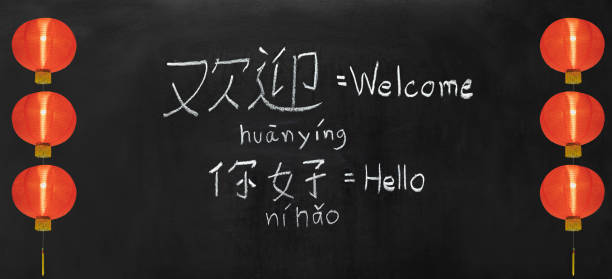
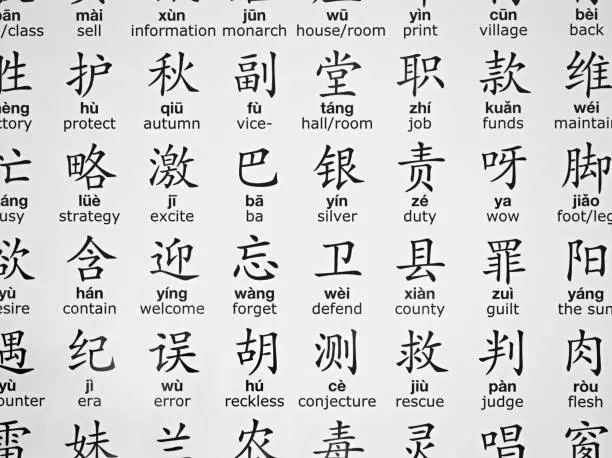
Chinese to English translation begins with recognizing the fundamental structural differences between these languages. Chinese operates on a logographic writing system where characters represent concepts rather than sounds, while English uses an alphabetic system where letters combine to form words representing sounds. This basic difference creates the first layer of translation complexity.
Mandarin Chinese relies heavily on context and tone to convey meaning. A single Chinese character can have multiple meanings depending on its context within a sentence, the characters surrounding it, and even the tone used when spoken. English, while contextual, depends more on word order, verb tenses, and grammatical structures to establish meaning. Translators must interpret not just the literal meaning of Chinese text but also the implied meanings that native speakers would understand automatically.
The concept of word boundaries presents another significant challenge. Chinese text flows continuously without spaces between words, requiring translators to determine where one concept ends and another begins. This segmentation process can dramatically affect translation accuracy, as incorrect word boundaries can completely change meaning. Professional translators use specialized software and extensive training to handle this segmentation accurately.
Cultural concepts embedded within Chinese language add another layer of complexity. Many Chinese expressions, idioms, and cultural references have no direct English equivalents. Translators must decide whether to provide literal translations with explanatory notes, find equivalent English expressions that convey similar meaning, or create entirely new phrasings that capture the original intent for English-speaking audiences.
Cultural Nuances That Impact Chinese to English Translation Quality
Cultural context plays a decisive role in Chinese to English translation accuracy. Chinese communication often relies on high-context cultural knowledge that native speakers possess instinctively. These cultural underpinnings influence everything from business correspondence to literary works, making cultural competency as important as linguistic skill for professional translators.
Face-saving concepts, hierarchical relationships, and indirect communication styles permeate Chinese language use. When translating business documents, for instance, Chinese authors might express disagreement or negative feedback in extremely subtle ways that could be completely missed in direct English translation. Skilled translators recognize these cultural signals and adapt their translations to ensure English readers understand the actual message being conveyed.
Regional variations within Chinese-speaking areas create additional cultural translation challenges. Mainland Chinese, Taiwanese, Hong Kong, and overseas Chinese communities each have developed unique cultural expressions, political sensitivities, and social contexts that affect language use. A translator working on Hong Kong business documents must understand different cultural references than someone translating academic papers from Beijing universities.
Traditional Chinese festivals, historical references, and philosophical concepts require careful handling in Chinese to English translation. Direct translation often fails to convey the emotional or cultural significance these references hold for Chinese audiences. Professional translators must determine the appropriate level of cultural explanation needed for their target English-speaking audience while maintaining readability and flow.
Technical Terminology Challenges in Chinese to English Translation Projects
Specialized fields present unique obstacles for Chinese to English translation professionals. Medical, legal, technical, and scientific terminology requires precise translation to ensure accuracy and avoid potentially dangerous misunderstandings. Chinese technical terminology often derives from different conceptual frameworks than English equivalents, making direct translation insufficient.
Medical translation exemplifies these challenges particularly well. Traditional Chinese Medicine concepts like qi, meridians, and specific herbal treatments have no direct English medical equivalents. Translators must navigate between literal translation, cultural explanation, and finding approximate Western medical concepts that convey similar meaning to English-speaking healthcare professionals.
Legal Chinese to English translation faces similar complexity with different legal systems, court procedures, and regulatory frameworks. Chinese legal concepts may not exist within English-speaking legal systems, requiring translators to provide extensive contextual information or find analogous legal concepts that serve similar functions. This complexity makes legal translation one of the most challenging specializations within Chinese to English translation work.
Financial and business terminology presents ongoing challenges as Chinese and Western business practices continue converging. New financial instruments, business models, and regulatory approaches constantly create new terminology that translators must standardize across languages. Professional translation services maintain specialized glossaries and work with subject matter experts to ensure consistency and accuracy in these rapidly changing fields.
Technology’s Role in Modern Chinese to English Translation Services
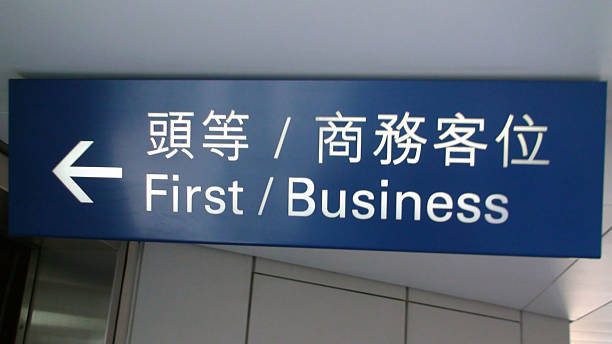
Modern technology has transformed Chinese to English translation workflows while introducing new challenges and opportunities. Machine translation tools like Google Translate and specialized Chinese translation software can handle basic translation tasks, but they struggle with context, cultural nuances, and specialized terminology that human translators handle naturally.
Computer-assisted translation (CAT) tools help professional translators maintain consistency across large projects and leverage previous translation work. These tools store translation memories, allowing translators to reuse previous translations of similar content and maintain consistent terminology across multiple documents. For Chinese to English translation, these tools prove particularly valuable given the complexity of maintaining consistent character and phrase translations.
Neural machine translation has improved significantly for Chinese to English language pairs in recent years. However, these systems still struggle with idiomatic expressions, cultural references, and context-dependent meanings that make Chinese particularly challenging. Professional translators increasingly use machine translation as a starting point, then apply human expertise to ensure accuracy and cultural appropriateness.
Quality assurance technology helps identify potential errors in Chinese to English translation projects. Spell checkers, grammar checkers, and specialized translation quality assessment tools can flag potential problems, but human review remains essential for catching cultural misunderstandings, contextual errors, and subtle meaning shifts that automated tools miss consistently.
Industry-Specific Requirements for Chinese to English Translation Excellence
Different industries demand specific approaches to Chinese to English translation based on their unique requirements, audiences, and regulatory environments. Understanding these industry-specific needs helps clients choose appropriate translation services and ensures translators deliver work that meets professional standards.
Healthcare and pharmaceutical Chinese to English translation requires absolute precision given the potential consequences of errors. Medical device manuals, clinical trial documentation, and pharmaceutical labeling must meet strict regulatory requirements in both Chinese and English-speaking markets. Translators working in this field typically hold specialized certifications and maintain extensive medical terminology databases.
Manufacturing and engineering documentation presents unique Chinese to English translation challenges with technical specifications, safety warnings, and operational procedures. These translations must enable English-speaking technicians to safely operate, maintain, and repair equipment originally designed and documented in Chinese. Precision and clarity become paramount when human safety depends on translation accuracy.
Educational and academic Chinese to English translation serves different purposes depending on the target audience. Scholarly articles require different treatment than student exchange documentation or university promotional materials. Academic translators must understand citation formats, academic writing conventions, and disciplinary terminology in both languages to produce work that meets academic standards.
Quality Assurance Standards in Professional Chinese to English Translation
Professional Chinese to English translation services implement multiple quality assurance layers to ensure accuracy and consistency. These standards protect clients from costly errors while maintaining the translator’s professional reputation in competitive markets.
The initial translation phase involves selecting translators with appropriate expertise for specific content types. Native English speakers with extensive Chinese language training often handle Chinese to English translation projects, though native Chinese speakers with exceptional English skills can also produce excellent results. The key lies in matching translator expertise with project requirements.
Editorial review represents the second quality assurance layer where a different linguist reviews the initial translation for accuracy, completeness, and cultural appropriateness. This reviewer checks the translation against the original Chinese text while also ensuring the English version reads naturally for native speakers. Editorial review catches errors that individual translators might miss due to familiarity with their own work.
Proofreading forms the final quality assurance step, focusing on grammar, spelling, formatting, and consistency throughout the translated document. Proofreaders ensure the final Chinese to English translation meets professional standards and presents a polished appearance to end users. This step proves particularly important for client-facing materials like websites, marketing content, and official communications.
Cost Factors and Pricing Models for Chinese to English Translation Services
Understanding pricing structures helps clients budget appropriately for Chinese to English translation projects while avoiding services that compromise quality for lower costs. Several factors influence translation pricing, and clients should understand these variables when comparing service providers.
Text complexity significantly affects Chinese to English translation costs. Simple business correspondence requires less time and expertise than technical manuals, legal contracts, or literary works. Specialized terminology, cultural references, and complex sentence structures increase the time and skill level required, naturally affecting project pricing.
Turnaround time requirements influence pricing as rush projects often require multiple translators working simultaneously or translators working outside normal business hours. Standard Chinese to English translation projects typically allow translators time for research, reflection, and quality review. Compressed timelines may compromise these important quality steps unless additional resources are allocated.
Volume discounts often apply to large Chinese to English translation projects as translators can achieve greater efficiency with longer texts. Translation memories and glossaries developed during large projects benefit subsequent sections, allowing translators to work more quickly while maintaining consistency. Clients with ongoing translation needs can often negotiate favorable rates based on projected volume.
Selecting the Right Chinese to English Translation Service Provider

Choosing appropriate translation services requires evaluating multiple factors beyond simple price comparisons. The right provider must demonstrate expertise in relevant subject areas, quality assurance processes, and customer service standards that meet project requirements.
Translator qualifications should match project complexity and subject matter. Professional Chinese to English translation services employ translators with relevant educational backgrounds, professional certifications, and proven experience in specific industries. Clients should request translator credentials and examples of similar previous work when evaluating potential service providers.
Quality assurance processes separate professional services from amateur providers. Reputable Chinese to English translation companies implement systematic review processes, maintain translation memories for consistency, and provide revision services when needed. They should clearly explain their quality assurance procedures and provide guarantees for their work.
Customer service and project management capabilities become important for complex or ongoing Chinese to English translation needs. Professional services assign dedicated project managers, provide regular updates on project status, and maintain clear communication channels throughout the translation process. They should be responsive to questions and flexible enough to accommodate reasonable client requests.
Common Pitfalls and How to Avoid Chinese to English Translation Errors
Recognizing common translation errors helps clients identify quality issues and work with translators to prevent problems. Understanding these pitfalls also helps clients prepare source materials that facilitate accurate translation.
Literal translation represents one of the most frequent errors in Chinese to English translation work. Beginning translators often translate word-for-word without considering cultural context, idiomatic expressions, or natural English phrasing. The result sounds foreign and may confuse English readers even when technically accurate.
Context misunderstanding occurs when translators lack sufficient background information about the source material. Chinese texts often assume cultural knowledge that English readers don’t possess. Professional translators research unfamiliar references and ask clients for clarification when source materials lack necessary context for accurate translation.
Inconsistent terminology plagues large Chinese to English translation projects when multiple translators work without proper coordination. Technical terms, company names, and specialized vocabulary should remain consistent throughout translated materials. Professional services use glossaries and style guides to prevent these consistency problems.
Future Trends in Chinese to English Translation Technology and Methods
The translation industry continues changing as technology advances and global communication needs become more complex. Understanding these trends helps clients prepare for future translation needs and take advantage of emerging opportunities.
Artificial intelligence and machine learning continue improving Chinese to English translation capabilities. While current technology cannot replace human translators for complex materials, AI assists human translators with research, terminology management, and initial draft preparation. This collaboration between human expertise and machine efficiency likely represents the future of professional translation services.
Specialization continues increasing as global business becomes more complex. Chinese to English translation providers increasingly focus on specific industries, document types, or cultural regions rather than attempting to serve all markets equally. This specialization benefits clients by ensuring translators understand industry-specific requirements and maintain current knowledge of relevant developments.
Real-time translation applications serve growing demand for immediate communication across language barriers. While these tools work well for simple conversations, complex Chinese to English translation still requires human expertise. The integration of real-time tools with professional translation services may create new service models that combine immediate basic translation with professional review and refinement.
Understanding these trends helps clients make informed decisions about their Chinese to English translation needs while preparing for future developments in this dynamic field. Professional translation services that adapt to technological changes while maintaining quality standards will continue serving clients effectively as global communication needs continue growing.
Building Long-term Partnerships with Chinese to English Translation Professionals
Successful Chinese to English translation projects often lead to ongoing relationships that benefit both clients and translation providers. Building these partnerships requires understanding mutual expectations and maintaining clear communication about project requirements and quality standards.
Establishing clear communication protocols helps prevent misunderstandings and ensures project requirements are understood completely. Clients should provide comprehensive briefings about project goals, target audiences, and any special requirements before translation begins. Translation providers should ask clarifying questions and provide regular updates throughout the project timeline.
Developing style guides and glossaries for ongoing Chinese to English translation work ensures consistency across multiple projects and time periods. These resources become particularly valuable for organizations with regular translation needs, as they help maintain consistent voice and terminology across all translated materials.
Regular feedback and quality assessment help both parties improve their working relationship over time. Clients should provide specific feedback about translation quality, while translation providers should suggest improvements to source materials or processes that could enhance future projects. This collaborative approach leads to better results and stronger professional relationships.
Professional Chinese to English translation represents a complex field requiring linguistic expertise, cultural knowledge, and industry-specific understanding. Whether you need one-time translation services or ongoing language support, understanding these complexities helps you make informed decisions and achieve better results. Quality translation services like Directline Translators combine human expertise with modern technology to handle even the most challenging Chinese to English translation projects while maintaining the accuracy and cultural sensitivity your projects deserve.
1. How long does professional Chinese to English translation typically take? Translation timelines depend on text complexity, length, and subject matter. Simple business documents might be completed within 24-48 hours, while technical manuals or legal documents often require several days or weeks. Professional services provide specific timelines based on your project requirements.
2. What qualifications should I look for in a Chinese to English translator? Look for translators with relevant educational backgrounds, professional certifications, and proven experience in your industry. Native English speakers with extensive Chinese training or native Chinese speakers with exceptional English skills both can produce excellent results when properly qualified.
3. How much does Chinese to English translation cost? Costs vary based on text complexity, subject matter, turnaround time, and service provider. Simple business documents typically cost less than technical or legal materials. Request quotes from multiple providers to compare pricing and services.
4. Can machine translation replace human translators for Chinese to English work? Current machine translation technology cannot handle complex Chinese to English translation requiring cultural sensitivity, context understanding, or specialized terminology. Machine translation works best as a tool to assist human translators rather than replace them.
5. What information should I provide to my Chinese to English translator? Provide context about your target audience, intended use of the translation, any specific terminology requirements, and background information about the source material. The more context you provide, the more accurate your translation will be.
6. How can I verify the quality of Chinese to English translation work? Professional services should provide samples of previous work, explain their quality assurance processes, and offer revision services if needed. You can also request references from previous clients with similar translation needs.
7. What’s the difference between simplified and traditional Chinese translation? Simplified Chinese is used primarily in mainland China, while traditional Chinese is used in Taiwan, Hong Kong, and overseas Chinese communities. The choice affects not only character forms but also cultural references and terminology preferences.
8. Should I choose a native Chinese or native English speaker for Chinese to English translation? Both can produce excellent results when properly qualified. The key is finding translators with strong skills in both languages and relevant subject matter expertise for your specific project requirements.
9. How do I handle confidential documents in Chinese to English translation? Professional translation services should provide confidentiality agreements and secure file handling procedures. Look for providers with established security protocols and experience handling sensitive materials in your industry.
10. What should I do if I’m not satisfied with my Chinese to English translation? Professional services should offer revision policies and work with you to address specific concerns. Provide detailed feedback about issues you’ve identified, and expect responsive customer service to resolve problems promptly.