 directlineauthors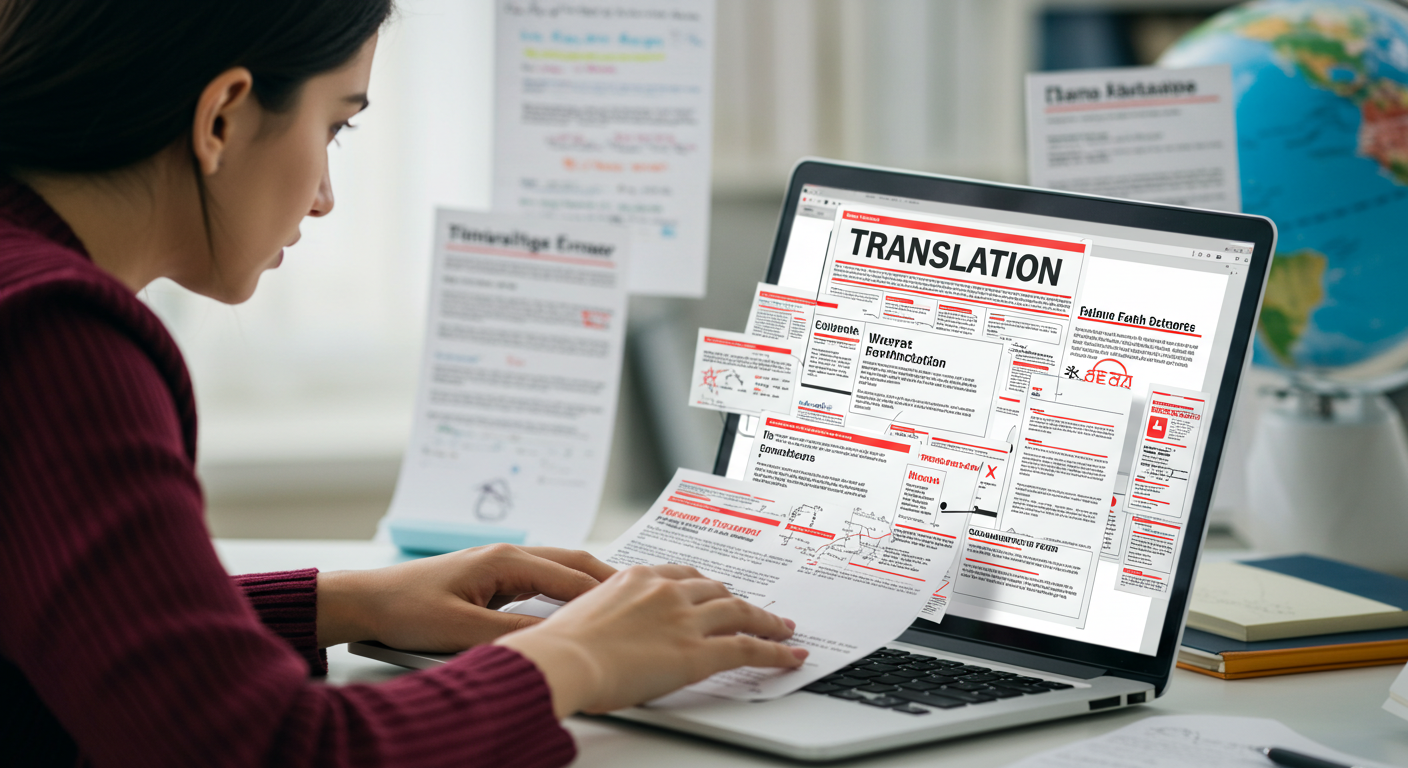
Document translation serves as the bridge connecting businesses, individuals, and organizations across linguistic boundaries. Whether you’re expanding into international markets, submitting academic credentials, or handling legal documentation, the accuracy of your translated materials can make or break your success.
The process appears straightforward on the surface – convert text from one language to another – yet the reality involves navigating complex cultural nuances, technical terminology, and contextual meanings that can dramatically impact the final result.
Professional translation services have become indispensable in our interconnected world, where a single mistranslated clause in a contract could cost thousands of dollars, or an incorrectly translated medical document might compromise patient safety. The stakes are particularly high when dealing with official documents, technical manuals, or marketing materials destined for foreign audiences.
Understanding the common mistakes to avoid when translating documents helps you make informed decisions about your translation needs and ensures your message resonates accurately with your target audience.
Many people underestimate the complexity involved in professional document translation, hence, take with levity, common mistakes to avoid when translating documents assuming that fluency in two languages automatically qualifies someone to produce accurate translations. This misconception leads to costly errors that could have been easily avoided with proper planning and professional expertise.
Recognizing these potential issues before they occur allows you to take proactive steps to protect your interests and ensure your translated documents serve their intended purpose effectively. This comprehensive guide examines the most frequent translation mistakes that plague document conversion projects, providing you with the knowledge needed to avoid these costly errors.
You’ll discover why certain approaches fail, learn to identify red flags in translation services, and understand how professional standards protect your investment in quality documentation that accurately represents your original message across language barriers.
Common Mistakes to Avoid When Translating Documents: Understanding Literal Translation Pitfalls
Literal word-for-word translation represents one of the most pervasive errors in document conversion, yet many people fall into this trap without realizing the damage they’re creating. This approach treats translation like a simple substitution game, replacing each word with its dictionary equivalent without considering context, cultural meaning, or linguistic structure.
The result often reads awkwardly, conveys incorrect information, or completely misses the intended message.
Languages operate on different structural foundations, with unique grammar rules, sentence patterns, and expression methods that don’t translate directly. Spanish speakers place adjectives after nouns, while English reverses this order.
German creates compound words that have no direct English equivalent, requiring translators to understand the concept and express it appropriately in the target language. Japanese relies heavily on context and implied meanings that must be explicitly stated in English translations.
Professional translators understand mistakes to avoid when translating documents, that effective document translation requires capturing the essence and intent of the original message rather than mechanically converting individual words. They consider the document’s purpose, target audience, and cultural context to produce translations that feel natural and communicate effectively.
This approach requires deep knowledge of both languages, extensive cultural understanding, and specialized expertise in the document’s subject matter.
The consequences of literal translation become particularly apparent in legal documents, where precise meaning determines validity and enforceability. Contract terms that make perfect sense in one language may have different legal implications when literally translated, potentially creating loopholes or invalidating important clauses.
Medical documents require similar precision, as literally translated symptoms or treatment instructions could endanger patient safety.
Avoiding literal translation mistakes requires working with professional services that prioritize meaning over mechanical word substitution. Quality translators invest time in understanding your document’s purpose, research specialized terminology, and craft translations that communicate your intended message clearly and effectively in the target language.
Common Mistakes to Avoid When Translating Documents: Ignoring Cultural Context and Nuances
Cultural context shapes language in ways that extend far beyond vocabulary and grammar, creating subtle meanings that can completely alter a document’s reception when ignored during translation. Colors carry different symbolic meanings across cultures, with white representing purity in Western traditions but mourning in some Asian cultures.
Numbers hold varying significance, with certain digits considered lucky or unlucky in different societies, potentially affecting how translated marketing materials or product information are received.
Business communication styles vary dramatically between cultures, with some societies preferring direct, straightforward approaches while others rely on indirect communication and implied meanings. A translated document that maintains the original culture’s communication style may seem rude or confusing to readers from a different cultural background.
Professional translators understand mistakes to avoid when translating documents, these nuances and adapt the communication style to match the target culture’s expectations.
Religious and social sensitivities require careful consideration during document translation, as certain topics, images, or expressions that are acceptable in one culture may be offensive or inappropriate in another. Marketing materials particularly suffer when cultural context is ignored, with translated slogans or product descriptions that miss cultural references or inadvertently offend potential customers.
These mistakes to avoid when translating documents can damage brand reputation and eliminate market opportunities.
Legal and regulatory differences between countries create additional cultural context requirements for document translation. Contract terms that are standard practice in one jurisdiction may be illegal or unenforceable in another, requiring translators with legal expertise to adapt the content appropriately. Medical documents face similar challenges, as treatment approaches and terminology vary between healthcare systems.
Successful document translation requires translators who possess deep cultural knowledge of both source and target societies, understanding not just the language but the underlying cultural framework that gives words their full meaning. This expertise helps ensure your translated documents communicate effectively and appropriately with their intended audience.
Common Mistakes to Avoid When Translating Documents: Selecting Unqualified Translators
The temptation to save money by hiring inexperienced or unqualified translators often results in far greater costs when poor translations create problems that require professional correction.
Many people assume that anyone who speaks two languages can provide adequate translation services, overlooking the specialized skills, training, and experience that professional document translation requires. This misconception leads to disappointing results and expensive complications that could have been avoided with proper translator selection.
Professional translators undergo extensive training that goes far beyond language fluency, developing expertise in translation theory, cultural adaptation techniques, and specialized terminology for specific industries or document types.
They understand the difference between interpretation and translation, know how to research unfamiliar terms, and maintain current knowledge of evolving language use and technical vocabularies. This specialized training enables them to handle complex documents that would overwhelm amateur translators.
Qualified translators typically hold certifications from recognized professional organizations, have formal education in translation studies or related fields, and maintain portfolios demonstrating their expertise in specific subject areas.
They invest in ongoing professional development, attend industry conferences, and participate in continuing education programs to stay current with best practices and emerging technologies that improve translation quality.
Also, in understanding mistakes to avoid when translating documents, the risks of selecting unqualified translators become apparent when documents fail to serve their intended purpose, whether due to inaccurate translations, inappropriate tone, or cultural insensitivity.
Legal documents may become invalid, technical manuals may provide incorrect instructions, and marketing materials may fail to connect with target audiences.
These failures often require complete retranslation by qualified professionals, doubling the original cost while delaying important projects.
Directline Translator maintains strict qualification standards for all team members, ensuring that every translator possesses the education, experience, and expertise necessary to handle your specific document type. This commitment to quality helps you avoid the common mistake of trusting important translations to unqualified individuals who lack the skills necessary to deliver professional results.
Common Mistakes to Avoid When Translating Documents: Overlooking Technical Terminology Requirements

Technical documents present unique mistakes to avoid when translating documents that require specialized knowledge extending far beyond general language skills, yet many translation projects fail because this requirement is underestimated or ignored entirely.
Medical documents contain precise terminology where slight variations in word choice can alter meaning dramatically, potentially affecting diagnosis accuracy or treatment effectiveness. Engineering specifications use technical terms that have exact meanings within specific contexts, and incorrect translation can lead to manufacturing errors or safety hazards.
Legal documents operate within highly specialized vocabulary systems where individual words carry specific legal meanings that may differ significantly from their common usage. Terms like “consideration” in contract law have precise legal definitions that cannot be translated using general dictionary meanings.
Patent documents require translators familiar with intellectual property terminology and the specific formatting requirements of different patent offices worldwide.
Financial documents involve complex terminology related to accounting principles, investment instruments, and regulatory requirements that vary between countries. Currency conversions, interest rate calculations, and financial reporting standards must be handled accurately to ensure translated documents remain compliant with local regulations.
Scientific research papers contain specialized terminology that requires deep subject matter expertise to translate accurately while maintaining the precise meanings essential for peer review and publication.
The consequences of inadequate technical terminology translation extend beyond simple comprehension issues, potentially creating legal liability, safety hazards, or regulatory violations. Medical device manuals with incorrect translations could endanger users, while financial documents with terminology errors might violate securities regulations.
Technical specifications with mistakes to avoid when translating documents can result in defective products or construction failures.
Professional translation services specializing in technical documents maintain teams of translators with subject matter expertise in relevant fields, ensuring that specialized terminology is handled accurately and appropriately.
These specialists understand the importance of precision in technical translation and have access to specialized dictionaries, glossaries, and reference materials necessary for accurate technical document translation.
Common Mistakes to Avoid When Translating Documents: Neglecting Proofreading and Quality Control
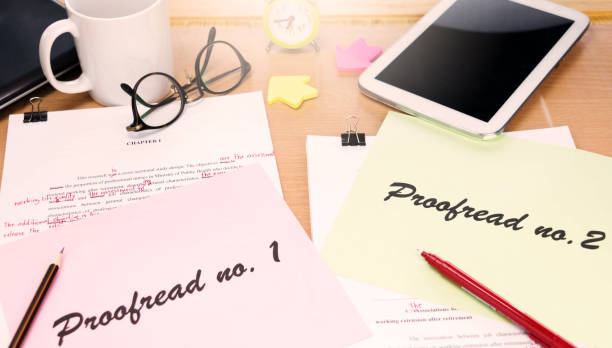
The final stages of document translation often determine whether a project succeeds or fails, yet many translation efforts skimp on proofreading and quality control measures that catch errors before documents reach their intended audience.
This oversight allows mistakes to slip through that could have been easily corrected, resulting in embarrassing errors, misunderstandings, or more serious consequences depending on the document’s importance and purpose.
Professional translation workflows incorporate multiple review stages, with different specialists checking for accuracy, fluency, cultural appropriateness, and technical correctness.
Initial translations undergo review by senior translators who verify accuracy and identify areas needing improvement. Subsequent reviews focus on readability, ensuring that translated documents flow naturally and communicate effectively with their target audience.
Quality control processes also include consistency checks that ensure terminology usage remains uniform throughout longer documents or multi-document projects. Specialized software tools help identify inconsistencies in term usage, formatting variations, and potential errors that might be missed during manual review.
These tools complement human expertise rather than replacing it, providing additional layers of quality assurance.
The complexity of quality control increases with document importance and technical difficulty, with critical documents like legal contracts or medical studies requiring more extensive review processes.
Some projects benefit from back-translation services, where completed translations are translated back into the original language to verify accuracy and identify potential misunderstandings that weren’t apparent in the forward translation.
Rushing through quality control stages to meet tight deadlines often creates more problems than it solves, as errors discovered after document distribution require expensive corrections and may damage professional relationships. Investing adequate time and resources in thorough quality control measures prevents these issues and ensures that translated documents meet professional standards worthy of your organization’s reputation.
Common Mistakes to Avoid When Translating Documents: Misunderstanding Document Purpose and Audience
Every document serves a specific purpose and targets a particular audience, yet translation projects frequently fail because these critical mistakes to avoid when translating documents are overlooked or misunderstood during the planning process. Marketing materials require persuasive language that motivates action, while technical manuals need clear, precise instructions that help users complete tasks safely and effectively.
Legal documents demand accuracy and formal language that maintains legal validity, while personal letters may require more casual, emotional tones that preserve personal relationships.
Audience considerations significantly impact translation approach, as documents intended for general consumers require different language choices than materials targeting industry professionals or academic researchers. Educational level, cultural background, and familiarity with subject matter all influence how translated documents should be crafted to communicate effectively with their intended readers.
The translation approach for internal company documents differs substantially from materials intended for external distribution, as internal documents may use company-specific terminology and assume familiarity with organizational structure and processes. External documents require more explanation and cannot rely on insider knowledge that external audiences don’t possess.
Regional variations within the same language create additional audience considerations, as Spanish translations for Mexican audiences may need different vocabulary choices than materials targeting Spanish speakers in Spain or Argentina. Similarly, British English translations may be inappropriate for American audiences, and vice versa, depending on the document’s purpose and distribution plans.
Successful document translation begins with clear understanding of mistakes to avoid when translating documents, purpose and audience, information that guides every decision throughout the translation process. Professional translators ask detailed questions about intended use and target readers to ensure their approach matches your specific requirements and produces translations that achieve your desired outcomes.
Common Mistakes to Avoid When Translating Documents: Formatting and Layout Preservation Issues
Document formatting plays a crucial role in readability and professional appearance, yet translation projects often overlook the importance of maintaining appropriate formatting standards that support effective communication. Text expansion or contraction during translation can disrupt carefully designed layouts, creating documents that appear unprofessional or become difficult to read.
Some languages require more space than others to express the same concepts, potentially affecting table formatting, page layouts, and document structure.
Charts, graphs, and technical diagrams embedded within documents require special attention during translation to note mistakes to avoid when translating documents, as labels, legends, and explanatory text must be translated while maintaining visual clarity and accuracy. Poor handling of these visual elements can make documents confusing or unusable, particularly in technical or scientific contexts where precise information presentation is critical.
Font selections that work well in the source language may be inappropriate for translated text, particularly when translating between languages that use different character sets or writing directions. Arabic and Hebrew documents read from right to left, requiring complete layout redesign rather than simple text replacement. Asian languages may need fonts that support complex characters not available in Western font families.
Document headers, footers, and metadata require translation consideration, as these elements contribute to document professionalism and may contain important information that needs to be accessible to target language readers. Page numbering, cross-references, and index entries must be updated to reflect translated content while maintaining document navigation functionality.
Professional translation services include formatting expertise that ensures translated documents maintain visual appeal and functional effectiveness. This attention to presentation details helps ensure that your translated documents make positive impressions and communicate effectively with their intended audiences.
Common Mistakes to Avoid When Translating Documents: Inadequate Research and Preparation
Successful document translation requires thorough preparation and research that many amateur translators skip, leading to inaccurate translations that miss important nuances or contain factual errors.
Professional translators invest significant time in understanding mistakes to avoid when translating documents, the source material, researching unfamiliar terminology, and gathering reference materials that support accurate translation decisions throughout the project.
Background research helps translators understand the context surrounding their assigned documents, including industry practices, cultural references, and technical standards that influence translation choices.
Legal document translation requires research into relevant laws and regulations in both source and target jurisdictions, while medical document translation demands understanding of healthcare systems and treatment approaches in different countries.
Terminology research ensures that specialized terms are translated accurately and consistently, particularly important in technical documents where precision is critical. Professional translators maintain extensive reference libraries and have access to specialized dictionaries, glossaries, and database resources that support accurate terminology translation across diverse subject areas.
Client consultation during the preparation phase helps clarify document purpose, identify potential challenges, and establish quality standards that guide the translation process. This collaborative approach prevents misunderstandings that could compromise translation quality and ensures that the final product meets client expectations and requirements.
The time invested in thorough preparation significantly improves translation quality while reducing revision requirements and project delays. Professional translation services build adequate preparation time into project schedules, recognizing that this upfront investment produces superior results that justify the additional effort and cost.
Common Mistakes to Avoid When Translating Documents: Technology Over-Reliance Problems
Machine translation technology has advanced significantly in recent years, tempting many people to rely exclusively on automated tools for document translation needs. While these technologies provide useful support for professional translators, they cannot replace human expertise when accuracy, cultural sensitivity, and professional quality are required.
Over-reliance on technology often produces translations that are technically correct but miss important nuances that only human translators can provide.
Automated translation tools struggle with context, idioms, and cultural references that require human understanding to translate appropriately. They often produce literal translations that sound unnatural or convey incorrect meanings, particularly problematic when dealing with marketing materials, legal documents, or technical specifications where precision is critical.
The limitations of machine translation become particularly apparent with complex sentence structures, ambiguous meanings, and specialized terminology that requires subject matter expertise to handle correctly, these may disallow paying attention on mistakes to avoid when translating documents. While technology can assist with basic vocabulary and grammar checking, human translators must make final decisions about meaning, tone, and cultural appropriateness.
Quality professional translation services use technology as a tool to support human expertise rather than replace it, combining the efficiency of automated assistance with the judgment and cultural knowledge that only experienced translators provide. This balanced approach produces superior results that meet professional standards while maintaining reasonable project timelines.
Directline Translator integrates advanced technology tools with expert human oversight, ensuring that clients receive the benefits of technological efficiency without sacrificing the quality and accuracy that only professional translators can deliver. This approach prevents the common mistake of over-relying on technology while missing the human elements that make translations truly effective.
Common Mistakes to Avoid When Translating Documents: Deadline Management and Rush Jobs
Time pressure represents one of the most common mistakes to avoid when translating documents, as rushed projects often sacrifice quality for speed, leading to mistakes that could have been avoided with proper planning and realistic scheduling. Many translation errors result from inadequate time allocation for research, translation, review, and quality control processes that are essential for professional results.
Unrealistic deadlines force translators to skip important preparation steps, reducing research time and limiting opportunities for thorough quality control. This time pressure increases error rates and reduces translation quality, potentially creating problems that take more time to correct than would have been saved by rushing the original project.
The complexity of document translation requires adequate time for each project phase, from initial analysis and preparation through final quality control and delivery. Professional translators need time to research mistakes to avoid when translating documents, unfamiliar terminology, consult reference materials, and collaborate with subject matter experts when necessary to ensure accuracy.
Emergency rush jobs may be necessary occasionally, but they should be the exception rather than the rule, as they typically cost more and produce lower quality results than projects completed with adequate time allocation. Planning translation needs well in advance allows for proper scheduling and helps ensure optimal quality.
Other mistakes to avoid when translating documents, is that successful translation project management involves realistic deadline setting that accounts for document complexity, translator availability, and quality control requirements. Working with professional translation services helps ensure that deadlines are achievable while maintaining quality standards that protect your interests and reputation.
Common Mistakes to Avoid When Translating Documents: Cost-Cutting Consequences and False Economy
The desire to minimize translation costs often leads to decisions that ultimately cost more money while producing inferior results, creating a false economy that damages both immediate projects and long-term objectives.
Choosing the cheapest available translation service is one of the big mistakes to avoid when translating documents, when this happen frequently, it results in poor quality work that requires expensive corrections, delays important projects, and may damage professional relationships or business opportunities.
Quality professional translation requires significant investment in translator training, reference materials, quality control processes, and ongoing professional development that budget services cannot afford to provide. These essential investments support translation accuracy and consistency that cheaper alternatives simply cannot match, making professional services a better value despite higher upfront costs.
The true cost of poor translation extends beyond immediate financial considerations to include lost opportunities, damaged reputation, legal complications, and relationship problems that can be difficult to quantify but have substantial long-term impact. Another mistakes to avoid when translating documents is, when medical document errors could endanger patient safety, while legal translation mistakes might invalidate important contracts or create liability issues.
Business opportunities may disappear when poorly translated marketing materials fail to connect with target audiences or when technical documentation errors prevent successful product launches in international markets. These mistakes to avoid when translating documents often represent far more value than the savings achieved through cheap translation services.
Investing in quality professional translation services protects your interests while supporting your objectives, making it a sound business decision that provides better long-term value than attempting to save money through inferior alternatives. Professional services like Directline Translator justify their costs through superior quality and results that support your success rather than undermining it.
Professional document translation serves as a critical investment in your success, whether you’re expanding business operations internationally, submitting academic credentials, or handling important personal documents that require accuracy and cultural sensitivity.
The mistakes outlined in this guide represent common pitfalls that can be easily avoided through proper planning, realistic expectations, and partnership with qualified professional translation services.
Understanding these potential problems helps you make informed decisions about your translation needs and ensures that your investment produces documents that accurately represent your original message while communicating effectively with your target audience.
The consequences of translation errors extend far beyond simple embarrassment, potentially affecting legal validity, business opportunities, personal relationships, and professional reputation in ways that justify investing in quality professional services.
Directline Translator specializes in helping clients avoid mistakes to avoid when translating documents through comprehensive services that address every aspect of professional document translation.
Our qualified translators, rigorous quality control processes, and commitment to client success ensure that your translated documents meet the highest professional standards while serving their intended purpose effectively across cultural and linguistic boundaries.
FAQs On Common Mistakes to Avoid When Translating Documents:
Q: How long should I allow for professional document translation? A: Translation timelines depend on document length, complexity, and language pair, but most professional projects require 2-3 days per 1,000 words to ensure proper quality control and accuracy.
Q: Can machine translation tools replace professional translators for business documents? A: While machine translation has improved, professional human translators remain essential for business documents requiring accuracy, cultural sensitivity, and nuanced communication that automated tools cannot provide.
Q: What qualifications should I look for in a professional translator? A: Look for translators with relevant education, professional certifications, subject matter expertise in your document type, and demonstrated experience in your specific industry or field.
Q: How much does professional document translation typically cost? A: Professional translation rates vary by language pair, document complexity, and urgency, typically ranging from $0.12 to $0.35 per word, with specialized technical documents commanding higher rates.
Q: Should I provide reference materials to my translator? A: Yes, providing glossaries, previous translations, style guides, and background information helps translators understand your preferences and maintain consistency across projects.
Q: How can I verify translation quality without speaking the target language? A: Professional translation services provide quality guarantees, use certified translators, and offer back-translation services for critical documents when additional verification is needed.
Q: What’s the difference between translation and interpretation services? A: Translation involves written documents with time for research and revision, while interpretation handles spoken communication in real-time without opportunity for correction or research.
Q: Can the same translator handle all types of documents? A: While good translators can handle various document types, specialized documents like legal contracts or medical studies require translators with specific subject matter expertise.
Q: What happens if I need changes after receiving my translated document? A: Professional translation services typically include reasonable revision requests, though major changes to scope or requirements may incur additional charges depending on the service agreement.
Q: How do I protect confidential information during document translation? A: Professional translation services use confidentiality agreements, secure file transfer systems, and trained staff who understand the importance of maintaining client confidentiality throughout the translation process.