 directlineauthors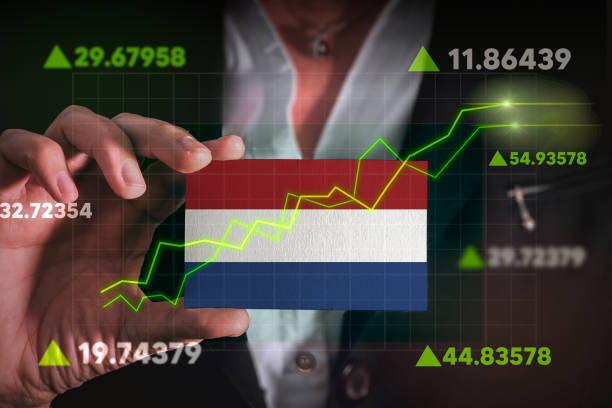
The Netherlands stands as one of Europe’s most economically vibrant nations, offering incredible opportunities for businesses ready to expand their reach. With over 17 million Dutch speakers in the Netherlands and millions more across Belgium, Suriname, and various Caribbean territories, accessing Dutch-speaking markets requires more than basic language skills—it demands cultural insight and professional expertise.
Dutch translation services have become the bridge that connects international businesses with these lucrative European markets. Companies that invest in quality Dutch translation often see remarkable returns, as Dutch consumers show strong preferences for content in their native language. Research consistently shows that 72% of Dutch consumers spend most of their time on websites written in their own language, making professional translation services not just helpful, but absolutely necessary for market penetration.
The complexity of Dutch language, with its unique grammatical structures and cultural nuances, makes professional translation services indispensable. Amateur translations or automated tools simply cannot capture the subtleties that make Dutch communication effective and persuasive. This comprehensive guide will walk you through everything you need to know about Dutch translation services, from understanding market opportunities to selecting the right translation partner for your business expansion goals.
Professional Dutch Translation Services for European Market Entry
Breaking into European markets starts with understanding that the Netherlands serves as a gateway to broader European opportunities. Dutch translation services provided by experienced professionals open doors that would otherwise remain closed to international businesses. The Dutch market itself represents significant purchasing power, with consumers known for their high standards and attention to detail.
Professional Dutch translation goes beyond converting words from one language to another. Native Dutch translators understand cultural context, business etiquette, and market-specific terminology that makes the difference between successful market entry and costly mistakes. When Directline Translators handles your Dutch translation projects, you gain access to translators who live and breathe Dutch culture while maintaining the technical expertise needed for complex business communications.
The Netherlands maintains its position as one of Europe’s most digitally advanced countries, with 96% internet penetration and sophisticated e-commerce infrastructure. This digital sophistication means Dutch consumers expect high-quality, professionally translated content across all digital platforms. Companies that cut corners on Dutch translation services often struggle to gain traction in this demanding market.
Market research indicates that businesses investing in professional Dutch translation services see average revenue increases of 40% within their first year of market entry. These numbers reflect the Dutch market’s responsiveness to properly localized content and culturally appropriate communication strategies.
Understanding Dutch Translation Requirements for Business Success
Dutch translation requirements vary significantly depending on your industry and target audience. Legal documents, marketing materials, technical manuals, and website content each demand different approaches and expertise levels. Understanding these requirements helps businesses make informed decisions about their translation strategy.
Legal Dutch translation requires certified translators familiar with both Dutch legal terminology and the legal systems of source countries. Business contracts, compliance documents, and regulatory filings must meet strict accuracy standards. A single mistranslation in legal documents can result in costly disputes or regulatory complications.
Marketing Dutch translation focuses on cultural adaptation rather than literal translation. Dutch consumers respond to different emotional triggers and communication styles compared to other European markets. Successful marketing translations capture brand personality while respecting Dutch cultural values and communication preferences.
Technical Dutch translation serves industries like engineering, manufacturing, and information technology. These translations require subject matter expertise combined with linguistic skills. Technical translators must understand complex concepts and communicate them clearly to Dutch-speaking audiences.
Website Dutch translation encompasses multiple elements including user interface text, product descriptions, blog content, and customer support materials. Search engine optimization considerations add another layer of complexity, as Dutch SEO strategies differ from those used in other markets.
Dutch Translation Strategies for Effective Market Penetration
Successful market penetration through Dutch translation requires strategic thinking beyond basic language conversion. Companies that achieve lasting success in Dutch-speaking markets develop comprehensive translation strategies aligned with their overall business objectives.
Content localization represents the foundation of effective Dutch translation strategies. This process adapts not just language but also cultural references, imagery, colors, and design elements to resonate with Dutch audiences. Localization considers Dutch holidays, cultural events, and social norms that influence purchasing decisions.
Brand consistency across languages presents unique challenges in Dutch translation. Companies must maintain their core brand identity while adapting messaging to fit Dutch communication styles. This balance requires skilled translators who understand both source and target cultures intimately.
Market timing plays a crucial role in Dutch translation strategy success. The Netherlands has distinct seasonal patterns, business cycles, and consumer behavior trends that influence when and how to launch translated content. Understanding these patterns helps optimize translation project timing for maximum impact.
Quality assurance processes ensure Dutch translation consistency across all customer touchpoints. This includes establishing glossaries, style guides, and review procedures that maintain translation quality over time. Consistent quality builds trust with Dutch consumers and supports long-term market success.
Choosing Quality Dutch Translation Partners for European Expansion
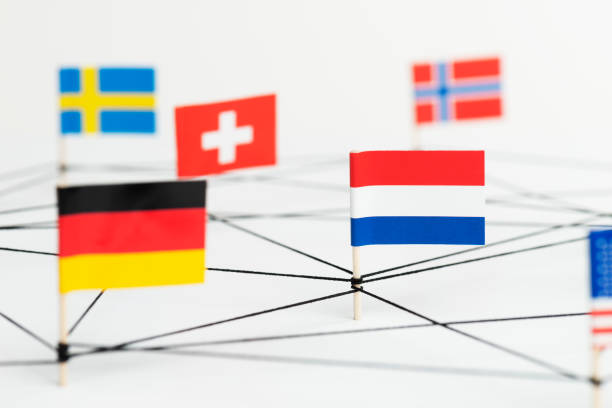
Selecting the right Dutch translation partner determines the success or failure of your European expansion efforts. The translation industry includes many providers, but few possess the combination of linguistic expertise, cultural knowledge, and business acumen needed for successful market entry.
Native speaker requirements should be non-negotiable when choosing Dutch translation services. Native speakers possess intuitive understanding of language nuances that non-native speakers cannot replicate, regardless of their training or experience. This native fluency becomes especially important for marketing and customer-facing content.
Industry specialization matters significantly in Dutch translation quality. Translators with experience in your specific industry understand terminology, regulatory requirements, and communication conventions that generic translators might miss. Specialized knowledge prevents costly errors and ensures professional presentation.
Technology integration capabilities separate modern translation providers from outdated services. Advanced translation memory systems, collaborative platforms, and quality assurance tools streamline the translation process while maintaining consistency across projects. These technologies also reduce costs and accelerate delivery timelines.
Project management expertise ensures smooth collaboration between your team and Dutch translation providers. Experienced project managers coordinate complex multilingual projects, manage deadlines, and maintain communication throughout the translation process. Strong project management prevents delays and miscommunications that can derail market entry plans.
Dutch Translation Technology and Modern Solutions for Businesses
Modern Dutch translation leverages advanced technology to improve quality, speed, and cost-effectiveness. Understanding available technology options helps businesses make informed decisions about their translation approach and provider selection.
Computer-assisted translation (CAT) tools enhance translator productivity while maintaining human quality control. These tools identify repetitive content, suggest translations for similar phrases, and ensure consistency across large projects. CAT tools particularly benefit businesses with extensive documentation or regular translation needs.
Translation memory systems store previously translated content for future reference and reuse. This technology reduces costs for ongoing translation projects while ensuring consistency in terminology and style. Companies with regular Dutch translation needs see significant cost savings through translation memory implementation.
Quality assurance automation identifies potential errors, inconsistencies, and omissions before final delivery. Automated quality checks supplement human review processes, catching issues that might otherwise slip through manual review. This technology improves overall translation quality while reducing review time.
Cloud-based collaboration platforms enable real-time cooperation between translators, reviewers, and clients. These platforms provide transparency into translation progress, allow for immediate feedback, and facilitate version control. Cloud technology makes the translation process more efficient and responsive to client needs.
Cultural Adaptation in Dutch Translation for Market Success
Cultural adaptation transforms literal translations into communications that resonate with Dutch audiences. This process requires deep understanding of Dutch culture, values, and communication preferences that influence how messages are received and acted upon.
Dutch communication style tends toward directness and efficiency, contrasting with more formal or elaborate styles common in other cultures. Successful Dutch translation adapts content to match these preferences while maintaining appropriate professional tone. This adaptation affects everything from email communications to marketing campaigns.
Business hierarchy and decision-making processes in the Netherlands influence how translated content should be structured and presented. Dutch business culture values consensus-building and collaborative decision-making, which affects how proposals, presentations, and negotiations should be translated and localized.
Consumer behavior patterns specific to Dutch markets require translation approaches that align with local shopping habits, payment preferences, and customer service expectations. Understanding these patterns helps create translated content that drives desired consumer actions.
Regional variations within Dutch-speaking territories add complexity to cultural adaptation. While the Netherlands and Belgium both use Dutch, cultural differences between these markets require nuanced translation approaches. Professional translators understand these variations and adapt content accordingly.
Industry-Specific Dutch Translation Applications and Requirements
Different industries present unique Dutch translation challenges that require specialized expertise and approaches. Understanding industry-specific requirements helps businesses select appropriate translation services and set realistic expectations for their projects.
Healthcare Dutch translation involves medical terminology, patient communications, and regulatory compliance documentation. Medical translators must understand both medical concepts and Dutch healthcare systems to produce accurate, compliant translations. Patient safety considerations make accuracy absolutely critical in healthcare translation.
Financial services Dutch translation covers banking products, investment materials, insurance policies, and regulatory filings. Financial translators must understand complex financial concepts while ensuring compliance with Dutch financial regulations. The precision required in financial translation leaves no room for ambiguity or error.
Legal Dutch translation encompasses contracts, court documents, patents, and compliance materials. Legal translators require deep knowledge of both Dutch legal systems and source country legal frameworks. Legal translation accuracy directly impacts business operations and regulatory compliance.
Technology Dutch translation serves software companies, engineering firms, and digital platforms expanding into Dutch markets. Technical translators must understand complex concepts while making them accessible to Dutch-speaking users. User experience considerations add another layer of complexity to technology translation projects.
Cost-Effective Dutch Translation Solutions for Growing Companies
Managing Dutch translation costs while maintaining quality requires strategic approaches that balance budget constraints with market entry objectives. Smart companies find ways to optimize translation investments for maximum return on investment.
Project bundling allows companies to achieve economies of scale in Dutch translation services. Combining multiple translation needs into larger projects often results in volume discounts and improved project management efficiency. Bundling works particularly well for companies with diverse translation needs across different departments.
Translation memory investments pay dividends for companies with ongoing Dutch translation requirements. While initial setup costs may be higher, translation memory systems reduce costs for future projects by leveraging previously translated content. Companies with regular translation needs typically recover translation memory investments within 6-12 months.
Staged translation approaches allow companies to prioritize high-impact content while deferring less critical translations. This strategy enables faster market entry with limited budgets while planning for comprehensive translation as resources become available. Staged approaches require careful content prioritization and strategic planning.
Long-term partnership agreements with Dutch translation providers often result in preferential pricing and improved service levels. Providers value consistent clients and typically offer better rates and priority scheduling for companies committed to ongoing relationships. These partnerships also improve translation quality through familiarity with client preferences and requirements.
Dutch Translation Quality Assurance and Best Practices
Quality assurance processes determine the success of Dutch translation projects and directly impact business outcomes. Implementing comprehensive quality assurance measures ensures translations meet professional standards and support business objectives.
Multi-stage review processes catch errors and improve translation quality through systematic evaluation. Typical review stages include initial translation, linguistic review, cultural adaptation review, and final proofreading. Each stage focuses on different quality aspects, from accuracy to cultural appropriateness.
Native speaker review requirements ensure translations sound natural and culturally appropriate to Dutch audiences. Even excellent translations can benefit from native speaker perspective on tone, style, and cultural nuances. Native speaker review particularly benefits marketing and customer-facing content.
Style guide development creates consistency standards for ongoing Dutch translation projects. Style guides specify terminology preferences, tone guidelines, and formatting requirements that ensure brand consistency across all translated materials. Well-developed style guides improve efficiency and quality in long-term translation programs.
Feedback integration processes allow continuous improvement in Dutch translation quality. Regular feedback from Dutch market performance, customer responses, and sales results helps refine translation approaches over time. Companies that actively incorporate market feedback into their translation strategy see improved results and better return on investment.
Dutch Translation Project Management for Optimal Results
Effective project management makes the difference between successful Dutch translation projects and frustrating experiences that fail to meet business objectives. Understanding project management best practices helps businesses collaborate more effectively with translation providers.
Timeline planning requires realistic expectations about Dutch translation complexity and quality requirements. Rush projects often result in compromised quality or increased costs, while overly extended timelines can delay market entry opportunities. Experienced project managers help balance speed and quality considerations.
Communication protocols establish clear expectations for project updates, revision requests, and approval processes. Well-defined communication reduces misunderstandings and keeps projects on track. Regular communication also identifies potential issues early, allowing for proactive resolution.
Version control systems prevent confusion and errors in complex Dutch translation projects involving multiple stakeholders. Clear version control ensures everyone works with current content and prevents outdated translations from reaching market. This becomes especially important for website and marketing material translations.
Approval workflows streamline decision-making processes while ensuring appropriate stakeholders review translated content before publication. Efficient approval workflows prevent bottlenecks that delay project completion while maintaining quality control standards. Clear approval authority prevents confusion and expedites decision-making.
Measuring Dutch Translation Success and Return on Investment
Measuring translation success helps businesses optimize their Dutch market entry strategies and justify translation investments. Effective measurement requires establishing clear metrics and tracking systems from project inception.
Market penetration metrics track how Dutch translation efforts contribute to business growth in target markets. Key metrics include website traffic from Dutch-speaking regions, lead generation rates, conversion rates, and customer acquisition costs. These metrics directly connect translation investments to business outcomes.
Customer satisfaction indicators reveal how well Dutch translations resonate with target audiences. Customer feedback, support ticket volumes, and user experience metrics provide insights into translation effectiveness. High customer satisfaction typically correlates with successful market penetration.
Revenue attribution helps quantify the financial impact of Dutch translation investments. Tracking revenue from Dutch-speaking markets before and after professional translation implementation provides clear return on investment calculations. Most businesses see positive ROI within 12-18 months of implementing comprehensive Dutch translation strategies.
Competitive analysis reveals how Dutch translation efforts compare to competitor approaches in the same market. Understanding competitive positioning helps identify opportunities for improvement and differentiation. Regular competitive analysis ensures translation strategies remain effective as markets evolve.
The future of Dutch translation continues expanding as European markets become increasingly interconnected and digital. Companies that establish strong Dutch translation capabilities today position themselves for sustained success in evolving European markets. Professional Dutch translation services represent strategic investments that pay dividends through improved market access, customer relationships, and competitive positioning.
Directline Translators stands ready to support your Dutch market expansion with comprehensive translation services designed for business success. Our native Dutch speakers combine linguistic expertise with business acumen to create translations that truly connect with European markets. Contact us today to discuss how professional Dutch translation can accelerate your European expansion goals.
FAQs On Dutch Translation: Connecting with European Markets:
1. How long does professional Dutch translation typically take for business documents? Professional Dutch translation timelines vary based on document complexity and length. Simple business correspondence might be completed within 24-48 hours, while complex technical documentation could require 1-2 weeks. Marketing materials often need additional time for cultural adaptation and review processes.
2. What qualifications should I look for in Dutch translators? Look for native Dutch speakers with relevant industry experience, professional translation credentials, and proven track records in business translation. Certified translators with specialized knowledge in your industry typically produce the highest quality results.
3. Can machine translation tools replace professional Dutch translation services? Machine translation tools cannot match the cultural insight and contextual understanding that professional human translators provide. While these tools might handle simple tasks, business-critical communications require human expertise to ensure accuracy and cultural appropriateness.
4. How much should I budget for Dutch translation services? Dutch translation costs vary based on content complexity, urgency, and volume. Business documents typically range from $0.12-$0.25 per word, while specialized technical or legal translations may cost more. Volume discounts and ongoing partnerships often reduce per-word costs.
5. Do I need different translators for Netherlands Dutch versus Belgian Dutch? While both regions use Dutch, cultural and regional differences may require different approaches. Experienced translators understand these nuances and can adapt content appropriately for specific target markets within the Dutch-speaking world.
6. What file formats can professional Dutch translators handle? Professional translation services typically handle all common business formats including Word documents, PDFs, PowerPoint presentations, Excel spreadsheets, and various web formats. Advanced providers also support specialized formats for desktop publishing and web development.
7. How do I ensure consistency across multiple Dutch translation projects? Consistency requires style guides, glossaries, and translation memory systems that maintain terminology and tone across projects. Working with the same translation team and implementing quality assurance processes also helps ensure consistent results.
8. What industries benefit most from professional Dutch translation? All industries benefit from professional Dutch translation, but technology, healthcare, financial services, and manufacturing companies often see particularly strong returns due to regulatory requirements and technical complexity that demand expert translation.
9. Can Dutch translation services help with SEO for Dutch markets? Yes, professional Dutch translation services include SEO considerations such as keyword research, meta tag translation, and content optimization for Dutch search engines. This helps improve visibility and organic traffic from Dutch-speaking markets.
10. How do I measure the success of my Dutch translation investment? Success metrics include increased website traffic from Dutch-speaking regions, improved conversion rates, customer satisfaction scores, and revenue growth in target markets. Most businesses see measurable improvements within 6-12 months of implementing professional Dutch translation strategies.