
 Elizabeth123
English to Oromo translation services in Ethiopia bridge communication gaps for a Cushitic language spoken by over 40 million people, enhancing access to global education, business, and healthcare resources. Professional translators in Africa employ advanced tools to guarantee accuracy, cultural nuance, and dialect adaptability, fostering economic growth and cultural exchange. Such services promote inclusivity and mutual understanding in diverse settings. Continued engagement uncovers deeper strategies for precise and effective translations.
Quick Summaries
- Oromo is a Cushitic language spoken by over 40 million in Ethiopia, making English translations vital for communication.
- Professional translation services in Ethiopia offer certified linguists for accurate English to Oromo conversions.
- These services enhance access to global education, business, and healthcare for Oromo speakers in Africa.
- Accurate translations require understanding Oromo grammar, cultural nuances, and adapting idioms for precision.
- Cultural aspects, like the Gadaa system, must be considered to ensure authentic and respectful translations.
The Oromo Language in Ethiopia
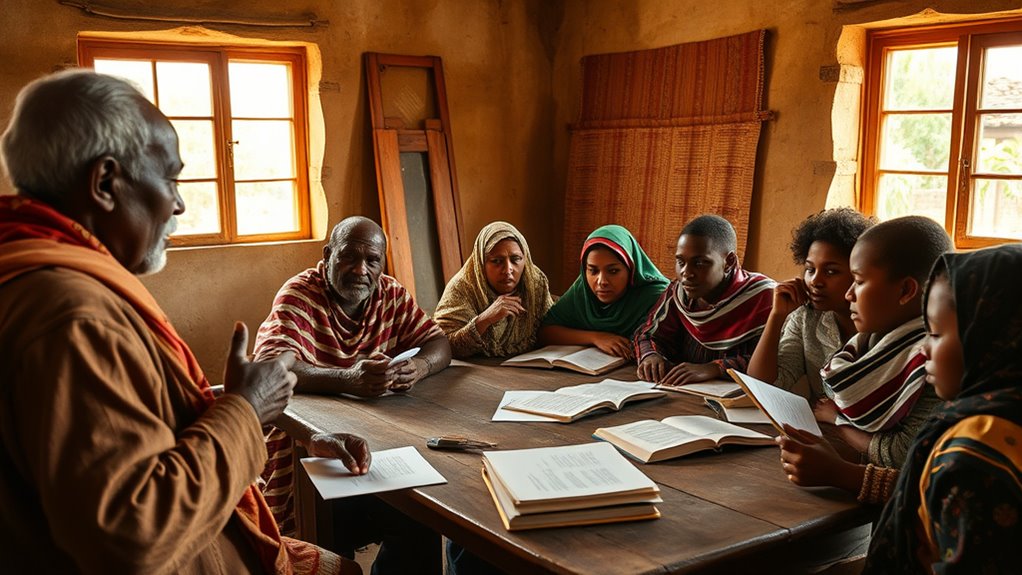
The Oromo language, a Cushitic branch of the Afro-Asiatic family, is primarily spoken by the Oromo people, who form Ethiopia’s largest ethnic group. With over 40 million speakers, it serves as a essential medium of communication across regions like Oromia, where it holds official status. The language features a rich oral tradition, including proverbs, poetry, and folklore that preserve cultural heritage. Its phonetic structure includes five vowel qualities and a system of consonants influenced by Cushitic roots, making it distinct among Ethiopian languages. Oromo employs a Latin-based script since the 1970s, facilitating literacy and education. Despite regional dialects such as Borana and Macca, a standardized form promotes unity. As a symbol of identity, Oromo plays a key role in media, literature, and community events, reflecting Ethiopia’s linguistic diversity. This enduring language continues to evolve, adapting to modern influences while maintaining its historical essence.
Benefits of English to Oromo Translation
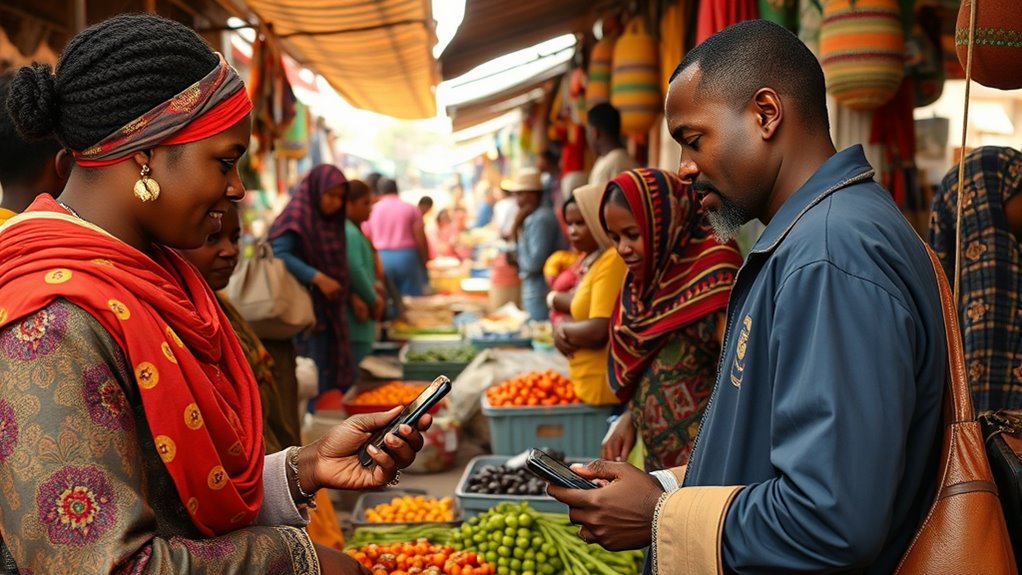
English to Oromo translation bridges communication gaps, enabling access to global knowledge, education, and opportunities for Oromo speakers. This process empowers individuals to engage with international resources, such as online courses and scientific literature, fostering personal and professional growth. For instance, translated materials allow Oromo communities to participate in global dialogues, enhancing cultural exchange and mutual understanding. It also supports economic development by making English business content accessible, which can lead to new trade partnerships and job prospects. Moreover, accurate translations preserve the nuances of the Oromo language, ensuring that information is not only comprehensible but also culturally relevant. Overall, this linguistic tool promotes inclusivity, reducing barriers in healthcare, technology, and social interactions, ultimately contributing to a more equitable society for Oromo speakers worldwide.
Professional Translation Services in Africa

In Africa, professional translation services have emerged as essential facilitators of cross-cultural communication, particularly for languages like Oromo in multilingual contexts. These services, often provided by specialized firms in countries such as Ethiopia, employ certified linguists and use advanced tools to handle complex translations from English to Oromo. They play a crucial role in sectors like business, where accurate document conversion aids international trade agreements and negotiations. In education and healthcare, such services enable the dissemination of information to diverse populations, fostering inclusivity. Across the continent, the demand for these services has grown due to globalization, with providers adapting to local dialects and cultural sensitivities. This expansion enhances diplomatic relations and economic integration, bridging divides in Africa‘s linguistic mosaic. Professional translators guarantee high standards, contributing to effective global engagement without compromising on quality.
Key Tips for Accurate Translations
Achieving accurate translations requires understanding cultural contexts and linguistic subtleties. In English to Oromo translation, translators must master Oromo grammar, which often employs agglutinative structures unlike English’s more rigid syntax. Selecting precise vocabulary is essential, as direct equivalents may alter intended meanings. Idiomatic expressions demand contextual adaptation to preserve nuance without literalism. Using reliable bilingual resources and translation software helps maintain consistency across texts. Collaboration with experienced linguists guarantees errors are minimized early. Thorough proofreading, including multiple reviews, catches overlooked inaccuracies. Staying informed about Oromo language variations, such as dialects, supports adaptability. These strategies enable high-quality, error-free translations, enhancing communication effectiveness in professional settings. Ultimately, prioritizing these tips results in translations that are both faithful and fluent.
Cultural Aspects of Oromo Translation
Cultural sensitivity profoundly influences Oromo translations, requiring translators to navigate the rich traditions and social norms of the Oromo people. For instance, the Oromo’s emphasis on communal values, such as the Gadaa system of governance and age-set structures, demands careful adaptation of English concepts to avoid cultural misalignment. Translators must adeptly handle idiomatic expressions, like proverbs rooted in pastoral life, ensuring they resonate with Oromo oral traditions. Social norms, including respect for elders and gender roles, further complicate translations, as direct equivalents may not exist. This involves researching historical contexts, such as the Oromo’s struggles for autonomy, to preserve authenticity. Ultimately, effective Oromo translation bridges linguistic gaps while honoring cultural heritage, fostering mutual understanding in Ethiopia’s diverse society. By prioritizing context over literalism, translators enhance accuracy and respect, making cross-cultural communication more impactful. (124 words)
Frequently Asked Questions
How Much Does English to Oromo Translation Cost?
The current question inquires about the cost of translating text from English to Oromo. Such costs depend on various factors including the length of the text, urgency, and the expertise of the translator. Generally, prices range from $0.05 to $0.20 per word.
What Is the Typical Turnaround Time for Services?
The typical turnaround time for services varies depending on factors like project size, complexity, and provider workload. For standard tasks, it often ranges from 24 to 72 hours, while larger projects may take several days to a week or more.
Are Online Tools Available for Quick Translations?
In the current digital era, the question of whether online tools are available for quick translations is relevant. These tools are plentiful, with many websites and apps providing fast and reliable translation options for users globally. This accessibility promotes cross-cultural exchange and efficient information sharing.
How Can I Request a Free Translation Quote?
Requesting a free translation quote involves contacting service providers through their official websites, where forms are available for submission. Individuals may also email or call to provide details, enabling providers to generate estimates without obligation.
Do You Offer Discounts for Bulk Translations?
The question of whether discounts are offered for bulk translations is frequently raised by clients. Many translation services provide such incentives based on volume to encourage larger projects. Interested parties should request a detailed quote to explore options, as policies vary by provider. This approach fosters cost-effective partnerships.

