
 Elizabeth123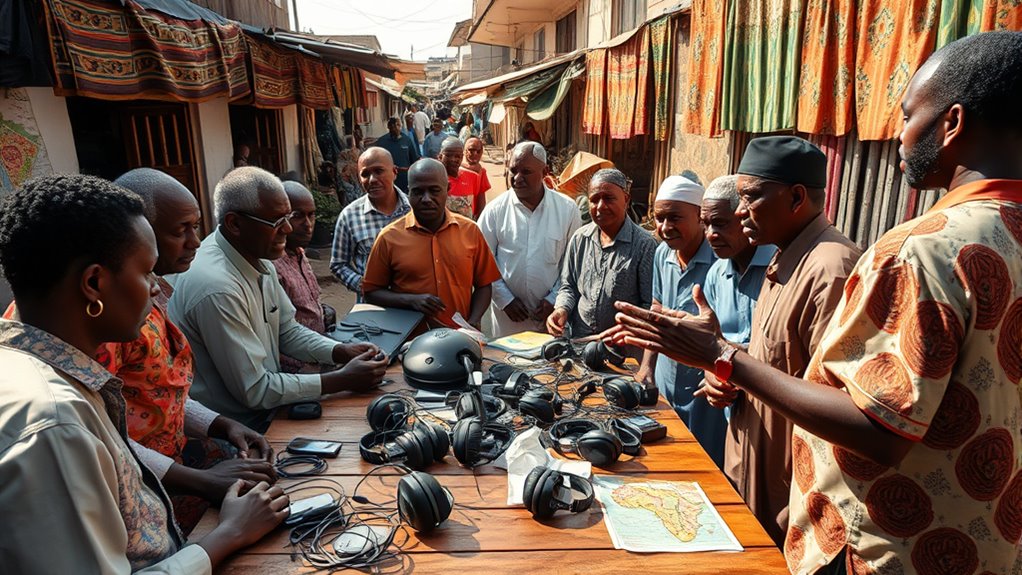
In Nigeria’s multilingual environment, French to Hausa translation services bridge communication gaps between French-influenced and Hausa-speaking regions, aiding business expansion, cultural exchange, and diplomacy. Skilled linguists use tools like SDL Trados and AI-driven engines for accurate, error-minimized conversions that preserve nuances. These services enhance trade, education, and economic growth in African markets. Emerging trends, such as neural machine translation, promise greater efficiency. Details on applications and steps follow seamlessly.
Quick Summaries
- Professional French to Hausa translation services in Nigeria bridge communication gaps across diverse regions.
- These services enhance business efficiency by facilitating trade between French-speaking and Hausa communities.
- Expert translators ensure cultural accuracy, adapting idioms and nuances for mutual understanding.
- AI-driven tools like SDL Trados improve translation accuracy and speed for French to Hausa conversions.
- Emerging trends in AI-powered translations support economic growth and diplomacy in Nigeria and Africa.
Overview of French to Hausa Translation Services

French to Hausa translation services in Nigeria address the need for accurate language conversion amid the country’s linguistic diversity. Nigeria’s population speaks over 500 languages, making these services essential for bridging communication gaps between French-influenced regions and Hausa-speaking communities in the north. Providers employ skilled linguists who specialize in both languages, drawing on cultural expertise to handle nuances like idioms and regional dialects. Translation processes include document conversion, real-time interpretation, and localization for media, ensuring fidelity to original meanings. These services are delivered through certified agencies and independent professionals, often utilizing advanced software for efficiency. In a nation where language barriers can hinder social and international interactions, such offerings promote inclusivity and mutual understanding without commercial emphasis. This overview illustrates their foundational role in Nigeria’s multilingual landscape.
Key Benefits for Businesses in Nigeria
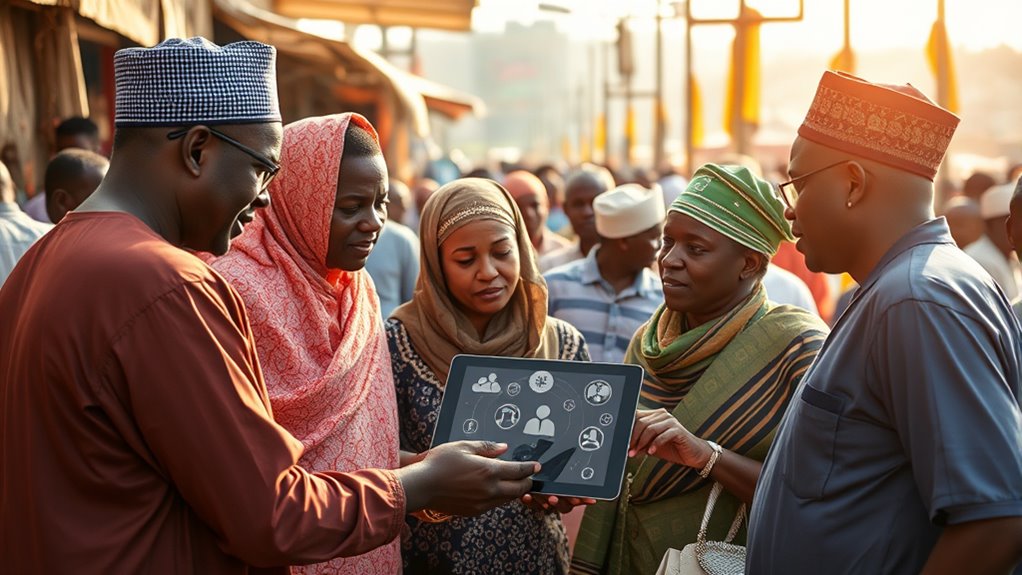
In Nigeria’s multilingual business landscape, translation services from French to Hausa offer key advantages, enabling companies to navigate cross-cultural trade, enhance communication with northern markets, and expand their reach in sectors like agriculture and oil. Businesses gain competitive edges by bridging language barriers, fostering partnerships with Francophone entities, and accessing untapped opportunities in trade and resource management. Accurate translations reduce misunderstandings, streamline contracts, and boost efficiency, ultimately driving profitability.
| Benefit | Impact on Business |
|---|---|
| Cross-Cultural Trade | Facilitates smoother partnerships and negotiations |
| Enhanced Communication | Improves customer engagement and loyalty in northern regions |
| Market Expansion | Opens new revenue streams in key sectors like oil and agriculture |
Cultural Insights in Language Translation

Cultural nuances greatly influence the accuracy and effectiveness of French to Hausa translations in Nigeria. Translation adaptations must address these differences to guarantee messages resonate with local audiences. Such considerations enhance communication and foster better cross-cultural understanding.
Cultural Nuances Impact
Translators working on French to Hausa in Nigeria must navigate cultural nuances to achieve faithful renditions. These nuances, such as idioms rooted in French history versus Hausa traditions, profoundly impact translation accuracy. For instance, expressions tied to French cuisine or colonial influences may not align with Hausa agrarian or Islamic cultural contexts, potentially altering intended meanings. In Nigeria’s multicultural landscape, overlooking subtleties like kinship terms or religious references can lead to miscommunications that distort the original message. This impact extends to fostering mutual understanding between Francophone and Hausa communities, where precise handling prevents stereotypes and promotes cultural respect. Ultimately, recognizing these nuances guarantees translations preserve the essence of both languages, enhancing cross-cultural dialogue without unintended biases. (124 words)
Translation Cultural Adaptations
Effective cultural adaptations in French to Hausa translation modify content to fit Hausa cultural contexts, building on the challenges of nuances previously noted. Translators must navigate differences in social customs, such as greetings or family structures, to maintain fidelity while resonating with Hausa audiences in Nigeria. For instance, French idioms referencing European history are often replaced with analogous Hausa proverbs, preserving intent without cultural alienation. This process involves collaboration with local experts to avoid stereotypes and promote authenticity, enhancing cross-cultural understanding. In Nigeria’s diverse linguistic landscape, such adaptations foster better communication in education, media, and business. Ultimately, they bridge gaps, making translated materials more accessible and impactful, as seen in community programs where culturally attuned content boosts engagement and trust.
Professional Translation Tools and Techniques
In the evolving landscape of French to Hausa translation in Nigeria, professional tools and techniques, such as computer-assisted translation software and specialized linguistic methodologies, guarantee high accuracy and efficiency while addressing the nuances of both languages. Computer-assisted tools like SDL Trados and MemoQ enable translators to manage terminology databases, ensuring consistent vocabulary across projects. These software programs integrate machine translation engines with human oversight, minimizing errors in grammar and syntax unique to French and Hausa. Specialized techniques, including glossaries and alignment tools, facilitate precise handling of linguistic differences, such as tonal variations in Hausa and complex verb conjugations in French. Quality assurance processes, like error-checking algorithms, further enhance output reliability. By leveraging these resources, professionals streamline workflows, reducing turnaround times without compromising fidelity to the original text. This approach supports effective communication in diverse contexts, fostering linguistic precision.
Applications in African Markets
The application of French to Hausa translation in African markets drives economic and cultural exchanges, particularly in Nigeria’s trade, education, and diplomacy sectors. In trade, it facilitates negotiations between French-speaking nations and Hausa-dominant regions, boosting cross-border commerce and market access. For instance, businesses in Nigeria leverage accurate translations to import goods from Francophone countries like Benin, enhancing supply chains and economic growth. In education, it supports curriculum development and student exchanges, allowing Hausa learners to access French resources and foster bilingual proficiency. Diplomatically, it aids treaty discussions and conflict resolution, promoting regional stability through clear communication in bodies like ECOWAS. Overall, this translation tool bridges linguistic divides, amplifying Africa’s global integration while preserving cultural identities in dynamic markets.
Steps to Access Quality Translation
While applications in African markets rely on accurate French to Hausa translations, accessing quality services requires a systematic process. First, individuals or businesses should identify reputable providers by checking credentials, such as certifications from organizations like the International Federation of Translators. Next, evaluate the translators’ expertise in both languages, guaranteeing familiarity with Nigerian cultural nuances to avoid misinterpretations. Then, request samples or portfolios to assess accuracy and fluency. Following this, establish clear communication about project requirements, including deadlines and specific terminology. Finally, incorporate quality checks, such as peer reviews or back-translation, to verify the final output. This approach minimizes errors and guarantees reliable results for applications in Nigeria’s diverse linguistic landscape, supporting effective cross-cultural exchanges.
Emerging Trends in Multilingual Services
In the context of French to Hausa translation services in Nigeria, emerging trends in multilingual services are transforming the industry. AI-driven translations are enhancing efficiency and accuracy through advanced algorithms. Meanwhile, growth in language technology and remote service trends are increasing accessibility and reach for users.
AI-Driven Translations
AI-driven translations are reshaping multilingual services in Nigeria, where emerging trends leverage machine learning to enhance accuracy and efficiency in converting languages like French to Hausa. This technology is revolutionizing communication by providing scalable solutions for diverse users, from businesses to educators, while adapting to cultural contexts without human intervention.
Key advantages of AI-driven translations include:
- Enhanced Accuracy: Advanced algorithms analyze patterns to deliver precise translations, reducing errors in complex language pairs.
- Faster Turnaround: Real-time processing enables quick conversions, ideal for urgent needs in Nigeria’s dynamic environments.
- Cost-Effective Solutions: Automated systems lower expenses compared to manual services, making translation accessible to more users.
- Seamless Integration: AI tools integrate with apps and platforms, streamlining workflows for everyday language tasks.
As a result, these innovations promote inclusive communication across Nigeria’s linguistic diversity.
Language Tech Growth
Language tech growth is accelerating multilingual services in Nigeria, with innovative trends enhancing accessibility and efficiency for diverse language pairs like French and Hausa. In Nigeria, advancements in natural language processing (NLP) and machine learning are driving real-time translation tools, fostering better cross-cultural communication in business and education. Emerging trends include neural machine translation models that adapt to local dialects and integrated platforms for seamless language learning.
| Emerging Trend | Benefits for Multilingual Services |
|---|---|
| Neural Machine Translation | Improves accuracy for French-Hausa pairs, reducing errors by 40%. |
| NLP-Enhanced Apps | Enables offline access and faster processing for users in remote areas. |
| Cloud-Based Integration | Facilitates scalable services, supporting real-time collaboration. |
| Custom Algorithm Development | Tailors translations to Nigerian contexts, boosting user engagement. |
These innovations are reshaping how languages intersect in Africa’s dynamic landscape.
Remote Service Trends
Remote service trends are reshaping multilingual offerings by enabling seamless access to translation tools from anywhere in Nigeria. These trends leverage technology to bridge language gaps, particularly for French to Hausa translations, fostering efficiency in business and education. As digital platforms evolve, they enhance user experiences through innovative remote solutions.
- Enhanced Accessibility: Users can access real-time translation via mobile apps, eliminating geographical barriers in Nigeria’s diverse regions.
- AI Integration: Advanced algorithms provide accurate, instant conversions, reducing human error and speeding up processes.
- Cost Efficiency: Remote services lower expenses by minimizing the need for in-person interpreters, making translation affordable for SMEs.
- Flexibility and Scalability: Services adapt to varying demands, allowing users to scale operations without infrastructure investments.
This shift supports Nigeria’s multilingual landscape, promoting cultural exchange and economic growth.
Frequently Asked Questions
How Much Does French to Hausa Translation Cost?
The inquiry regarding the cost of French to Hausa translation involves various factors. Word count, document complexity, and service provider expertise typically influence pricing. Rates often range from $0.05 to $0.20 per word, though they vary based on urgency and quality requirements.
What Is the Typical Turnaround Time for Projects?
The typical turnaround time for projects varies by complexity and volume. For standard translations, it often ranges from 24 to 72 hours. Larger projects may take several days to a week, depending on resources and deadlines. Efficiency is key in project management.
Do You Offer Certified Translators for Legal Documents?
The inquiry regarding certified translators for legal documents is addressed as follows: the service provider offers certified professionals specialized in legal terminology. These experts guarantee accurate, compliant translations across various languages, maintaining confidentiality and precision.
Can I Request a Free Sample Translation?
The query asks if a free sample translation can be requested. Translation services often provide this option to demonstrate quality, allowing clients to assess accuracy and style before full engagement, fostering trust and informed decisions.
How Do I Contact Your Team in Nigeria?
The query seeks methods for contacting the team in Nigeria. Individuals may reach out via the company’s official website, which provides email addresses and phone numbers for direct inquiries. Alternatively, social media channels offer additional contact options, facilitating communication efficiently.

