 directlineauthors
Technical documentation demands absolute accuracy, and when Japanese translation enters the equation, precision becomes even more critical. Japan leads global innovation in manufacturing, electronics, automotive engineering, and robotics, making Japanese technical content translation a cornerstone of international business operations. Companies worldwide depend on accurate Japanese translation to understand complex technical specifications, safety protocols, and operational guidelines that keep industries running smoothly.
The stakes in technical Japanese translation couldn’t be higher. A single mistranslated instruction in equipment manuals can lead to costly downtime, safety hazards, or regulatory compliance failures. Manufacturing facilities, research laboratories, and engineering teams rely on flawless Japanese translation to maintain operational excellence and ensure worker safety across international operations.
Japanese translation for technical content presents unique challenges that general translation services often cannot handle effectively. The Japanese language contains multiple writing systems, complex honorific structures, and highly specialized technical vocabulary that requires deep expertise to translate accurately. Professional technical translators spend years developing the specialized knowledge needed to handle these demanding projects with the precision they require.
Understanding these translation complexities and knowing how to identify quality technical Japanese translation services can mean the difference between successful international operations and costly mistakes that impact your bottom line, safety record, and professional reputation.
Understanding Technical Complexity in Japanese Translation Projects
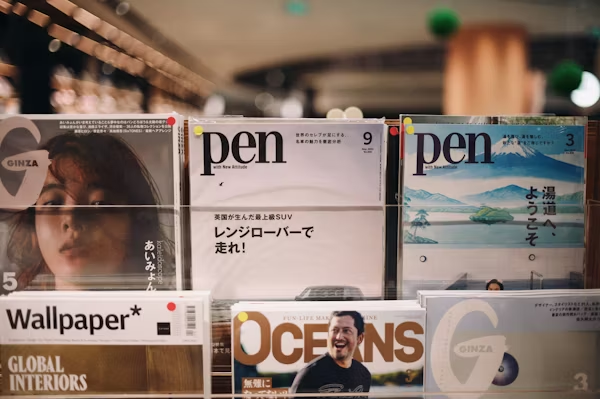
Japanese translation for technical content begins with recognizing the intricate nature of Japanese technical writing. Unlike many languages, Japanese employs three distinct writing systems simultaneously: hiragana for grammatical elements, katakana for foreign technical terms, and kanji for complex concepts and specialized terminology. Technical documents often blend all three systems within single sentences, creating translation challenges that require extensive linguistic expertise.
Technical Japanese writing follows strict conventions that differ significantly from conversational Japanese. Technical authors use specific grammatical structures, formal language patterns, and standardized terminology that translators must recognize and interpret correctly. These conventions exist across all technical fields but manifest differently in electronics, automotive, pharmaceutical, and manufacturing documentation.
The precision required in technical Japanese translation extends beyond simple vocabulary accuracy. Technical documents must maintain exact measurements, specifications, and procedural sequences that could affect product performance or safety outcomes. Professional translators working with technical content maintain extensive databases of approved terminology and measurement conversions to ensure consistency across projects.
Context plays a crucial role in technical Japanese translation accuracy. Japanese technical writing often assumes readers possess specific background knowledge about products, processes, or industry standards. Translators must research unfamiliar technical concepts and collaborate with subject matter experts to ensure their translations provide appropriate context for target audiences who may lack this assumed knowledge.
Industry Standards and Compliance in Japanese Translation Services
Professional Japanese translation for technical content must adhere to rigorous industry standards that ensure accuracy, consistency, and regulatory compliance. These standards protect both translation providers and their clients from costly errors while establishing clear expectations for project outcomes and quality measures.
ISO 17100 certification represents the international standard for translation services, requiring certified companies to implement specific quality management systems, translator qualification requirements, and project management procedures. Technical Japanese translation providers should demonstrate compliance with these standards through documented processes and regular audits that verify their adherence to established quality protocols.
Industry-specific compliance requirements add another layer of complexity to technical Japanese translation projects. Medical device documentation must meet FDA and international regulatory standards, while automotive translations must comply with safety regulations across multiple markets. Professional translation services maintain current knowledge of these requirements and structure their processes to ensure compliance throughout the translation workflow.
Quality assurance protocols for technical Japanese translation typically involve multiple review stages performed by different qualified professionals. Initial translation, technical review, linguistic review, and final proofreading each serve specific purposes in ensuring accuracy and completeness. These protocols help identify potential errors before translated documents reach end users who depend on their accuracy for safe and effective operations.
Specialized Terminology Management in Japanese Translation Workflows
Technical Japanese translation requires sophisticated terminology management to ensure consistency across complex projects and maintain accuracy over time. Japanese technical vocabulary includes thousands of specialized terms that must be translated consistently to prevent confusion and maintain professional credibility.
Terminology databases form the foundation of professional technical Japanese translation services. These databases contain approved translations for industry-specific terms, product names, regulatory terminology, and technical processes. Translators reference these databases throughout projects to ensure consistent usage and update them regularly as new terminology emerges in rapidly changing technical fields.
Collaborative terminology development involves subject matter experts, translators, and clients working together to establish approved translations for specialized terms. This collaborative approach ensures translations accurately reflect technical concepts while remaining accessible to target audiences. Professional translation services facilitate these collaborations and document decisions for future reference.
Quality control measures for terminology management include regular database audits, consistency checks across translated materials, and feedback integration from technical reviewers. These measures help identify terminology gaps, inconsistencies, or outdated translations that could affect project quality. Maintaining current and accurate terminology databases requires ongoing investment but proves essential for delivering reliable technical Japanese translation services.
Technology Integration in Modern Japanese Translation Operations
Advanced technology tools transform technical Japanese translation workflows while maintaining the human expertise necessary for accurate and culturally appropriate results. Computer-assisted translation (CAT) tools, translation memories, and specialized software help professional translators work more efficiently while maintaining consistency across large technical projects.
Translation memory technology stores previously translated segments and suggests matches for similar content in new projects. For technical Japanese translation, this technology proves particularly valuable given the repetitive nature of technical documentation and the importance of maintaining consistent terminology across related materials. Translation memories help reduce costs and turnaround times while improving consistency.
Quality assurance software helps identify potential errors in technical Japanese translation projects before they reach clients. These tools can detect inconsistent terminology, missing translations, formatting problems, and other issues that human reviewers might miss during manual review processes. However, human expertise remains essential for evaluating technical accuracy and cultural appropriateness.
Machine translation continues improving for Japanese language pairs, but technical content still requires human expertise for reliable results. Professional translators may use machine translation as a starting point for routine content, then apply human knowledge to ensure technical accuracy and appropriate cultural adaptation. This hybrid approach can improve efficiency while maintaining the quality standards that technical content requires.
Quality Assurance Protocols for Technical Japanese Translation Projects
Comprehensive quality assurance protocols distinguish professional technical Japanese translation services from general translation providers. These protocols ensure translated technical content meets industry standards and performs its intended function for end users who depend on accurate information.
Multi-stage review processes form the backbone of technical Japanese translation quality assurance. Initial translation by qualified technical translators provides the foundation, followed by technical review by subject matter experts who verify accuracy of technical concepts and terminology. Linguistic review ensures proper Japanese usage and cultural appropriateness, while final proofreading catches formatting and consistency issues.
Validation testing represents an advanced quality assurance technique where translated instructions are tested by target users to ensure comprehensibility and usability. This testing reveals potential problems that traditional review processes might miss, such as unclear procedural sequences or culturally inappropriate explanations that could confuse international users.
Documentation standards for technical Japanese translation projects include detailed records of terminology decisions, reviewer comments, and client feedback that inform future projects. This documentation helps maintain consistency across ongoing relationships and provides valuable reference materials for similar future projects. Professional services invest in comprehensive documentation systems that support long-term client relationships.
Cultural Adaptation in Technical Japanese Translation Content
Cultural considerations significantly impact technical Japanese translation effectiveness, even in highly technical content that might seem culturally neutral. Japanese business culture, communication styles, and expectations influence how technical information is presented and received, requiring translators to adapt content appropriately for international audiences.
Communication hierarchy embedded in Japanese technical writing must be carefully handled when translating for international audiences. Japanese technical documents often reflect organizational relationships and formal communication protocols that may not translate directly to other business cultures. Professional translators adapt these elements while preserving essential technical information and maintaining appropriate professional tone.
Safety culture differences between Japan and other markets affect how technical Japanese translation presents warnings, cautions, and procedural requirements. Japanese technical writing may assume certain safety attitudes or procedural knowledge that international users lack. Translators must recognize these assumptions and adapt content to ensure safety information remains effective for target audiences.
Visual and formatting conventions in Japanese technical documentation require adaptation for international use. Japanese documents may use different color coding, symbol systems, or layout approaches that could confuse international users. Professional technical Japanese translation services coordinate with graphic designers and formatting specialists to ensure translated materials maintain visual effectiveness while adapting to target market expectations.
Cost Considerations and Value Assessment for Japanese Translation Services
Understanding cost structures for technical Japanese translation helps organizations budget appropriately while selecting services that deliver required quality levels. Multiple factors influence pricing, and clients should evaluate total value rather than focusing solely on per-word rates or project minimums.
Complexity factors significantly affect technical Japanese translation costs. Basic product descriptions require less expertise and time than detailed engineering specifications, regulatory submissions, or safety-critical procedures. Specialized terminology, complex formatting requirements, and tight deadlines increase resource requirements and naturally affect project pricing structures.
Volume considerations apply differently to technical Japanese translation than to general content translation. While large projects may qualify for volume discounts, technical content often requires more individualized attention that limits economies of scale. However, ongoing relationships with consistent terminology and style requirements can generate efficiencies that benefit both clients and translation providers.
Value assessment for technical Japanese translation should consider total cost of ownership including potential costs of errors, revision requirements, and ongoing support needs. High-quality translation services may cost more initially but reduce long-term costs through improved accuracy, reduced revision cycles, and better support for regulatory compliance or certification requirements.
Selecting Qualified Providers for Technical Japanese Translation Requirements
Choosing appropriate technical Japanese translation services requires evaluating capabilities beyond general translation expertise. Technical content demands specialized knowledge, industry experience, and proven track records in handling complex technical materials with absolute accuracy.
Translator qualifications for technical Japanese translation should include relevant technical education, industry experience, and demonstrated expertise in specific technical domains. Look for translators with engineering backgrounds, technical certifications, or extensive experience working with similar technical content. General language skills alone are insufficient for technical translation accuracy.
Service provider infrastructure should support complex technical projects with appropriate project management, quality assurance procedures, and technology tools. Professional technical Japanese translation services maintain specialized software, terminology databases, and review processes designed specifically for technical content requirements.
Client references and portfolio examples provide valuable insights into potential service providers’ capabilities and track record. Request examples of similar technical projects and contact previous clients to understand their experiences with accuracy, timeliness, and ongoing support. Technical translation mistakes can be costly, making due diligence essential when selecting service providers.
Managing Long-term Technical Japanese Translation Partnerships
Successful technical Japanese translation often requires ongoing relationships that develop over time as translators become familiar with specific products, processes, and organizational requirements. Building these partnerships strategically can improve translation quality while reducing costs and turnaround times.
Terminology development and maintenance benefit from long-term relationships where translators build comprehensive understanding of client-specific technical vocabulary and preferred translations. Professional services maintain client-specific glossaries and style guides that ensure consistency across multiple projects and time periods.
Process optimization becomes possible as translation teams learn client preferences, review cycles, and approval processes. Long-term partnerships allow development of streamlined workflows that reduce administrative overhead while maintaining quality standards. This optimization benefits both parties through improved efficiency and predictable project outcomes.
Continuous improvement processes help long-term technical Japanese translation partnerships evolve and adapt to changing requirements. Regular feedback sessions, quality assessments, and process reviews identify opportunities for enhancement while addressing any emerging challenges. Professional translation services invest in these improvement processes as part of building valuable long-term client relationships.
Future Developments in Technical Japanese Translation Technology and Methods
The technical translation industry continues advancing as technology capabilities expand and global technical communication becomes more complex. Understanding these trends helps organizations prepare for future translation needs while taking advantage of emerging opportunities that could improve efficiency and quality.
Artificial intelligence applications in technical Japanese translation focus on terminology management, consistency checking, and initial draft preparation rather than complete translation replacement. AI tools help human translators work more efficiently while maintaining the expertise necessary for technical accuracy and cultural appropriateness.
Specialization trends continue as technical fields become more complex and demanding. Technical Japanese translation providers increasingly focus on specific industries, document types, or technical domains rather than attempting to serve all markets equally. This specialization benefits clients through deeper expertise and better understanding of industry-specific requirements.
Integration with technical documentation systems represents an emerging trend where translation services connect directly with content management systems, product databases, and documentation workflows. This integration can improve efficiency and consistency while reducing the administrative burden of managing complex technical translation projects.
Professional technical Japanese translation services like Directline Translators combine specialized expertise with advanced technology tools to handle the most demanding technical content translation requirements. Whether you need one-time project support or ongoing technical translation services, understanding these complexities helps you make informed decisions that protect your operations and support your international business objectives.
FAQs On Japanese Translation: Precision for Technical Content:
1. What makes technical Japanese translation different from general translation services? Technical Japanese translation requires specialized knowledge of industry terminology, technical concepts, and safety-critical accuracy standards that general translation services typically cannot provide. Technical translators need relevant technical education and industry experience beyond language skills.
2. How long do technical Japanese translation projects typically take? Timelines depend on content complexity, length, and subject matter. Simple technical descriptions might be completed within days, while comprehensive technical manuals or regulatory submissions often require weeks or months. Professional services provide specific timelines based on your project requirements.
3. What qualifications should technical Japanese translators have? Look for translators with relevant technical education, industry certifications, and proven experience in your specific technical domain. Many technical translators hold engineering degrees or extensive experience working in technical industries before specializing in translation.
4. How do you ensure consistency across large technical translation projects? Professional services use terminology databases, style guides, and translation memory tools to maintain consistency. Multiple translators working on large projects reference the same approved terminology and follow established style guidelines throughout the project.
5. Can machine translation handle technical Japanese content accurately? Current machine translation technology cannot reliably handle complex technical Japanese content requiring precision and safety-critical accuracy. Machine translation may assist human translators with routine content, but human expertise remains essential for technical accuracy.
6. What industry standards apply to technical Japanese translation? ISO 17100 provides international standards for translation services, while industry-specific regulations may apply depending on your field. Medical, automotive, and manufacturing industries each have specific compliance requirements that professional translation services must understand.
7. How much does technical Japanese translation cost? Costs vary based on content complexity, subject matter expertise required, turnaround time, and service provider qualifications. Technical content typically costs more than general translation due to specialized expertise requirements and quality assurance protocols.
8. What information should I provide for technical Japanese translation projects? Provide technical specifications, target audience information, intended use of translated materials, relevant standards or regulations, and any existing terminology preferences. The more technical context you provide, the more accurate your translation will be.
9. How do you handle confidential technical information in translation projects? Professional technical translation services provide comprehensive confidentiality agreements and secure file handling procedures. Look for providers with established security protocols and experience handling sensitive technical materials in your industry.
10. What should I do if technical Japanese translation contains errors? Professional services should provide revision policies and work promptly to correct any errors identified. Provide specific feedback about technical inaccuracies, and expect responsive customer service to resolve issues while preventing similar problems in future projects.