 directlineauthors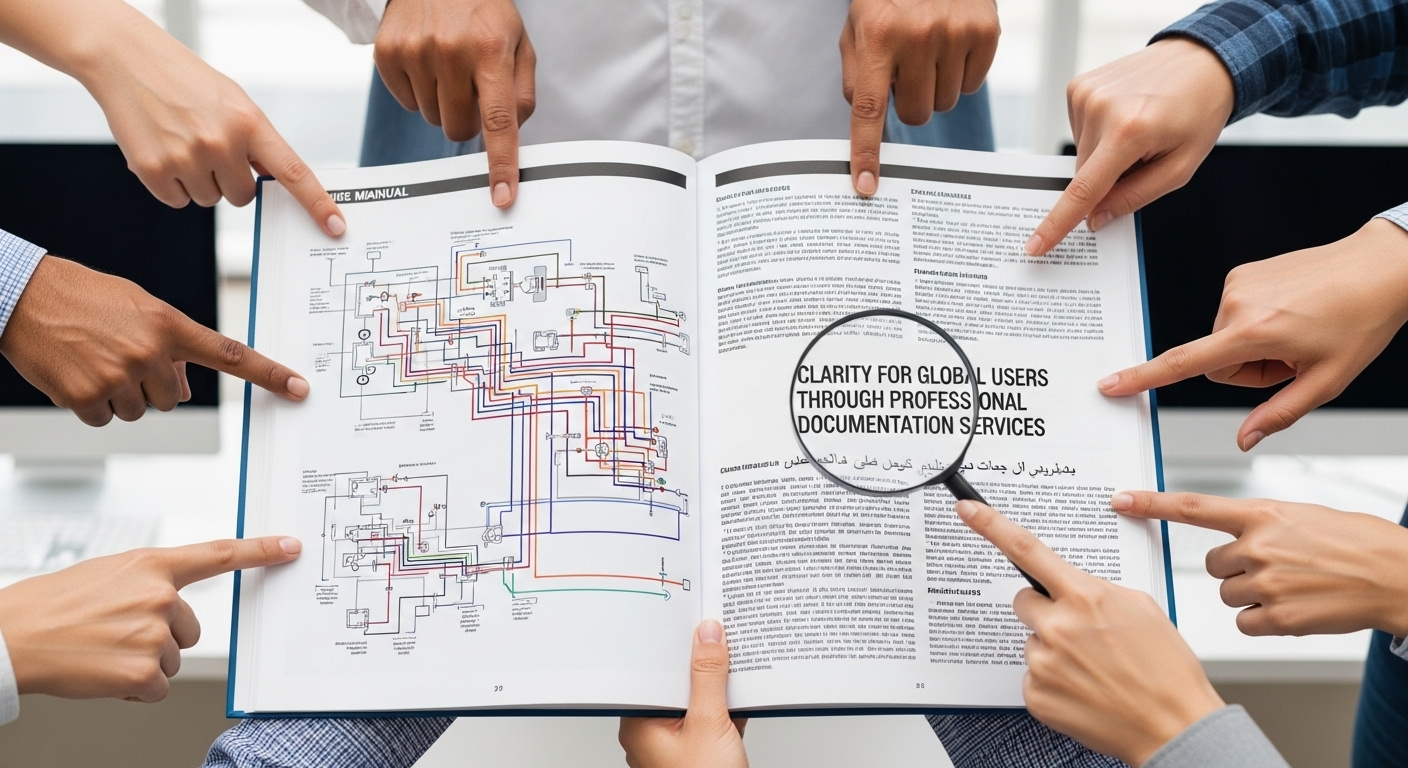
In today’s interconnected industrial landscape, technical manuals serve as the critical bridge between complex technology and the users who depend on it. From manufacturing equipment in automotive plants to medical devices in hospitals, from software applications used by millions to safety protocols that protect workers worldwide, technical documentation must communicate precisely across language barriers to ensure safe, effective operation of sophisticated systems.
Technical manual translation represents far more than simple language conversion. These documents contain detailed instructions, safety warnings, troubleshooting procedures, and maintenance protocols that directly impact user safety, equipment performance, and operational efficiency.
When technical manuals fail to communicate clearly due to poor translation, the consequences can include equipment damage, workplace accidents, regulatory violations, and significant financial losses for organizations worldwide.
Technical manual translation for global users requires expertise that combines linguistic mastery with deep understanding of technical concepts, industry standards, and regulatory requirements across different markets. Engineers, technicians, and operators rely on these translated documents to understand complex procedures, follow safety protocols, and maintain expensive equipment.
A single mistranslated step in an installation manual or an unclear safety warning could result in equipment failure, injury, or worse.
Professional translation services like Directline Translators recognize that technical translation work demands specialized expertise that goes beyond general language skills. The process involves understanding complex technical terminology in both source and target languages, maintaining the precise structure and clarity that technical communication requires, and ensuring that translated manuals meet the specific regulatory and industry standards expected by global users.
Technical manual translation impacts every sector of modern industry, from aerospace and automotive manufacturing to pharmaceutical production and renewable energy systems.
As we examine this specialized field, you’ll discover how professional technical translation services ensure that complex technical information remains accessible and actionable for users worldwide, regardless of their native language, and why choosing qualified technical translators makes the difference between clear communication and dangerous misunderstanding.
Why Technical Manual Translation Requires Specialized Industry Expertise
Technical industries have developed highly specialized vocabularies where precise terminology carries specific meaning that cannot be approximated or generalized. Technical manual translation requires translators who understand not just language but also the underlying technical concepts, industry standards, and operational procedures that give technical language its meaning.
General translators often lack the specialized knowledge needed to accurately convey complex technical information between languages.
User safety depends on accurate technical manual translation because operators rely on these documents to understand proper procedures, safety requirements, and emergency protocols. When factory workers follow translated safety procedures, or when technicians use translated maintenance instructions, translation accuracy directly impacts their physical safety and the safety of others around them.
Mistranslated safety warnings, incorrect procedural steps, or unclear emergency instructions can lead to serious accidents.
Regulatory compliance adds critical importance to technical manual translation because many industries maintain strict documentation requirements for equipment operation, maintenance, and safety procedures. FDA regulations for medical devices, OSHA requirements for workplace safety, and international standards like ISO certifications all impose specific obligations on technical documentation that translated manuals must meet.
Technical manual translation for global users also requires understanding the cultural and regulatory differences between markets where equipment will be used. Different countries may have varying safety standards, different measurement systems, or different regulatory approval processes that must be accurately reflected in translated technical documentation.
Essential Types of Technical Manuals Requiring Translation for Global Users
Installation and setup manuals form a critical category of technical manual translation because they guide users through complex procedures that must be followed precisely to ensure proper equipment function. Assembly instructions, wiring diagrams, configuration procedures, and initial testing protocols require exact translation to prevent costly mistakes during equipment deployment. Incorrect installation procedures can void warranties, create safety hazards, or result in equipment damage.
Operation manuals provide day-to-day guidance that users rely on for safe, effective equipment use. Control panel descriptions, operational procedures, performance specifications, and routine operational checks must be translated clearly to ensure that operators can use equipment safely and efficiently. These manuals often contain critical safety information that protects both users and equipment.
Maintenance and service manuals contain detailed technical information that technicians use to keep equipment functioning properly and safely. Preventive maintenance schedules, troubleshooting procedures, replacement part specifications, and repair instructions require precise technical manual translation to ensure that maintenance work maintains equipment safety and performance standards.
Safety and emergency procedures require particularly careful attention in technical manual translation because they contain information that protects lives and prevents accidents. Emergency shutdown procedures, hazard warnings, personal protective equipment requirements, and accident response protocols must be translated with absolute clarity to ensure user safety in critical situations.
Software documentation and user interfaces require specialized technical manual translation that addresses both technical functionality and user experience considerations. Menu translations, error message explanations, configuration instructions, and help documentation must maintain technical accuracy while remaining intuitive for users who work in different languages and cultural contexts.
How Professional Technical Manual Translation Ensures Global User Clarity
Professional technical manual translation begins with comprehensive analysis of each document’s technical complexity, industry requirements, and target user needs. Qualified technical translators evaluate the specialized terminology, regulatory requirements, and user skill levels that will influence translation approaches. This initial assessment ensures that translated technical manuals meet the specific needs of global users.
Quality assurance procedures in technical manual translation involve multiple review stages where different technical translation specialists examine documents for accuracy, clarity, and technical appropriateness. Technical terminology databases, industry standard references, and specialized software help maintain consistency across large technical documentation sets while human expertise ensures that complex technical concepts receive appropriate treatment.
User testing and feedback integration help ensure that translated technical manuals actually work for their intended users. Professional services coordinate with international users, local distributors, and technical support teams to verify that translations communicate effectively with real users in real operational environments. This user-centered approach helps identify translation issues that might not be apparent in purely technical reviews.
Regulatory compliance verification ensures that translated technical manuals meet the specific standards and requirements applicable in target markets. Professional technical translators understand international regulatory frameworks and work with compliance specialists to verify that translated documentation meets applicable safety standards, regulatory requirements, and industry certifications.
Ongoing support and updates address the continuous evolution of technical documentation as products are updated, regulations change, and user feedback identifies improvement opportunities. Professional technical manual translation services maintain long-term relationships with clients to ensure that translated documentation stays current and continues to serve global users effectively.
Accuracy Standards for Technical Manual Translation in Industrial Applications
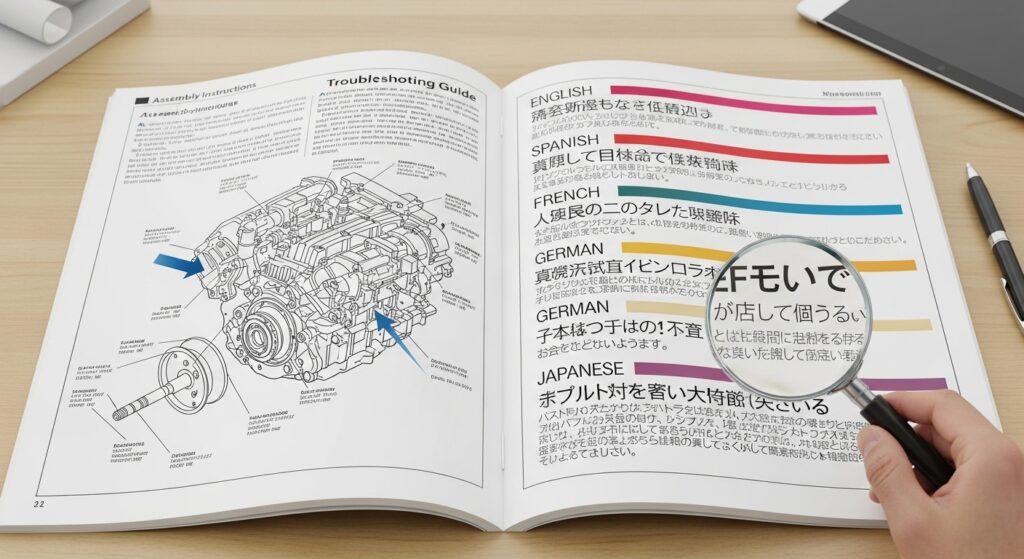
Technical accuracy represents the highest priority in technical manual translation because user safety and equipment performance depend on precise communication of complex technical information. Professional technical translators must understand not just technical terminology but also the operational context that gives technical instructions their practical meaning within different industrial applications.
Consistency management becomes particularly important when translating large sets of technical documentation where the same procedures, components, or safety requirements appear across multiple manuals. Professional technical manual translation services maintain specialized technical glossaries and component databases to ensure that specific terms receive consistent treatment throughout comprehensive technical documentation systems.
Regulatory compliance standards vary between industries and markets but consistently demand that translated technical manuals maintain their technical validity while meeting local documentation requirements. Professional technical translators understand these regulatory frameworks and ensure that translated documentation complies with applicable safety standards, industry certifications, and legal obligations.
Cultural adaptation addresses situations where technical practices, safety standards, or regulatory requirements differ between markets where equipment will be used. Technical manual translation must accurately represent original technical information while providing context that helps users understand requirements within their own regulatory and operational framework.
Quality verification measures typically involve multiple qualified technical translators examining each translation for accuracy, completeness, and practical usability. Back-translation procedures, where different translators convert translations back to original languages, help identify potential accuracy issues in complex technical content. These quality assurance processes help ensure that technical manual translation meets the exacting standards required for industrial applications.
Technology and Innovation in Technical Manual Translation for Global Distribution
Computer-aided translation (CAT) tools support consistency and efficiency in technical manual translation by maintaining translation memories that store previously translated technical content. These tools particularly benefit large technical documentation projects where similar procedures, warnings, or component descriptions appear repeatedly across multiple manuals. However, technical translation requires careful human oversight because technical contexts can change the meaning of seemingly identical passages.
Technical terminology management systems help translators maintain accurate, consistent use of specialized technical language throughout complex documentation projects. These databases store approved translations for specific technical concepts, component names, and procedural terminology while tracking regional variations that may be appropriate for different markets.
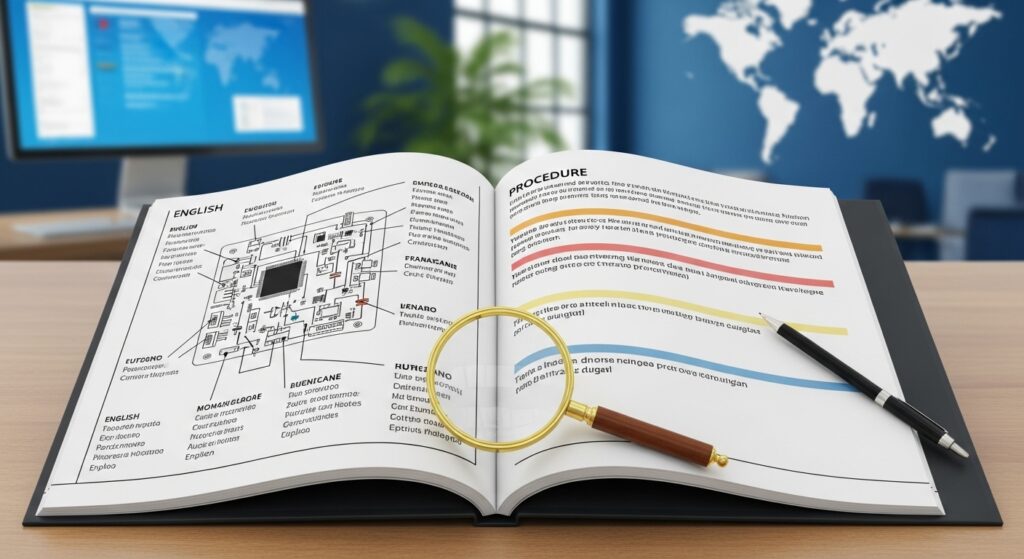
Visual content integration addresses the challenge of translating technical manuals that combine text with diagrams, photographs, and illustrations. Professional technical manual translation services coordinate text translation with graphic design updates to ensure that visual elements support translated content and maintain clarity for global users.
Digital publication platforms enable efficient distribution of translated technical manuals while maintaining version control and update capabilities. These systems help manufacturers distribute current technical documentation to global users while tracking which versions are in use and ensuring that critical updates reach users quickly.
Augmented reality applications represent emerging opportunities for technical manual translation where translated instructions can be overlaid on real equipment to guide users through complex procedures. These innovative approaches require new translation methodologies that consider spatial relationships and interactive user experiences alongside traditional technical communication.
Regulatory Compliance in Technical Manual Translation Across Global Markets
International safety standards impose specific requirements on technical manual translation to ensure that translated documentation meets the safety and operational standards expected in different markets. ISO standards, CE marking requirements, and similar international certifications often include specific documentation requirements that translated manuals must satisfy.
Industry-specific regulations add complexity to technical manual translation because different sectors maintain their own documentation standards and compliance requirements. Medical device regulations, automotive safety standards, and aerospace certification requirements each impose specific obligations on technical documentation that professional translators must understand and address.
Quality management documentation requirements mandate that technical translation services maintain detailed records of their quality control processes, reviewer qualifications, and accuracy verification procedures. Manufacturing quality systems and regulatory authorities may audit these quality assurance records to verify that technical manual translation meets established standards.
Liability considerations address the legal responsibilities that technical translators and translation services bear for the accuracy and safety of their technical manual translation work. Professional services carry specialized technical translation insurance and maintain quality assurance procedures that help protect both manufacturers and end users from risks associated with translation errors.
Updates and change management procedures ensure that technical manual translation stays current as products evolve, regulations change, and user feedback identifies improvement opportunities. Professional services maintain systems for tracking documentation versions, coordinating updates across multiple languages, and ensuring that critical changes reach global users promptly.
Specialized Technical Manual Translation for Complex Industrial Equipment
Manufacturing equipment documentation requires technical manual translation that addresses complex mechanical, electrical, and control systems used in industrial production. Assembly line equipment, robotics systems, and quality control devices each present unique translation challenges that require specialized technical knowledge combined with understanding of manufacturing processes and safety requirements.
Medical device manuals demand the highest levels of accuracy in technical manual translation because user safety and regulatory compliance directly impact patient care and public health. Diagnostic equipment, surgical devices, and therapeutic systems require translations that maintain clinical accuracy while meeting FDA, CE marking, and other medical device regulatory requirements.
Aerospace and defense documentation presents unique challenges in technical manual translation due to strict security requirements, specialized terminology, and exacting safety standards. Aircraft maintenance manuals, avionics systems, and ground support equipment require translators with security clearances and deep understanding of aerospace technical concepts.
Energy sector equipment, including renewable energy systems, oil and gas equipment, and power generation facilities, requires technical manual translation that addresses complex engineering concepts while meeting environmental and safety regulations that vary significantly between countries and regions.
Information technology systems require technical manual translation that addresses both hardware and software components while considering user experience factors that vary between cultures. Network equipment, enterprise software, and cybersecurity systems each present unique challenges for maintaining technical accuracy while ensuring usability for global users.
Emergency and Safety Procedures in Technical Manual Translation

Critical safety information requires absolute precision in technical manual translation because lives depend on users understanding and following safety procedures correctly. Hazard warnings, emergency shutdown procedures, and accident response protocols must be translated with complete clarity to ensure that users can respond appropriately in dangerous situations.
Emergency response procedures often require rapid translation when equipment is deployed in international markets where local emergency services may not have access to original documentation. Professional technical manual translation services maintain rapid response capabilities for translating critical safety information when user safety depends on immediate access to clear, accurate procedures.
Personal protective equipment (PPE) requirements must be translated accurately while considering that different countries may have different safety equipment standards or availability. Technical manual translation must address these differences while ensuring that users understand the safety protection they need for specific operations.
Regulatory reporting procedures require careful technical manual translation because accidents or safety incidents may require documentation that meets specific regulatory requirements in different countries. Professional translators understand these varying requirements and ensure that translated procedures support compliance with applicable safety reporting obligations.
Training and certification requirements often accompany complex technical equipment, and technical manual translation must address the educational needs of users who may have different technical backgrounds, educational systems, and professional certification requirements in different countries.
Quality Assurance and User Testing in Technical Manual Translation
Multi-stage review processes ensure accuracy in technical manual translation by having different qualified technical translators examine each project at various stages of completion. Initial translation, technical review, editing, and final quality checks each serve specific purposes in maintaining translation quality while ensuring that technical content remains accessible to global users.
User feedback integration involves testing translated technical manuals with actual users in target markets to identify translation issues that might not be apparent in technical reviews. This user-centered approach helps ensure that technical manual translation actually works for its intended audience rather than simply achieving technical accuracy.
Field testing procedures involve deploying translated technical manuals in real operational environments to verify that translations support effective equipment operation and user safety. This practical testing often reveals translation issues that only become apparent when users work with equipment under actual operating conditions.
Continuous improvement processes help technical manual translation services learn from user feedback, field experience, and evolving industry requirements. Professional services maintain systems for tracking translation effectiveness and incorporating lessons learned into future translation projects.
Version control and update management ensure that technical manual translation stays current as equipment evolves and user feedback identifies improvement opportunities. Professional services maintain systems for coordinating updates across multiple languages while ensuring that critical changes reach global users promptly and accurately.
Choosing Professional Services for Technical Manual Translation
Technical translator qualifications should be the primary consideration when selecting services for technical manual translation. Look for translators with specific technical translation experience, relevant engineering or technical education, and professional certifications in technical translation. Experience with your specific industry—manufacturing, medical devices, aerospace, or energy—provides additional value for accurate translation of specialized technical content.
Industry expertise verification becomes important because different technical sectors require specialized knowledge that general technical translators may not possess. Ensure that your chosen service has demonstrated experience with your specific type of equipment, regulatory requirements, and user needs. Services like Directline Translators maintain specialized technical translation capabilities across multiple industrial sectors.
Quality assurance capabilities deserve careful evaluation because user safety and equipment performance depend on accurate technical manual translation. Professional technical translation services maintain multi-stage review processes, technical terminology databases, and user testing capabilities that help ensure translation accuracy for complex technical content.
Project management experience becomes valuable for large technical documentation projects involving multiple manuals, tight deadlines, and coordination between engineering teams in different countries. Professional services maintain project management capabilities that help ensure translated documentation meets production schedules and market launch requirements.
Long-term partnership potential should be considered because technical documentation requires ongoing updates, revisions, and support as products evolve and markets change. Establishing relationships with experienced technical translation providers helps ensure consistency and continuity in technical communication across product lifecycles.
Technical manual translation serves as the foundation for safe, effective use of complex technology in global markets. Professional technical translation services like Directline Translators understand that technical translation work requires specialized expertise in both technical concepts and international markets, combined with unwavering commitment to user safety and operational effectiveness. The investment in professional technical manual translation ensures that language barriers never compromise equipment performance, user safety, or operational success. Whether supporting manufacturing operations, medical device deployment, or complex industrial systems, expert technical translation maintains the communication clarity that global technology deployment requires across all markets and user populations.
Frequently Asked Questions About Technical Manual Translation
1. What makes technical manual translation different from general translation services? Technical manual translation requires specialized knowledge of technical concepts, industry terminology, and safety requirements that general translators don’t possess. Technical translators must understand engineering principles, equipment operation, and regulatory standards while maintaining absolute accuracy that user safety depends upon.
2. How long does professional technical manual translation typically take? Timeline depends on document complexity, technical specialty, and target market requirements. Simple equipment manuals might take 1-2 weeks, while comprehensive technical documentation systems could require several months. Rush services are available when market launch deadlines require accelerated translation schedules.
3. Can automated translation tools handle technical manual translation effectively? Automated translation tools are inadequate for technical manual translation due to safety and accuracy requirements. Technical terminology requires specialized expertise, and translation errors in technical manuals could lead to equipment damage, safety hazards, or regulatory violations. Always use qualified technical translation professionals.
4. Do different countries require different approaches to technical manual translation? Yes, technical manual translation must address varying regulatory requirements, safety standards, measurement systems, and cultural expectations in different markets. Professional services understand these international differences and adapt translations to meet specific regional requirements while maintaining technical accuracy.
5. What qualifications should technical translators have for industrial documentation? Professional technical translators should have relevant technical education, industry experience, and specialized translation training. Engineering backgrounds, industry certifications, and demonstrated experience with specific technical sectors all contribute to translator qualifications for complex technical manual translation work.
6. How do technical translators handle proprietary or confidential technical information? Professional technical translators follow strict confidentiality protocols including comprehensive non-disclosure agreements, secure file handling procedures, and limited access controls. They use encrypted systems to protect sensitive technical information and maintain professional standards for handling proprietary documentation.
7. Can the same translator handle all types of technical manuals for different industries? Technical translation often benefits from specialization in specific industries because each sector has unique terminology, standards, and requirements. Medical devices, aerospace, manufacturing, and energy sectors each require specialized knowledge that may exceed the expertise of general technical translators.
8. What happens if users identify errors in translated technical manuals? Professional technical translation services maintain quality assurance procedures and carry professional liability insurance to address translation issues. They typically provide correction services and work with clients to identify and resolve any accuracy problems that affect user safety or equipment operation.
9. How much does professional technical manual translation cost for industrial equipment? Costs vary based on technical complexity, industry requirements, document length, and target market needs. Technical translation typically costs more than general translation due to specialized expertise and quality requirements, but this investment protects against costly errors and supports successful global product deployment.
10. How do technical translation services handle updates and revisions to existing manuals? Professional services maintain translation memory systems and terminology databases that support efficient updates to existing technical documentation. They can track changes across multiple language versions and coordinate updates to ensure that all global users receive current, accurate technical information promptly.