 directlineauthors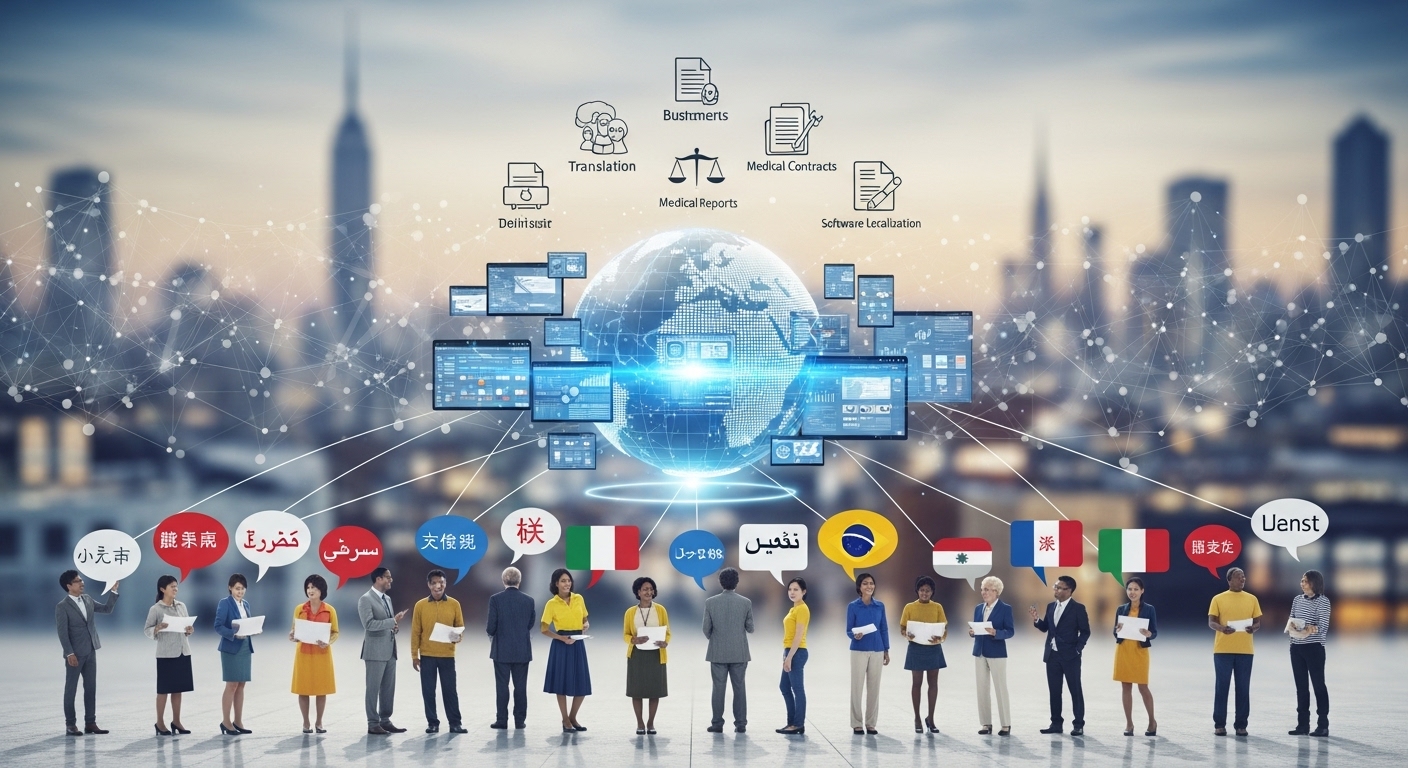
International business expansion, cross-border migration, and digital connectivity have created an unprecedented need for professional language services across every industry and sector. The global demand for translation services continues growing at remarkable rates as organizations recognize that effective communication across language barriers determines their success in international markets.
From multinational corporations entering new territories to healthcare systems serving diverse populations, the need for accurate, culturally appropriate translation has become a business imperative rather than a luxury.
At Directline Translators, we observe this growing demand firsthand as clients from diverse industries seek our expertise to bridge communication gaps that could otherwise limit their growth potential.
The global demand for translation services reflects broader economic trends including international trade expansion, immigration increases, technological advancement, and the recognition that multilingual communication drives competitive advantage in our interconnected world.
Market research indicates that the translation industry generates billions of dollars annually while maintaining consistent growth rates that outpace many other service sectors. This expansion stems from fundamental shifts in how businesses operate, governments serve citizens, and organizations communicate with increasingly diverse stakeholders who speak different languages and come from various cultural backgrounds.
The statistics tell a compelling story about language diversity and business necessity, but the human element reveals the true importance of professional translation services in connecting people, facilitating understanding, and enabling cooperation across linguistic boundaries.
Continue reading as we examine the specific factors driving this remarkable growth and what it means for organizations seeking to compete successfully in global markets.
The Global Demand for Translation Services in International Business Expansion
Multinational corporations drive significant portions of translation service demand as they expand operations into new markets where local language communication determines success or failure. Companies investing millions in international expansion understand that professional translation represents a small but critical investment that can make or break their market entry strategies.
E-commerce platforms demonstrate this demand clearly as online retailers seek to reach customers who prefer shopping in their native languages. Research shows that consumers are significantly more likely to purchase products when websites, customer service, and marketing materials are available in their preferred languages.
This consumer behavior creates substantial demand for translation services that can adapt product descriptions, marketing content, and customer support materials for diverse linguistic markets.
The global demand for translation services involves, legal and regulatory compliance that drives additional business demand as companies must translate contracts, regulatory filings, and compliance documentation to operate legally in foreign markets. International businesses cannot simply assume that English-language documents will suffice when dealing with local regulations, courts, and government agencies that require documentation in official local languages.
Supply chain management increasingly requires translation services as global manufacturers work with suppliers, distributors, and partners who communicate in different languages. Technical specifications, quality standards, and safety protocols must be translated accurately to ensure product quality and worker safety across international manufacturing networks.
Marketing localization represents another major demand driver as companies adapt their brand messaging, advertising campaigns, and promotional materials for different cultural and linguistic markets. Successful international marketing requires more than literal translation – it demands cultural adaptation that resonates with local audiences while maintaining brand consistency and commercial effectiveness.
The Global Demand for Translation Services in Healthcare Systems
Healthcare organizations face growing translation demands as they serve increasingly diverse patient populations who require medical care in their preferred languages. Patient safety regulations and ethical care standards require healthcare providers to ensure that patients understand their medical conditions, treatment options, and care instructions regardless of language barriers.
Emergency medical services create urgent demand for professional interpretation as hospitals and emergency responders must communicate effectively with patients during life-threatening situations. These high-stakes scenarios require immediate access to qualified medical interpreters who can facilitate accurate communication while understanding medical terminology and emergency procedures.
The global demand for translation services includes, mental health services which generate specialized translation demand as healthcare providers recognize that effective psychological treatment requires patients to express complex emotions and experiences in their most comfortable language.
Mental health professionals increasingly request translation services that can handle sensitive psychological content while maintaining therapeutic relationships and clinical accuracy.
Pharmaceutical companies contribute to healthcare translation demand as they develop medications for global markets that require translated clinical trial documentation, regulatory submissions, and patient information materials. Drug safety and efficacy documentation must be translated with absolute precision to ensure patient safety and regulatory compliance across different countries.
Medical device manufacturers add to healthcare translation demand as they create equipment and devices used internationally by healthcare providers and patients who need operation manuals, safety instructions, and technical support in their local languages. Medical device translation requires both technical accuracy and cultural understanding of healthcare practices in different regions.
The Global Demand for Translation Services in Government and Legal Systems
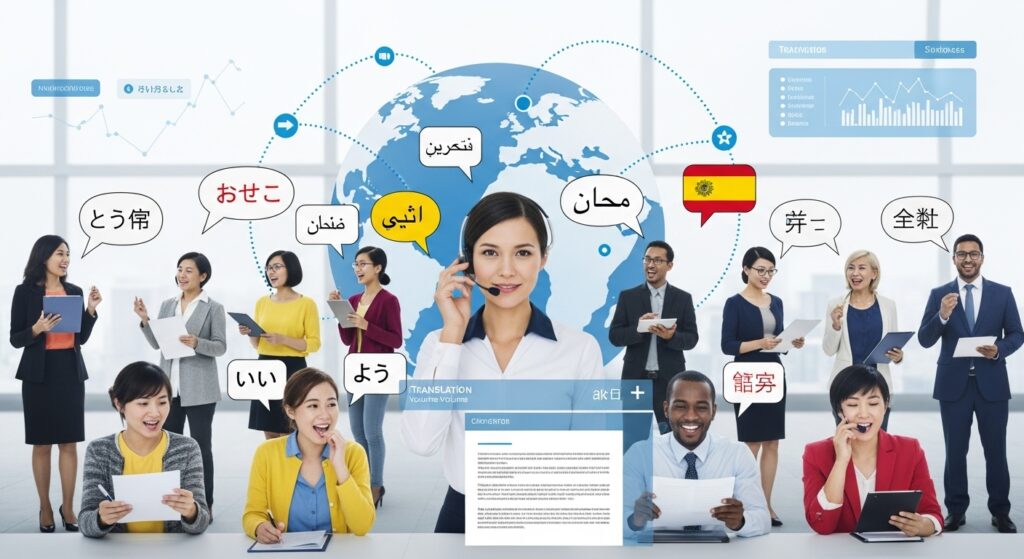
Government agencies at all levels generate substantial translation demand as they serve diverse populations who require access to public services, legal information, and civic participation opportunities in their preferred languages. Constitutional principles of equal access and due process often require government translation services that ensure all citizens can participate fully in democratic processes.
Immigration services create particularly high translation demand as government agencies process documentation for people seeking citizenship, residency, or legal status. Immigration procedures require translation of personal documents, educational credentials, employment history, and legal records that must meet strict accuracy standards for official government use.
Court systems generate ongoing translation demand through interpretation services for legal proceedings and translation of legal documents for parties who speak different languages. Constitutional rights to fair legal representation often require professional interpretation that ensures all parties understand legal procedures, evidence, and judicial decisions.
International diplomacy drives specialized translation demand as governments conduct negotiations, sign treaties, and maintain diplomatic relationships that require accurate translation of complex political and legal agreements. Diplomatic translation mistakes can have serious international consequences, creating demand for highly specialized professional services.
Legislative processes increasingly require translation services as elected bodies draft laws, regulations, and policies that affect diverse populations. Public participation in democratic governance often depends on citizens’ ability to understand proposed legislation and provide input in their preferred languages.
The Global Demand for Translation Services in Educational Institutions
Educational systems generate growing translation demand as schools and universities serve increasingly diverse student populations who speak multiple languages at home while learning academic content in official school languages. Educational equity principles require translation services that ensure all students can access learning opportunities regardless of language backgrounds.
Higher education institutions create substantial translation demand as they recruit international students, develop global partnerships, and offer academic programs that attract learners from around the world. University recruitment materials, academic transcripts, and degree requirements must be translated accurately to facilitate international student mobility and academic recognition.
Research collaboration drives academic translation demand as scholars work across linguistic boundaries to advance knowledge in their fields. Scientific research, academic publications, and conference presentations increasingly require translation services that can handle complex technical terminology while maintaining scholarly accuracy and intellectual rigor.
Parent and community engagement requires educational translation services as schools communicate with families who speak different languages about student progress, school policies, and educational opportunities. Effective family engagement often determines student success, creating demand for translation services that can build positive relationships between schools and diverse communities.
Professional development programs generate translation demand as educators seek training and certification opportunities that may be available in different languages or require translated materials. Global education standards and best practices often require translation services that can adapt educational content for different cultural and linguistic contexts.
The Global Demand for Translation Services in Technology and Digital Content
Technology companies drive significant translation demand as they develop software, applications, and digital platforms for global markets where user adoption depends heavily on local language availability. Software localization requires more than interface translation – it involves adapting entire user experiences for different cultural and linguistic preferences.
Mobile applications create substantial ongoing translation demand as app developers seek to reach users in multiple markets through app stores that prioritize locally relevant content. Mobile app success often depends on user reviews and engagement metrics that improve when applications are available in users’ preferred languages.
Gaming industry translation demand continues expanding as video game developers create content for international markets where player engagement and revenue generation depend on localized gaming experiences. Game translation involves dialogue, character development, cultural references, and gameplay elements that must be adapted for different audiences while maintaining entertainment value.
Website localization generates continuous translation demand as businesses recognize that multilingual websites significantly outperform monolingual sites in international search rankings and user engagement metrics. E-commerce success particularly depends on website translation that builds trust and facilitates purchasing decisions across different linguistic markets.
Technical documentation translation serves the growing demand from technology companies that sell hardware, software, and digital services internationally. User manuals, installation guides, troubleshooting instructions, and technical support materials must be translated accurately to ensure customer success and reduce support costs across different markets.
The Global Demand for Translation Services in Entertainment and Media
Entertainment industries generate substantial translation demand as content creators seek to reach global audiences through streaming platforms, theatrical releases, and digital distribution channels. Content localization involves more than subtitle translation – it requires cultural adaptation that maintains entertainment value while respecting local sensibilities and preferences.
Streaming platforms drive significant ongoing translation demand as they acquire and produce content for international distribution. Netflix, Amazon Prime, and other platforms invest heavily in translation services that can adapt content for dozens of languages while maintaining production schedules and quality standards that satisfy global audiences.
Publishing industries create steady translation demand as book publishers, magazine companies, and digital content creators seek to expand their readership across linguistic boundaries. Literary translation requires specialized expertise that can preserve artistic quality while making content accessible to new cultural audiences.
News and journalism organizations generate daily translation demand as they report on international events for diverse audiences who consume news in their preferred languages. Breaking news translation requires speed and accuracy that can inform audiences about important developments while maintaining journalistic integrity and cultural sensitivity.
Advertising and marketing agencies contribute to entertainment translation demand as they create campaigns for global brands that must resonate with local audiences while maintaining brand consistency. Creative translation involves adapting slogans, taglines, and promotional content that can motivate consumer behavior across different cultural contexts.
The Global Demand for Translation Services in Manufacturing and Industry
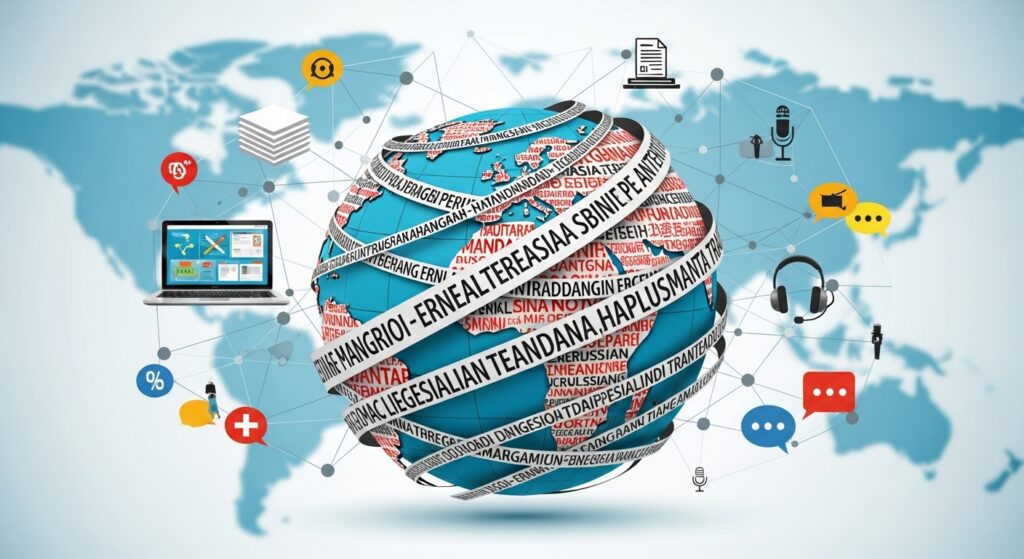
Manufacturing companies create substantial translation demand as they operate international supply chains, establish overseas production facilities, and distribute products in global markets. Industrial translation involves technical specifications, safety procedures, and quality standards that must be communicated accurately across linguistic boundaries to ensure operational success and worker safety.
Automotive industry translation demand reflects the global nature of car manufacturing and sales, where technical manuals, safety information, and marketing materials must be translated for markets around the world. Automotive translation requires understanding of complex technical systems while meeting strict safety and regulatory requirements in different countries.
Construction and engineering projects generate specialized translation demand as international infrastructure development requires coordination between teams speaking different languages. Construction translation involves architectural plans, engineering specifications, and safety protocols that must be understood accurately by workers and contractors from diverse linguistic backgrounds.
Energy sector translation serves the growing demand from renewable energy companies, oil and gas operators, and utility companies that work internationally. Energy industry translation involves technical documentation, environmental impact studies, and regulatory compliance materials that must meet strict accuracy standards while addressing complex technical and environmental issues.
Pharmaceutical manufacturing drives significant translation demand as drug companies operate global production networks while meeting regulatory requirements in multiple countries. Pharmaceutical translation involves clinical research, manufacturing procedures, and quality control documentation that directly affects public health and safety.
The Global Demand for Translation Services in Financial Services
Financial institutions generate substantial translation demand as they serve international clients, comply with regulations in multiple jurisdictions, and offer investment opportunities across global markets. Financial translation requires understanding of complex financial instruments, regulatory requirements, and market conditions that vary significantly between countries.
Banking services create ongoing translation demand as financial institutions serve diverse customer populations who require banking information, loan documentation, and investment advice in their preferred languages. Consumer protection regulations often require financial institutions to provide translated materials that ensure customers understand their financial obligations and rights.
Insurance companies drive translation demand through international operations that require policy documentation, claims processing, and customer service in multiple languages. Insurance translation involves complex legal terminology, actuarial concepts, and regulatory compliance requirements that must be communicated accurately to policyholders and business partners.
Investment management firms generate specialized translation demand as they offer financial products and services to international investors who require translated prospectuses, annual reports, and market analysis materials. Investment translation requires understanding of financial markets, regulatory requirements, and investor protection standards that vary between countries.
Cryptocurrency and fintech companies create emerging translation demand as they develop digital financial services for global markets where user adoption depends on local language availability and cultural understanding of new financial technologies. Fintech translation involves explaining complex technological concepts while building trust with users who may be unfamiliar with digital financial services.
The Global Demand for Translation Services in Healthcare Research
Medical research institutions drive significant translation demand as they conduct clinical trials, publish research findings, and collaborate with international partners to advance medical knowledge. Research translation requires understanding of scientific methodology, statistical analysis, and medical terminology that ensures research validity and reproducibility across linguistic boundaries.
Pharmaceutical research generates substantial ongoing translation demand as drug development involves international clinical trials, regulatory submissions, and safety monitoring that must be documented accurately in multiple languages. Clinical research translation directly affects drug approval processes and patient safety outcomes worldwide.
Medical device research creates specialized translation demand as companies develop innovative healthcare technologies for global markets. Device research translation involves clinical studies, regulatory documentation, and user training materials that must meet strict accuracy standards while explaining complex medical technologies to diverse audiences.
Public health research drives translation demand through epidemiological studies, health policy research, and disease prevention programs that require international cooperation and data sharing. Public health translation involves statistical analysis, policy recommendations, and health education materials that must be adapted for different cultural and healthcare contexts.
Academic medical research generates continuous translation demand as researchers publish findings in international journals, present at global conferences, and collaborate with colleagues from different linguistic backgrounds. Academic medical translation requires understanding of peer review processes, citation standards, and scholarly communication norms that vary between countries and institutions.
The Global Demand for Translation Services in Future Market Growth
Demographic trends indicate that translation demand will continue growing as global population movements, urbanization, and economic development create more diverse communities that require multilingual services. Immigration patterns, refugee resettlement, and economic migration will increase the linguistic diversity of communities worldwide, creating sustained demand for professional translation services.
Technological advancement creates new translation opportunities as artificial intelligence, virtual reality, and emerging digital platforms require localization for global markets. While technology may automate some basic translation tasks, complex content requiring cultural understanding and creative adaptation will continue driving demand for professional human translation services.
Environmental and climate change initiatives generate emerging translation demand as international cooperation on environmental issues requires accurate communication between diverse stakeholders. Climate research, environmental policy, and sustainability programs increasingly require translation services that can facilitate global cooperation on environmental challenges.
Space exploration and scientific research create specialized translation demand as international space agencies, research institutions, and technology companies collaborate on projects that require precise technical communication across linguistic boundaries. Scientific translation demand will grow as research becomes increasingly international and collaborative.
Economic globalization trends suggest that translation demand will continue expanding as developing economies integrate into global markets and established economies diversify their international partnerships. Trade agreements, investment flows, and business partnerships will require ongoing translation support that facilitates successful international commercial relationships.
At Directline Translators, we recognize that the global demand for translation services reflects fundamental changes in how our world operates, communicates, and cooperates across linguistic boundaries. Our professional team stands ready to meet this growing demand with expertise, cultural understanding, and commitment to accuracy that helps clients succeed in international markets.
The global demand for translation services represents more than a business opportunity – it reflects humanity’s ongoing effort to build understanding, cooperation, and mutual respect across cultural and linguistic differences. As our world becomes increasingly connected, professional translation services will play an ever more important role in facilitating the communication that makes international cooperation possible and beneficial for everyone involved.
Organizations that recognize and respond to this growing demand by investing in professional translation services will be better positioned to succeed in global markets, serve diverse communities, and build the international relationships that drive success in our interconnected world. The future belongs to those who can communicate effectively across all boundaries, and professional translation services provide the foundation for that essential capability.
Frequently Asked Questions On The Global Demand for Translation Services:

1. What factors are driving the global demand for translation services? Key drivers include international business expansion, immigration increases, technological advancement, regulatory compliance requirements, and the growing recognition that multilingual communication provides competitive advantages in global markets.
2. Which industries show the highest demand for translation services? Healthcare, legal services, technology, manufacturing, financial services, government, education, and entertainment industries currently show the strongest and most consistent demand for professional translation services.
3. How large is the global translation services market? The global translation services market generates billions of dollars annually and continues growing at rates significantly above average economic growth, with projections showing sustained expansion over the coming decade.
4. What types of translation services are in highest demand? Document translation, website localization, legal translation, medical translation, technical documentation, and real-time interpretation services currently show the strongest market demand across various industries.
5. How does digital technology affect translation service demand? Digital technology increases demand by enabling global business operations, creating more content requiring localization, and facilitating international communication that requires professional translation support.
6. What role does immigration play in translation service demand? Immigration creates substantial demand for translation services in healthcare, legal, educational, and government sectors as organizations serve increasingly diverse populations requiring multilingual communication support.
7. How do regulatory requirements affect translation demand? Government regulations requiring equal access to services, legal proceedings, healthcare, and public information create mandatory demand for translation services across many sectors and jurisdictions.
8. What geographic regions show the strongest translation demand growth? Asia-Pacific, Latin America, and emerging markets show particularly strong growth in translation demand, while established markets maintain steady demand driven by immigration and business expansion.
9. How does the demand for human translators compare to machine translation? While machine translation handles basic tasks, complex content requiring cultural understanding, creativity, and accuracy continues driving strong demand for professional human translation services.
10. What does future growth look like for translation services? Industry projections show continued strong growth driven by ongoing globalization, technological advancement, demographic changes, and increasing recognition of multilingual communication’s business value.