
 directlineauthors
The world has never been more connected, yet language barriers continue to challenge businesses, governments, and individuals seeking to communicate across cultures. The global demand for translation services has reached unprecedented levels, driven by digital transformation, international commerce, and the fundamental human need to connect and understand one another.
This surge isn’t just about converting words from one language to another – it represents a massive economic shift toward truly global communication.
Recent industry analysis shows that the global demand for translation services has grown by over 20% annually for the past five years, with no signs of slowing down. Companies that once considered translation a luxury now view it as essential infrastructure for survival in competitive markets. From small startups launching internationally on day one to multinational corporations expanding into emerging markets, the demand spans every sector and business size.
What makes this growth particularly interesting is its diversity. Healthcare organizations need medical document translation for patient safety. Legal firms require contract translation for international deals. Entertainment companies translate content for global streaming platforms. Educational institutions translate research and course materials for international students.
This broad demand across industries creates a robust, resilient market that continues expanding even during economic uncertainties.
The COVID-19 pandemic accelerated many trends that were already increasing the global demand for translation services. Remote work normalized international business relationships. E-commerce platforms expanded globally overnight. Telehealth services needed to serve diverse populations. Digital education required multilingual content.
These changes created permanent shifts in how businesses operate, making translation services more critical than ever. This article examines the forces driving this explosive growth and what it means for businesses, service providers, and the future of global communication.
Economic Drivers Behind the Global Demand for Translation Services
International trade has reached record levels, creating massive opportunities for businesses willing to communicate effectively with global partners and customers. The global demand for translation services directly correlates with the growth of cross-border commerce, which now represents over $28 trillion annually and continues expanding as digital platforms make international business more accessible.
E-commerce platforms have democratized global selling, allowing small businesses to reach international customers with relatively small investments. Amazon, eBay, and Shopify enable sellers to list products worldwide, but success depends heavily on effective communication with international customers. Product descriptions, customer service interactions, and marketing materials all require professional translation to generate sales and build trust with foreign buyers.
Supply chain globalization means businesses routinely work with suppliers, manufacturers, and distributors in multiple countries. Technical specifications, quality standards, safety requirements, and compliance documentation must be accurately translated to ensure smooth operations. Manufacturing errors caused by translation mistakes can cost companies millions of dollars and damage their reputations in key markets.
Financial services have become increasingly international as investment flows cross borders more freely. Bank documents, insurance policies, investment prospectuses, and regulatory filings require precise translation to meet legal requirements and protect both institutions and their clients. The complexity of financial terminology and regulatory differences between countries makes this one of the most specialized areas driving the global demand for translation services.
Mergers and acquisitions across international boundaries create enormous translation needs. Due diligence documents, contracts, employee communications, and integration materials must be translated accurately and quickly to support successful business combinations. DirectLine Translator has worked on several major M&A transactions, and the volume of content requiring translation often surprises companies undertaking their first international acquisition.
Government policies promoting international trade, such as free trade agreements and export incentive programs, encourage more businesses to expand globally. These policies reduce traditional barriers to international commerce, making translation services one of the remaining keys to successful global expansion.
Technology’s Role in Expanding Global Demand for Translation Services
Digital transformation has fundamentally changed how businesses operate and communicate, creating new categories of content that require translation while making global reach more achievable for companies of all sizes. The global demand for translation services has been amplified by technological advances that enable instant global communication and commerce.
Websites have become the primary interface between businesses and their customers worldwide. A company’s website might receive visitors from dozens of countries daily, and conversion rates drop dramatically when content appears only in English. Google Analytics data shows that localized websites typically achieve 70% higher conversion rates than English-only sites, driving businesses to invest in comprehensive website translation.
Mobile applications represent another major source of translation demand. App stores serve global audiences, and successful apps must support multiple languages to achieve significant download volumes. User interface elements, help content, app store descriptions, and customer support materials all require careful translation that considers limited screen space and user interface constraints.
Social media platforms have created global audiences for businesses of all sizes. Companies use Facebook, Instagram, LinkedIn, and platform-specific networks in different countries to reach international customers. Social media content requires culturally adapted translation that resonates with local audiences while maintaining brand consistency across markets.
Cloud computing platforms have made it easier for businesses to operate internationally by reducing infrastructure requirements and operational complexity. However, this accessibility has increased competition in global markets, making effective communication through professional translation services more important for differentiation and success.
Software as a Service (SaaS) platforms often serve customers worldwide from their first day of operation. User interfaces, help documentation, onboarding materials, and customer communications must be translated to serve international customers effectively. The recurring revenue models common in SaaS make customer retention crucial, and language barriers directly impact retention rates in international markets.
Artificial intelligence and machine learning tools have paradoxically increased demand for human translation services by making global expansion more accessible while highlighting the importance of cultural nuance and context that automated systems cannot provide. While AI translation helps with basic communication, professional human translation remains essential for marketing, legal, and other high-stakes content.
Industry-Specific Trends Driving Global Demand for Translation Services
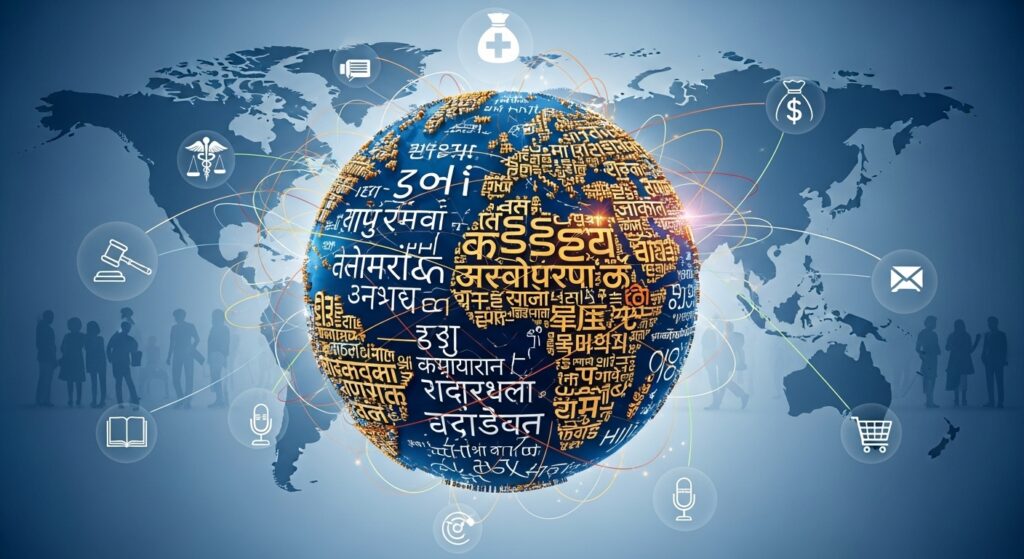
Healthcare organizations face increasing pressure to serve diverse populations while maintaining the highest standards of accuracy and cultural sensitivity. The global demand for translation services in healthcare has grown exponentially as medical tourism, international clinical trials, and telemedicine expand across borders.
Medical device manufacturers must translate technical documentation, user manuals, and training materials for regulatory approval in different countries. The FDA, European Medicines Agency, and other regulatory bodies require translated documentation that meets strict accuracy standards. A single translation error in medical instructions could have life-threatening consequences, making professional translation services essential rather than optional.
Pharmaceutical companies conduct clinical trials across multiple countries to gather diverse patient data and accelerate drug development timelines. Informed consent forms, patient questionnaires, adverse event reports, and regulatory submissions must be translated accurately to ensure patient safety and regulatory compliance. The complexity of medical terminology and regulatory requirements makes this specialized translation work highly demanding.
Legal services have internationalized rapidly as businesses operate across borders and individuals live more mobile lives. International contracts, cross-border litigation, patent applications, and immigration documents require precise legal translation that understands both legal systems involved. Legal translation errors can void contracts, damage court cases, or prevent successful patent applications.
Education has become increasingly global as universities recruit international students and offer online programs worldwide. Course materials, research publications, student services information, and administrative documents require translation to serve diverse student populations effectively. The rise of massive open online courses (MOOCs) has created demand for translating educational content for global audiences.
Entertainment and media companies now distribute content globally through streaming platforms, creating enormous translation needs for subtitles, dubbing, and marketing materials. Netflix, Disney+, and other platforms require content translation into dozens of languages to serve their global subscriber bases effectively. The quality of translation directly affects viewer satisfaction and subscription retention in international markets.
Financial technology (fintech) companies often launch globally to achieve the scale needed for profitability. Banking apps, investment platforms, and payment systems must be translated accurately to comply with financial regulations and build trust with users handling their money through digital interfaces.
Geographic Patterns in Global Demand for Translation Services
Emerging markets represent the fastest-growing source of translation demand as companies seek to tap into populations with increasing purchasing power and digital connectivity. The global demand for translation services is shifting toward languages that were previously considered niche markets but now offer substantial business opportunities.
Asia-Pacific regions, particularly Southeast Asia, have become major drivers of translation demand. Countries like Vietnam, Thailand, and Indonesia offer large populations with growing middle classes and increasing internet penetration. Companies expanding into these markets need comprehensive translation services that understand local business cultures and consumer preferences.
Latin America presents significant opportunities for businesses offering Spanish and Portuguese translation services. Brazil’s economy, Mexico’s proximity to the United States, and Colombia’s growing technology sector create substantial demand for business translation services. The rise of e-commerce in these markets particularly drives demand for product descriptions, customer service materials, and marketing content translation.
Africa’s technology adoption and economic growth have created surprising demand for translation services, particularly for local languages that were previously underserved. Countries like Nigeria, Kenya, and South Africa offer substantial markets that require localization beyond just English, French, or Portuguese to reach rural and urban populations effectively.
European markets continue generating steady demand for translation services, but the nature of this demand has evolved. Brexit created additional complexity for companies operating between the UK and EU, requiring more specialized translation for legal and regulatory documents. The European Union’s stringent data privacy regulations (GDPR) created demand for translating privacy policies and compliance documents into all official EU languages.
Middle Eastern markets have become increasingly important for technology companies, healthcare organizations, and educational institutions. Arabic translation demand has grown substantially, but companies also need specialized knowledge of cultural sensitivities and local business practices that vary significantly between countries in the region.
North American demand remains strong but has become more sophisticated. Companies now seek cultural adaptation and marketing localization rather than straightforward translation. The growth of Hispanic populations in the United States has created substantial demand for Spanish translation services across all sectors.
Quality Standards Driving Global Demand for Translation Services
Rising quality expectations from international customers and regulatory bodies have increased demand for professional translation services that can meet stringent accuracy and cultural appropriateness standards. The global demand for translation services has shifted toward higher-value work as businesses recognize that poor translation quality can damage their reputation and legal compliance.
ISO 17100 certification has become increasingly important for translation service providers working with large corporations and government agencies. This international standard defines requirements for translation service providers, including translator qualifications, project management processes, and quality assurance procedures. Companies seeking ISO-certified translation services drive demand for professional providers who meet these rigorous standards.
Industry-specific quality requirements have created specialized niches within the translation market. Medical translation requires translators with healthcare backgrounds who understand medical terminology and patient safety implications. Legal translation needs professionals who understand legal systems in both source and target countries. Financial translation requires knowledge of accounting standards and regulatory requirements that vary between countries.
Cultural sensitivity training has become essential for translators working on marketing and customer-facing content. Companies have learned that culturally inappropriate translations can cause significant brand damage and lost sales in international markets. This recognition has increased demand for translators who combine language skills with deep cultural understanding of target markets.
Continuous quality improvement processes have become standard practice for companies with significant international operations. Regular translation quality assessments, feedback collection from international customers, and ongoing translator training programs all contribute to sustained quality levels that support business growth in global markets.
Technology-assisted quality assurance tools have raised overall industry standards while creating demand for translators who can effectively use computer-aided translation (CAT) tools, translation memory systems, and quality checking software. These tools help maintain consistency across large translation projects while reducing costs and delivery times.
Price Sensitivity and Value Perception in Global Demand for Translation Services
Market maturity has created more sophisticated pricing models that reflect the true value of professional translation services. The global demand for translation services has evolved beyond simple per-word pricing toward value-based arrangements that consider project complexity, urgency, and strategic importance to client businesses.
Rush projects command premium pricing as businesses increasingly need translation services on compressed timelines to support rapid international expansion or respond to market opportunities. Companies willing to pay premium rates for fast, high-quality translation services drive increased profitability for service providers who can deliver under pressure.
Long-term partnerships between clients and translation providers have created more stable revenue streams and better outcomes for both parties. DirectLine Translator has developed multi-year agreements with several clients that provide volume discounts in exchange for guaranteed service levels and priority capacity allocation.
Specialized expertise commands higher rates as clients recognize the value of working with translators who understand their specific industries. Medical, legal, financial, and technical translation services typically charge 25-50% premium rates compared to general business translation, reflecting the additional expertise and liability involved.
Cultural consulting services have become valuable add-ons to basic translation work. Clients increasingly want guidance on cultural adaptation, market entry strategies, and local business practices alongside language translation. These advisory services often generate higher margins than pure translation work while providing more comprehensive value to international businesses.
Technology integration capabilities affect pricing and demand patterns. Translation providers who can integrate with clients’ content management systems, e-commerce platforms, or software development workflows often win larger, more profitable projects than providers offering only traditional translation services.
Workforce Development and Global Demand for Translation Services
The translation industry faces significant workforce challenges as demand growth outpaces the supply of qualified professional translators. The global demand for translation services has created opportunities for language professionals while highlighting the importance of ongoing education and specialization.
Professional translator certification programs have expanded to meet industry needs and client quality requirements. Organizations like the American Translators Association (ATA) and Institute of Translation and Interpreting (ITI) provide certification that helps clients identify qualified professionals while giving translators credentials that justify premium pricing.
Specialization has become increasingly important for translator career development. General translators face increasing competition from automated systems and lower-cost providers, while specialists in medical, legal, financial, or technical translation maintain strong demand and pricing power.
Continuous education requirements keep professional translators current with industry terminology, cultural changes, and technology tools. Many successful translators invest 10-15% of their time in ongoing education to maintain their competitive advantage in rapidly evolving markets.
Technology skills have become essential for modern translators. Proficiency with CAT tools, project management software, and industry-specific applications affects both productivity and job opportunities. Translators who can adapt to new technologies maintain stronger career prospects as client expectations evolve.
Freelance versus agency employment models each offer different advantages for translators entering the industry. Freelancers maintain higher per-project rates and schedule flexibility, while agency employment provides steady income and professional development opportunities. The choice depends on individual preferences and career goals.
Regional Market Variations in Global Demand for Translation Services
Different regions exhibit distinct patterns in their translation service needs, driven by local economic conditions, cultural factors, and regulatory environments. Understanding these regional variations helps service providers align their offerings with market demand while helping clients make informed decisions about international expansion priorities.
European markets typically demand high-quality translation services with strong cultural adaptation capabilities. European consumers expect localized content that reflects local preferences and business practices. Regulatory requirements like GDPR create additional demand for precise legal translation that ensures compliance across multiple jurisdictions.
Asian markets often prioritize speed and cost-effectiveness while maintaining acceptable quality levels. Rapid economic growth and compressed business development timelines create demand for translation services that can support aggressive international expansion schedules. Cultural adaptation requirements vary significantly between Asian countries, creating opportunities for translators with specific regional expertise.
North American markets have become increasingly sophisticated in their translation requirements. Companies now seek strategic consulting alongside language services, looking for translation providers who can guide market entry strategies and cultural adaptation approaches. Premium pricing for high-value services has become more acceptable as companies recognize translation’s impact on business success.
Latin American markets present unique opportunities for Spanish and Portuguese language specialists. Growing middle-class populations and increasing internet connectivity create expanding markets for e-commerce, digital services, and international business development. However, regional variations in Spanish and Portuguese usage require translators with specific country expertise.
African markets offer substantial long-term growth potential but require patient market development and cultural sensitivity. Many African countries have multiple official languages and complex cultural dynamics that affect business communication. Translation services for African markets often require specialized knowledge that goes beyond basic language skills.
Technology Disruption and Future Global Demand for Translation Services
Artificial intelligence and machine learning technologies are reshaping the translation industry while paradoxically increasing overall demand for human translation services. The global demand for translation services has been augmented rather than replaced by technological advances that make global communication more accessible while highlighting the importance of cultural understanding.
Machine translation has improved dramatically but remains insufficient for high-stakes business communication. While AI can help with basic document understanding and internal communication, marketing materials, legal documents, and customer-facing content still require human expertise to ensure accuracy and cultural appropriateness.
Computer-aided translation (CAT) tools have increased translator productivity while improving consistency across large projects. These tools enable human translators to work more efficiently by providing translation memory, terminology management, and quality assurance features. Demand for translators skilled in CAT tools continues growing as clients seek improved efficiency and consistency.
Real-time translation applications have created new market categories for live interpretation services. Video conferencing platforms increasingly offer translation capabilities, but human interpreters remain essential for important business meetings, negotiations, and conferences where nuance and cultural understanding affect outcomes.
Neural machine translation has reached quality levels that make it useful for content understanding and first-draft translation, but human post-editing remains necessary for publishable quality. This has created hybrid service models that combine automated translation with human refinement, often providing better value than purely human or purely automated approaches.
Voice recognition and synthesis technologies are creating new opportunities for multilingual content creation and audio translation services. Podcasts, video content, and voice applications increasingly need translation services that can handle spoken language nuances and cultural adaptation for audio formats.
Professional Development Trends Affecting Global Demand for Translation Services
The translation profession continues evolving as client expectations rise and technology reshapes service delivery methods. Professional development trends within the industry directly affect service quality and capacity to meet growing global demand for translation services.
Continuing education has become essential for translators seeking to maintain competitive advantage in rapidly changing markets. Professional associations offer specialized training in industry-specific terminology, cultural competency, and technology tools. Many successful translators dedicate significant time and resources to ongoing skill development.
Certification programs provide standardized quality benchmarks that help clients identify qualified service providers. The demand for certified translators has grown as companies recognize the risks associated with poor translation quality and seek reliable ways to identify competent professionals.
Technology training helps translators adapt to changing client expectations and service delivery methods. Modern translation projects often involve complex workflows, multiple stakeholders, and tight deadlines that require proficiency with project management tools, collaboration platforms, and quality assurance systems.
Business skills development has become increasingly important as many translators operate as independent contractors or small business owners. Marketing, client relationship management, and financial planning skills affect translator success as much as language abilities.
Specialization development allows translators to command premium rates while serving clients with specific needs. Medical, legal, financial, and technical specializations require ongoing education but offer more stable demand and higher compensation than general translation services.
Cross-cultural competency training helps translators provide value beyond literal language conversion. Understanding business cultures, communication styles, and market dynamics in target countries enables translators to provide strategic guidance that supports client success in international markets.
Frequently Asked Questions

Q: What factors are driving the rapid growth in global demand for translation services? A: The primary drivers include international e-commerce growth, digital transformation enabling global business operations, increased cross-border investment and trade, regulatory requirements for multilingual documentation, and growing recognition that professional translation directly impacts business success in international markets.
Q: Which industries show the highest demand for translation services currently? A: Healthcare, legal services, financial technology, e-commerce, software development, and entertainment/media show the strongest demand growth. Healthcare and legal translation command premium rates due to accuracy requirements, while e-commerce and technology sectors drive volume growth through digital expansion.
Q: How has technology affected the demand for human translation services? A: Technology has actually increased demand for professional human translators by making global business more accessible while highlighting the importance of cultural nuance and accuracy. Machine translation handles basic communication, but businesses still need human expertise for marketing, legal, and customer-facing content.
Q: What are the fastest-growing geographic markets for translation services? A: Southeast Asia, Latin America, and parts of Africa show the highest growth rates. Traditional markets like Europe and North America continue growing but at slower rates. Emerging markets offer the most opportunity but often require specialized cultural knowledge and market development patience.
Q: How do companies typically budget for translation services? A: Most companies allocate 2-5% of their international marketing budgets to translation and localization. Startups often spend $5,000-$15,000 annually per target language, while larger enterprises may invest hundreds of thousands of dollars in comprehensive localization programs across multiple markets and languages.
Q: What quality standards do businesses expect from translation services? A: Businesses increasingly expect ISO 17100 compliance, industry-specific expertise, cultural adaptation beyond literal translation, quick turnaround times, and technology integration capabilities. Quality expectations have risen significantly as companies recognize translation’s impact on international business success.
Q: How do translation service prices vary by industry and complexity? A: General business translation typically ranges from $0.10-$0.25 per word. Specialized fields like medical, legal, and financial translation command $0.20-$0.40 per word. Rush projects and highly technical content can cost 50-100% more than standard rates, while volume discounts can reduce costs by 15-30%.
Q: What skills do professional translators need in today’s market? A: Modern translators need language expertise, cultural competency, industry specialization, technology proficiency (CAT tools, project management systems), business communication skills, and often subject matter expertise in fields like healthcare, law, or finance. Continuous learning is essential for career sustainability.
Q: How can businesses evaluate translation service providers effectively? A: Look for relevant industry experience, professional certifications (ISO 17100, ATA certification), client references in similar industries, technology capabilities, quality assurance processes, and cultural expertise in your target markets. Request sample translations and evaluate communication quality during the selection process.
Q: What trends will likely affect future demand for translation services? A: Artificial intelligence will continue improving basic translation while increasing demand for human expertise in cultural adaptation. Voice and video content translation will grow significantly. Specialized fields like healthcare and legal services will maintain strong demand growth, and emerging markets will drive overall industry expansion.