
 Elizabeth123
In Nigeria’s diverse linguistic landscape, Translation Africa delivers specialized translation services for corporate training, bridging language barriers to enhance comprehension and productivity. Expert linguists, versed in local dialects like Hausa, Igbo, and Yoruba, guarantee accurate, culturally sensitive content that fosters inclusivity and employee engagement. Businesses benefit from tailored packages that customize materials for Nigerian contexts, boosting overall training effectiveness. Additional insights into strategies, tools, and innovations await in the sections ahead.
Quick Summaries
- Translation services enhance corporate training in Nigeria by bridging language barriers and improving comprehension for diverse workforces.
- Expert linguists provide accurate, culturally attuned translations tailored to Nigerian languages like Hausa, Yoruba, and Igbo.
- Integrate real-time tools and bilingual software to deliver multilingual training content effectively in Nigerian settings.
- Cultural customization adapts materials with local idioms and scenarios to boost employee engagement and inclusivity.
- Choose certified providers like Translation Africa for reliable, timely services that align with Nigerian business needs and standards.
Benefits of Translation Services in Corporate Training

Translation services enhance corporate training in Nigeria by bridging language barriers, ensuring that diverse workforces can fully engage with educational content. This approach improves comprehension, allowing employees to grasp complex concepts without confusion, which boosts overall productivity. In multilingual settings, accurate translations foster inclusivity, enabling non-native speakers to participate equally and reducing potential misunderstandings that hinder learning. Consequently, companies experience higher retention rates of training material, as content is delivered in familiar languages, leading to better skill application in daily tasks. Furthermore, these services promote cultural sensitivity, aligning training with Nigeria’s diverse linguistic landscape and enhancing team cohesion. By minimizing errors from language gaps, organizations achieve more effective outcomes, ultimately driving business growth and employee satisfaction in a competitive market.
Key Features of Translation Africa for Businesses
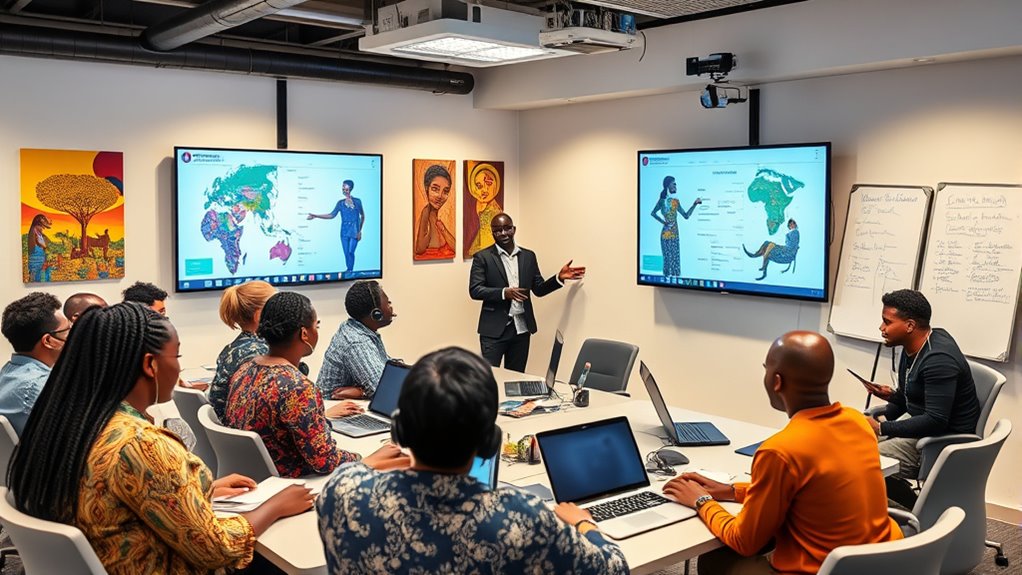
Key features of Translation Africa empower businesses in Nigeria by providing precise, culturally attuned language solutions that integrate seamlessly with corporate training programs. The service emphasizes accuracy, efficiency, and customization to support effective multilingual content delivery. Translation Africa delivers high-quality results through a blend of human expertise and technology, ensuring materials are adapted for diverse audiences without altering core business objectives.
- Expert linguists with specialized knowledge in Nigerian languages and corporate sectors.
- Advanced translation tools for rapid, error-free processing of training materials.
- Tailored packages that align with specific business workflows and budgets.
- Robust confidentiality measures to protect sensitive corporate information.
Overcoming Language Barriers in Nigerian Workplaces

Overcoming language barriers in Nigerian workplaces requires effective strategies for communication to guarantee clear and inclusive interactions among diverse teams. Businesses often implement tools in training programs to facilitate language translation and enhance understanding. These approaches help foster a more productive and collaborative work environment.
Strategies for Communication
Effective communication in Nigerian workplaces requires targeted strategies to address language barriers, such as leveraging multilingual training programs and cultural sensitivity workshops to foster collaboration and productivity among diverse teams. These approaches enhance mutual understanding and reduce misinterpretations, enabling smoother operations in multicultural settings. By prioritizing inclusive practices, organizations can build resilient teams that adapt to linguistic diversity.
- Adopt multilingual policies: Establish guidelines for using multiple languages in documentation and meetings to guarantee accessibility.
- Conduct interactive language workshops: Offer sessions that teach essential phrases and improve listening skills across common Nigerian languages.
- Encourage peer language exchange: Pair employees from different linguistic backgrounds for informal learning and knowledge sharing.
- Integrate feedback loops: Regularly assess communication effectiveness through surveys to refine strategies and promote ongoing improvement.
Tools in Training
In Nigerian workplaces, specialized tools enhance training programs to address language barriers, facilitating better integration of diverse linguistic groups. These tools include translation software, mobile apps, and professional interpreters, which enable real-time language conversion during sessions. By leveraging technology, companies in Nigeria can deliver inclusive training, guaranteeing all employees grasp essential skills regardless of their native tongue.
Such tools not only boost comprehension but also foster a collaborative environment. Below is a breakdown of key tools and their applications:
| Tool | Description | Benefits |
|---|---|---|
| Translation Apps | Real-time mobile translation | Enhances accessibility |
| Bilingual Software | AI-driven language conversion | Reduces miscommunication |
| Professional Interpreters | On-site or virtual support | Guarantees accuracy in sessions |
| E-Learning Platforms | Multilingual content delivery | Supports self-paced learning |
| Cultural Workshops | Interactive language tools | Promotes team cohesion |
Customizing Content for Diverse Cultural Contexts
Customizing content for diverse cultural contexts in Nigerian corporate training involves employing cultural adaptation techniques to align materials with local traditions and values. Content localization strategies further guarantee that translated materials resonate with regional nuances and preferences. Diverse context customization addresses specific audience needs, enhancing the overall effectiveness of training programs.
Cultural Adaptation Techniques
Cultural adaptation techniques tailor training content to align with Nigeria’s diverse cultural contexts, guaranteeing relevance for corporate audiences across regions. These methods go beyond mere translation by integrating local customs, values, and social norms into materials, fostering engagement and effectiveness in multilingual settings. By addressing Nigeria’s ethnic diversity—such as among the Hausa, Yoruba, and Igbo—adaptations prevent misunderstandings and enhance learning outcomes.
In practice, key techniques include:
- Incorporating local idioms and proverbs to make concepts relatable and memorable.
- Adapting visual elements, like images and colors, to align with cultural sensitivities and preferences.
- Customizing case studies to reflect Nigerian business scenarios and societal structures.
- Engaging cultural experts for reviews to guarantee authenticity and avoid offense.
This approach promotes inclusive corporate training, boosting retention and application.
Content Localization Strategies
Content localization strategies adapt training materials to Nigeria’s multifaceted cultural environments, ensuring relevance and resonance for diverse audiences. This involves tailoring language, idioms, and visuals to align with regional nuances, such as incorporating Yoruba, Igbo, or Hausa elements where appropriate, while maintaining core educational objectives. For instance, examples in corporate modules might replace Western case studies with local business scenarios, like Nigerian market dynamics, to foster better comprehension. Effective strategies include conducting cultural audits to identify sensitivities and preferences, thereby avoiding misinterpretations. By integrating these adaptations, organizations enhance learner engagement and retention rates. Ultimately, localization bridges cultural gaps, making training more impactful in Nigeria’s ethnically varied corporate landscape, where over 250 ethnic groups coexist. This approach optimizes knowledge transfer without compromising accuracy.
Diverse Context Customization
In Nigeria’s corporate landscape, adapting training materials to varied cultural contexts involves nuanced adjustments beyond basic localization. This process guarantees content resonates with Nigeria’s multicultural workforce, including ethnic groups like Hausa, Igbo, and Yoruba, by integrating cultural nuances, idioms, and social norms. Effective customization enhances engagement and comprehension, fostering inclusive learning environments that drive business success.
- Cultural Sensitivity Training: Equip translators with knowledge of regional customs to avoid misinterpretations.
- Idiom Adaptation: Replace universal phrases with locally relevant expressions for better relatability.
- Contextual Examples: Use Nigeria-specific scenarios, such as market dynamics in Lagos versus rural areas, to illustrate concepts.
- Inclusivity Checks: Review materials for biases, guaranteeing representation of diverse genders, ages, and socioeconomic backgrounds.
Enhancing Employee Engagement Through Accurate Translations
How do accurate translations foster greater employee engagement in corporate training? Accurate translations bridge language barriers, enabling employees to grasp content fully and feel genuinely included. This inclusivity boosts motivation, as workers perceive their cultural contexts as respected, reducing frustration and enhancing participation. In Nigeria’s diverse workforce, precise translations transform training into an empowering experience, fostering trust and collaboration.
Employees thrive when language aligns with their reality, evoking a sense of belonging and enthusiasm.
| Without Accurate Translations | With Accurate Translations |
|---|---|
| Employees feel isolated and frustrated | Employees feel valued and connected |
| Confusion leads to disengagement | Clarity sparks motivation and focus |
| Cultural disconnect breeds resentment | Inclusivity builds team unity |
| Training feels irrelevant | Content resonates emotionally |
| Low participation rates persist | Active involvement and excitement grow |
Selecting the Right Translation Provider in Nigeria
Selecting the right translation provider in Nigeria involves evaluating key criteria to guarantee reliable and culturally attuned services. Companies must prioritize providers with proven expertise in corporate training, guaranteeing translations align with Nigerian cultural nuances and industry standards. This process helps avoid miscommunications that could undermine training effectiveness.
To guide the selection, consider these essential factors:
- Experience and Specialization: Choose providers with a track record in corporate training and familiarity with Nigerian languages like Hausa, Igbo, and Yoruba.
- Quality Assurance Processes: Guarantee the provider uses certified translators, rigorous editing, and technology for accuracy and consistency.
- Cultural Competence: Verify that the team understands local customs, idioms, and business etiquette to deliver contextually appropriate translations.
- Reputation and References: Assess client testimonials, certifications, and case studies to confirm reliability and timely delivery.
Integrating Multilingual Support Into Training Programs
Integrating multilingual support into corporate training programs requires strategic planning to accommodate diverse linguistic needs in Nigeria. Organizations must first conduct a thorough language audit to identify key dialects like Hausa, Yoruba, and Igbo among employees. This involves collaborating with certified translation services to adapt materials, ensuring accuracy and cultural relevance. Effective integration includes using digital platforms for real-time translation, such as apps or AI tools, alongside human oversight to maintain quality. Training sessions should incorporate bilingual facilitators and interactive elements, like subtitles or voiceovers, to enhance comprehension. By prioritizing these measures, companies boost employee engagement, reduce misunderstandings, and foster an inclusive environment, ultimately improving training outcomes and organizational performance in Nigeria’s multicultural workforce.
Future Innovations in Translation for Corporate Learning
As technology evolves, future innovations in translation for corporate learning are set to transform accessibility and efficiency in Nigeria’s diverse workplaces. These advancements will harness artificial intelligence and machine learning to overcome language barriers, enabling seamless, real-time multilingual training that boosts employee engagement and productivity.
- AI-Driven Real-Time Translation: Instantaneous conversion of training materials into multiple languages, facilitating live sessions without delays.
- Personalized Machine Learning Models: Algorithms that adapt to individual learner needs, improving comprehension in Nigeria’s multilingual contexts.
- Integration with VR and AR Technologies: Immersive simulations that incorporate translated content for interactive, culturally relevant training experiences.
- Enhanced Data Security and Analytics: Secure platforms with built-in analytics to track translation accuracy and learning outcomes, ensuring compliance and optimization.
Frequently Asked Questions
How Much Do Your Translation Services Cost?
The inquiry regarding translation service costs is common in professional settings. Pricing typically depends on factors like language pairs, content volume, and urgency. Rates often range from $0.05 to $0.25 per word, varying by provider. Clients should seek customized quotes for accuracy.
What Is the Typical Turnaround Time for Projects?
The typical turnaround time for translation projects varies based on factors such as project volume, language complexity, and urgency. For standard assignments, it generally ranges from 24 hours to one week, ensuring quality and accuracy in delivery. Larger projects may extend beyond this timeframe.
Do You Offer Free Samples of Translated Content?
The current question addresses whether free samples of translated content are available. In the translation industry, providers often offer samples to demonstrate quality and build trust, though policies vary by company and project specifics.
How Do You Ensure Data Security in Translations?
Data security in translations is guaranteed through the use of advanced encryption protocols, secure data storage systems, strict access controls, employee confidentiality agreements, and compliance with international regulations like GDPR. Regular audits and training further mitigate risks.
Can You Handle Urgent Translation Requests?
Handling urgent translation requests is a standard capability in the translation sector. Providers often employ dedicated teams of experts, streamlined processes, and advanced tools to deliver accurate results quickly, even under tight deadlines, while maintaining quality standards.