
 Elizabeth123
Translation Africa offers expert multilingual services for exhibitions in Kenya, providing accurate translations in key languages like Swahili, English, Kikuyu, and Luo to bridge communication gaps and enhance cultural inclusivity. Their offerings include on-site interpretation, document localization, and content adaptations that prevent misinterpretations while boosting audience engagement and event success, as demonstrated in case studies from national museums. This guarantees broader reach and deeper connections for diverse attendees, with further insights into benefits, trends, and practical tips readily available ahead.
Quick Summaries
- Translation services in Kenya offer multilingual support for exhibitions, including on-site interpretation and document translation.
- Key languages covered include Swahili, English, Kikuyu, and Luo to engage diverse audiences.
- Services adapt content with cultural nuances to prevent misinterpretations and enhance inclusivity.
- Benefits include bridging language barriers, boosting attendance, and fostering cultural exchange.
- Providers integrate AI technology for accurate, real-time translations to improve event accessibility.
Importance of Translation in Exhibitions
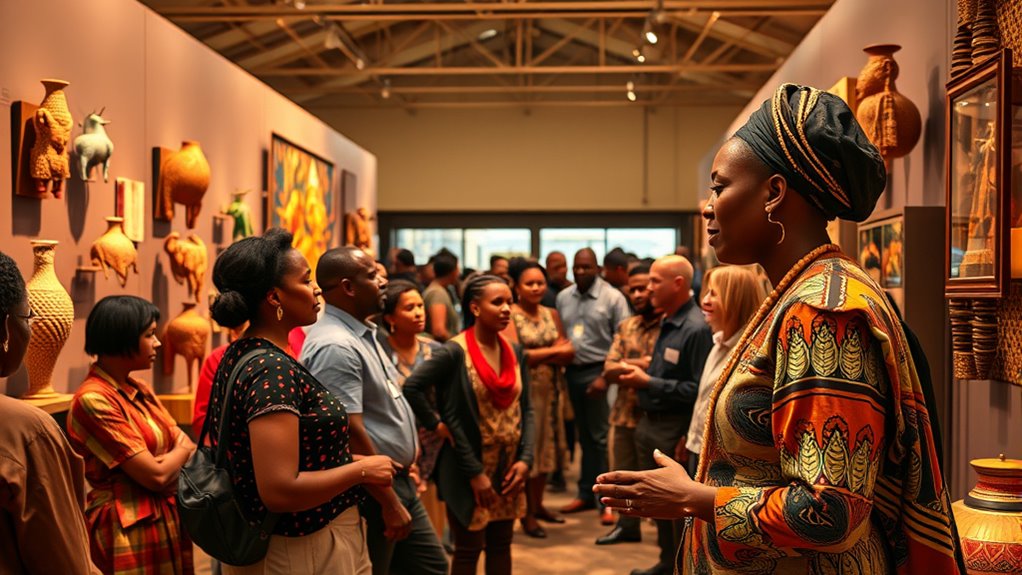
Translation plays a pivotal role in exhibitions by bridging language barriers, enabling effective communication among diverse audiences. In Kenya’s multicultural context, it guarantees that exhibits reach Swahili, English, and other language speakers, fostering inclusivity and deeper engagement. Accurate translation prevents misinterpretations, preserving the integrity of cultural artifacts and educational content. For instance, it allows visitors to grasp historical narratives or artistic intentions without distortion, enhancing overall comprehension. Additionally, it supports global participation in events like trade shows, where multilingual materials attract broader interest and promote cross-cultural dialogue. By facilitating seamless information exchange, translation boosts attendance and enriches the visitor experience, ultimately elevating the exhibition’s impact on society. This accessibility drives knowledge sharing and innovation in an interconnected world.
Overview of Translation Africa Services
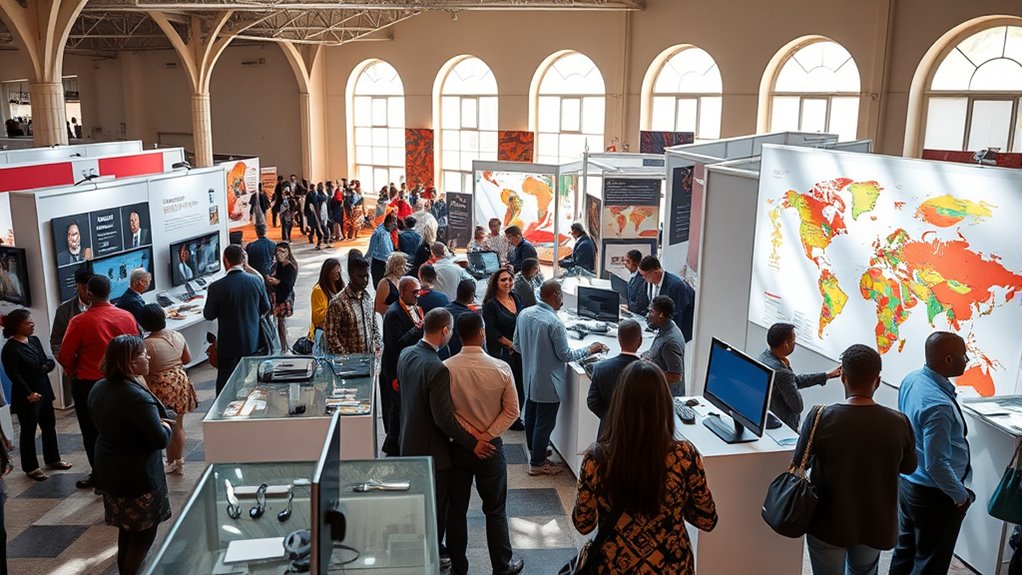
The services provided by Translation Africa focus on delivering accurate, multilingual support for exhibitions in Kenya, catering to languages such as Swahili and English to enhance accessibility and engagement. Translation Africa offers an extensive suite of solutions, including on-site interpretation, document translation, and audio-visual localization, all tailored to the dynamic needs of exhibition organizers. Their team comprises certified professionals with extensive expertise in cultural nuances, ensuring seamless communication that bridges language barriers. By prioritizing quality through rigorous quality control processes, Translation Africa helps clients maximize audience participation and foster inclusive environments. This approach not only boosts event effectiveness but also supports broader goals of cultural exchange and business growth in Kenya’s vibrant exhibition sector. Overall, their services are designed for reliability and efficiency, making them a trusted partner for multilingual events.
Key Languages for Kenyan Exhibitions
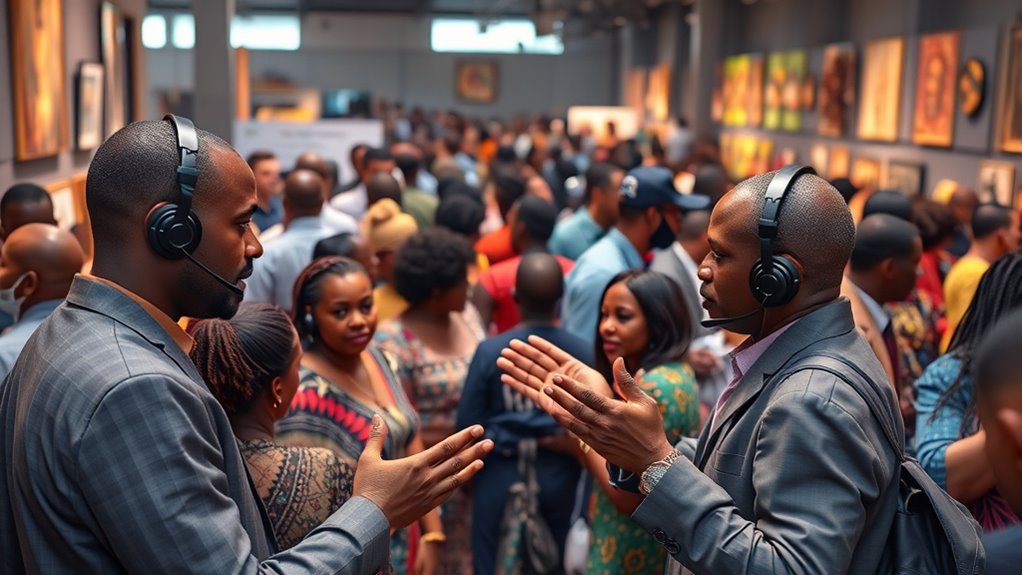
Kenyan exhibitions rely heavily on Swahili and English to reach diverse audiences, given their status as official languages. These form the backbone for communication, ensuring broad accessibility in a multilingual nation. Other key languages, such as Kikuyu, Luo, and Kalenjin, play supporting roles in regional contexts, fostering deeper local connections without overshadowing the official duo.
To highlight the primary languages and their applications, the following table provides a concise overview:
| Language | Official Status | Relevance to Exhibitions |
|---|---|---|
| Swahili | Yes | National communication, daily interactions |
| English | Yes | International events, business dealings |
| Kikuyu | No | Regional engagement in central Kenya |
| Luo | No | Local outreach in western areas |
This approach underscores the linguistic diversity essential for effective exhibition strategies in Kenya. (124 words)
Benefits of Professional Translation
Professional translation services provide key benefits for exhibitions in Kenya, including enhanced accuracy that guarantees messages are faithfully conveyed. This accuracy supports improved communication, allowing participants from various linguistic backgrounds to engage effectively. Moreover, these services expand a broader reach, attracting a wider audience and increasing event impact.
Enhanced Accuracy
Accuracy in translation services stands as a cornerstone benefit, guaranteeing that nuanced content for exhibitions in Kenya is conveyed without distortion. Professional translators leverage specialized expertise in linguistic precision, adeptly handling complex terminology and cultural subtleties that amateur efforts often overlook. For exhibitions showcasing Kenyan heritage, accurate translations maintain the integrity of historical narratives and artistic descriptions, preventing subtle shifts in meaning that could compromise authenticity. Through rigorous quality assurance processes, such as double-blind reviews and context-specific adaptations, services like Translation Africa eliminate errors in technical or idiomatic elements. This focus on accuracy safeguards the core message, allowing exhibitions to present information reliably and uphold their educational purpose. Ultimately, it guarantees that every translated element aligns faithfully with the original intent, preserving the exhibition’s overall value.
Improved Communication
Effective translation bridges language barriers, enabling seamless communication in exhibitions. In Kenya’s diverse cultural landscape, professional translation services guarantee that exhibitors convey ideas clearly to multilingual audiences, fostering meaningful interactions. This precision prevents misinterpretations that could disrupt engagements, allowing participants to exchange information effortlessly. For instance, accurate real-time translations during presentations help speakers connect with attendees, enhancing dialogue and collaboration. By prioritizing linguistic accuracy, these services promote active participation, where visitors feel included and valued. Ultimately, improved communication strengthens relationships, making exhibitions more interactive and productive, as messages are delivered with clarity and intent. This benefit underscores the role of expert translators in creating a cohesive environment for knowledge sharing.
Broader Reach
Beyond facilitating clear exchanges, translation services expand the reach of exhibitions in Kenya by making content accessible to diverse linguistic groups. This inclusivity draws in international visitors, fostering cultural exchange and boosting tourism. For instance, translated materials enable non-Swahili or English speakers to engage fully, turning local events into global platforms. Professional translators from services like Translation Africa guarantee accuracy, preventing misinterpretations that could alienate audiences. Consequently, exhibitions gain broader appeal, attracting sponsors and participants from varied backgrounds. This enhanced visibility not only elevates event prestige but also supports economic growth by connecting Kenyan creators with worldwide markets. Ultimately, such services bridge linguistic divides, amplifying the impact of exhibitions on education, art, and innovation across Africa.
Preparing Content for Multilingual Events
Effective preparation of content for multilingual events in Kenya involves translating event materials to guarantee accessibility for diverse attendees. Adaptation of these materials to suit specific cultural and linguistic audiences enhances engagement and comprehension. This approach supports the overall success of exhibitions by addressing potential communication barriers.
Translate Event Materials
Translating event materials plays an essential role in preparing content for multilingual exhibitions in Kenya, ensuring that information reaches diverse audiences accurately and inclusively. This process involves converting brochures, signage, catalogs, and presentations into relevant languages, such as Swahili, English, and local dialects, to foster better communication. Professional translators from services like Translation Africa employ expertise in cultural nuances and terminology specific to exhibitions, minimizing errors that could distort meaning. By prioritizing high-quality translations, organizers enhance attendee engagement and trust, as materials resonate more effectively. This approach supports Kenya’s vibrant exhibition scene, where linguistic diversity drives success. Ultimately, precise translation bridges gaps, promoting equitable access and enriching the overall event experience for all participants.
Adapt for Audiences
Adapting content for audiences in multilingual events requires organizers to tailor materials beyond mere translation, incorporating cultural contexts and accessibility features to resonate with diverse groups. In Kenya’s exhibitions, this means researching local nuances, such as Swahili proverbs or tribal symbols, to prevent cultural faux pas and enhance relevance. For instance, visuals and narratives should reflect regional diversity, avoiding stereotypes that could alienate attendees. Accessibility is equally essential; incorporating subtitles, braille signage, and audio guides guarantees participation from people with disabilities. Translation Africa specializes in these adaptations, using expert linguists to refine content for maximum impact. Ultimately, such strategies boost engagement, foster inclusivity, and elevate the event’s success in a globalized setting. By prioritizing these elements, organizers create memorable, equitable experiences that bridge linguistic divides.
Case Studies in Exhibition Translation
Several case studies in exhibition translation demonstrate practical applications within Kenya’s cultural sector. For instance, at the National Museums of Kenya, translators adapted Swahili and English descriptions for a Maasai heritage exhibit, enabling broader audience engagement and preserving cultural nuances. This initiative increased visitor numbers by fostering inclusivity among diverse linguistic groups.
In another example, during the Nairobi International Art Festival, professionals translated artist statements and labels into multiple local languages, enhancing accessibility for rural attendees. These efforts revealed challenges like maintaining idiomatic accuracy but underscored translation’s role in bridging cultural divides.
Technology Integration for Translations
The integration of technology has transformed translation services for exhibitions in Kenya, enabling efficient and accurate language conversion. Advanced tools like AI-powered machine translation and computer-assisted translation (CAT) software streamline processes, allowing interpreters to handle multilingual content with precision. For instance, real-time translation apps facilitate live event interactions, ensuring seamless communication across diverse audiences. Integration with digital platforms supports the rapid adaptation of exhibition materials, such as brochures and presentations, into multiple languages. This technological adoption enhances accessibility, fostering greater engagement at cultural and business events. Furthermore, neural machine learning algorithms continually improve accuracy by learning from context-specific data, reducing errors in specialized terminology. As a result, exhibitions in Kenya benefit from faster turnaround times and higher-quality outputs, promoting inclusivity in global exchanges.
Cost Factors in Translation Services
Cost factors greatly influence the pricing of translation services for exhibitions in Kenya, encompassing elements such as language pair complexity, project volume, and the expertise required. For instance, rarer languages demand higher rates due to limited availability of skilled translators, while larger projects may benefit from economies of scale, reducing overall costs. Expertise in exhibition-specific terminology, like cultural or technical content, often escalates expenses. Additionally, factors like urgency and quality checks play key roles in final pricing.
To highlight how these elements affect costs, the table below outlines primary influences:
| Cost Factor | Impact on Pricing |
|---|---|
| Language Pair | Higher for rare languages |
| Project Volume | Lower per unit for larger |
| Expertise Required | Increases with specialization |
| Urgency | Additional fees for rush jobs |
| Quality Assurance | Extra costs for editing |
Understanding these dynamics helps organizers budget effectively for seamless multilingual events.
Selecting a Translation Provider
When selecting a translation provider for exhibitions in Kenya, expertise emerges as a key factor to evaluate. Providers with strong language and cultural knowledge can enhance the quality of services delivered. Pricing factors, such as cost transparency and value for money, further influence the decision-making process.
Provider Expertise
Selecting a translation provider hinges on evaluating their expertise to guarantee seamless communication at exhibitions in Kenya. Expertise guarantees accurate interpretation of languages and cultural nuances, fostering meaningful interactions and avoiding misunderstandings that could derail events. Providers with proven track records deliver polished services, enhancing attendee engagement and overall success.
- Ignite confidence: Experience the thrill of knowing your provider’s deep linguistic mastery prevents any communication barriers, empowering your exhibition to shine brightly.
- Evoke trust: Feel the profound relief from working with certified experts who navigate Kenya’s diverse cultures, turning potential challenges into harmonious connections.
- Inspire connection: Discover the emotional joy of witnessing seamless translations that bridge divides, creating lasting impacts and unforgettable experiences for all participants.
Pricing Factors
While provider expertise guarantees effective communication, pricing factors greatly influence the selection of a translation service for exhibitions in Kenya. Several key elements shape costs, including the volume of content, where larger projects may offer economies of scale through discounted rates. Language pair complexity is vital; common pairs like English to Swahili are typically more affordable than rarer ones requiring specialized translators. Urgency also drives pricing, with rush fees applied for tight exhibition deadlines to guarantee timely delivery. Additional services, such as cultural adaptation or on-site interpretation, can increase expenses, so clients must weigh these against their budget. In Kenya’s market, transparent pricing from providers like Translation Africa allows organizers to compare options effectively, balancing affordability with quality to avoid costly errors. Ultimately, selecting based on value guarantees seamless multilingual events without overspending.
Cultural Considerations in Exhibitions
Cultural sensitivity greatly influences the success of exhibitions in Kenya, where diverse ethnic traditions and languages demand thoughtful integration to guarantee effective communication and audience engagement. In Kenya’s multicultural landscape, exhibitions must navigate nuances like idiomatic expressions and taboos to foster genuine connections. This involves adapting translations to reflect local values, ensuring content resonates deeply and avoids misrepresentation.
To evoke emotion in audiences, consider these approaches:
- Honoring ancestral stories: By accurately translating folklore, exhibitions can stir pride and nostalgia, bridging generations and preserving cultural heritage.
- Empathizing with diversity: Sensitive language choices prevent alienation, evoking empathy and inclusivity among varied ethnic groups.
- Inspiring unity through shared narratives: Thoughtful integration of multilingual elements can ignite a sense of collective identity, fostering hope and solidarity in Kenya’s vibrant communities.
Emerging Trends in Event Translation
The event translation industry is rapidly evolving, with innovations such as AI-driven real-time tools and hybrid digital platforms gaining prominence to enhance accessibility and accuracy in multilingual settings. In Kenya’s exhibition sector, mobile translation apps are increasingly integrated, allowing seamless language switching for diverse audiences. Virtual reality (VR) adaptations enable immersive, translated experiences, bridging cultural gaps without physical barriers. Additionally, cloud-based collaboration tools facilitate faster content localization, ensuring exhibits remain relevant and inclusive. Sustainability trends are emerging, with eco-friendly digital solutions reducing paper-based translations. Experts note a shift towards user-centric designs, prioritizing intuitive interfaces for non-experts. Overall, these advancements are streamlining operations, fostering global participation, and setting new standards for efficiency in event management across Africa.
Client Success Stories
How have clients in Kenya’s exhibition sector transformed their events through effective translation services? Through Translation Africa’s expertise, exhibitors have overcome language barriers, creating inclusive platforms that boost engagement and cultural exchange. These real-world successes highlight how precise translations elevate events from mere displays to impactful experiences.
- A Nairobi trade fair organizer witnessed attendees from diverse backgrounds connect emotionally, fostering a profound sense of belonging and shared excitement that transformed the event into a unifying celebration.
- An art exhibition client broke through isolation, enabling stories to resonate across languages, evoking tears of joy and deeper appreciation among participants who felt truly seen and valued.
- A tech expo participant achieved breakthrough partnerships, igniting hope and inspiration as translated materials sparked innovative ideas, leaving stakeholders motivated and emotionally empowered.
Practical Tips for Multilingual Displays
Exhibitors in Kenya’s exhibition sector can enhance audience engagement by applying practical tips for multilingual displays, guaranteeing content accessibility across languages. Key strategies involve hiring certified translators for accuracy, using adaptable fonts for readability, incorporating cultural nuances to avoid misinterpretations, and leveraging digital tools like QR codes for on-the-spot translations. These approaches foster inclusivity and broaden reach.
| Practical Tip | Key Benefit |
|---|---|
| Hire certified translators | Guarantees precise, culturally sensitive content |
| Use multilingual fonts | Improves readability and visual appeal |
| Adapt content culturally | Prevents misunderstandings and boosts relevance |
| Implement digital aids | Enables real-time access, enhancing interactivity |
Frequently Asked Questions
How Long Does Translation Typically Take?
The question of how long translation typically takes depends on factors like text length, language complexity, and urgency. Simple documents may be completed in hours, while complex projects could take days or weeks, varying by expertise and resources.
Can I Request Revisions After Delivery?
Requesting revisions after delivery is a common practice in translation services. Clients may submit such requests within a specified timeframe, typically 7 to 14 days, to address errors or improve accuracy. Providers generally accommodate these to guarantee quality and satisfaction.
How Do You Protect Client Confidentiality?
The question of how client confidentiality is protected involves implementing encrypted data storage, enforcing non-disclosure agreements, complying with global privacy laws like GDPR, and conducting regular security audits to safeguard sensitive information effectively.
What Qualifications Do Translators Have?
Translators typically possess a bachelor’s degree in languages, translation, or linguistics, along with fluency in multiple languages and relevant certifications from bodies like the ATA. Experience in specialized fields, cultural knowledge, and ongoing training guarantee high-quality work.
Is Post-Event Support Available?
Post-event support is typically available for various events, encompassing services like follow-up consultations, revisions, and issue resolution. This guarantees participants receive ongoing assistance, enhancing overall satisfaction and addressing any post-event needs effectively.

