
 Elizabeth123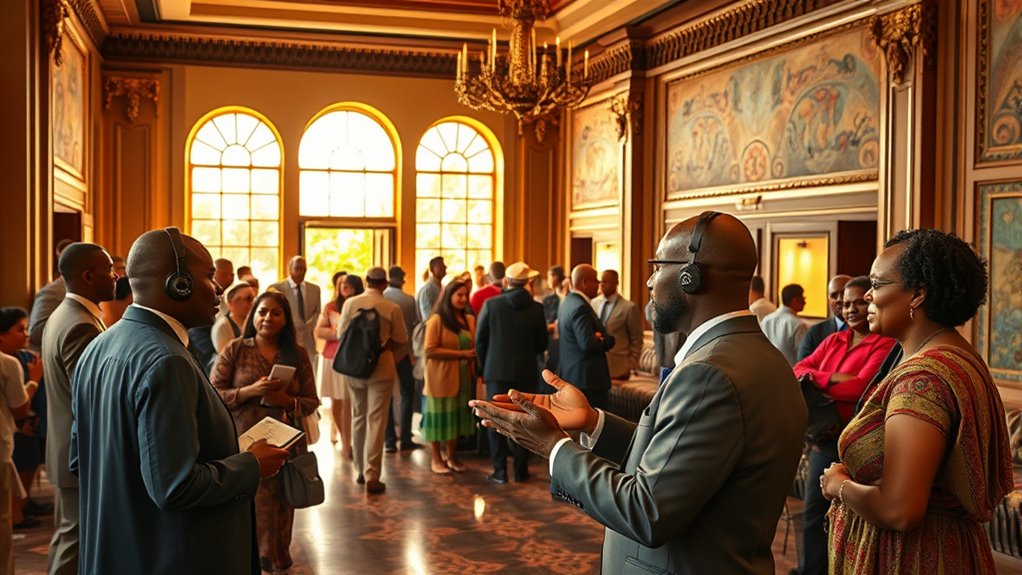
Translation services in Ethiopia’s hotels bridge language barriers, enhancing guest experiences through accurate communication in key languages like Amharic, English, and Oromo while respecting cultural norms. These services integrate AI tools and staff training to boost efficiency, foster trust, and drive revenue growth, as evidenced by successful case studies. Exploring related strategies reveals deeper insights into optimizing hospitality operations.
Quick Summaries
- Translation services in Ethiopian hotels improve guest experiences by bridging language barriers and promoting cultural sensitivity.
- Key languages for hotel translations include Amharic for urban areas, Oromo for the south and east, and English for international tourists.
- AI tools like Google Translate API enable real-time language conversion during check-ins and inquiries in Ethiopian hotels.
- Integrating translation services with hotel management systems enhances efficiency while minimizing costs through freelance and open-source options.
- Successful implementations, such as Sheraton Addis Ababa’s 25% booking increase, highlight the value of multilingual support for tourism growth.
Benefits of Translation Services in Ethiopian Hotels

In an increasingly globalized tourism industry, translation services enable Ethiopian hotels to bridge language barriers, enhancing guest experiences and fostering inclusivity. These services streamline communication, allowing staff to convey essential information accurately and efficiently, which reduces misunderstandings and boosts overall satisfaction. For instance, guests can navigate services like booking adjustments or local tours without frustration, leading to positive word-of-mouth and repeat visits. Furthermore, by promoting cultural understanding, translation tools help hotels build trust and loyalty among international travelers, differentiating them in a competitive market. This inclusivity not only improves operational efficiency but also contributes to Ethiopia’s tourism revenue growth. Ultimately, such services empower hotels to create memorable stays, encouraging broader global engagement and economic benefits.
Essential Languages for Hotel Guests in Ethiopia
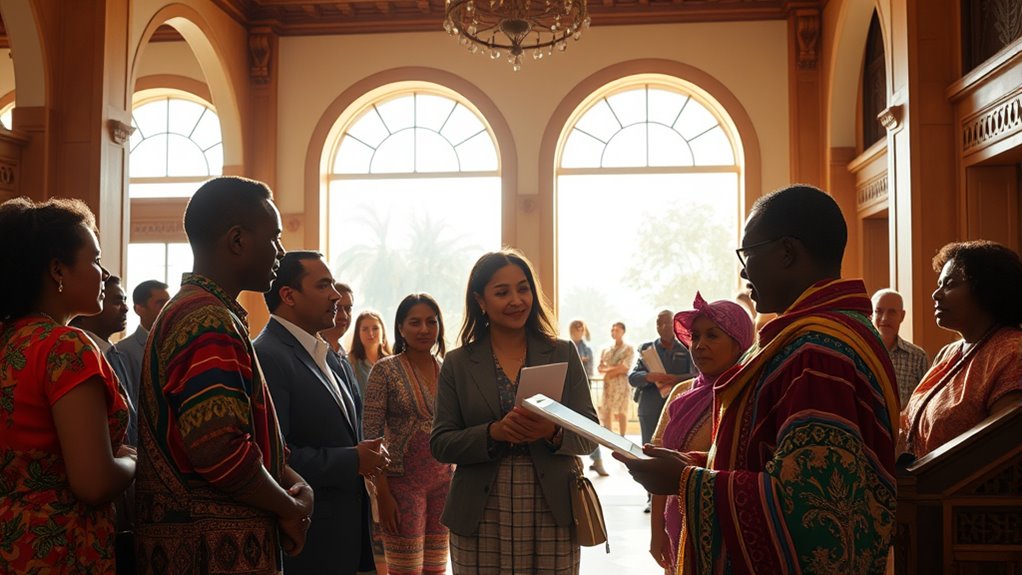
Ethiopian hotels cater to a diverse array of international guests, making proficiency in key languages essential for seamless communication. English stands out as the most critical, serving as a global bridge for tourists from Europe, North America, and Asia, enabling check-ins, inquiries, and service requests. Amharic, the official national language, is indispensable for interactions with local staff and understanding cultural nuances in urban centers like Addis Ababa. In regional areas, Oromo dominates in the south and east, supporting guests visiting sites such as the Omo Valley, while Tigrinya is key in the north for those exploring historical sites in Tigray. Somali aids communication in the eastern border regions, ensuring inclusivity for visitors from neighboring countries. Arabic proves useful for guests from the Middle East, given Ethiopia’s trade links. Collectively, these languages enhance accessibility, fostering efficient and respectful exchanges without barriers.
Enhancing Guest Experiences With Professional Translations

Professional translations greatly enhance guest experiences in Ethiopian hotels by bridging language gaps, ensuring accurate communication during check-ins, service requests, and cultural exchanges. This approach fosters trust and inclusivity, allowing guests to navigate their stay with ease and confidence. By prioritizing precise language services, hotels can create memorable interactions that resonate culturally, boosting satisfaction and encouraging positive word-of-mouth.
- Facilitates seamless check-ins and inquiries, minimizing delays and frustrations for non-local speakers.
- Supports cultural exchanges, enabling deeper connections and appreciation of Ethiopia’s heritage.
- Ensures safety through clear emergency instructions, protecting guests in critical situations.
- Boosts guest loyalty, as personalized communication leads to higher satisfaction and repeat visits.
Integrating Translation Into Hotel Management Systems
Integrating translation tools into hotel management systems enhances operational efficiency by supporting multilingual interactions. This integration streamlines processes by incorporating real-time language conversion into key functions, such as booking platforms and guest communication channels. For example, systems can automatically translate emails, chat messages, and reservation details, reducing delays and errors. By linking translation APIs with property management software, hotels achieve seamless handling of multilingual data, including check-in procedures and internal reports. This setup enables staff to access translated guest information instantly, fostering better coordination and personalized service. Additionally, it supports the adaptation of operational documents, like policies and training materials, into various languages, minimizing miscommunications. Overall, such enhancements boost productivity, guarantee regulatory compliance, and improve service quality without increasing workload, positioning Ethiopian hotels for greater global appeal.
Case Studies of Translation Success in Ethiopia
Several hotels in Ethiopia have demonstrated the practical benefits of translation services through successful implementations. In Addis Ababa, for example, luxury hotels integrated multilingual support to bridge communication gaps, leading to improved guest interactions and higher satisfaction. These case studies highlight tangible outcomes in diverse settings.
- The Sheraton Addis: Achieved a 25% increase in international bookings by offering real-time translations for reservations and check-ins.
- Radisson Blu in Lalibela: Enhanced cultural tours with accurate Amharic-to-English translations, resulting in positive reviews and repeat visits.
- Hilton in Axum: Used translation services for emergency communications, preventing misunderstandings and ensuring guest safety.
- Marriott in Dire Dawa: Boosted event hosting by providing on-site interpreters, which expanded their market reach and revenue.
Selecting the Best Translation Provider for Hotels
Selecting the best translation provider requires hotels to evaluate key factors such as accuracy, cultural expertise, and cost-effectiveness to guarantee seamless communication with international guests. Accuracy guarantees error-free translations, minimizing misunderstandings in critical areas like check-in processes or emergency instructions. Hotels should seek providers with certified linguists and rigorous quality checks, such as proofreading tools and peer reviews. Cultural expertise involves choosing firms with staff familiar with Ethiopia’s diverse linguistic nuances, aiding in appropriate adaptations without overstepping context. Cost-effectiveness means balancing affordable rates with reliable service, perhaps through tiered pricing or volume discounts. Ultimately, hotels must review provider portfolios, client testimonials, and industry-specific experience to select a partner that enhances guest satisfaction and operational efficiency. This strategic choice supports a competitive edge in Ethiopia’s hospitality sector.
Cultural Considerations in Hotel Translations
When translating for hotels in Ethiopia, cultural considerations guarantee that communications resonate with local audiences. Language cultural nuances, such as idioms and expressions, must be handled carefully to prevent misinterpretations. Etiquette in translations and symbolic adaptation strategies also play key roles in respecting traditions and adapting content effectively.
Language Cultural Nuances
Cultural nuances in translations for hotels in Ethiopia demand careful attention to guarantee effective communication. Ethiopia’s rich linguistic diversity, including Amharic, Oromo, and Tigrinya, requires translators to navigate idioms, metaphors, and contextual meanings that vary by region. Misinterpreting these elements can lead to misunderstandings, affecting guest satisfaction and hotel reputation. By prioritizing cultural accuracy, hotels can foster genuine connections with visitors.
- Idiomatic expressions: Translate local proverbs accurately to convey intended warmth and hospitality without losing essence.
- Regional dialects: Adapt vocabulary to specific areas, ensuring phrases resonate with guests from diverse Ethiopian communities.
- Cultural metaphors: Interpret symbols like coffee ceremonies in translations to maintain their symbolic significance.
- Historical references: Incorporate context from Ethiopia’s heritage to avoid alienating guests through anachronistic language.
Etiquette in Translations
Proper etiquette in translations for Ethiopian hotels demands sensitivity to cultural norms, ensuring interactions remain respectful and aligned with local customs. Translators must navigate Ethiopia’s diverse ethnic groups, such as the Amhara and Oromo, by avoiding direct confrontations in language that could offend. For instance, phrases should honor hierarchical respect, like using titles for elders or authority figures, to foster positive guest relations. In hotel settings, translations should steer clear of taboo topics, such as religion or politics, to prevent misunderstandings. Accurate conveyance of greetings, like “Selam” for hello, maintains authenticity and warmth. This approach not only enhances communication but also builds trust, ultimately improving guest satisfaction and cultural exchange. By prioritizing these elements, hotels can create inclusive environments that celebrate Ethiopia’s rich heritage without unintended slights.
Symbolic Adaptation Strategies
Symbolic adaptation strategies in hotel translations for Ethiopia involve modifying language to align with cultural symbols, such as integrating traditional motifs or metaphors from diverse ethnic groups like the Amhara and Oromo. This approach guarantees translations resonate deeply with local customs, enhancing guest engagement and cultural authenticity. By incorporating Ethiopia’s rich symbolism, hotels can bridge communication gaps and promote inclusive experiences in a multicultural setting.
- Incorporate Amharic proverbs to express hospitality, making welcome messages feel warm and familiar to guests from the Amhara region.
- Utilize traditional symbols like the Ethiopian cross in descriptions, evoking cultural pride and strengthening brand identity.
- Adapt metaphors to local folklore, such as Oromo agricultural references, to make service explanations more relatable and vivid.
- Employ color symbolism, like red for energy or green for fertility, to enhance promotional content and create emotionally resonant narratives.
Technological Tools for Hotel Translation Services
Advancements in technology have revolutionized translation services in Ethiopian hotels, enabling efficient communication with international guests. Machine learning algorithms and AI-powered tools, such as real-time translation apps and voice recognition software, now facilitate seamless language conversion in diverse settings like check-ins and guest services. These innovations enhance accuracy and speed, allowing hotels to handle multiple languages without human interpreters. For instance, integrated systems can translate menus, signage, and queries instantly, improving guest satisfaction.
Ethiopian hotels increasingly adopt tools like Google Translate API and specialized platforms for better accessibility.
| Technology Tool | Key Advantages |
|---|---|
| AI Translation Apps | Real-time accuracy and speed |
| Voice Recognition | Hands-free, intuitive use |
| Integrated Hotel Apps | Customizable, system-wide integration |
Cost-Effective Strategies for Hotel Translations
Implementing cost-effective strategies allows Ethiopian hotels to deliver reliable translation services while minimizing expenses. These approaches focus on optimizing resources and leveraging partnerships to maintain high-quality multilingual support without straining budgets. By prioritizing efficiency, hotels can enhance guest experiences and competitiveness in Ethiopia’s tourism sector.
- Utilize freelance translators: Partner with independent professionals for on-demand services, reducing the need for full-time hires and lowering overhead costs.
- Leverage open-source tools: Employ free translation software and apps to handle routine tasks, ensuring accuracy while cutting software expenses.
- Bundle translation services: Negotiate bulk deals with agencies for multiple languages, achieving economies of scale and discounted rates.
- Prioritize high-traffic content: Translate only essential materials, such as websites and menus, to allocate resources where they yield the greatest return on investment.
(Word count: 124)
Training Hotel Staff for Multilingual Environments
Training hotel staff for multilingual environments is essential for hotels in Ethiopia to enhance guest experiences. Language training techniques such as interactive workshops and on-the-job practice help staff communicate effectively in various languages. Cultural adaptation strategies emphasize learning guest customs and etiquette to foster inclusive and respectful interactions.
Language Training Techniques
Effective language training equips hotel staff in Ethiopia with the skills needed to navigate multilingual guest interactions. These techniques focus on practical, targeted methods to build proficiency in key languages like Amharic, Oromo, and English, ensuring seamless communication during check-ins, inquiries, and services. By emphasizing real-world application, training programs help staff overcome language barriers, boosting operational efficiency and guest experiences.
- Interactive Workshops: Engage staff in hands-on sessions with native speakers to practice conversational phrases relevant to hospitality.
- Digital Tools: Utilize language apps and online platforms for self-paced learning, including vocabulary drills tailored to hotel scenarios.
- Role-Playing Exercises: Simulate guest interactions to develop quick, accurate responses in multiple languages.
- Customized Modules: Offer personalized training based on staff roles, such as front desk or concierge, to address specific communication needs.
Cultural Adaptation Strategies
Cultural adaptation strategies enable hotel staff in Ethiopia to navigate multilingual environments by promoting awareness of diverse cultural norms, thereby enhancing communication and guest relations beyond mere language proficiency. Effective training programs often include interactive workshops that cover etiquette variations across cultures, such as greetings, dining customs, and personal space preferences. For instance, staff learn to recognize the importance of respect in Ethiopian traditions while accommodating international guests from Europe, Asia, or the Americas. Role-playing exercises simulate real-world scenarios, helping employees respond sensitively to cultural differences, like dietary restrictions or religious practices. This holistic approach fosters inclusivity, reduces misunderstandings, and boosts guest satisfaction ratings. Ultimately, hotels in Ethiopia that prioritize these strategies gain a competitive edge in the global tourism market, ensuring seamless experiences for diverse visitors.
Marketing Strategies Using Translated Content
Hotels in Ethiopia can enhance their marketing reach by incorporating translated content, which tailors promotional materials to diverse linguistic audiences and fosters greater engagement. This approach allows hotels to connect with tourists from various regions, boosting brand visibility and customer loyalty through culturally resonant messaging. By leveraging professional translation services, establishments can guarantee accuracy and appeal in their campaigns, ultimately driving higher conversion rates.
- Localize website content: Translate hotel websites into key languages like Amharic, English, and French to improve SEO and user experience for international visitors.
- Enhance social media outreach: Post multilingual content on platforms like Facebook and Instagram to engage diverse followers and increase shares.
- Develop translated marketing materials: Create brochures, flyers, and ads in multiple languages for targeted distribution at travel expos or local events.
- Optimize email campaigns: Send personalized, translated newsletters to subscribers, segmenting audiences by language for better open and click-through rates.
Future Developments in Translation for Hospitality
The hospitality sector in Ethiopia is poised for advancements in translation technologies, with AI innovations promising to enhance real-time language accuracy for hotel interactions. These developments will evolve language tech to better handle diverse dialects and cultural nuances, improving guest experiences. As a result, hotels can expect more efficient and cost-effective translation solutions in the near future.
AI Translation Innovations
As artificial intelligence evolves, translation innovations promise to enhance hospitality experiences by delivering real-time, accurate language conversions tailored for hotel operations in diverse settings like Ethiopia. These advancements integrate AI-driven tools to bridge communication gaps, enabling seamless interactions for international guests. By leveraging machine learning, hotels can achieve personalized, context-aware translations that adapt to cultural nuances.
- Real-time voice translation: AI systems convert spoken languages instantly during check-ins, improving efficiency.
- Customized interfaces: Hotel apps use AI to provide on-demand text translations in local Ethiopian languages like Amharic.
- Error minimization: Advanced algorithms reduce inaccuracies, ensuring reliable communication in high-stakes scenarios.
- Data-driven improvements: AI analyzes guest interactions to refine translations, boosting satisfaction and loyalty.
Language Tech Evolution
Emerging advancements in language technology are poised to transform hospitality translation, building on current AI capabilities to address evolving global needs in regions like Ethiopia. Neural machine translation systems are evolving with enhanced contextual understanding, enabling seamless real-time interactions for hotel staff and guests. Future developments may integrate augmented reality (AR) for instant visual translations, such as menus or signage in local languages like Amharic. Voice recognition advancements will support multilingual conversations, reducing barriers in diverse tourist settings. In Ethiopia, this could boost tourism by personalizing experiences, with predictive analytics anticipating language needs. Ethical AI improvements, including bias reduction, will guarantee accurate, culturally sensitive translations. Overall, these innovations promise more efficient, inclusive hospitality services, fostering global connectivity and economic growth.
Frequently Asked Questions
What Is the Average Turnaround Time for Translations?
The query seeks the average turnaround time for translations, which varies by factors like document length, language pair, and urgency. Typically, standard projects take 1-3 business days, though expedited services may reduce this to hours.
Do You Offer On-Site Interpreters for Hotels?
The inquiry concerns whether on-site interpreters are offered for hotels. Such services are indeed provided, with professional interpreters available on location to facilitate real-time communication, enhance guest interactions, and guarantee cultural accuracy in multilingual environments.
How Are Translation Errors Handled?
Translation errors are addressed by employing skilled proofreaders who conduct thorough reviews. Any identified mistakes are promptly corrected, and the process includes client consultations to guarantee satisfaction and accuracy in all deliverables.
Can Translations Be Customized for Specific Hotel Needs?
Translations can be customized for specific hotel needs, allowing experts to tailor content to regional dialects, cultural nuances, and operational requirements. This adaptation guarantees accurate communication, enhances guest experiences, and meets unique industry demands effectively.
What Payment Options Are Available for Services?
The question of available payment options for services is straightforward. Options typically include credit cards, bank transfers, PayPal, and direct debit. Some providers also offer installment plans, wire transfers, or customized invoicing for flexibility and convenience.