
 Elizabeth123
Website localization for African hospitality adapts websites to cultural, linguistic, and regional preferences, enhancing user engagement and accessibility across diverse markets. This process incorporates native translators, local idioms, and traditions to guarantee relevance, while optimizing for mobile devices and unreliable internet. Key strategies include content testing with locals and seamless multilingual support, driving higher conversion rates and loyalty. The outlined subtopics ahead reveal deeper strategies for effective implementation and impact assessment.
Quick Summaries
- Website localization adapts African hospitality sites to cultural and linguistic preferences, enhancing user engagement.
- Hire native translators for accurate adaptations of text, idioms, and phrases in African contexts.
- Incorporate local symbols, colors, and imagery to align with African traditions and boost relatability.
- Optimize for mobile-first access and fast loading to accommodate unreliable internet in African markets.
- Measure ROI through metrics like conversion rates and user feedback to evaluate localization effectiveness.
Understanding Website Localization in African Hospitality
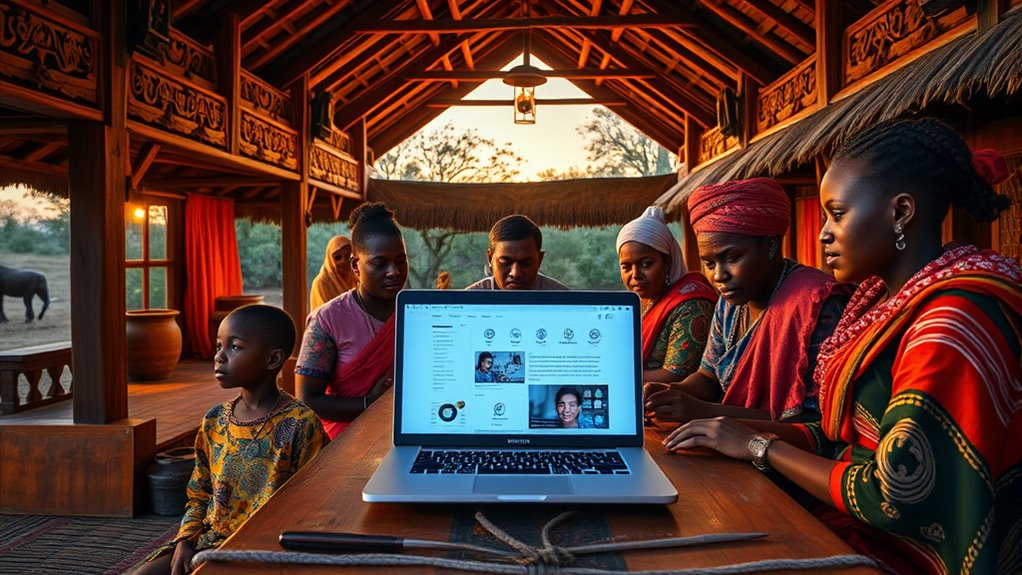
Website localization in African hospitality adapts websites to align with diverse cultural, linguistic, and regional preferences, enhancing user engagement and accessibility. This process involves tailoring digital interfaces to resonate with users across Africa’s varied markets, ensuring content is relevant and intuitive. For instance, it adjusts navigation, imagery, and functionality to suit local contexts, fostering trust and inclusivity. In the hospitality sector, effective localization boosts conversion rates by making sites more relatable, such as adapting payment options to regional norms. It also streamlines user flows, reducing bounce rates and improving overall satisfaction. By prioritizing these adaptations, businesses can expand their reach, compete globally, and deliver personalized experiences that drive loyalty and revenue growth in Africa’s dynamic tourism landscape.
Key Cultural and Linguistic Considerations

Cultural and linguistic factors profoundly shape effective website localization in African hospitality, requiring careful adaptation to diverse traditions and languages. Africa’s vast cultural mosaic includes over 2,000 languages and numerous ethnic groups, each with unique customs and values. For instance, color symbolism varies; red might represent danger in one culture and celebration in another. Websites must incorporate local dialects, idiomatic expressions, and cultural references to engage users effectively, avoiding generalizations that could alienate audiences. This adaptation enhances user experience, builds brand loyalty, and respects regional nuances in the hospitality sector.
- Language Diversity: Account for multiple dialects and regional variations to guarantee inclusivity across countries.
- Cultural Symbolism: Integrate symbols, colors, and imagery that align with local beliefs and traditions without causing offense.
- Communication Norms: Adapt text to reflect regional greeting styles, idioms, and social etiquette for better resonance.
- Ethnic Sensitivity: Consider taboos, family structures, and community values to foster a welcoming online presence.
Strategies for Effective Translation and Adaptation
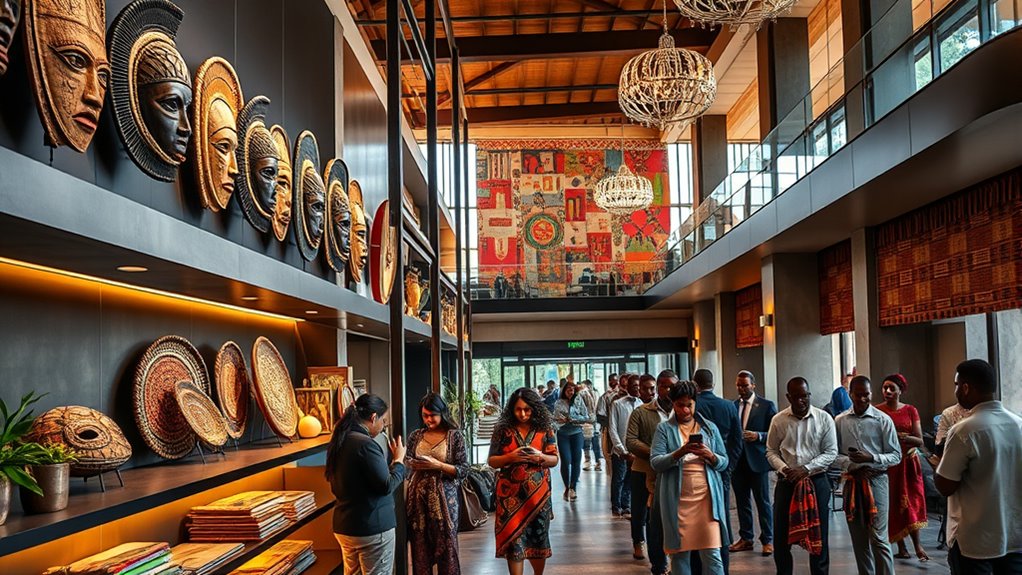
Effective translation and adaptation form the cornerstone of successful website localization in African hospitality, where strategies must address linguistic nuances and cultural contexts to resonate with diverse audiences.
In African hospitality, effective strategies involve hiring native linguists for accurate interpretations, adapting content to incorporate local idioms and traditions, and conducting audience testing for relevance. These approaches guarantee content feels authentic, fostering trust and engagement. For example, translating promotional language to align with regional storytelling methods can enhance appeal. Additionally, prioritizing cultural sensitivity over literal translations prevents alienation.
To illustrate key strategies, consider the table below:
| Strategy | Example in African Context |
|---|---|
| Hire native translators | Use Yoruba speakers for Nigerian sites |
| Adapt idioms and phrases | Replace Western expressions with Swahili proverbs |
| Incorporate cultural references | Include references to local festivals in descriptions |
| Test with local users | Gather feedback from diverse African demographics |
| Balance global and local | Maintain brand voice while adding regional flavors |
Technical Implementation for African Markets
While translation strategies address content, technical implementation for African markets requires adapting websites to handle diverse languages, variable internet speeds, and device compatibility, ensuring seamless access for users across the continent. This process focuses on building robust, user-centric platforms that accommodate Africa’s digital diversity. Key elements include responsive design for varying devices, efficient coding to minimize load times, and integration of local payment gateways.
- Optimize for mobile-first access: Prioritize designs that function on low-end smartphones prevalent in many African regions.
- Enhance loading efficiency: Use compression and caching to handle unreliable internet, reducing page load times substantially.
- Support multilingual interfaces: Implement dynamic language switching with Unicode for accurate rendering of African scripts.
- Ensure cross-browser compatibility: Test on popular browsers to guarantee functionality despite outdated technology.
Measuring Impact and ROI in Hospitality Websites
Measuring the impact and ROI of hospitality websites involves analyzing key metrics such as user engagement, conversion rates, and revenue growth to evaluate their effectiveness in African markets. Businesses must track these indicators using tools like Google Analytics to identify trends and optimize localization efforts. For instance, higher engagement often correlates with increased bookings, directly influencing revenue. Challenges in African contexts, such as varying internet speeds, require adaptive strategies to guarantee accurate data.
| Metric | Measurement Method | Relevance to African Markets |
|---|---|---|
| User Engagement | Time on page, bounce rate | Reflects cultural resonance |
| Conversion Rates | Booking completion ratio | Boosts local economic impact |
| Revenue Growth | Year-over-year sales data | Supports sustainable tourism |
| Customer Feedback | Surveys and reviews | Addresses regional preferences |
| Market Penetration | Unique visitor demographics | Enhances accessibility |
Frequently Asked Questions
How Much Does Website Localization Cost?
Website localization costs vary widely based on factors such as website size, number of languages, and content complexity. Estimates typically range from $500 to $10,000 per language, depending on the project’s scope, technical requirements, and provider expertise.
How Do I Choose a Reliable Translation Agency?
Choosing a reliable translation agency involves evaluating factors like expertise, certifications, and client reviews. Individuals should verify credentials, review sample translations, compare pricing, and check references to guarantee quality and dependability.
What Are Common Pitfalls in Localization?
Common pitfalls in localization include cultural misinterpretations, literal translations that ignore context, and neglecting regional dialects or customs. These errors often lead to audience alienation, legal issues, and poor user engagement. Additionally, overlooking technical adaptations like date formats can cause functionality problems, undermining effectiveness.
How Often Should Localized Content Be Updated?
The frequency of updating localized content depends on factors like market changes, user feedback, and cultural shifts. Experts recommend reviews every six to twelve months or after significant events to assure accuracy and relevance.
Can Localization Help With African SEO Strategies?
Localization can enhance African SEO strategies by adapting content to regional languages, cultural contexts, and user search behaviors. This tailoring improves search engine visibility, boosts rankings, and increases organic traffic, fostering better engagement with local audiences.