
 Elizabeth123
Website localization is essential for e-commerce success in South Africa, enabling businesses to adapt content to key languages like English, Afrikaans, and Zulu for enhanced user engagement and trust. Cultural adaptations, such as incorporating local idioms and diverse imagery, boost conversions while reflecting the nation’s rich diversity. Technical aspects, including mobile optimization and payment integrations, guarantee seamless experiences. Examining these strategies in greater depth reveals additional pathways to market dominance.
Quick Summaries
- Localizing e-commerce websites in South Africa enhances user engagement by adapting content to local languages and cultural nuances.
- Support key languages like English, Afrikaans, and Zulu to effectively reach diverse regional audiences.
- Incorporate cultural elements, such as local imagery and phrases, to build trust and boost conversion rates.
- Implement technical features like Unicode encoding and responsive design for seamless performance on mobile devices.
- Integrate diverse payment options, like mobile money and EFT, to accommodate South Africa’s economic diversity and improve sales.
Benefits of Website Localization in South Africa
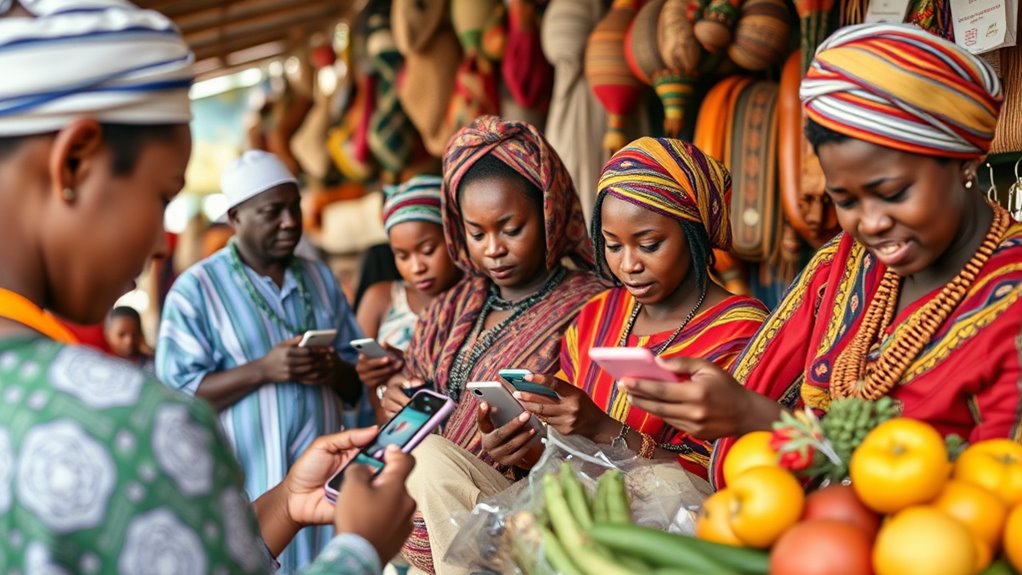
Website localization provides key advantages for e-commerce businesses operating in South Africa, enabling them to adapt content to local languages, cultural preferences, and market dynamics for enhanced user engagement and sales growth. By tailoring websites to reflect South African cultural nuances, such as idioms and traditions, businesses can build stronger customer trust and loyalty. This adaptation boosts conversion rates, as users feel more connected to personalized experiences. Additionally, localization improves search engine visibility within regional markets, driving more organic traffic. It also minimizes misunderstandings that could lead to cart abandonment, ultimately fostering long-term brand affinity. In a diverse market like South Africa, these benefits help e-commerce firms outperform competitors by creating inclusive, resonant online environments that encourage repeat visits and higher revenue. (124 words)
Key Languages for E-Commerce Markets

In South Africa, e-commerce success hinges on understanding key languages that reflect the country’s linguistic diversity. With 11 official languages, businesses must prioritize those with the highest market penetration. English remains the dominant language for online transactions, facilitating access for urban and educated consumers while serving as a lingua franca. Afrikaans holds significant sway in the Western Cape and Free State, where it is the first language for millions, enabling targeted engagement in these regions. Zulu, spoken by over 20% of the population, is essential for KwaZulu-Natal’s e-commerce growth, while Xhosa dominates in the Eastern Cape. Sesotho and Setswana also play key roles in the Free State and North West, respectively, allowing brands to connect with local audiences. By incorporating these languages into website localization, companies can expand reach, improve accessibility, and boost sales in diverse markets. This strategic focus guarantees e-commerce platforms resonate with South Africa’s multilingual users, fostering loyalty and competitiveness.
Cultural Adaptations for South African Audiences

Effective cultural adaptations play a key role in website localization for e-commerce targeting South African audiences. Cultural imagery must reflect local traditions and diversity to resonate with users. Local phrases should be integrated thoughtfully to enhance authenticity and engagement.
Cultural Imagery
Cultural imagery plays a pivotal role in website localization for e-commerce, particularly when tailoring content to South African audiences. Effective adaptation involves selecting visuals that reflect the nation’s diverse cultures, such as incorporating symbols of unity like the rainbow nation or imagery from local landscapes. This guarantees resonance and builds trust, avoiding stereotypes that could alienate users. For instance, colors like red and gold, symbolizing heritage in some communities, should replace generic Western motifs to enhance engagement.
| Aspect | Example Adaptation |
|---|---|
| Colors | Shift from blue (trust in West) to earth tones for African contexts |
| Symbols | Use proteas instead of roses |
| People Depictions | Diverse ethnic representations over homogeneous models |
| Backgrounds | Local scenes like Table Mountain rather than urban skylines |
Local Phrases
South African vernacular, including idioms and slang, requires strategic adaptation in e-commerce websites to connect with diverse audiences. For instance, phrases like “eish” for surprise or “just now” for soon help resonate with users across ethnic groups such as Zulu, Afrikaans, and Xhosa speakers. E-commerce platforms must research local dialects to avoid misunderstandings, ensuring translations capture nuanced meanings without offending cultural sensitivities. This involves collaborating with native linguists who understand regional variations, from Cape Town’s colorful slang to Johannesburg’s urban expressions. By integrating these elements into product descriptions, CTAs, and customer support, businesses build trust and engagement. Consequently, localized content boosts conversion rates, as consumers feel valued and understood in South Africa’s multicultural landscape, ultimately enhancing brand loyalty and market penetration.
Technical Aspects of Website Localization
While e-commerce websites aim to engage South African consumers, the technical aspects of localization involve adapting digital infrastructure to handle multilingual content, regional currencies, and varying internet standards. Effective localization requires implementing Unicode encoding to support languages like Zulu and Afrikaans, ensuring proper text rendering and right-to-left layouts where needed. For regional currencies, developers must integrate dynamic exchange rate APIs and secure payment gateways compatible with the South African Rand, including features for tax calculations and invoice localization. Addressing varying internet standards involves optimizing for mobile devices and low-bandwidth connections through responsive design, content delivery networks (CDNs), and lazy loading techniques. Database management systems need to be configured for efficient multilingual data storage, with automated scripts for updates. Testing protocols, including cross-browser compatibility and performance metrics, are essential to prevent errors in South Africa’s diverse digital environment.
E-Commerce Strategies for Local Markets
E-commerce strategies for local markets in South Africa require adapting websites to specific consumer preferences and behaviors. Integrating diverse payment options, such as mobile money and local bank transfers, enhances accessibility and trust. Cultural strategy implementation further guarantees content resonates with South African audiences through relevant language and imagery.
Local Market Adaptation
Local market adaptation requires tailoring e-commerce strategies to align with the unique cultural, economic, and regulatory factors of target regions, ensuring businesses resonate with local consumers and enhance competitiveness. In South Africa, this means adapting websites to reflect diverse cultural contexts, such as language variations and traditions, while addressing economic disparities and legal frameworks to foster trust and drive sales.
Effective adaptation involves:
- Cultural customization: Incorporating local languages, idioms, and imagery to make content relatable and engaging for South African audiences.
- Economic alignment: Adjusting pricing strategies to suit varying income levels and consumer spending habits in different regions.
- Regulatory compliance: Ensuring adherence to South African laws on advertising and data privacy to avoid legal pitfalls.
- Consumer engagement: Using localized SEO and social media trends to build community connections and boost online visibility.
Payment Options Integration
Integrating suitable payment options into e-commerce platforms addresses a core aspect of local market strategies in South Africa, where consumer preferences for methods like mobile money and bank transfers influence purchase decisions. Businesses must prioritize integrating systems such as EFT, SnapScan, or services from providers like PayU and Ozow to align with local habits. This approach reduces friction, as many South African consumers favor cashless transactions via apps like Capitec Pay or MTN Mobile Money, enhancing accessibility in underserved areas. Effective integration involves secure APIs and real-time processing to minimize abandonment rates, ultimately boosting conversion and customer loyalty. Additionally, offering multiple options builds trust, as users expect seamless, familiar experiences that cater to economic diversity. By focusing on these integrations, e-commerce sites can optimize for higher engagement and sales in competitive markets.
Cultural Strategy Implementation
Implementing cultural strategies is essential for e-commerce platforms aiming to thrive in diverse local markets like South Africa. These approaches foster deeper connections by respecting cultural nuances, enhancing user engagement, and boosting conversion rates in a multicultural environment.
- Research local customs: Analyze traditions and holidays to tailor promotions, ensuring relevance and avoiding cultural missteps.
- Adapt visual and textual content: Use imagery and language that reflect South African diversity, making the site more relatable and inclusive.
- Incorporate user feedback: Engage local communities through surveys to refine strategies, building trust and loyalty.
- Leverage partnerships: Collaborate with regional influencers or businesses to authentically integrate cultural elements into marketing efforts.
This targeted implementation drives sustainable growth in competitive e-commerce landscapes.
Optimizing User Experience in Localization
Optimizing user experience in localization requires tailoring e-commerce websites to South African users’ cultural preferences and linguistic needs. This involves adapting website interfaces to reflect local customs, such as incorporating vibrant colors and imagery that resonate with diverse ethnic groups like Zulu or Xhosa communities. User-friendly navigation must prioritize multilingual support, including seamless translation into languages like Afrikaans or isiZulu, ensuring intuitive search functions and clear product descriptions.
Moreover, personalized content recommendations based on regional tastes, such as promoting local brands or seasonal events, enhance engagement. Accessibility features, like voice search in native accents, cater to mobile users prevalent in South Africa. By integrating these elements, e-commerce platforms foster trust and loyalty, ultimately boosting conversion rates through a culturally attuned digital experience that feels native and inclusive.
Challenges and Solutions in South African E-Commerce
E-commerce in South Africa faces significant challenges, including unreliable internet access, payment system limitations, and cultural diversity barriers that complicate user engagement. These obstacles can impede market expansion, but effective solutions exist to foster resilience and inclusivity.
- Improve infrastructure: Businesses can partner with telecom providers to expand reliable internet in underserved areas, reducing access gaps.
- Enhance payment systems: Implementing mobile wallets and alternative methods like EFT addresses limitations, making transactions smoother for users.
- Tackle cultural diversity: Customizing website content for local languages and preferences helps overcome engagement barriers and builds trust.
- Optimize user experience: Regular testing and feedback loops guarantee intuitive interfaces, minimizing frustration from diverse user behaviors.
Partnering for Effective Localization Services
Partnering for effective localization services requires businesses to collaborate with specialized firms that understand South Africa’s linguistic and cultural nuances. These partners, such as Translation Africa, offer expertise in adapting e-commerce websites to the country’s 11 official languages, including Zulu, Xhosa, and Afrikaans, while respecting diverse traditions and consumer behaviors. This collaboration guarantees content resonates with local audiences, enhancing user engagement and trust. For instance, firms provide tailored translation, SEO optimization, and cultural sensitivity checks, minimizing errors that could alienate customers. By leveraging these services, e-commerce businesses can navigate South Africa’s multicultural market more effectively, boosting conversion rates and brand loyalty. Ultimately, strategic partnerships lead to seamless localization, driving sustainable growth in a competitive landscape.
Frequently Asked Questions
How Much Does Website Localization Cost?
The cost of website localization varies based on factors like language count, content volume, and complexity. Estimates typically range from several hundred to several thousand dollars per language, depending on service providers and project scope. Businesses must consider these variables for accurate budgeting.
What Is the Timeline for Localization Projects?
The timeline for localization projects varies based on factors like project scope, content volume, and language count. Simple endeavors typically take 1-4 weeks, while complex ones may extend to 2-3 months, depending on resources and expertise involved.
How Do I Maintain a Localized Website?
Maintaining a localized website requires regular content updates, cultural accuracy checks, and error monitoring. One must utilize translation tools, perform periodic reviews, and adapt to user feedback to maintain ongoing relevance and engagement for audiences.
Can Localization Affect SEO Rankings?
Localization can indeed affect SEO rankings by tailoring content to specific languages and regions. Search engines prioritize relevant, localized material, potentially improving visibility and traffic. However, poor implementation may hinder rankings if content quality suffers.
What Metrics Measure Localization Success?
The metrics that measure localization success include user engagement rates, conversion improvements, bounce rate reductions, and customer satisfaction scores. These indicators assess how effectively content adapts to cultural and linguistic nuances, enhancing global market performance.