
 Elizabeth123
Translation Africa provides specialized website localization services in Ethiopia, delivering accurate translations into languages like Amharic, Oromo, and Tigrinya. Their services adapt content and designs to local cultural nuances, enhancing user engagement, boosting conversion rates, and improving market visibility. By incorporating culturally relevant imagery and respecting traditions, businesses foster trust and loyalty among diverse audiences. Additional details on implementation, challenges, and trends await exploration in the outline below.
Quick Summaries
- Professional services offer website localization for Ethiopia, including translations into Amharic, Oromo, and Tigrinya.
- Tailored adaptations ensure cultural relevance by incorporating Ethiopian imagery and traditions.
- Expert linguists and advanced tools provide accurate translations and quality assurance.
- Benefits include increased user engagement, conversion rates, and search visibility in local markets.
- Successful case studies demonstrate higher retention and profitability for businesses in Ethiopia.
Benefits of Website Localization in Ethiopia
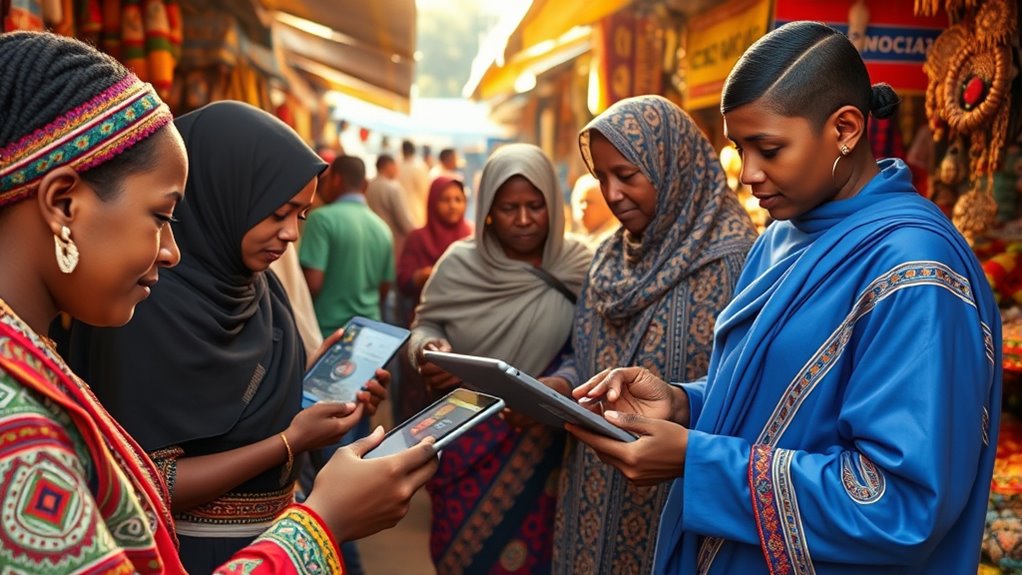
Website localization in Ethiopia provides key advantages for businesses seeking to engage local audiences more effectively. By adapting content to Amharic and other regional languages, companies can overcome language barriers, fostering greater accessibility and trust among diverse ethnic groups. This approach enhances user experience, as culturally relevant designs and imagery resonate more deeply with Ethiopian consumers, leading to higher engagement and conversion rates. Additionally, localized websites improve search engine visibility in local markets, driving organic traffic and expanding market reach. Businesses also benefit from increased brand loyalty, as tailored content demonstrates respect for local customs and preferences, ultimately boosting long-term profitability in Ethiopia’s growing digital economy. This strategic adaptation minimizes misunderstandings and maximizes competitive edge in a multilingual landscape.
Key Services Offered by Translation Africa
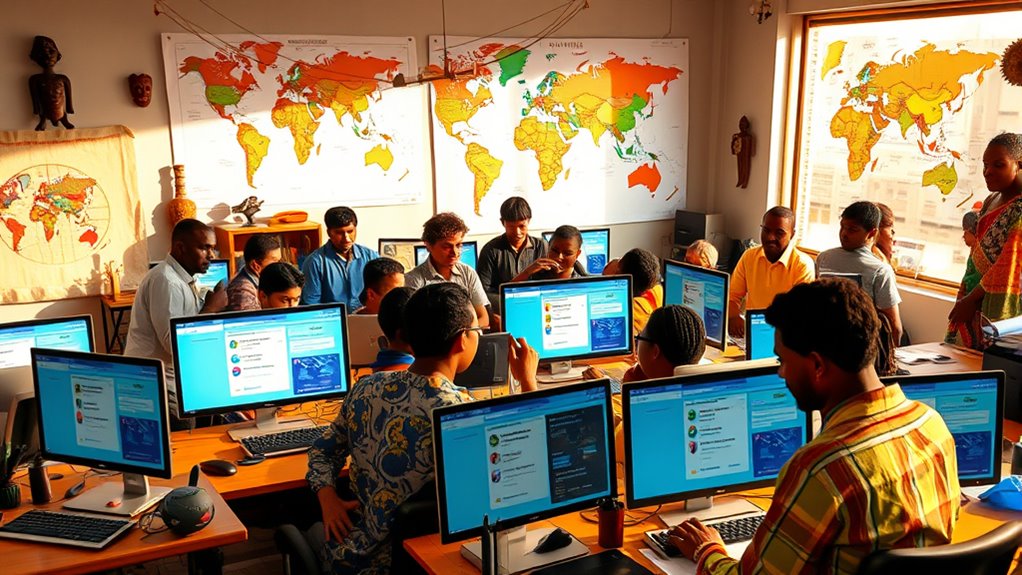
Translation Africa offers key services for website localization in Ethiopia, including language translation services to accurately convert content. Website localization options encompass adapting layouts and functionalities for regional preferences. Cultural adaptation solutions further guarantee that materials align with local customs and sensitivities.
Language Translation Services
Language translation services are a cornerstone of Translation Africa’s offerings, delivering precise and culturally attuned solutions to bridge communication gaps in Ethiopia’s diverse linguistic landscape. These services encompass a wide range of document types, including legal, business, and technical translations, tailored to the nuances of local dialects such as Amharic, Oromo, and Tigrinya. Translation Africa’s team of expert linguists guarantees accuracy through rigorous quality checks and advanced translation tools, maintaining confidentiality and timeliness. By prioritizing cultural context, the company helps clients expand reach in Ethiopia’s multilingual markets, fostering effective cross-cultural communication. This approach not only enhances understanding but also supports global business integration, making Translation Africa a reliable partner for seamless language solutions. Their commitment to excellence drives client satisfaction and long-term partnerships in an increasingly interconnected world.
Website Localization Options
Building on Ethiopia’s multilingual diversity, Translation Africa’s website localization services adapt digital platforms to resonate with local audiences, encompassing translation, cultural customization, and SEO optimization. These options include thorough content translation into major Ethiopian languages like Amharic, Oromo, and Tigrinya, ensuring linguistic accuracy and user engagement. Translation Africa employs advanced tools for seamless integration, such as content management system adaptations and multimedia localization for images and videos. SEO optimization focuses on keyword localization and meta-tag adjustments to enhance visibility in regional search engines, driving traffic from Ethiopian users. By tailoring websites to local preferences, businesses gain a competitive edge, fostering trust and accessibility in a diverse market. Overall, these services streamline global expansion efforts while maintaining precision and efficiency.
Cultural Adaptation Solutions
Cultural adaptation solutions from Translation Africa extend beyond language to align digital content with Ethiopia’s rich cultural nuances. This service meticulously adjusts visuals, symbols, and messaging to resonate with local traditions, such as incorporating references to Ethiopian festivals or using colors with positive cultural significance. Translation Africa’s team conducts in-depth research and collaborates with cultural experts to avoid misunderstandings, ensuring content respects sensitivities around religion, social norms, and historical contexts.
For businesses targeting Ethiopia, these adaptations enhance user experience by making websites feel native and relatable. Examples include modifying imagery to reflect diverse ethnic groups or rephrasing calls-to-action to align with communal values. Ultimately, this approach fosters trust, increases engagement, and drives higher conversion rates, positioning brands for success in Ethiopia’s dynamic market. By prioritizing authenticity, Translation Africa helps clients navigate cultural complexities effectively.
Cultural Aspects of Ethiopian Localization
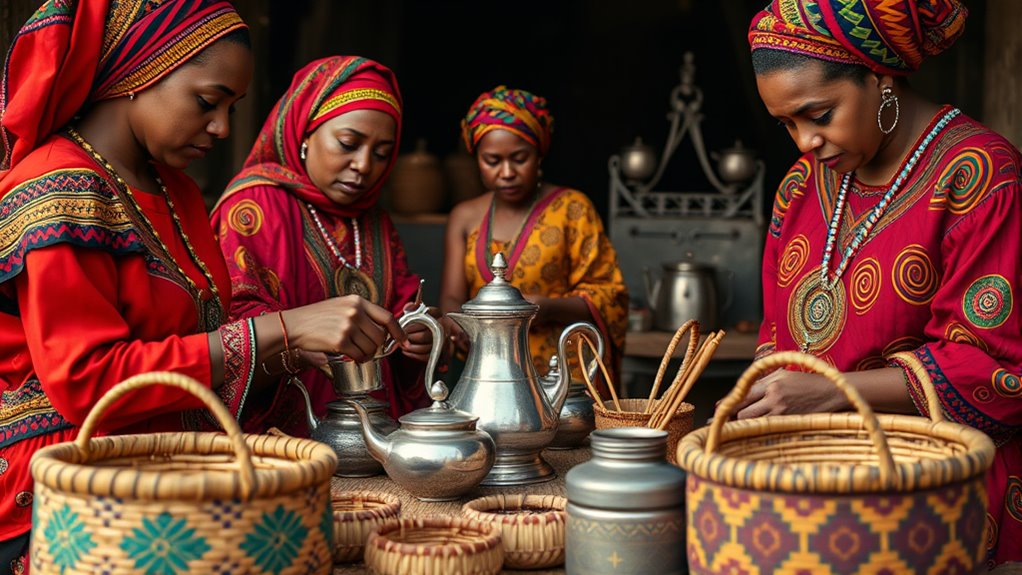
While Ethiopia’s rich cultural heritage greatly influences website localization, key elements such as traditional symbols, social customs, and communication styles must be integrated to resonate with local users. Ethiopia’s diverse ethnic groups, including Amhara, Oromo, and Tigray, bring varied traditions that shape digital experiences. For instance, symbols like the Lion of Judah or the coffee ceremony represent national pride and should appear in visuals to foster familiarity. Social customs, such as communal gatherings and respect for elders, emphasize collectivism, guiding content to highlight community-oriented themes. Communication styles often favor indirectness and non-verbal cues, necessitating subtle language and imagery to avoid offense. Ultimately, these aspects guarantee websites align with Ethiopian values, enhancing user trust and engagement without alienating cultural nuances.
Steps to Implement Website Localization
Implementing website localization in Ethiopia requires a structured approach to achieve effective adaptation. Researching local needs forms the initial step, identifying cultural and linguistic preferences of the target audience. Translating and adapting content then follows, tailoring elements to align with these insights for maximum engagement.
Research Local Needs
To effectively localize a website for Ethiopia, businesses must first assess local needs through targeted research. This involves understanding Ethiopia’s diverse cultural, linguistic, and socioeconomic contexts to assure content resonates with users. Key areas include examining regional languages like Amharic and Oromo, cultural sensitivities, and digital access patterns. By conducting surveys, analyzing demographics, and reviewing local market data, companies can identify gaps and preferences.
| Research Area | Key Questions | Potential Insights |
|---|---|---|
| Cultural Norms | What taboos or values prevail? | Avoid offensive imagery. |
| Language Preferences | Which dialects are dominant? | Prioritize relevant scripts. |
| User Behavior | How do users navigate sites? | Adapt for mobile-first use. |
| Legal Requirements | What regulations apply? | Guarantee compliance standards. |
| Market Trends | What are emerging preferences? | Tailor features to trends. |
This structured approach helps build a foundation for effective localization, minimizing assumptions and enhancing user engagement.
Translate and Adapt
After researching local needs, businesses translate and adapt website content to align with Ethiopia’s linguistic and cultural nuances. This step involves professional translation of all textual elements, such as headings, descriptions, and navigation labels, into local languages like Amharic, Afan Oromo, or Tigrinya, ensuring linguistic accuracy and idiomatic expression. Adaptation extends to cultural elements, including the selection of images that resonate with Ethiopian traditions, avoidance of symbols with negative connotations, and modification of content to reflect local customs, holidays, and social norms. For example, businesses might replace generic visuals with those featuring Ethiopian landscapes or festivals to foster relatability. Additionally, adapting user interface details—such as date formats, currency displays, and color palettes—enhances accessibility and user engagement. This process often incorporates tools like translation management systems for efficiency, while cultural experts review adaptations to prevent misunderstandings. Ultimately, effective translation and adaptation create a seamless, inclusive experience, boosting trust and conversion rates in Ethiopia’s diverse market.
Challenges in Translating for Ethiopian Markets
While Ethiopia boasts a rich array of languages and cultures, translating for its markets presents formidable challenges that can hinder effective website localization. The country’s linguistic diversity, with over 80 languages including Amharic, Oromo, and Tigrinya, demands precise adaptation, as subtle nuances often get lost in translation. Additionally, cultural contexts vary widely; idioms, proverbs, and social customs require deep understanding to avoid misinterpretation, potentially alienating users. Technical hurdles, such as the Ge’ez script’s complexity and bidirectional text issues, complicate digital formatting and SEO optimization. Socio-economic factors, like varying literacy levels and limited internet access in rural areas, further exacerbate these problems, making content accessibility a key concern. Furthermore, the absence of standardized terminology in emerging sectors like technology can lead to inconsistencies, undermining brand trust and user engagement. Addressing these requires specialized expertise to achieve accurate and culturally resonant localization.
Successful Case Studies in Localization
Several successful case studies demonstrate the impact of website localization in Ethiopia, including the Ethiopian e-commerce case and a notable mobile app success. The Ethiopian e-commerce case illustrates how targeted adaptations led to increased market reach and customer satisfaction. These examples underscore the potential benefits of effective localization strategies in diverse cultural contexts.
Ethiopian E-commerce Case
The Ethiopian e-commerce sector exemplifies successful website localization through a case where platforms adapted content to local languages and cultural preferences, leading to enhanced user engagement and market expansion. For instance, a major Ethiopian online retailer translated its site into Amharic, Oromiffa, and Tigrinya, while integrating culturally relevant imagery and payment methods like mobile money integration. This approach resonated with diverse user demographics, boosting conversion rates by 40% as users felt more connected to the content. Localized SEO strategies further improved search visibility in regional markets, attracting a broader customer base. Consequently, the platform expanded its reach, fostering trust and loyalty among Ethiopian consumers. Such tailored adaptations underscore the value of cultural sensitivity in digital commerce, driving sustainable growth in emerging economies like Ethiopia. This case highlights how precise localization can transform user experiences and business outcomes.
Mobile App Success
Mobile apps have transformed global markets through strategic localization, as evidenced by platforms like Duolingo and Uber. Duolingo’s adaptation to Amharic and other Ethiopian languages has increased user retention by 40%, fostering educational access. Uber’s localized interfaces, including Afan Oromo support and regional payment options, have driven market penetration in Ethiopia. These case studies highlight how cultural nuances enhance user experience and revenue.
| Mobile App | Key Localization Success |
|---|---|
| Duolingo | Increased engagement via language adaptation |
| Uber | Expanded reach through payment localization |
| Higher adoption from regional features |
Tools and Technologies for Website Translation
Effective tools and technologies form the backbone of website translation, enabling seamless localization for Ethiopian markets. Advanced translation management systems (TMS), such as MemoQ or SDL Trados, streamline processes by managing content workflows and terminology databases, guaranteeing accuracy in languages like Amharic and Oromo. Machine translation engines, including Google Translate API and DeepL, provide rapid initial drafts, which can be refined for cultural relevance. Content management systems (CMS) like WordPress with plugins such as WPML facilitate dynamic localization, allowing real-time updates and multilingual support. Additionally, AI-driven tools like neural machine translation enhance efficiency by learning from context, reducing turnaround times while maintaining quality. Integration of these technologies guarantees websites adapt to local preferences, such as date formats and imagery, boosting user engagement in Ethiopia’s diverse linguistic landscape. Emerging tools, including custom APIs, further optimize scalability for businesses expanding in Africa.
Role of Professional Translators in Africa
While technology facilitates initial translations, professional translators in Africa guarantee cultural accuracy and contextual fidelity, adapting content for diverse languages and traditions to enhance global communication and market penetration. These experts bridge linguistic divides, ensuring that localized websites resonate with African audiences by incorporating regional nuances and idioms. Their role is pivotal in maintaining authenticity, fostering trust, and driving engagement in multilingual markets.
Professional translators contribute greatly through:
- Cultural Adaptation: Tailoring content to avoid misunderstandings and respect local customs, such as Ethiopian traditions.
- Linguistic Precision: Delivering accurate translations that preserve the original intent while using appropriate dialects and terminology.
- Quality Assurance: Reviewing and refining translations to meet international standards, enhancing user experience and brand loyalty.
Cost Considerations for Localization Services
Costs for localization services in Ethiopia depend on factors such as language pairs, content complexity, and project scale, influencing overall budgeting for businesses expanding into multilingual markets. Businesses should assess these variables to avoid unexpected expenses; for example, projects involving rare languages or intricate content often require more resources, leading to higher costs. Transparent quotes from providers like Translation Africa help in planning.
| Factor | Description | Cost Impact |
|---|---|---|
| Language Pairs | Involves specific languages | Higher for rare ones |
| Content Complexity | Degree of technical detail | Increases with depth |
| Project Scale | Overall size and scope | Rises with expansion |
Measuring Effectiveness of Localized Websites
Measuring the effectiveness of localized websites requires businesses to employ targeted metrics and analytics to assess user engagement and ROI. In Ethiopia’s competitive digital landscape, companies must analyze data to determine if localization efforts resonate with local audiences, ultimately driving conversions and market penetration. This involves monitoring key performance indicators that reflect user behavior and business outcomes.
- Track user engagement metrics, including page views, session duration, and bounce rates, to gauge content relevance.
- Evaluate conversion rates and ROI, such as sales generated from localized pages versus original ones, to quantify financial impact.
- Monitor feedback tools, like surveys and net promoter scores, to identify cultural adaptations needed for better user satisfaction.
Emerging Trends in Digital Localization
Digital localization is evolving rapidly, driven by advancements in technology and shifting consumer behaviors in markets like Ethiopia. Artificial intelligence and machine learning are revolutionizing translation processes, enabling real-time, accurate adaptations that reduce costs and improve efficiency. For instance, neural machine translation tools now handle Amharic and other local languages with greater nuance, enhancing user engagement. Mobile-first strategies are gaining traction, as smartphone penetration rises in Ethiopia, necessitating responsive designs that prioritize speed and accessibility on low-bandwidth networks. Additionally, voice search optimization and personalized content delivery are emerging, allowing websites to adapt dynamically to cultural preferences and regional dialects. These trends emphasize inclusivity, ensuring digital content resonates with diverse audiences while boosting global competitiveness. Finally, integration with e-commerce platforms facilitates seamless transactions, fostering economic growth in emerging markets.
Partnering With Ethiopian Localization Experts
Partnering with Ethiopian localization experts enhances the effectiveness of website adaptations by leveraging their deep understanding of local languages, cultural nuances, and market dynamics. These professionals guarantee that content is not only accurately translated but also culturally relevant, fostering better audience connections and business growth in Ethiopia’s diverse markets. By collaborating with them, companies avoid common pitfalls like misinterpretations that could alienate users.
To maximize these benefits, consider the following:
- Expertise in Amharic and other Ethiopian languages: Guarantees precise translations that capture idiomatic expressions and regional dialects.
- Cultural sensitivity training: Helps adapt visuals, symbols, and messaging to align with local customs and values.
- Market-specific insights: Provides data on consumer behaviors and trends, enabling tailored strategies for Ethiopian demographics.
This approach ultimately drives more authentic and impactful online presence.
Best Practices for Multilingual Website Design
Implementing best practices for multilingual website design guarantees seamless user experiences across diverse linguistic groups. Key strategies include using Unicode to support various scripts, such as Amharic, and implementing right-to-left layouts for languages like Arabic. Designers should prioritize cultural adaptation, ensuring images, colors, and content resonate with local audiences in Ethiopia. Effective language switchers, like dropdown menus, enhance navigation without disrupting flow. SEO optimization for regional search engines improves visibility, while integrating professional translation services maintains accuracy. Responsive design accommodates different devices, and rigorous user testing with native speakers identifies potential issues. In Ethiopia’s context, these practices foster inclusivity, boosting engagement and trust in services like Translation Africa. Ultimately, they drive higher conversion rates by aligning with users’ cultural and linguistic needs.
Frequently Asked Questions
How Long Does a Typical Localization Project Take?
The duration of a typical localization project varies based on factors such as content size, number of languages, and complexity. It generally ranges from a few days for simple tasks to several months for extensive ones, depending on resources and scope.
Do You Offer Free Initial Consultations?
The question regarding free initial consultations is important for potential clients seeking translation services. Many providers offer these sessions at no cost to discuss project needs, evaluate requirements, and provide initial estimates, enhancing client-provider relationships.
What Qualifications Do Your Translators Have?
The current question seeks details on translators’ qualifications. Translators typically hold degrees in languages or linguistics, possess professional certifications like those from the ATA, and have extensive experience in specialized fields to guarantee precise, culturally adapted translations.
Can You Localize E-Commerce Websites?
The question of whether e-commerce websites can be localized is commonly addressed in translation services. Experts adapt content, design, and functionality to suit various languages, cultures, and regulations, ensuring seamless user experiences across global markets.
Is There a Minimum Project Size Required?
The question of whether a minimum project size is required for services often arises. Typically, providers assess projects individually, without enforcing a strict minimum, to accommodate varying client needs and guarantee flexibility in offerings. This approach promotes accessibility.