
 Elizabeth123
Directline Translators offers specialized website localization services in Nigeria, adapting content to key languages like Yoruba, Igbo, and Hausa while incorporating cultural nuances and visual elements. This process includes precise translations, UI optimizations for mobile devices, and adjustments for local search engines to enhance accessibility and user engagement. Businesses benefit from increased traffic, higher conversions, and stronger market connections, as shown in successful case studies. Deeper exploration of their expertise and strategies follows.
Quick Summaries
- Directline Translators provides website localization services in Nigerian languages like Yoruba, Igbo, and Hausa for cultural adaptation.
- Their expertise includes certified linguists and advanced tools to ensure accurate, intent-preserving translations.
- Services incorporate cultural nuances, such as local imagery and idioms, to build trust and boost engagement.
- They optimize websites for mobile devices and low-bandwidth connections prevalent in Nigeria.
- Case studies demonstrate up to 40% traffic increases from localized sites, driving business growth in diverse markets.
What Is Website Localization?
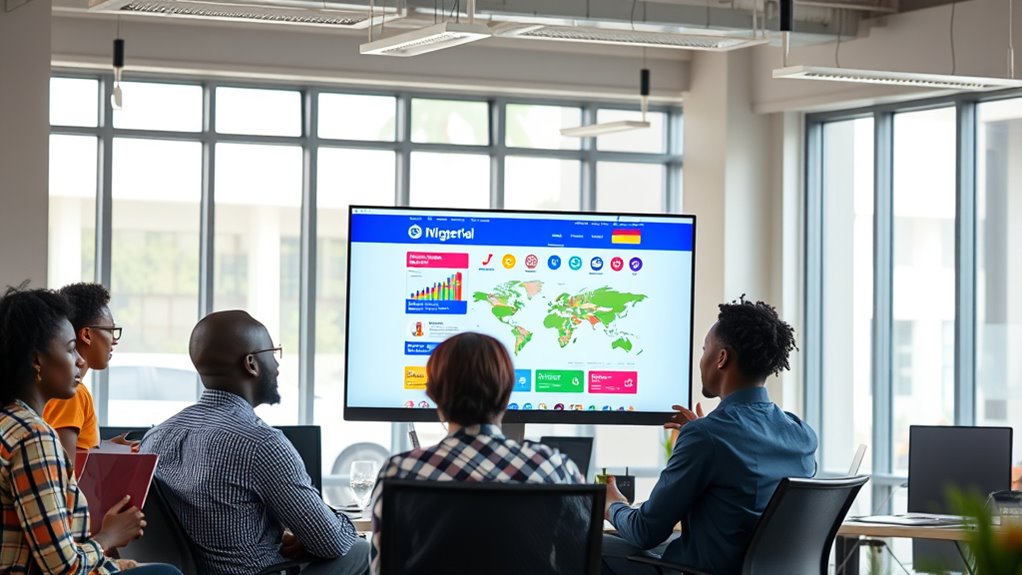
Website localization is the process of adapting a website’s content, design, and functionality to suit the language, cultural nuances, and preferences of users in a specific region. This involves translating text into the target language while maintaining the original intent and tone. It also includes modifying visual elements, such as images and color schemes, to align with local customs and aesthetics. Functionality adjustments might encompass reformatting dates, times, and currencies to match regional standards, ensuring seamless user interaction. For instance, navigation and user interfaces are optimized for local browsing habits. Technical aspects, like right-to-left text support for certain languages, are addressed to enhance accessibility. Overall, website localization transforms a global site into a regionally relevant one, fostering better engagement without altering core business objectives. This process requires expertise in both linguistics and cultural anthropology to achieve accurate and effective adaptations.
Benefits of Localizing Websites for Nigerian Audiences
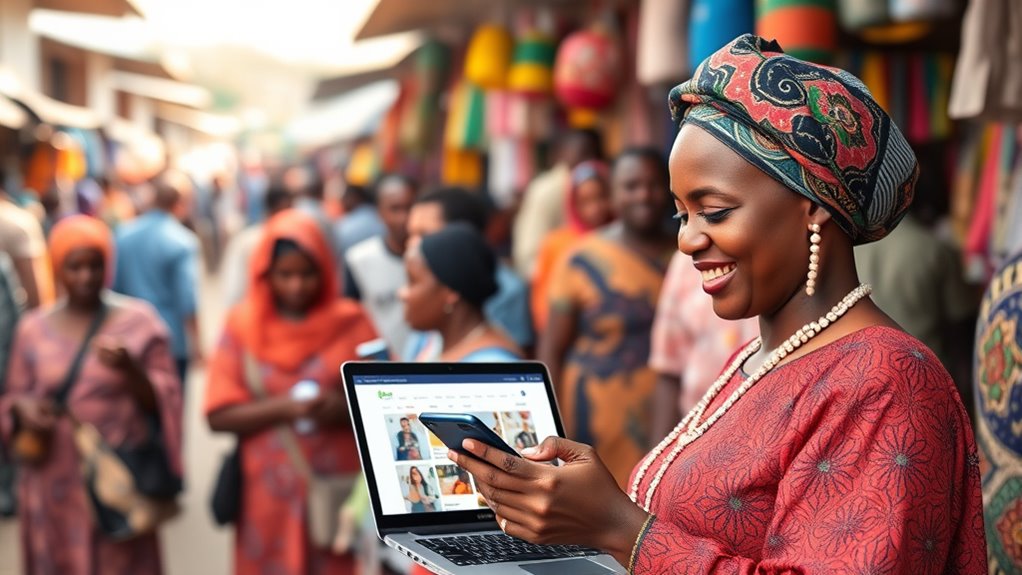
Localizing websites for Nigerian audiences yields significant advantages, particularly in enhancing user engagement and accessibility. By adapting content to local languages like Yoruba, Hausa, or Igbo, users feel more connected, reducing bounce rates and fostering loyalty. Cultural nuances, such as incorporating traditional imagery or idioms, build trust and resonate with diverse ethnic groups, leading to higher conversion rates. Additionally, tailoring interfaces to regional preferences—like mobile optimization for widespread smartphone use—improves navigation and inclusivity. This approach boosts search engine visibility in Nigeria, as localized sites rank better in local searches, driving organic traffic. Ultimately, these benefits expand market reach, enabling businesses to tap into Nigeria’s growing digital economy while minimizing misunderstandings that could alienate potential customers. (124 words)
Services Provided by Directline Translators
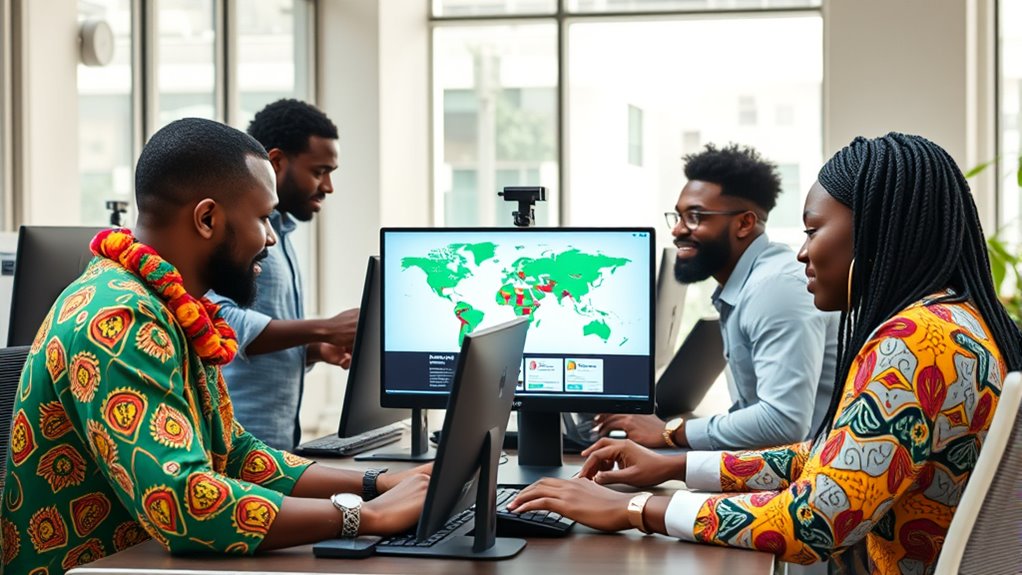
Directline Translators offers essential services for website localization in Nigeria. Their translation services focus on accurate and culturally sensitive language conversion. The company also provides localization expertise to adapt websites for diverse Nigerian audiences.
Translation Services
Translation services form a core component of website localization efforts in Nigeria, enabling seamless conversion of content into local languages while maintaining cultural nuances. Directline Translators offers professional translation for websites, covering key Nigerian languages such as Yoruba, Igbo, Hausa, and Pidgin, ensuring accuracy and contextually appropriate renditions. Their team of certified linguists employs advanced tools to handle diverse content types, from text and multimedia to user interfaces, minimizing errors and preserving original intent. This service enhances global accessibility, boosts user engagement, and complies with international standards, making websites more inclusive for Nigerian audiences. By prioritizing quality and timeliness, Directline Translators bridges language barriers, fostering effective communication in a multilingual market. Their approach integrates human expertise with technology for reliable results, supporting businesses in expanding reach without cultural missteps.
Localization Expertise
Beyond translation, localization expertise at Directline Translators involves adapting websites to align with Nigerian cultural contexts, regional preferences, and user expectations. This process guarantees content resonates culturally, enhancing engagement and accessibility for diverse audiences in Nigeria. Directline’s approach integrates precise adaptations that go beyond language, focusing on user-centric design and functionality.
- Cultural Adaptation: Tailors visuals, colors, and symbols to align with Nigerian traditions and sensitivities.
- Language Nuances: Incorporates local dialects, idioms, and slang for authentic communication.
- UI/UX Optimization: Adjusts layouts and navigation to match regional browsing habits and device preferences.
- SEO Localization: Optimizes for Nigerian search engines, keywords, and algorithms to boost visibility.
Steps to Effective Website Localization
Effective website localization requires careful steps to adapt content for the Nigerian market. Analyzing cultural nuances guarantees that elements like language and imagery resonate with local audiences. Testing the localized version then verifies its functionality and overall user engagement.
Analyze Cultural Nuances
Analyzing cultural nuances is essential for effective website localization, particularly in Nigeria’s diverse context. With over 250 ethnic groups, overlooking subtleties like language variations, traditions, and social norms can lead to alienation or offense. This analysis guarantees content resonates, fostering trust and engagement among users.
- Research ethnic diversity: Examine Nigeria’s major groups, such as Yoruba, Igbo, and Hausa, to adapt text and imagery appropriately.
- Adapt visual elements: Select colors and symbols that align with local meanings, avoiding those that signify negativity in specific cultures.
- Incorporate language sensitivities: Address dialects, idioms, and humor to make translations feel natural and relatable.
- Evaluate social norms: Assess taboos and values to refine user interactions, guaranteeing the website promotes inclusivity and respect.
Test Localized Version
Testing the localized version is essential for confirming its suitability in Nigeria’s diverse cultural landscape. This step guarantees the website functions flawlessly while respecting regional customs, languages, and user expectations. Directline Translators emphasize rigorous testing methods, including user feedback sessions with native Nigerians to detect cultural inaccuracies or navigation issues. Technical checks verify that text, images, and interactive elements load correctly across devices and browsers. A/B testing compares localized pages against originals, measuring metrics like engagement and conversion rates. Addressing any discrepancies early prevents costly revisions and enhances accessibility. Ultimately, thorough testing guarantees the website’s effectiveness, fostering trust and boosting performance in Nigeria’s multilingual market, where precision drives success.
Challenges in Nigeria and How to Address Them
Nigeria faces several distinct challenges in website localization, including linguistic diversity, cultural nuances, and infrastructural limitations, all of which can be mitigated through strategic adaptations like tailored content strategies and robust testing protocols. These obstacles often hinder user engagement and accessibility in a diverse market. By prioritizing local expertise, businesses can create more inclusive digital experiences that align with Nigeria’s unique environment.
- Tackle linguistic diversity: Translate content into major languages such as Yoruba, Igbo, and Hausa to achieve broader reach and comprehension.
- Address cultural nuances: Incorporate region-specific idioms, visuals, and customs to avoid misunderstandings and foster relatability.
- Overcome infrastructural issues: Optimize for low-bandwidth connections and mobile devices to accommodate unreliable internet and varying tech access.
- Enhance testing processes: Implement user-centric feedback loops with local testers to identify and resolve glitches early, improving overall functionality.
Case Studies From Directline Translators’ Projects
Directline Translators’ case studies illustrate practical successes in website localization across varied regions. For instance, a Nigerian e-commerce client expanded into Francophone Africa by translating their site into French and local dialects, resulting in a 40% traffic increase within six months. Another project involved adapting a health services website for Yoruba and Hausa speakers, incorporating cultural nuances that boosted user engagement by 35%. In a fintech case, Directline localized content for Igbo audiences, enhancing accessibility and compliance, which led to a 25% rise in registrations. These examples demonstrate the firm’s expertise in overcoming linguistic barriers, ensuring seamless user experiences, and driving measurable business growth. Overall, Directline’s approach combines advanced tools with cultural insights, proving effective for diverse Nigerian markets and beyond. (124 words)
Frequently Asked Questions
How Much Does Website Localization Cost?
The cost of website localization varies based on factors like language count, website complexity, and service provider expertise. Typically, it ranges from a few hundred to several thousand dollars per language, depending on project scope and requirements. Estimates often start at $100 per page.
What Qualifications Do Your Translators Have?
The question regarding translator qualifications is essential for ensuring translation accuracy. Translators typically hold relevant degrees in linguistics or languages, possess certifications from recognized bodies like ATA, and have extensive professional experience in the field.
How Long Does Localization Typically Take?
Website localization timelines vary depending on project scope, content volume, and language pairs involved. Typically, a standard website project may take from a few days to several weeks, though complex ones can extend longer.
What Tools Do You Use for Localization?
The question addresses tools used for localization. Industry experts typically employ computer-assisted translation software like SDL Trados, MemoQ, and content management systems such as WordPress plugins to adapt websites effectively.
Do You Provide Post-Localization Support?
The query asks whether post-localization support is provided. In a detached view, many localization services offer ongoing assistance, including maintenance, updates, and troubleshooting to guarantee content remains accurate, culturally relevant, and effective over time.