
 Elizabeth123
Website translation is essential for African education, where over 2,000 languages create barriers to learning resources. It enables access in native tongues, boosting engagement, understanding, and inclusivity for diverse students and educators. Despite challenges like cultural nuances and standardization, strategies such as AI tools and local collaborations yield successes, as seen in Translation Africa’s Nigerian and Kenyan projects. Exploring these implementations uncovers additional triumphs in equity and participation.
Quick Summaries
- Multilingual websites in African education improve accessibility by translating content into native languages, fostering deeper engagement.
- Translation Africa addresses translation challenges like linguistic diversity and cultural nuances for accurate educational materials.
- Website translation benefits students and educators by enhancing understanding and motivation through localized content.
- Implementing translation strategies, such as AI tools and local collaborations, ensures high-quality and inclusive educational platforms.
- Translation Africa’s case studies demonstrate success, like a 40% increase in Nigerian student participation after translating to Hausa and Yoruba.
The Importance of Multilingual Websites in African Education
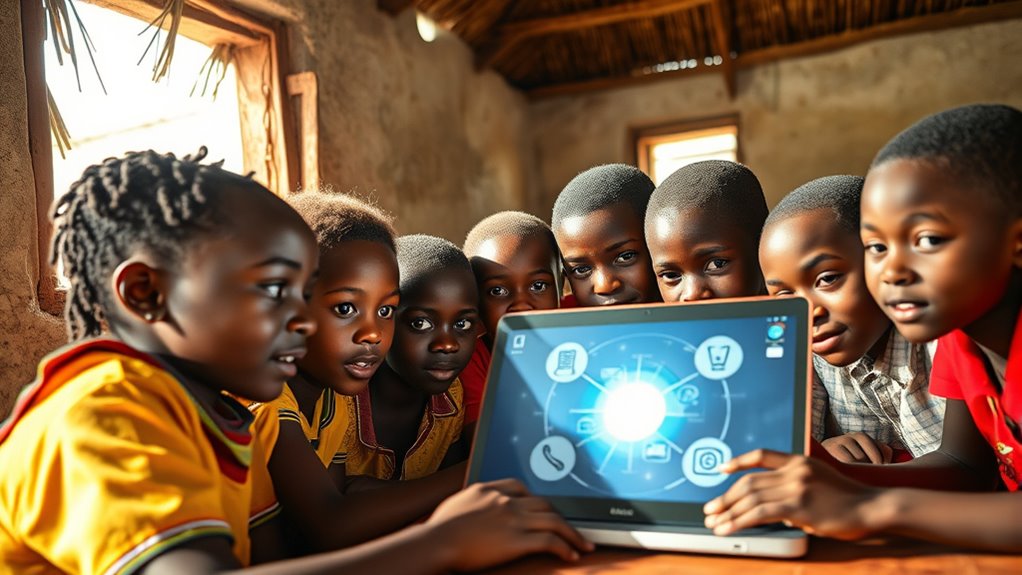
Why do multilingual websites play a pivotal role in African education? Africa’s linguistic diversity, with over 2,000 languages, demands content accessibility beyond dominant tongues like English or French. These websites enable learners to access educational materials in their native languages, fostering deeper understanding and engagement. By bridging cultural and linguistic gaps, they promote inclusivity, ensuring that marginalized groups, such as rural students, can participate fully in learning. Multilingual platforms enhance knowledge retention and critical thinking, as content resonates more personally. They also support economic development by equipping individuals with skills in their own languages, ultimately driving broader educational equity across the continent. This approach empowers communities, preserves cultural heritage, and amplifies global educational opportunities tailored to African contexts.
Challenges in Translating Educational Content for Africa

Translating educational content for Africa presents formidable challenges amid the continent’s vast linguistic landscape. Africa hosts over 2,000 languages, making it difficult to prioritize and accurately translate materials without overlooking key dialects. Many languages lack standardized educational terminology, forcing translators to improvise while preserving original intent, which risks altering core meanings. Cultural nuances further complicate the process; content must be adapted to align with local customs and contexts to avoid misinterpretation. Technical barriers, such as unreliable internet in remote areas, hinder the use of translation tools and platforms. Additionally, a shortage of qualified linguists and funding constraints leads to inconsistent quality and delays. These issues underscore the need for strategic approaches to overcome linguistic and resource limitations in educational translation.
Benefits of Website Translation for Students and Educators

Website translation offers substantial benefits for students and educators in Africa by bridging language gaps and enhancing access to global educational resources. It empowers learners to engage with content in their native languages, fostering deeper comprehension and retention of knowledge. Educators gain tools to create inclusive curricula, promoting cultural relevance and equity in classrooms. This approach boosts academic performance and innovation, as students explore diverse materials without barriers.
| Benefit | Impact on Students/Educators |
|---|---|
| Improved Access | Enables engagement with global resources in local languages. |
| Enhanced Engagement | Increases motivation and participation in learning activities. |
| Better Understanding | Reduces comprehension barriers for complex subjects. |
| Global Collaboration | Facilitates international partnerships and knowledge exchange. |
| Educational Equity | Promotes inclusivity for marginalized linguistic groups. |
Strategies for Implementing Translation in Educational Platforms
Implementing translation in educational platforms demands strategic approaches to optimize accessibility and user experience. Key strategies involve selecting reliable translation tools, such as AI-powered systems that support multiple African languages, to guarantee seamless integration. Platforms must prioritize accurate localization by collaborating with linguists familiar with regional dialects and cultural contexts, thereby enhancing content relevance. Additionally, implementing user-friendly interfaces allows for easy language switching, promoting inclusivity for diverse learners. Regular quality checks and updates are essential to maintain translation accuracy and adapt to evolving educational needs. Training educators on these tools fosters effective use, while scalable solutions accommodate growing user bases without compromising performance. Ultimately, these strategies bridge language barriers, enabling broader educational access across Africa.
Case Studies: Successful Translations by Translation Africa
Translation Africa’s case studies exemplify effective language adaptations that have enhanced educational access in Africa. These real-world examples demonstrate how targeted translations have bridged linguistic barriers in educational platforms, leading to increased user engagement and broader reach. By focusing on culturally relevant content, Translation Africa has transformed online learning resources for diverse African communities.
- Nigerian E-Learning Platform: Translated materials into Hausa and Yoruba, resulting in a 40% surge in student participation and improved literacy rates.
- Kenyan School Websites: Adapted content to Swahili, enabling rural schools to access global curricula and boosting enrollment by 25%.
- South African Educational Portals: Localized resources in Zulu and Xhosa, fostering inclusive education and reducing dropout rates through better comprehension.
Frequently Asked Questions
How Much Does Website Translation Cost?
The cost of website translation varies based on factors like word count, languages, and complexity. It typically ranges from $0.05 to $0.25 per word, depending on the provider and expertise required. Factors such as urgency and specialized content can increase expenses further.
What Languages Does Translation Africa Support?
The question asks what languages Translation Africa supports. Translation Africa offers services for languages such as Swahili, Yoruba, Zulu, French, and English, among others, to facilitate communication across regions.
How Long Does a Translation Project Take?
The duration of a translation project varies greatly, depending on factors like content volume, language complexity, and team availability. Typically, simple projects may take a few days, while larger ones can extend to several weeks or months.
Do You Provide Post-Translation Support?
In response to the query about post-translation support, translation entities often provide services like revisions, updates, and consultations to guarantee accuracy and adaptability. This assistance helps maintain quality amid evolving needs, enhancing overall client satisfaction.
Can We Customize Translation Services?
The question of customizing translation services is frequently raised by clients. Providers typically offer tailored options, allowing specifications for languages, terminology, industry jargon, deadlines, and formats to meet diverse needs effectively.