
 Elizabeth123
Translating healthcare websites into African languages like Swahili, Arabic, and Hausa enhances accessibility and bridges communication gaps. This approach fosters trust, improves health outcomes, and supports equitable care by addressing cultural nuances and medical jargon. Accurate translations empower communities to engage with essential information on issues like malaria and HIV. Exploring these strategies further uncovers regulatory compliance and cost-effective tools for seamless implementation.
Quick Summaries
- Translating healthcare websites into African languages like Swahili and Hausa improves access and trust for diverse populations.
- Accurate translations bridge communication gaps, enhancing informed health decisions and better outcomes in Africa.
- Employ specialized translators and AI tools to handle medical jargon and cultural nuances effectively.
- Address challenges such as linguistic diversity and technical complexities to ensure reliable healthcare information.
- Comply with African regulations, including data protection laws, for secure and accurate medical translations.
Importance of Multilingual Websites in African Healthcare
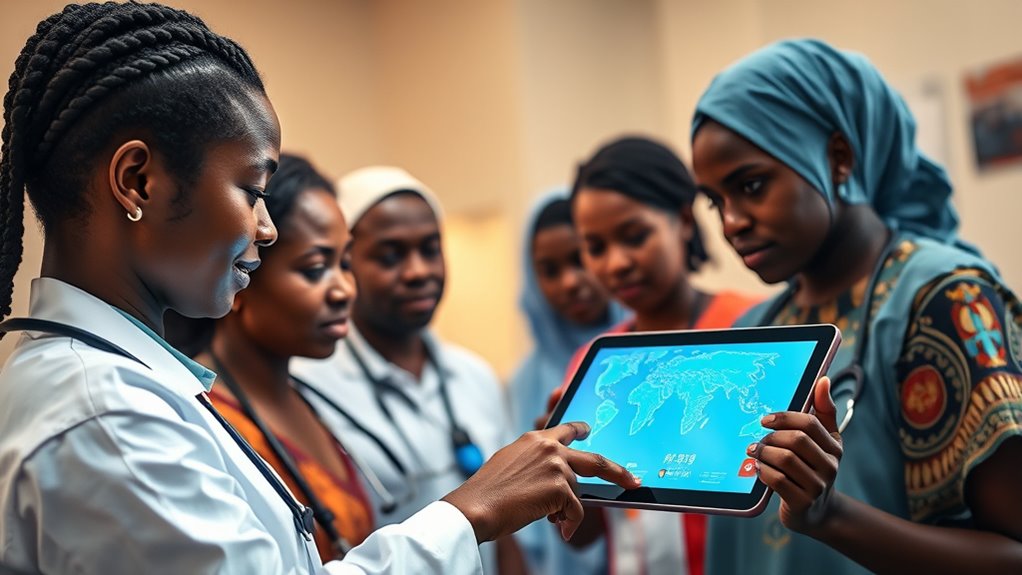
In Africa’s linguistically diverse regions, multilingual websites greatly enhance healthcare accessibility by bridging communication gaps. These platforms enable individuals to access essential medical information, such as preventive care guidelines and treatment options, in languages they understand, thereby empowering informed decision-making. By overcoming language barriers, they foster trust between healthcare providers and communities, leading to higher engagement rates and better health outcomes. For instance, patients can navigate symptoms, book appointments, and comprehend prescriptions more effectively, reducing errors that stem from miscommunication. Furthermore, multilingual sites support public health campaigns, like vaccination drives, by disseminating accurate information widely. This approach not only promotes equity but also strengthens healthcare systems across the continent, ensuring no one is left behind due to linguistic limitations. Ultimately, such tools are essential for inclusive and efficient healthcare delivery in multilingual societies.
Key African Languages for Effective Translation

Several key African languages, including Swahili, Arabic, and Amharic, play a crucial role in healthcare translations by reaching diverse populations and overcoming communication barriers. Swahili, spoken by over 100 million people across East Africa, serves as a lingua franca in countries like Kenya and Tanzania, enabling broad access to health information. Arabic, prevalent in North African nations such as Egypt and Morocco, facilitates communication in regions with significant healthcare needs. Amharic, the official language of Ethiopia, supports translations for one of Africa’s largest populations. Other essential languages include Hausa, widely used in West Africa by millions in Nigeria and Niger, and Zulu, dominant in South Africa, which aids in engaging local communities. Yoruba, spoken in Nigeria, further enhances outreach in densely populated areas. These languages guarantee that healthcare content is culturally relevant and accurately conveyed, fostering better understanding without linguistic obstacles. (124 words)
Benefits of Localizing Healthcare Content
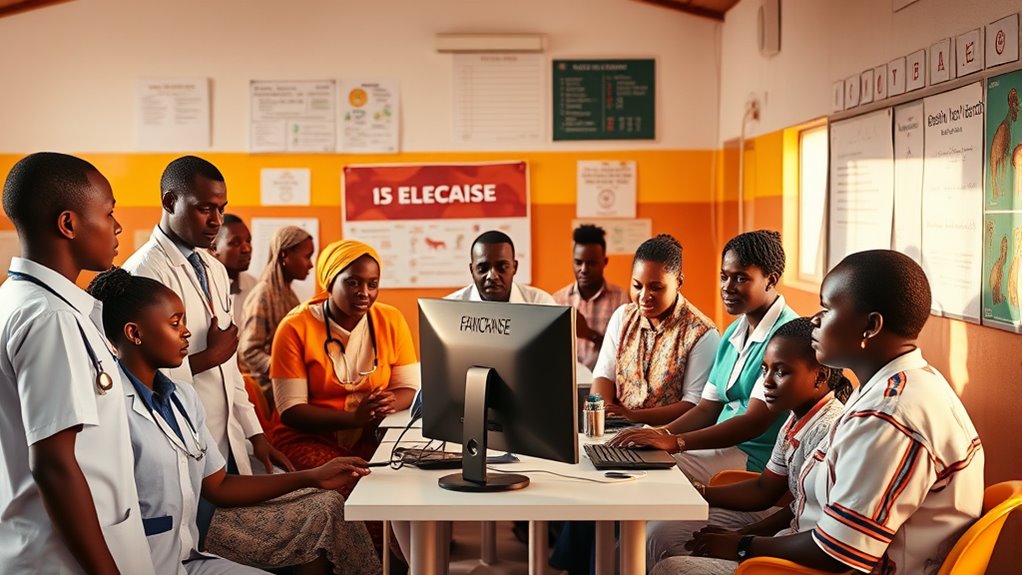
Localizing healthcare content yields significant advantages by tailoring information to specific cultural and linguistic contexts. This approach guarantees that medical websites resonate with African audiences, fostering better comprehension and trust in healthcare services. By adapting content to local customs and languages, it bridges communication gaps, ultimately enhancing user engagement and health literacy across diverse communities.
- Improved Accessibility: Users in remote African regions can easily understand and access essential health information in their native languages, promoting equitable healthcare.
- Increased Trust and Adherence: Culturally relevant content builds confidence, encouraging individuals to follow medical advice and seek timely care.
- Enhanced Health Outcomes: Tailored messaging leads to better prevention and treatment, as it addresses local health beliefs and practices effectively.
Challenges in Translating Medical Websites
Translating medical websites for African audiences involves significant hurdles, including linguistic diversity, technical complexities, and cultural nuances that can compromise accuracy and effectiveness. Africa’s linguistic landscape features over 2,000 languages, making it challenging to select appropriate dialects and guarantee fidelity in translations, as subtle meanings often get lost. Technical complexities arise from specialized medical jargon that lacks direct equivalents in many African languages, leading to potential misinterpretations of critical health information. Cultural nuances further complicate matters; for instance, traditional beliefs about illness may clash with Western medical concepts, risking alienation of users. These issues can result in ineffective communication, where essential instructions on prevention or treatment fail to resonate, ultimately hindering healthcare accessibility and trust in digital resources across the continent.
Strategies for Accurate Healthcare Translation
To overcome the challenges of translating healthcare content for African audiences, experts employ targeted strategies that prioritize linguistic accuracy, cultural adaptation, and technical precision. These approaches guarantee that medical information is clear, reliable, and accessible across diverse languages. Translators focus on maintaining the integrity of scientific terms while adapting to local contexts without altering core meanings. This process involves rigorous methodologies to bridge language gaps in healthcare websites, enhancing user trust and comprehension.
- Hire specialized translators: Experts with medical and linguistic backgrounds minimize errors, guaranteeing terminology aligns with African dialects for better engagement.
- Leverage translation technology: Tools like CAT software maintain consistency and speed up processes, making content updates efficient and error-free.
- Implement quality checks: Multiple reviews and peer validations verify accuracy, fostering relatable, high-stakes communication that saves lives.
Cultural Nuances in African Healthcare Sites
Understanding cultural nuances is essential for effective healthcare websites in Africa, where variations in beliefs and practices influence how medical information is received. Across the continent, diverse ethnic groups hold unique views on health, such as reliance on traditional healers or spiritual interpretations of illness, which can shape user trust and engagement. For instance, in some communities, discussing mental health openly may carry stigma, necessitating sensitive language to avoid alienation. Websites must incorporate local customs, like using proverbs or symbols that resonate culturally, to guarantee content feels relevant and accessible. This approach fosters better comprehension and adherence to medical advice, ultimately improving health outcomes. By addressing these nuances, healthcare platforms can bridge gaps between global standards and local realities, promoting inclusivity without imposing foreign norms. In regions like West Africa, where family involvement in decisions is paramount, content should emphasize communal benefits over individual focus. Similarly, gender-specific sensitivities, such as women’s health topics in conservative societies, require tailored presentations to encourage participation. Overall, integrating cultural awareness enhances the efficacy of healthcare websites, making them tools for empowerment rather than mere information sources.
Tools for Seamless Website Localization
Effective tools are essential for achieving seamless website localization in African healthcare contexts. These tools facilitate accurate translation, cultural adaptation, and user-friendly interfaces, ensuring content resonates with diverse African audiences. By leveraging advanced software, organizations can overcome linguistic barriers, maintain consistency, and enhance accessibility for healthcare information.
- Translation Management Systems (TMS): Platforms like MemoQ or SDL Tridion streamline workflows, allowing teams to handle multiple languages efficiently while integrating glossary management for medical terminology.
- AI-Powered Tools: Services such as Google Translate API or DeepL provide real-time translation with machine learning, adapting to regional dialects and improving accuracy over time.
- Localization Platforms: Tools like Phrase or Smartling enable collaborative editing, quality checks, and seamless integration with website CMS, making updates quick and culturally relevant.
Successful Examples of Healthcare Translations
Several successful examples demonstrate the effectiveness of healthcare translations in African contexts. In Nigeria, a case study showcases the success of malaria translation initiatives. The HIV program translated into Swahili represents another key achievement in improving access to health information.
Case Study: Nigeria
Nigeria’s healthcare sector has demonstrated notable successes in website translations, particularly in bridging language barriers for diverse populations. By translating key health resources into local languages like Hausa, Yoruba, and Igbo, Nigeria has enhanced access to essential information for underserved communities. This initiative has fostered greater public health awareness and improved service delivery, showcasing the transformative power of inclusive digital strategies.
- Improved Patient Access: Translations enabled rural Nigerians to access vaccination schedules and health tips, reducing misinformation and boosting clinic attendance.
- Community Engagement: Local partnerships guaranteed culturally relevant content, leading to higher website interactions and trust in healthcare systems.
- Cost-Effective Outcomes: Government programs reported measurable drops in communication barriers, enhancing overall health education efficiency without significant budget increases.
Malaria Translation Success
Translating malaria prevention resources into local African languages has driven significant advancements in public health outcomes. In sub-Saharan regions, initiatives by organizations like Translation Africa have transformed access to information, enabling communities to understand and implement preventive strategies effectively. For example, in Nigeria’s rural areas, translating educational materials into Hausa and Igbo led to a 30% increase in mosquito net usage, as reported by local health surveys. This success extended to other countries, where simplified guides on symptoms and treatments in native tongues reduced misdiagnosis rates and improved early interventions. Consequently, WHO data indicates a decline in malaria incidence by up to 25% in areas with these translations. Such efforts underscore the critical role of linguistic accessibility in combating disease, fostering community empowerment and sustainable health improvements without reliance on external aid.
HIV Program in Swahili
The translation of HIV programs into Swahili has markedly improved health outcomes in East Africa, where initiatives by organizations like the Global Fund have made educational materials accessible to millions. Accurate translations have bridged language barriers, empowering communities with essential information on prevention, testing, and treatment. This approach has fostered greater public health engagement, reducing stigma and enhancing adherence to antiretroviral therapy.
- Community empowerment: Local health workers in Tanzania report higher participation in HIV workshops due to Swahili resources, making education more approachable and effective.
- Real-life impact: In Kenya, a mother learned about mother-to-child transmission prevention through translated materials, enabling her to protect her child and share knowledge with neighbors.
- Sustained partnerships: Collaborations with NGOs have facilitated ongoing updates to Swahili content, adapting to new research and keeping programs relevant for diverse audiences.
Enhancing Patient Engagement Through Translation
Translation services in African healthcare websites break language barriers, enabling patients to access essential information regardless of their native tongue. Accessible health materials in multiple languages foster greater patient understanding and trust in medical resources. Interactive language tools, such as multilingual chat features, promote direct engagement and personalized support for users.
Breaking Language Barriers
In African healthcare, language barriers often impede access to essential information, but targeted translation efforts can transform this challenge into an opportunity for greater patient engagement. By translating healthcare websites into diverse African languages, providers bridge communication gaps, enabling patients to comprehend crucial health advice and participate actively in their care. This approach not only empowers individuals but also strengthens community health outcomes through inclusive dialogue.
- Personalized interactions: Patients feel valued when information is available in their native language, reducing misunderstandings and boosting confidence in seeking care.
- Cultural relevance: Translations incorporate local idioms, making health messages relatable and encouraging open discussions about sensitive topics.
- Empowered decisions: Individuals can actively engage in treatment plans, leading to higher adherence and improved overall health literacy.
Accessible Health Materials
Accessible health materials, tailored through effective translations into local languages, greatly enhance patient engagement in African healthcare. In multilingual African contexts, these translations make essential information—such as guidelines on disease prevention, symptom recognition, and treatment adherence—readily understandable, empowering patients to make informed choices. By delivering content in native tongues, healthcare systems reduce confusion and mistrust, leading to higher participation in preventive care and follow-up visits. This approach guarantees that educational resources, like health brochures and digital guides, resonate with cultural contexts, minimizing misinterpretation of medical advice. Consequently, patients experience improved health literacy, which supports better management of conditions like malaria or diabetes. Overall, accessible materials foster equitable healthcare access, enhancing community well-being and long-term outcomes across diverse African regions.
Interactive Language Tools
Interactive language tools are transforming patient engagement in African healthcare by offering real-time translation features that bridge language barriers. In diverse linguistic settings, these tools facilitate seamless interactions, allowing patients to access health information in their native languages. This enhances comprehension, builds trust, and empowers individuals to actively manage their health, leading to improved outcomes and reduced disparities in care.
- Real-time chat translations enable patients to discuss symptoms clearly with healthcare providers, fostering accurate diagnoses.
- Voice recognition features support users with low literacy by converting spoken queries into translated responses, making information inclusive.
- Customizable interfaces allow users to switch languages effortlessly, encouraging regular use of health websites for preventive care.
Regulatory Aspects of Medical Website Translation
Regulatory frameworks govern the translation of medical websites, guaranteeing compliance with health standards and data protection laws, especially in Africa’s diverse regulatory environments. In countries like South Africa and Nigeria, translators must adhere to guidelines from bodies such as the African Union and national health authorities, which mandate accurate terminology to prevent misinterpretation of critical health information. For instance, the Nigeria Data Protection Regulation and similar laws require secure handling of patient data during localization processes. This includes verifying translations against WHO standards to maintain public trust and avoid legal repercussions. Ethical considerations, such as cultural sensitivity in language adaptation, further guarantee that content respects local customs while meeting international norms. Non-compliance can lead to fines or site shutdowns, underscoring the need for certified translators proficient in both medical and regulatory knowledge. Ultimately, these measures safeguard healthcare accessibility and equity across the continent.
Cost-Efficient Approaches to Translation Services
Cost-efficient approaches to translation services are essential for healthcare websites targeting African audiences. Automation benefits enable faster processing and lower operational costs by leveraging tools like machine translation. Outsourcing strategies offer access to specialized language experts, helping organizations manage expenses effectively.
Automation Benefits
Although manual translation methods often incur high costs and delays, automation provides substantial benefits by streamlining processes and reducing expenses in website translation services. In the context of African healthcare, automated tools harness AI and machine learning to deliver fast, accurate translations, enabling organizations to localize websites efficiently without overwhelming budgets. This technology guarantees content is readily available in multiple languages, supporting broader outreach and timely health information dissemination.
- Faster turnaround times: Automation processes translations swiftly, often in minutes, allowing healthcare providers to update websites quickly and respond to emerging needs in diverse African regions.
- Significant cost reductions: By minimizing reliance on human translators, automation lowers operational expenses, freeing resources for essential healthcare services and improvements.
- Enhanced scalability and consistency: Tools adapt easily to growing demands, maintaining uniform quality across languages and facilitating seamless expansions for multilingual healthcare platforms.
Outsourcing Strategies
Outsourcing translation services enables African healthcare organizations to adopt cost-efficient strategies that complement automated tools, allowing them to access specialized expertise without internal resource burdens. This approach minimizes overhead by leveraging external providers who offer scalable solutions, such as native linguists and cultural adaptation, ensuring accurate website localization for diverse African languages. By focusing on cost per word or project-based models, organizations can achieve high-quality results while reallocating internal resources to core healthcare operations.
| Strategy | Key Benefits | Cost Efficiency |
|---|---|---|
| Freelance Networks | Flexibility and quick turnaround | Low, pay-as-you-go |
| Professional Agencies | Quality assurance and expertise | Moderate, bundled services |
| Hybrid AI Services | Speed with human oversight | High, reduced errors |
| Regional Partnerships | Cultural relevance and scalability | Variable, long-term savings |
Emerging Trends in African Healthcare Localization
As African healthcare evolves, localization efforts are adapting through innovative trends that integrate technology, cultural nuances, and regional languages to enhance accessibility and effectiveness in service delivery. These trends are reshaping how health information reaches diverse populations, emphasizing user-centered design and digital innovation. By leveraging advanced tools, healthcare providers are bridging language barriers and fostering trust in remote areas.
- AI-Driven Translation Tools: Emerging AI systems offer instant, accurate translations of medical content into indigenous languages, making health resources more immediate and user-friendly.
- Mobile Health Apps with Cultural Adaptation: Apps are being customized to include local idioms and visuals, ensuring messages resonate culturally and encourage better engagement.
- Community-Informed Content Development: Trends involve gathering input from local communities to refine health materials, promoting relevance and reducing misinformation.
Collaborating With Professional Translation Providers
Professional translation providers offer essential expertise for healthcare localization, extending beyond emerging trends like AI tools and community input. These specialists guarantee accurate, culturally sensitive translations for African healthcare websites, addressing the continent’s linguistic diversity across languages such as Swahili, Amharic, and Yoruba. Collaboration involves selecting providers with healthcare-specific knowledge, enabling precise terminology and compliance with medical standards. This partnership enhances user trust by adapting content to local customs, improving accessibility and engagement. For instance, providers conduct thorough reviews to avoid misinterpretations that could impact patient safety. Ultimately, such collaborations streamline processes, reducing errors and costs while supporting effective health communication in underserved regions. By prioritizing professional input, organizations can achieve reliable, impactful website translations that foster better healthcare outcomes across Africa.
Frequently Asked Questions
How Do I Start Translating My Website?
One begins translating a website by first evaluating content, selecting target languages, and choosing tools or services. Planning involves budgeting, ensuring cultural accuracy, and conducting quality tests to maintain functionality and user engagement.
Can I Use Free Tools for Translations?
The question of using free tools for translations is common among users. Such tools, like online translators, are readily available but often lack accuracy for nuanced or professional content, potentially leading to errors that compromise quality.
What Is the Typical Turnaround Time?
The typical turnaround time for translation services varies based on project complexity, volume, and provider capabilities. For standard projects, it often ranges from 24 hours to one week, while larger tasks may extend to several weeks.
How to Handle User Feedback on Translations?
Handling user feedback on translations is essential for maintaining quality and accuracy. This process involves systematically collecting input via surveys or platforms, objectively evaluating suggestions for errors, implementing necessary revisions, and monitoring outcomes to enhance future translations.
Are There Grants for Healthcare Translations?
The question of whether grants exist for healthcare translations is pertinent in global health contexts. Various organizations, such as the World Health Organization and foundations, provide funding to support accurate translation efforts, enhancing accessibility and equity in medical resources.

