 directlineauthors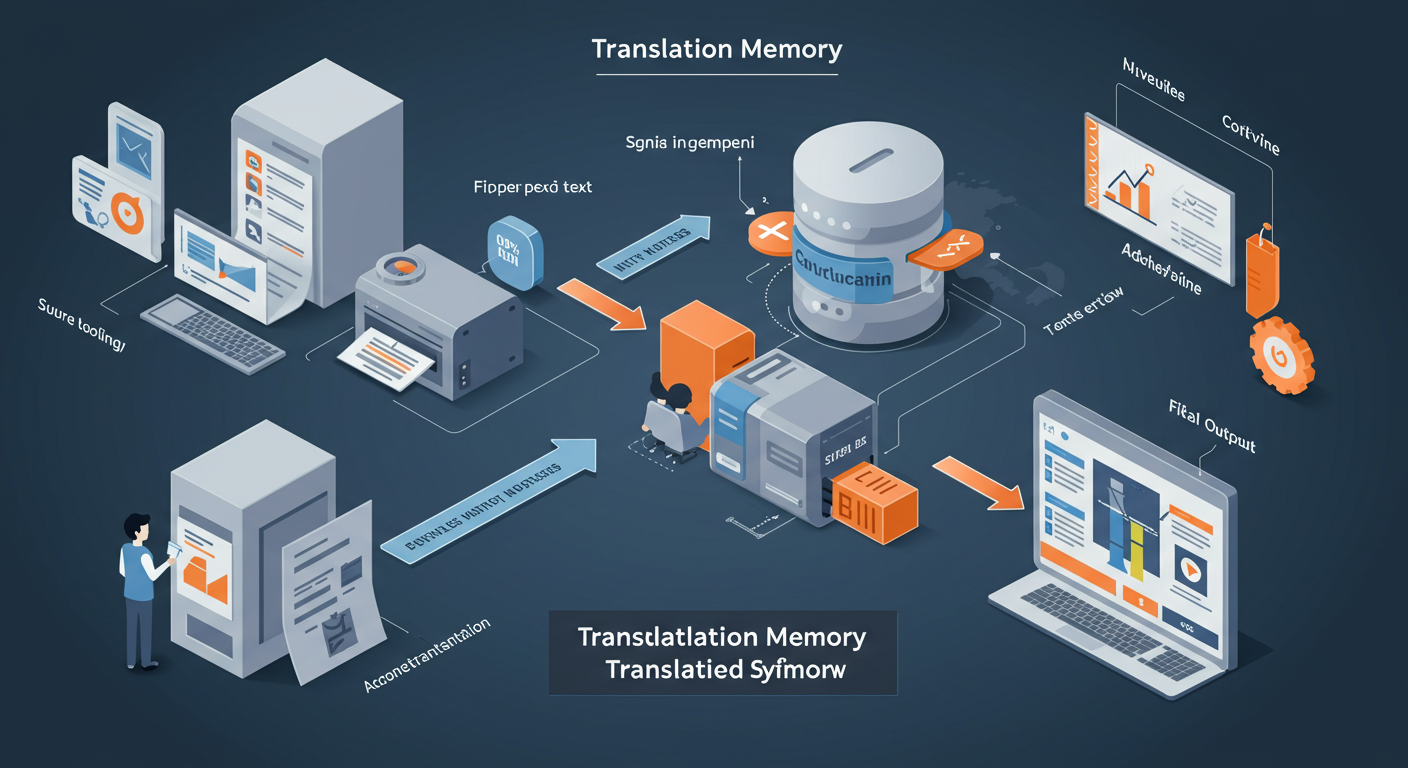
Translation Memory technology has transformed how professional translation services operate, creating unprecedented levels of consistency, efficiency, and cost-effectiveness for businesses and organizations requiring multilingual documentation.
This sophisticated system functions as a digital repository that stores previously translated segments, allowing translators to reuse accurate translations while maintaining consistency across projects and time periods.
Understanding Translation Memory capabilities helps clients make informed decisions about their translation needs and recognize the value this technology brings to professional translation services.
The impact of Translation Memory extends far beyond simple storage and retrieval, fundamentally changing how translation projects are managed, priced, and delivered. Organizations investing in Translation Memory systems see dramatic improvements in project turnaround times, translation consistency, and overall cost management for ongoing multilingual content needs.
The technology works seamlessly behind the scenes, supporting human translators while ensuring that previously approved translations remain consistent across all future projects.
Professional translation services like Directline Translator leverage Translation Memory technology to provide superior value for clients with recurring translation needs, complex documentation requirements, or long-term multilingual content strategies.
You’ll discover how this powerful tool enhances translation quality while reducing costs and delivery times, making professional translation services more accessible and effective for businesses of all sizes seeking to communicate effectively across linguistic boundaries.
What is a Translation Memory and How Does It Work: Understanding the Technology Foundation
Translation Memory operates as an intelligent database system that captures, stores, and retrieves translation segments during the translation process, creating a growing repository of approved translations that can be reused across multiple projects. The technology analyzes source text in real-time, comparing new content against previously translated materials to identify matches, partial matches, and similar segments that can accelerate the translation process while maintaining consistency.
The system breaks down documents into manageable segments, typically sentences or phrases, creating translation units that pair source language content with corresponding target language translations. These paired segments become building blocks for future translations, with the system automatically suggesting matches when similar content appears in new projects.
Professional translators review and approve these suggestions, ensuring accuracy while benefiting from the efficiency gains.
Modern Translation Memory systems use sophisticated algorithms to identify not just exact matches but also fuzzy matches where content is similar but not identical. The technology calculates match percentages, helping translators understand how closely new content resembles previously translated materials.
High percentage matches require minimal editing, while lower percentage matches provide useful starting points that still require significant translator input.
The database structure allows for multiple translation options for the same source segment, accommodating different contexts, clients, or style preferences that may require alternative translations. Quality ratings and usage tracking help identify the most reliable translations, while comment systems allow translators to document context, alternatives, or special considerations for future reference.
Integration with Computer-Assisted Translation (CAT) tools creates seamless workflows where translators work within familiar interfaces while the Translation Memory operates transparently in the background. This integration ensures that the technology enhances rather than disrupts established translation processes, making it accessible to translators with varying technical expertise levels.
What is a Translation Memory and How Does It Work: Database Structure and Content Organization
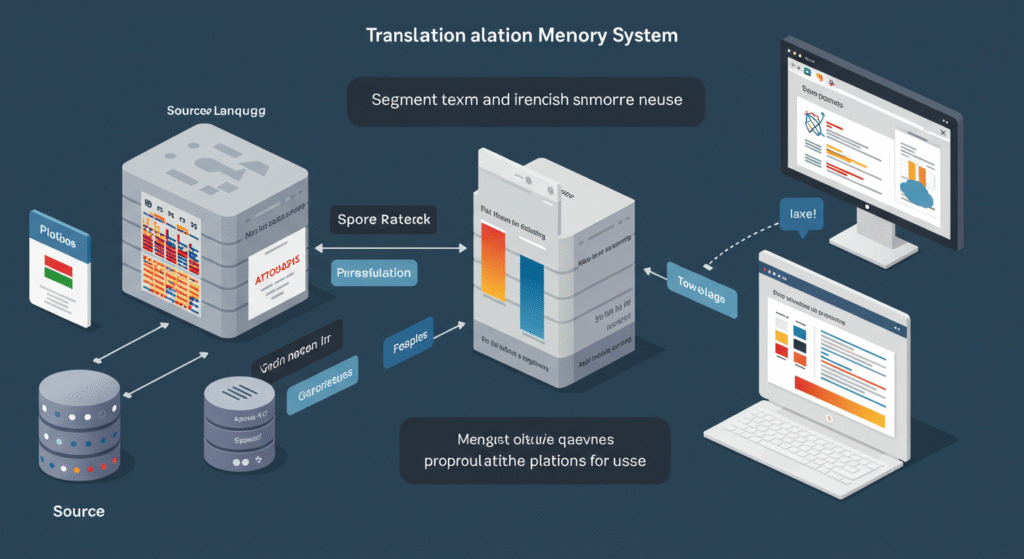
Translation Memory databases employ sophisticated organizational structures that optimize content retrieval while maintaining translation quality and context preservation across diverse project types and client requirements. The system organizes translation units hierarchically, with project-specific databases, client-specific repositories, and subject-matter collections that can be combined or separated based on specific translation needs and quality control requirements.
Metadata tagging systems allow Translation Memory databases to store extensive contextual information alongside each translation unit, including document type, client specifications, subject matter categories, and quality ratings that help translators understand when and how to apply stored translations. This contextual information prevents inappropriate reuse of translations that may be accurate linguistically but inappropriate for specific contexts or audiences.
The database architecture supports version control systems that track translation evolution over time, allowing translators to access historical versions while maintaining current approved translations. This capability proves particularly valuable for organizations with evolving terminology or style preferences that require consistent updates across their entire translated content library.
Access control mechanisms ensure that sensitive or proprietary translations remain secure while allowing appropriate sharing of general content that can benefit multiple translators or projects. Client-specific databases protect confidential information while building valuable repositories that improve efficiency for ongoing relationships with consistent terminology and style requirements.
Search and filtering capabilities enable translators to locate specific translations quickly, even within massive databases containing millions of translation units. Advanced search functions support term-based queries, contextual searches, and pattern matching that help translators find relevant content efficiently during active translation work.
What is a Translation Memory and How Does It Work: Matching Algorithms and Quality Assessment
The matching algorithms that power Translation Memory systems represent sophisticated computational processes that analyze linguistic similarity across multiple dimensions, considering not just word-for-word correspondence but also grammatical structure, contextual meaning, and semantic relationships that determine translation relevance and quality. These algorithms continuously evolve to provide more accurate matching while reducing false positives that could mislead translators.
Exact matches occur when source text perfectly corresponds to previously translated content, allowing for immediate reuse with minimal verification required. The system highlights these matches prominently, enabling translators to confirm appropriateness quickly while focusing their attention on new content that requires original translation work. Quality control measures ensure that exact matches maintain accuracy over time.
Fuzzy matching capabilities identify content with varying degrees of similarity, typically expressed as percentage values that help translators understand how much editing may be required. High-percentage fuzzy matches often need only minor adjustments for punctuation, numbers, or minor word variations, while lower-percentage matches provide useful starting points that still require substantial translator input and creativity.
Context matching analyzes surrounding content to determine whether similar translations are appropriate for specific situations, preventing the application of technically correct translations that may be inappropriate for particular contexts. This sophisticated analysis considers document type, intended audience, and subject matter to ensure that suggested translations align with project requirements.
Quality scoring systems evaluate translation suggestions based on multiple factors, including translator expertise, client approval history, and usage frequency across successful projects. These quality indicators help translators make informed decisions about accepting, modifying, or rejecting Translation Memory suggestions while building confidence in the system’s recommendations.
What is a Translation Memory and How Does It Work: Integration with Professional Translation Workflows
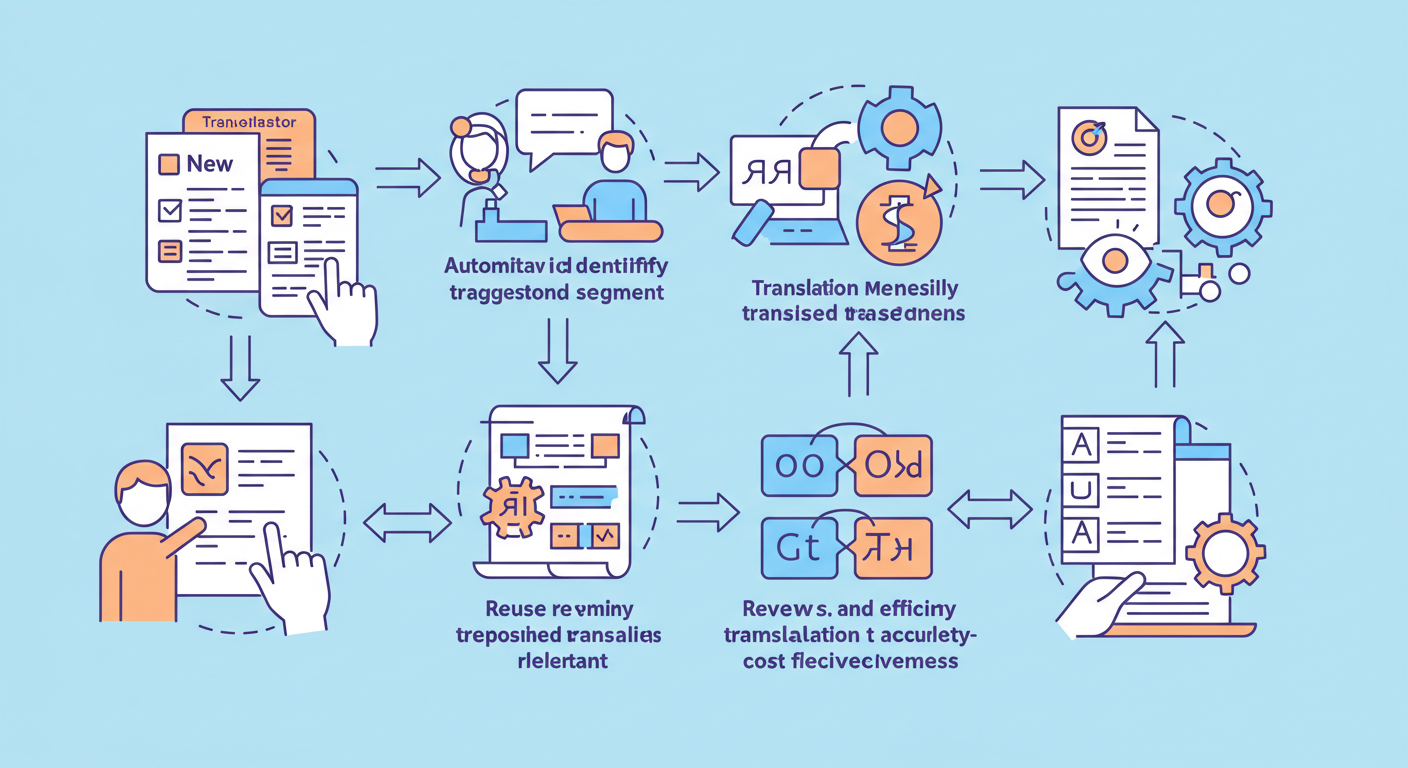
Professional translation workflows incorporate Translation Memory technology seamlessly into established processes, creating enhanced productivity without disrupting the human expertise and creative judgment that distinguish professional translation from automated alternatives. The integration supports collaborative work environments where multiple translators contribute to large projects while maintaining consistency and quality standards throughout the entire translation process.
Project management systems coordinate Translation Memory access across translator teams, ensuring that all contributors work with the same terminology databases and quality standards while preventing conflicts that could compromise project consistency. Real-time synchronization keeps all team members current with the latest approved translations and terminology decisions made during the project lifecycle.
Quality assurance processes integrate Translation Memory data to identify inconsistencies, track terminology usage, and ensure that translations meet established standards across all project components. Automated quality checks flag potential issues while human reviewers maintain final authority over translation decisions, creating balanced workflows that combine technological efficiency with professional oversight.
Client collaboration features allow direct stakeholder input into Translation Memory development, with approval workflows that ensure client preferences and terminology requirements are incorporated into future translation suggestions. This collaborative approach builds more valuable Translation Memory databases while strengthening client relationships through demonstrated attention to their specific needs and preferences.
Reporting and analytics capabilities provide detailed insights into Translation Memory effectiveness, showing cost savings, time reductions, and consistency improvements achieved through the technology. These metrics help both translation services and clients understand the value generated by Translation Memory investments while identifying opportunities for further optimization.
What is a Translation Memory and How Does It Work: Cost Benefits and Efficiency Gains
Translation Memory technology generates substantial cost benefits for organizations with recurring translation needs, creating economies of scale that make professional translation services more accessible while maintaining quality standards that support effective multilingual communication. The financial advantages compound over time as Translation Memory databases grow and provide increasing value for subsequent translation projects.
Match-based pricing structures allow clients to pay reduced rates for content that leverages existing Translation Memory assets, with exact matches often available at significant discounts compared to new translation work. These pricing models recognize the reduced effort required when high-quality translations already exist while encouraging the development of comprehensive Translation Memory databases that benefit all stakeholders.
Project turnaround times decrease substantially when Translation Memory systems provide high match rates, allowing translators to focus their expertise on new content while efficiently processing familiar materials. This efficiency enables faster project delivery without compromising quality, helping clients meet tight deadlines while maintaining professional translation standards.
Consistency improvements reduce revision requirements and eliminate the costs associated with inconsistent terminology or style variations that can confuse readers or undermine professional credibility. Translation Memory ensures that approved terminology and phrasing remain consistent across all documents, reducing the need for extensive editing and revision cycles.
Long-term cost savings become particularly significant for organizations maintaining large volumes of multilingual content, as Translation Memory databases continue growing and providing value across multiple years of translation projects. The initial investment in Translation Memory development pays dividends through reduced per-word costs and faster project completion times.
What is a Translation Memory and How Does It Work: Quality Control and Consistency Management
Quality control mechanisms integrated within Translation Memory systems ensure that stored translations maintain accuracy and appropriateness while preventing the propagation of errors that could compromise future translation quality. These systems combine automated checking with human oversight to create robust quality assurance processes that protect translation integrity over time.
Approval workflows require qualified linguists to review and validate Translation Memory entries before they become available for reuse, ensuring that only high-quality translations enter the database. Multi-level review processes may involve senior translators, subject matter experts, and client representatives depending on the content sensitivity and quality requirements.
Consistency monitoring tools identify terminology variations and style discrepancies within Translation Memory databases, flagging potential issues that require resolution to maintain coherent translation standards. These tools help maintain unified terminology across large projects and extended time periods while accommodating legitimate variations that may be appropriate for different contexts.
Error tracking and correction systems allow for the identification and remediation of translation issues discovered after initial approval, ensuring that Translation Memory databases remain current and accurate. Version control capabilities maintain historical records while implementing corrections that improve future translation quality.
Regular database maintenance processes remove outdated translations, resolve conflicts between alternative translations, and optimize database performance to ensure reliable operation during active translation projects. These maintenance activities protect Translation Memory investments while ensuring consistent system performance.
What is a Translation Memory and How Does It Work: Industry-Specific Applications and Customization
Different industries require specialized Translation Memory configurations that accommodate unique terminology, regulatory requirements, and communication standards specific to their operational environments. Healthcare organizations need Translation Memory systems that handle medical terminology precisely while maintaining patient safety through accurate translation of symptoms, treatments, and pharmaceutical information.
Legal Translation Memory applications must accommodate jurisdiction-specific terminology while ensuring that legal concepts translate appropriately across different legal systems. The complexity of legal language requires specialized databases that understand the nuanced relationships between legal terms in different languages and jurisdictions.
Technical industries benefit from Translation Memory systems that handle complex technical terminology, part numbers, and specification details that must remain consistent across user manuals, maintenance procedures, and safety documentation. These applications often integrate with product databases to ensure accuracy and consistency in technical translation work.
Financial services require Translation Memory systems that handle regulatory terminology, accounting standards, and investment product descriptions that must comply with local regulations while maintaining accuracy in financial reporting and client communications. Currency conversions and numerical data require special handling to prevent errors.
Marketing and advertising applications need Translation Memory systems that balance consistency with creativity, allowing for brand message consistency while accommodating cultural adaptations that make marketing materials effective in different regions. These systems must support both literal accuracy and creative adaptation as appropriate for different content types.
What is a Translation Memory and How Does It Work: Technology Evolution and Future Developments
Translation Memory technology continues evolving rapidly, incorporating artificial intelligence, machine learning, and advanced linguistic analysis capabilities that improve matching accuracy while expanding the types of content that can benefit from memory-based translation approaches. These developments promise even greater efficiency gains while maintaining the quality standards that professional translation requires.
Machine learning algorithms analyze Translation Memory usage patterns to identify optimization opportunities, suggesting database improvements and highlighting areas where additional translation resources might provide the greatest benefit. These intelligent systems learn from translator behavior to improve suggestion accuracy and reduce the time required for translation decision-making.
Cloud-based Translation Memory systems enable global collaboration while providing the scalability needed for large organizations with substantial multilingual content requirements. These platforms support distributed translator teams while maintaining centralized quality control and consistency management across all projects and locations.
Integration with content management systems and publishing platforms creates seamless workflows where Translation Memory technology operates transparently within existing business processes. These integrations reduce manual data handling while ensuring that translated content benefits from Translation Memory capabilities automatically.
Advanced analytics and reporting capabilities provide deeper insights into Translation Memory performance, helping organizations optimize their multilingual content strategies while demonstrating the return on investment achieved through professional translation services supported by sophisticated technology platforms.
What is a Translation Memory and How Does It Work: Implementation Strategies for Maximum Value
Successful Translation Memory implementation requires strategic planning that aligns technology capabilities with organizational translation needs while establishing processes that maximize long-term value creation. Organizations must consider their content volume, translation frequency, and consistency requirements when developing Translation Memory strategies that support their multilingual communication objectives.
Database seeding strategies use existing translated materials to populate Translation Memory systems quickly, providing immediate value while establishing foundations for future growth. Professional translation services can help identify suitable existing content while ensuring that seeded translations meet quality standards appropriate for reuse in future projects.
Terminology management integration ensures that Translation Memory systems work harmoniously with controlled vocabulary systems, creating comprehensive linguistic resources that support consistent translation across all content types. This coordination prevents conflicts between terminology databases and translation memories while ensuring comprehensive linguistic consistency.
Training programs help translators understand Translation Memory capabilities while developing skills that maximize technology benefits without compromising translation quality or creative judgment. Effective training balances technological efficiency with the linguistic expertise and cultural sensitivity that distinguish professional translation from automated alternatives.
Performance monitoring and optimization processes track Translation Memory effectiveness while identifying opportunities for improvement in matching algorithms, database organization, and workflow integration. Regular assessment ensures that Translation Memory systems continue providing maximum value as organizational needs evolve and content volumes grow.
What is a Translation Memory and How Does It Work: Choosing Professional Services with Advanced Capabilities
Selecting professional translation services with advanced Translation Memory capabilities requires understanding how different providers implement this technology and the value they can deliver for your specific multilingual content requirements. Not all translation services offer equivalent Translation Memory sophistication, making careful evaluation essential for organizations seeking maximum benefit from this powerful technology.
Service provider evaluation should examine Translation Memory database quality, matching algorithm sophistication, and integration capabilities that affect both immediate project outcomes and long-term value creation. Providers with extensive, well-maintained Translation Memory databases can offer immediate benefits while those with advanced matching capabilities provide superior efficiency and accuracy.
Client-specific Translation Memory development requires providers capable of building and maintaining dedicated databases that reflect unique terminology, style preferences, and quality standards. This customization capability becomes particularly valuable for organizations with specialized vocabularies or specific consistency requirements that generic databases cannot accommodate.
Technology platform compatibility ensures that Translation Memory systems integrate effectively with existing content management systems, publishing platforms, and workflow management tools used within your organization. Seamless integration reduces manual handling while maximizing the efficiency gains available through Translation Memory technology.
Quality assurance processes specific to Translation Memory management demonstrate provider commitment to maintaining database accuracy and consistency over time. These processes protect your Translation Memory investment while ensuring that stored translations continue meeting your quality standards as databases grow and evolve.
Professional translation services represent a strategic investment in your organization’s multilingual communication capabilities, with Translation Memory technology providing substantial value enhancement that justifies partnering with experienced providers who understand both the technical capabilities and practical applications that support your success.
The sophistication of modern Translation Memory systems enables unprecedented levels of efficiency and consistency while maintaining the quality standards that effective multilingual communication requires.
Understanding Translation Memory capabilities helps you make informed decisions about translation service selection while recognizing the long-term value that professional providers create through technological expertise combined with linguistic skills.
Organizations that invest in professional translation services with advanced translation memory capabilities see immediate benefits through reduced costs and faster delivery times, while building valuable linguistic assets that provide increasing returns over time.
The future of professional translation lies in the intelligent combination of advanced technology with human expertise, creating solutions that deliver superior results while remaining cost-effective for organizations of all sizes. Translation Memory technology exemplifies this balance, providing powerful tools that enhance rather than replace professional translator skills while creating measurable value for clients seeking effective multilingual communication solutions.
Directline Translator combines cutting-edge Translation Memory technology with experienced professional translators to deliver superior value for clients with diverse multilingual content needs.
Our comprehensive Translation Memory capabilities, combined with rigorous quality control processes and client-focused service delivery, ensure that your translation investments provide maximum return while supporting your ongoing success in global markets and multilingual communication environments.
FAQs On What is a Translation Memory and How Does It Work?

Q: What is a Translation Memory and how does it differ from machine translation? A: Translation Memory stores previously translated segments by human professionals for reuse, while machine translation automatically generates new translations. Translation Memory maintains human quality and context awareness that machine translation cannot match.
Q: How much can Translation Memory reduce my translation costs? A: Cost savings depend on content repetition levels, but organizations typically see 15-40% cost reductions on projects with high match rates, with savings increasing over time as Translation Memory databases grow.
Q: Can Translation Memory work with all types of documents? A: Translation Memory works effectively with most document types, though creative content like marketing materials may have lower match rates than technical documentation due to the need for original, contextually appropriate translations.
Q: How long does it take to build an effective Translation Memory database? A: Translation Memory databases begin providing value immediately and grow with each project. Significant benefits typically appear after translating 50,000-100,000 words of similar content types.
Q: Who owns the Translation Memory created from my projects? A: Translation Memory ownership varies by service provider. Many professional services offer client-owned databases that you can access and transfer, while others maintain shared databases with appropriate confidentiality protections.
Q: Can Translation Memory handle multiple languages simultaneously? A: Advanced Translation Memory systems support multiple language pairs and can manage complex multilingual projects efficiently, with some systems capable of leveraging translations between related languages.
Q: What happens to Translation Memory when my content or terminology changes? A: Translation Memory databases can be updated, modified, and maintained to reflect terminology changes, ensuring that stored translations remain current and accurate for ongoing translation needs.
Q: How secure is my confidential information in Translation Memory systems? A: Professional translation services implement robust security measures including encryption, access controls, and confidentiality agreements to protect sensitive information stored in Translation Memory databases.
Q: Can I use Translation Memory for languages with different writing systems? A: Yes, modern Translation Memory systems support all major writing systems and can handle complex scripts, right-to-left languages, and character-based languages effectively.
Q: How do I measure the return on investment from Translation Memory technology? A: ROI measurement includes cost savings from match-based pricing, reduced revision time, faster project delivery, and improved consistency that reduces long-term maintenance costs for multilingual content.