
 directlineauthors

Communication barriers have plagued global interactions for centuries, but modern technology offers solutions that would have seemed impossible just decades ago. Video Remote Interpretation (VRI) represents one of these groundbreaking innovations, transforming how people connect across language divides through real-time visual communication. This technology combines the immediacy of video calling with professional interpretation services, creating a bridge that spans both linguistic and geographical distances.
Video Remote Interpretation (VRI) has become increasingly vital in our interconnected world, where instant communication can mean the difference between success and failure in business, healthcare, legal proceedings, and countless other scenarios. Unlike traditional phone-based interpretation, VRI adds the critical visual element that captures non-verbal cues, facial expressions, and gestures that often carry as much meaning as spoken words themselves.
At Directline Translator, we’ve witnessed firsthand how this technology revolutionizes communication experiences across industries. The demand for immediate, high-quality interpretation services continues growing as organizations recognize the value of connecting with diverse audiences in their native languages. Through our comprehensive VRI platform, we’ve helped thousands of clients break down language barriers while maintaining the personal touch that face-to-face communication provides.
The beauty of VRI lies in its ability to bring professional interpreters directly into any conversation, regardless of location or time constraints. Whether you’re conducting an emergency medical consultation, facilitating an international business meeting, or providing customer support to a global audience, VRI ensures that language never becomes an obstacle to meaningful communication. Stay with us as we explore every aspect of this transformative technology and how it can reshape your approach to multilingual communication.
How Video Remote Interpretation (VRI) Works in Real-Time Communication
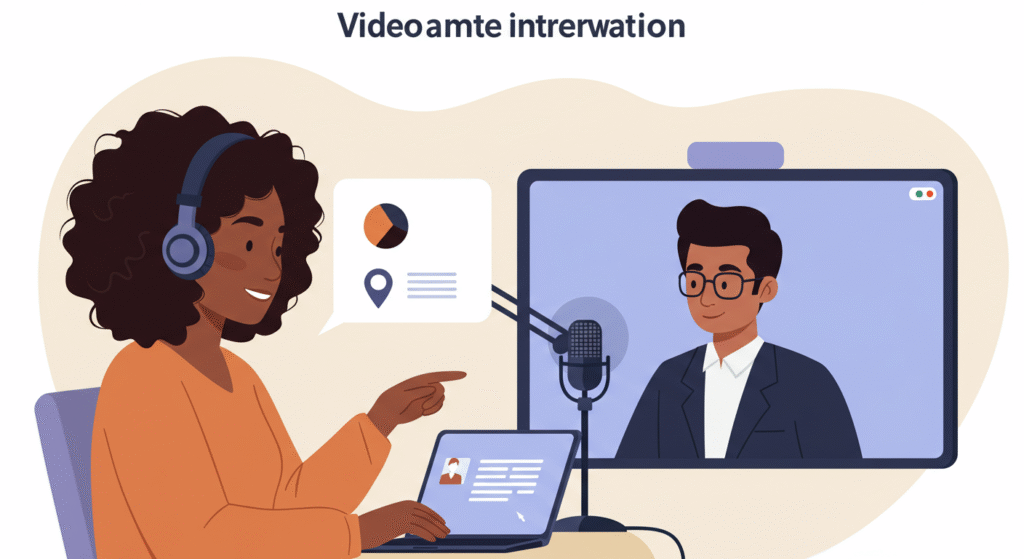
The mechanics behind VRI technology are both sophisticated and elegantly simple. When a client needs interpretation services, they connect to a secure video platform where a certified interpreter joins the conversation within seconds. This three-way video conference allows all participants to see each other, creating a natural communication flow that closely mimics in-person interactions.
Professional interpreters access the video session through high-definition cameras and crystal-clear audio equipment, ensuring they can accurately capture every nuance of the conversation. The technology supports multiple viewing modes, allowing interpreters to focus on speakers individually or view all participants simultaneously. This flexibility proves essential when interpreting group discussions or complex negotiations where multiple parties contribute to the dialogue.
The interpretation process happens in real-time, with skilled linguists immediately converting speech from the source language to the target language. Participants can choose between consecutive interpretation, where the interpreter speaks after each segment, or simultaneous interpretation, where translation occurs alongside the original speech. The visual component adds tremendous value because interpreters can observe body language, facial expressions, and environmental context that significantly impact meaning.
Modern VRI platforms integrate seamlessly with existing communication systems, from hospital networks to corporate video conferencing solutions. Cloud-based infrastructure ensures reliable connections even during high-demand periods, while automated load balancing distributes traffic across multiple servers to maintain optimal performance. Advanced encryption protocols protect sensitive conversations, making VRI suitable for confidential business discussions and private medical consultations.
Quality assurance features monitor connection strength, audio clarity, and video resolution throughout each session. If technical issues arise, the system automatically adjusts settings or routes connections through alternative pathways to maintain service continuity. These robust technical foundations make VRI a dependable solution for mission-critical communications where accuracy and reliability cannot be compromised.
Industries Benefiting Most from Video Remote Interpretation (VRI) Services
Healthcare organizations represent one of the largest adopters of VRI technology, and for compelling reasons. Medical emergencies don’t wait for convenient scheduling, and language barriers can literally mean the difference between life and death. Emergency rooms use VRI to communicate with patients who speak dozens of different languages, ensuring accurate symptom reporting and treatment understanding. The visual component allows medical interpreters to observe patient reactions and non-verbal responses that inform diagnosis and treatment decisions.
Legal systems increasingly rely on VRI for court proceedings, depositions, and client consultations. Attorneys can conduct confidential meetings with international clients without the expense and delay of arranging in-person interpreters. Court systems use VRI for arraignments, hearings, and witness testimony, maintaining the integrity of legal proceedings while accommodating participants who speak various languages. The recorded nature of many VRI sessions also provides valuable documentation for legal records.
Financial institutions have embraced VRI to serve diverse customer bases while maintaining regulatory compliance. Banking regulations often require certain conversations to occur with professional interpretation, and VRI makes this requirement manageable and cost-effective. Investment firms use VRI for international client meetings, ensuring that complex financial concepts are accurately communicated regardless of language differences.
Educational institutions employ VRI for parent-teacher conferences, student counseling sessions, and administrative meetings. Schools with diverse student populations can connect with parents who speak different languages, fostering stronger family engagement in education. Universities use VRI for international student orientation, academic advising, and disciplinary proceedings, ensuring equal access to educational opportunities.
Government agencies utilize VRI for citizen services, immigration proceedings, and social services delivery. Municipal offices can assist residents in their preferred languages, improving community relations and service accessibility. Federal agencies use VRI for benefits applications, compliance interviews, and program enrollment, ensuring that language differences don’t prevent citizens from accessing government services.
Technical Requirements for Effective Video Remote Interpretation (VRI)
Successful VRI implementation depends on robust technical infrastructure that supports high-quality video and audio transmission. Internet bandwidth requirements vary based on video resolution and participant numbers, but most professional VRI applications need at least 1 Mbps upload and download speeds per participant. Higher bandwidth allocations improve video quality and reduce latency, creating more natural conversation flows.
Video resolution significantly impacts interpreter effectiveness and participant satisfaction. While basic VRI can function with 480p video, professional applications typically require 720p or 1080p resolution to capture facial expressions and visual details clearly. Camera quality matters tremendously – professional-grade webcams with auto-focus and wide-angle capabilities provide superior results compared to basic laptop cameras.
Audio quality often proves more critical than video quality for interpretation accuracy. Professional microphones with noise cancellation features help interpreters distinguish speech from background sounds. Echo cancellation technology prevents audio feedback that can disrupt conversations, while automatic gain control maintains consistent volume levels throughout sessions. Many organizations invest in dedicated audio equipment rather than relying on built-in computer microphones.
Network stability and redundancy planning protect against service interruptions that could compromise important communications. Wired internet connections generally provide more reliable performance than wireless networks, particularly in high-stakes situations. Backup internet connections, such as cellular hotspots or secondary broadband services, ensure service continuity if primary connections fail.
Security considerations for VRI platforms must address data privacy, conversation confidentiality, and regulatory compliance requirements. End-to-end encryption protects conversation content during transmission, while secure authentication systems prevent unauthorized access to interpretation sessions. Many industries require VRI platforms to meet specific security standards, such as HIPAA compliance for healthcare applications or financial services regulations for banking communications.
Cost Comparison: Traditional vs Video Remote Interpretation (VRI) Solutions
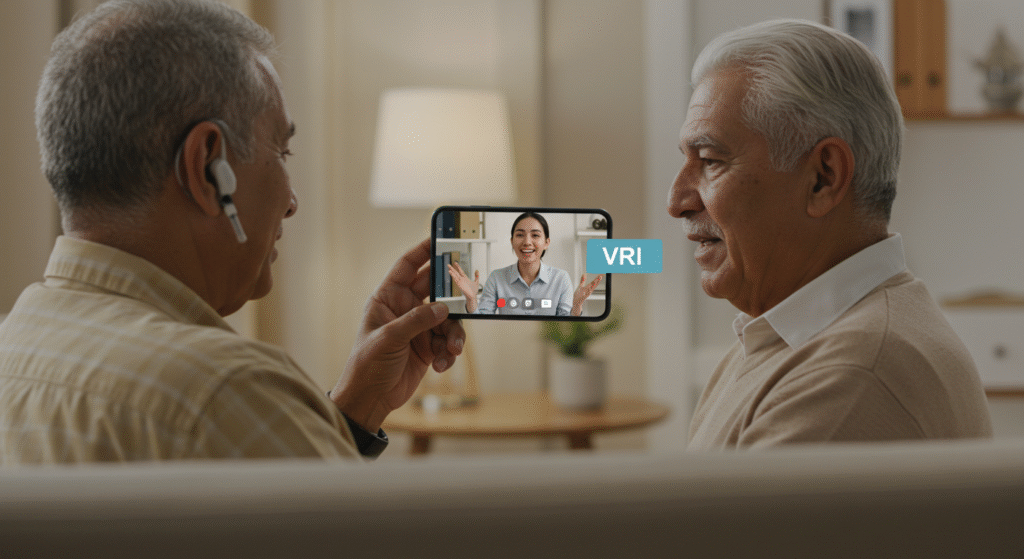
Traditional in-person interpretation services carry substantial overhead costs that extend far beyond interpreter fees. Organizations must account for travel expenses, accommodation costs, scheduling constraints, and minimum time commitments that often result in paying for unused hours. A single in-person interpretation session might require several hours of travel time and overnight accommodation, multiplying the total cost significantly.
VRI eliminates most geographic limitations, dramatically reducing costs associated with interpreter travel and scheduling. Clients pay only for actual interpretation time, typically billed in precise minute increments rather than minimum hourly blocks. This granular billing approach proves particularly cost-effective for shorter interactions or unpredictable communication needs where traditional scheduling becomes impractical.
The scalability advantages of VRI become apparent when organizations need interpretation services across multiple locations or time zones. Instead of coordinating multiple in-person interpreters, a single VRI platform can serve diverse needs simultaneously. Large organizations often negotiate volume discounts that further reduce per-minute costs while maintaining service quality across all locations.
Emergency situations highlight VRI’s cost-effectiveness most clearly. Traditional services might charge premium rates for urgent requests or after-hours availability, while VRI platforms typically maintain consistent pricing regardless of timing. The immediate availability of VRI services prevents costly delays that could impact business operations, medical treatments, or legal proceedings.
However, fair cost analysis must consider situations where traditional interpretation provides superior value. Complex technical discussions, multi-day conferences, or culturally sensitive negotiations might benefit from in-person interpretation despite higher costs. The key lies in matching service types to specific communication needs, using VRI for routine interactions while reserving traditional services for specialized requirements.
Quality Assurance in Video Remote Interpretation (VRI) Platforms
Professional VRI platforms implement comprehensive quality assurance programs that begin with rigorous interpreter certification processes. Certified interpreters must demonstrate proficiency in multiple languages, complete specialized training in remote interpretation techniques, and maintain ongoing education requirements. Regular performance evaluations ensure that interpreters maintain high standards throughout their careers.
Technology quality monitoring occurs at multiple levels, from real-time session analysis to comprehensive platform performance reviews. Automated systems track video resolution, audio clarity, connection stability, and session completion rates, identifying potential issues before they impact user experiences. These metrics inform infrastructure improvements and help predict capacity requirements during peak usage periods.
User feedback collection provides valuable insights into interpretation quality and technical performance. Post-session surveys capture client satisfaction data, interpreter effectiveness ratings, and technical issue reports. This feedback drives continuous improvement initiatives and helps identify training opportunities for interpreters who need additional development.
Session recording capabilities, where legally permitted, allow for quality review and dispute resolution. Supervisory staff can review interpretation accuracy, assess technical performance, and provide constructive feedback to interpreters. These recordings also serve as training materials for new interpreters, showcasing best practices and common challenges in remote interpretation scenarios.
Compliance monitoring ensures that VRI services meet industry-specific regulations and professional standards. Healthcare VRI platforms must comply with HIPAA requirements, while legal interpretation services must meet court system standards. Regular audits verify that quality assurance processes effectively maintain these compliance requirements while supporting operational efficiency.
Security and Privacy in Video Remote Interpretation (VRI) Systems
Data security represents a paramount concern for VRI platforms, particularly when handling sensitive medical, legal, or financial communications. Modern VRI systems employ military-grade encryption protocols that protect conversations during transmission and storage. Advanced encryption standards ensure that intercepted data remains unreadable even if security breaches occur.
Identity verification processes prevent unauthorized access to interpretation sessions while maintaining user convenience. Multi-factor authentication combines password protection with secondary verification methods, such as mobile device confirmation or biometric identification. These security layers protect against both external threats and internal security breaches.
Privacy policies and data retention practices must align with applicable regulations while supporting operational requirements. GDPR compliance affects European clients, while HIPAA requirements govern healthcare communications in the United States. VRI platforms typically implement data minimization practices, collecting only necessary information and deleting session data according to predefined schedules.
Network security measures protect VRI platforms from cyber attacks that could disrupt services or compromise user data. Firewall protection, intrusion detection systems, and regular security updates maintain platform integrity against evolving threats. Cloud-based VRI services often provide superior security compared to on-premises solutions, leveraging enterprise-grade security infrastructure that individual organizations couldn’t afford independently.
Confidentiality agreements and professional ethics standards govern interpreter conduct and information handling. Professional interpreters sign comprehensive confidentiality agreements and complete ethics training that emphasizes privacy protection. These measures ensure that sensitive information shared during interpretation sessions remains confidential regardless of technical security measures.
Integration Capabilities of Video Remote Interpretation (VRI) with Existing Systems
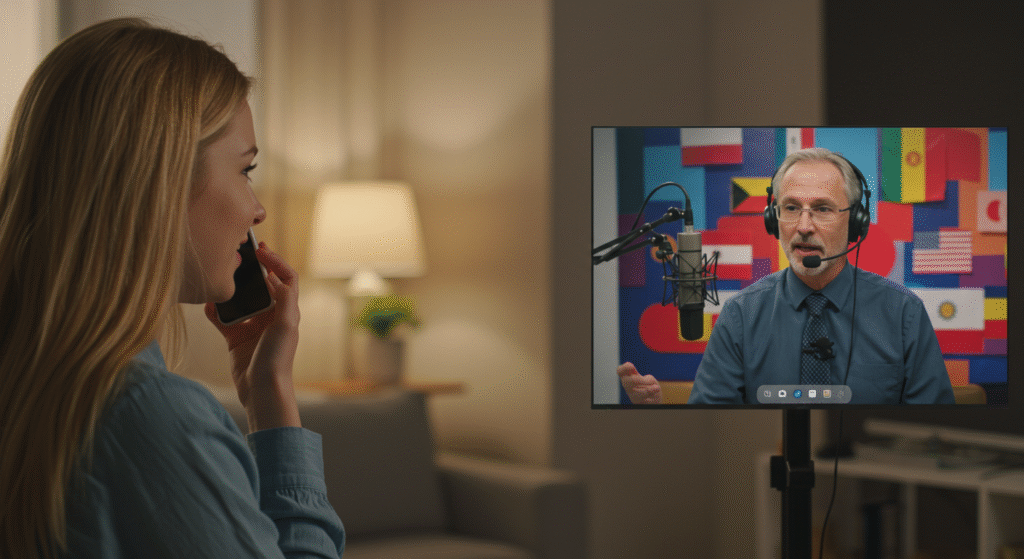
Modern VRI platforms offer extensive integration capabilities that allow seamless incorporation into existing communication systems. Application Programming Interfaces (APIs) enable custom integrations with electronic health records, customer relationship management systems, and enterprise communication platforms. These integrations eliminate the need for separate logins or duplicate data entry, streamlining workflows and improving user adoption.
Healthcare systems benefit tremendously from EMR integration, where VRI services can be launched directly from patient records. Medical staff can initiate interpretation sessions with a single click while maintaining access to patient information, medication lists, and treatment histories. This integration improves efficiency and reduces the risk of medical errors that could result from incomplete information sharing.
Legal case management systems integrate with VRI platforms to provide comprehensive documentation and billing integration. Attorneys can schedule interpretation services directly from case files, automatically track billable time, and maintain detailed records of all interpretation activities. These integrations simplify administrative tasks while ensuring accurate client billing and case documentation.
Corporate communication platforms, such as Microsoft Teams or Zoom, often support VRI integration through third-party applications or direct partnerships. Employees can add interpretation services to existing meetings without switching platforms or learning new interfaces. This seamless integration encourages adoption and ensures that language barriers don’t prevent participation in important business communications.
Educational management systems benefit from VRI integration for parent communications and student support services. School administrators can schedule interpretation services for parent-teacher conferences directly from student information systems, ensuring that language differences don’t prevent family engagement in education. These integrations also support compliance documentation required by educational regulations.
Training and Certification Requirements for Video Remote Interpretation (VRI) Providers
Professional VRI interpreters must complete specialized training programs that address both traditional interpretation skills and remote-specific challenges. These programs cover cultural competency, professional ethics, technical proficiency, and industry-specific terminology. Training duration varies by language pair and specialization, typically ranging from several weeks for basic certification to months for specialized fields like medical or legal interpretation.
Certification requirements vary by industry and jurisdiction, but most professional VRI services require interpreters to hold recognized credentials from established organizations. Medical interpreters might need certification from the Certification Commission for Healthcare Interpreters, while court interpreters require state-specific certifications. These credentials ensure that interpreters possess the knowledge and skills necessary for accurate, professional interpretation.
Ongoing education requirements maintain interpreter competency as languages evolve and industries change. Professional development programs cover emerging terminology, cultural shifts, and technological advances that impact interpretation quality. Many certification bodies require annual continuing education hours to maintain active certification status.
Technical training addresses the unique challenges of remote interpretation, including managing technology, dealing with connection issues, and maintaining engagement without physical presence. Interpreters learn to use VRI platforms effectively, troubleshoot common technical problems, and adapt their interpretation techniques for video-based communication. This training proves essential for providing professional services in remote environments.
Language-specific training ensures that interpreters maintain proficiency in all working languages while developing specialized vocabularies for different industries. Medical interpreters study anatomy, pharmacology, and treatment procedures, while legal interpreters focus on court procedures, legal terminology, and constitutional principles. This specialized knowledge enables accurate interpretation of complex professional communications.
Global Accessibility Through Video Remote Interpretation (VRI) Services
VRI technology dramatically expands access to professional interpretation services in underserved communities and remote locations. Rural hospitals can access medical interpreters for languages that would otherwise require hours of travel or delayed treatment. Educational institutions in small communities can provide interpretation services for diverse student populations without the expense of maintaining full-time interpretation staff.
Time zone advantages allow VRI platforms to provide 24/7 interpretation services by connecting with interpreters across different geographic regions. When businesses in North America need after-hours interpretation, they can connect with interpreters in Asia or Europe where business hours are active. This global interpreter network ensures availability for emergency situations and international business communications.
Developing regions benefit from VRI access to interpretation services that might otherwise be unavailable or prohibitively expensive. International aid organizations use VRI to communicate with local communities during disaster relief efforts. Medical missions rely on VRI for patient communications when local interpreters aren’t available for specific language pairs.
Disability accommodation becomes more manageable through VRI platforms that support assistive technologies. Screen readers, hearing aids, and other assistive devices can integrate with VRI platforms to improve accessibility for users with disabilities. Visual interpretation for sign language users proves particularly effective through high-resolution video connections that capture detailed hand movements and facial expressions.
Cross-cultural competency training for VRI interpreters addresses the unique challenges of serving global audiences with diverse cultural backgrounds. Interpreters learn to navigate cultural differences that could impact communication effectiveness, ensuring that messages are not only linguistically accurate but culturally appropriate. This cultural awareness proves essential for successful international business communications and cross-cultural social services.
Future Innovations in Video Remote Interpretation (VRI) Technology
Artificial intelligence integration represents the next frontier for VRI technology, though human interpreters will remain essential for nuanced, high-stakes communications. AI-powered features might include real-time transcription services, terminology suggestions, and quality assurance monitoring. These tools can enhance human interpreter performance without replacing the cultural competency and contextual understanding that professional interpreters provide.
Virtual and augmented reality technologies could transform VRI experiences by creating more immersive communication environments. Participants might share virtual meeting spaces that feel more natural than traditional video conferences. Augmented reality features could overlay helpful information, such as technical diagrams or cultural context, directly into interpreter and participant views.
Mobile technology advances continue improving VRI accessibility and quality. Smartphone cameras now rival professional equipment, while 5G networks provide sufficient bandwidth for high-quality video streaming. Mobile VRI applications allow interpretation services to be accessed from virtually anywhere, supporting emergency communications and remote business operations.
Cloud computing innovations enable more sophisticated VRI platforms with improved reliability and scalability. Edge computing reduces latency by processing video streams closer to end users, creating more natural conversation flows. Advanced load balancing and failover systems ensure service continuity even during peak demand periods or infrastructure disruptions.
Machine learning algorithms analyze VRI session data to identify patterns and improvement opportunities. These insights inform interpreter training programs, technical infrastructure upgrades, and service delivery enhancements. Predictive analytics might forecast interpretation demand, enabling proactive capacity planning and resource allocation.
Video Remote Interpretation has fundamentally changed how organizations approach multilingual communication, providing immediate access to professional interpretation services regardless of location or time constraints. The technology combines the personal connection of face-to-face communication with the convenience and cost-effectiveness of remote services, creating solutions that were unimaginable just a few years ago.
As businesses become increasingly global and communities more diverse, VRI will continue playing a vital role in breaking down language barriers that limit opportunities and understanding. The technology’s evolution promises even greater accessibility, quality, and integration capabilities that will expand its applications across new industries and use cases.
Organizations considering VRI implementation should evaluate their specific communication needs, technical requirements, and quality expectations to select platforms that align with their objectives. The investment in professional VRI services typically pays dividends through improved customer satisfaction, operational efficiency, and expanded market access that justify the initial implementation costs.
The future of multilingual communication lies in technologies like VRI that combine human expertise with technological innovation. As these platforms continue evolving, they will create new possibilities for global connection and understanding that benefit businesses, institutions, and individuals worldwide.
FAQs On Video Remote Interpretation (VRI): Bridging Distances Visually:
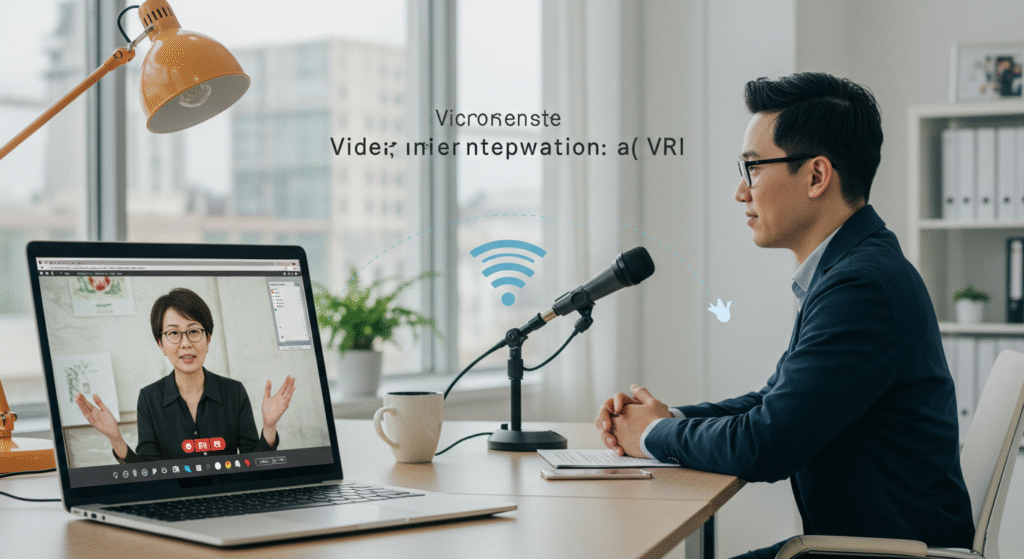
1. What is the difference between Video Remote Interpretation (VRI) and phone interpretation? VRI includes video components that allow interpreters to see facial expressions, gestures, and environmental context that significantly impact interpretation accuracy. Phone interpretation relies solely on audio, missing crucial visual cues that often carry as much meaning as spoken words.
2. How quickly can I access Video Remote Interpretation (VRI) services? Most professional VRI platforms connect users with certified interpreters within 30-60 seconds for common languages. Rare languages might require slightly longer connection times, but emergency services typically maintain interpreters available around the clock.
3. What internet speed do I need for effective Video Remote Interpretation (VRI)? Professional VRI typically requires at least 1 Mbps upload and download speeds per participant. Higher bandwidth improves video quality and reduces delays, creating more natural communication experiences.
4. Is Video Remote Interpretation (VRI) suitable for sensitive medical or legal communications? Yes, professional VRI platforms employ military-grade encryption and comply with industry-specific regulations like HIPAA for healthcare and court system requirements for legal proceedings. Security measures often exceed those of in-person interpretation.
5. Can Video Remote Interpretation (VRI) handle group conversations or meetings? Advanced VRI platforms support multi-participant sessions with features like screen sharing, document collaboration, and multiple viewing modes that help interpreters manage complex group dynamics effectively.
6. What happens if my internet connection fails during a Video Remote Interpretation (VRI) session? Professional VRI platforms include failover systems that automatically reconnect sessions when internet connections are restored. Many platforms also support backup connection methods, such as phone bridges, to maintain interpretation continuity.
7. Are Video Remote Interpretation (VRI) sessions recorded? Recording capabilities vary by platform and legal jurisdiction. Many platforms offer optional recording features for quality assurance or documentation purposes, always with appropriate consent and privacy protections in place.
8. How much does Video Remote Interpretation (VRI) cost compared to in-person interpretation? VRI typically costs 30-50% less than in-person interpretation when factoring in travel expenses, minimum time commitments, and scheduling constraints. Pricing usually follows per-minute billing rather than hourly minimums.
9. Can I integrate Video Remote Interpretation (VRI) with my existing software systems? Most professional VRI platforms offer API integration capabilities that allow seamless connection with electronic health records, customer management systems, and enterprise communication platforms.
10. What languages are available through Video Remote Interpretation (VRI) services? Professional VRI platforms typically support hundreds of languages and dialects, including sign language interpretation. Availability varies by provider, but most common business and healthcare languages have 24/7 interpreter availability.