
 directlineauthors

Communication barriers can turn simple conversations into complex challenges. Whether you’re a healthcare provider trying to explain a diagnosis to a non-English speaking patient, a legal professional conducting an important interview, or a business owner closing a deal with an international client, language differences shouldn’t stand in the way of success.
Over-the-phone interpretation has transformed how we handle multilingual communication needs. This service connects you instantly with professional interpreters through a simple phone call, breaking down language barriers in real-time. Companies like Directline Translators have perfected this approach, making professional interpretation accessible 24/7 without the logistical challenges of scheduling in-person interpreters.
The beauty of this system lies in its immediacy. You don’t need to wait days or weeks for an appointment. Instead, you can access qualified interpreters within minutes, ensuring that critical conversations happen when they need to happen. This article will walk you through everything you need to know about over-the-phone interpretation services, helping you understand how this technology can streamline your multilingual communication needs and why it might be the perfect solution for your organization.
How Over-the-Phone Interpretation Works for Immediate Communication
The process couldn’t be more straightforward. You dial a dedicated number, provide your account information or access code, and specify the language pair you need. Within moments, a qualified interpreter joins the call, ready to facilitate communication between you and your non-English speaking participant.
Most services operate on a three-way calling system. You remain on the line while the interpreter connects, creating a conference call setup. The interpreter introduces themselves, confirms the languages being used, and begins facilitating the conversation. They interpret consecutively, meaning they listen to one person speak, then render the message in the target language.
Professional interpreters follow strict protocols during these sessions. They interpret everything said, including side conversations and emotional expressions. They maintain first-person interpretation, so when your client says “I don’t understand,” the interpreter renders it as “I don’t understand” rather than “He says he doesn’t understand.” This approach maintains the natural flow of conversation and preserves the relationship between the primary speakers.
The technology behind these services has advanced significantly. High-quality phone systems ensure clear audio transmission, while sophisticated routing systems connect you with interpreters who specialize in your specific field. Whether you need medical terminology, legal language, or technical business terms, the system matches you with interpreters who understand the nuances of your industry.
Key Benefits of Over-the-Phone Interpretation Services
Time savings represent the most obvious advantage. Traditional face-to-face interpretation requires scheduling coordination, travel arrangements, and often results in delays when interpreters face traffic or other logistical issues. Phone interpretation eliminates these variables entirely. You can access professional interpreters during regular business hours or emergency situations without advance notice.
Cost effectiveness makes phone interpretation attractive for organizations of all sizes. You avoid travel expenses, minimum hour requirements, and the higher rates typically associated with on-site interpretation. Instead, you pay only for the minutes you actually use, making it budget-friendly for both frequent users and organizations with occasional interpretation needs.
The convenience factor cannot be overstated. Healthcare facilities can provide immediate language support during patient admissions, emergency situations, or routine consultations. Legal offices can conduct client interviews without scheduling delays. Government agencies can serve constituents immediately rather than asking them to return another day.
Quality remains consistently high because phone interpretation services maintain rosters of certified, experienced interpreters. These professionals undergo rigorous testing and continuing education requirements. Many hold certifications from recognized professional organizations and specialize in specific industries, ensuring accurate interpretation of technical terminology and cultural nuances.
Industries That Benefit Most from Over-the-Phone Interpretation
Healthcare organizations represent the largest users of phone interpretation services. Hospitals, clinics, and medical practices need immediate language support for patient care situations that cannot wait. Emergency departments rely heavily on these services, as medical emergencies don’t accommodate scheduling constraints. Patient safety depends on clear communication about symptoms, medical history, and treatment instructions.
Mental health professionals find phone interpretation particularly valuable. Therapy and counseling sessions require nuanced communication about emotions, thoughts, and experiences. Phone interpreters trained in mental health terminology can facilitate these sensitive conversations while maintaining the therapeutic relationship between provider and patient.
Legal professionals use over-the-phone interpretation for client consultations, depositions, and court proceedings in jurisdictions that permit remote interpretation. Immigration attorneys, family law practitioners, and criminal defense lawyers often need immediate language support during client crises or time-sensitive legal matters.
Government agencies at all levels rely on phone interpretation to serve diverse populations. Social services departments, courts, licensing bureaus, and emergency response teams use these services to ensure equal access to public services regardless of language barriers.
Choosing the Right Over-the-Phone Interpretation Provider
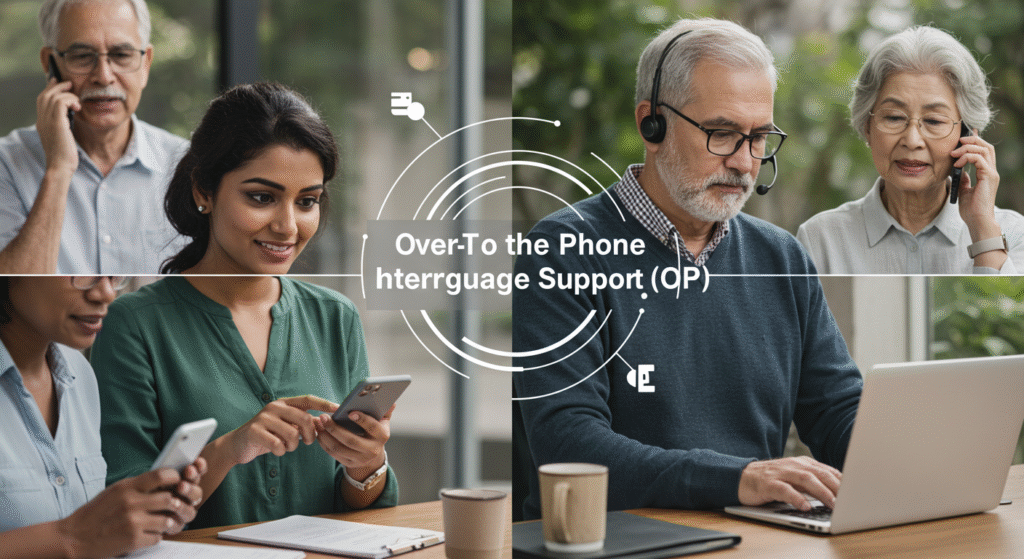
Language availability should top your evaluation criteria. Comprehensive providers offer interpretation in dozens of languages, including both common languages like Spanish, Mandarin, and Arabic, as well as less common dialects and regional variations. Verify that your chosen provider can handle the specific languages your organization encounters most frequently.
Industry specialization matters significantly. Medical interpretation requires different skills than legal or technical interpretation. Look for providers who train their interpreters in your specific field and can demonstrate experience with your type of communications. Ask about interpreter certifications and ongoing professional development requirements.
Response time commitments vary between providers. While most promise connections within two to three minutes, some guarantee faster response times for premium service levels. Consider your typical use cases and whether you need standard response times or priority access during peak hours or emergency situations.
Technology infrastructure affects call quality and reliability. Providers with redundant systems, multiple data centers, and quality monitoring capabilities offer more reliable service. Ask about their backup systems and how they handle high-volume periods or technical difficulties.
Best Practices for Effective Over-the-Phone Interpretation Sessions
Preparation improves interpretation quality significantly. Brief the interpreter about the nature of your conversation, any technical terms you might use, and the background context that might help them provide more accurate interpretation. While interpreters maintain confidentiality, providing context helps them choose appropriate terminology and register.
Speaking techniques affect interpretation accuracy. Speak clearly and at a moderate pace, pausing between sentences to allow the interpreter time to render your message completely. Avoid speaking simultaneously with the other party, as this makes interpretation impossible. Direct your conversation to the other person rather than to the interpreter.
Managing technical terminology requires special attention. When you must use complex medical, legal, or technical terms, spell them out for the interpreter or provide brief explanations. Professional interpreters are skilled, but even experts need clarification on highly specialized terminology or acronyms specific to your organization.
Creating the right environment contributes to successful sessions. Use the call in a quiet location with minimal background noise. Ensure all participants can hear clearly, and consider using speaker phones or headsets if multiple people need to participate from your end.
Technology Requirements for Over-the-Phone Interpretation Success
Basic telephone infrastructure suffices for most over-the-phone interpretation needs. Standard landlines or mobile phones work effectively, though landlines often provide more consistent audio quality. Conference calling capabilities help when multiple people need to participate from your location.
Audio quality directly impacts interpretation accuracy. Background noise, poor connections, or low-quality phones can interfere with the interpreter’s ability to hear and understand both parties clearly. If you frequently use phone interpretation, investing in higher-quality phones or headset systems pays dividends in improved communication.
Internet-based calling systems offer additional features but require stable internet connections. Voice over Internet Protocol (VoIP) systems can provide excellent audio quality and may integrate with your existing communication systems. However, ensure your internet connection can handle the call quality requirements consistently.
Recording capabilities raise important considerations. While some organizations want to record interpreted conversations for quality assurance or documentation purposes, this requires explicit consent from all parties and must comply with applicable privacy laws. Many phone interpretation services can provide call recordings when legally permissible.
Cost Considerations for Over-the-Phone Interpretation Services
Pricing models vary significantly between providers. Most charge per-minute rates that range from two to five dollars per minute, depending on the language pair, time of day, and service level. Common languages like Spanish typically cost less than rare languages or specialized dialects.
Minimum billing increments affect your total costs. Some providers bill in one-minute increments, while others require minimum session lengths or bill in larger increments. For brief interactions, these differences can significantly impact your total expenses. Calculate potential costs based on your typical usage patterns.
Volume discounts reward frequent users. Organizations that use interpretation services regularly can often negotiate better per-minute rates or monthly service plans. Some providers offer unlimited plans for high-volume users, though these work best when usage patterns are predictable.
Hidden fees can surprise unwary buyers. Watch for connection fees, after-hours surcharges, or penalties for short calls. Some providers charge premium rates for immediate connection, while others maintain consistent pricing around the clock. Read service agreements carefully to understand all potential charges.
Quality Standards in Over-the-Phone Interpretation Services
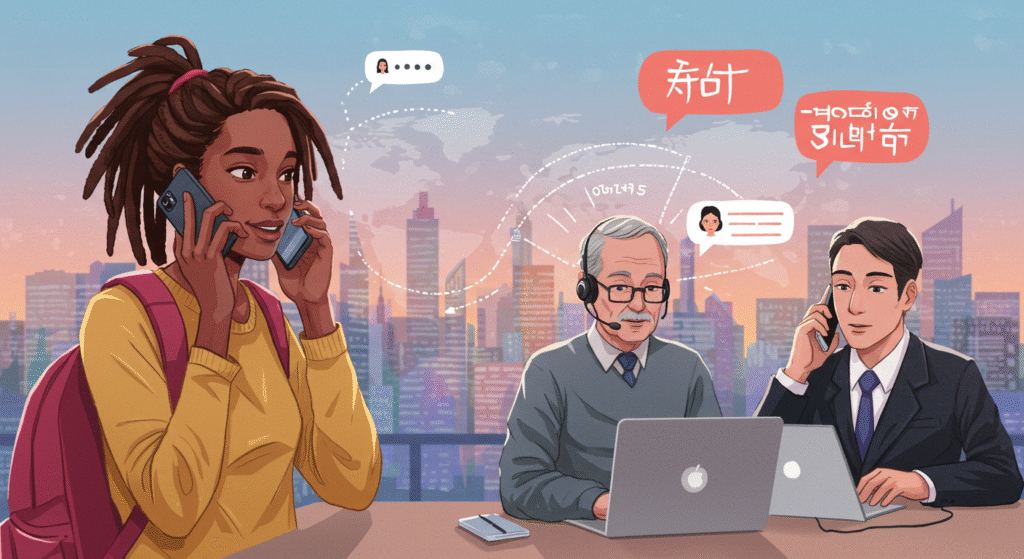
Professional certifications indicate interpreter qualifications. Look for providers whose interpreters hold credentials from recognized organizations like the Certification Commission for Healthcare Interpreters (CCHI) or the National Board of Certification for Medical Interpreters (NBCMI). These certifications require testing, continuing education, and adherence to professional standards.
Training programs shape interpreter capabilities. Comprehensive providers offer ongoing education in interpretation techniques, industry-specific terminology, and cultural competency. Ask about initial training requirements and continuing education programs that keep interpreters current with best practices.
Quality monitoring ensures consistent service delivery. Reputable providers regularly monitor calls for quality assurance, provide feedback to interpreters, and maintain performance standards. Some offer client feedback systems that allow you to rate sessions and request specific interpreters for future calls.
Industry compliance matters for regulated sectors. Healthcare providers need interpreters who understand HIPAA requirements, while legal professionals need interpreters familiar with attorney-client privilege. Ensure your provider trains interpreters on relevant compliance requirements for your industry.
Cultural Competency in Over-the-Phone Interpretation
Cultural understanding goes beyond language translation. Professional interpreters recognize cultural nuances that affect communication styles, decision-making processes, and relationship dynamics. They help bridge cultural gaps that might otherwise lead to misunderstandings even when language translation is accurate.
Regional variations within languages require specialized knowledge. Spanish spoken in Mexico differs from Spanish spoken in Argentina or Spain, both in vocabulary and cultural references. Professional interpretation services match you with interpreters familiar with the specific regional background of your clients when possible.
Religious and cultural sensitivities influence communication preferences. Some cultures prefer indirect communication styles, while others value directness. Professional interpreters understand these preferences and can help navigate cultural differences while maintaining accurate interpretation.
Professional boundaries protect all parties involved. Interpreters maintain neutrality, avoid giving advice or opinions, and focus solely on facilitating communication. They preserve confidentiality and avoid personal relationships with clients, maintaining the professional distance necessary for effective interpretation.
Future Trends in Over-the-Phone Interpretation Technology
Artificial intelligence integration promises to enhance human interpretation capabilities. While AI cannot replace human interpreters for complex communications, it can assist with terminology lookup, quality checking, and administrative tasks. The combination of human expertise and AI assistance may improve accuracy and efficiency.
Video calling integration expands interpretation possibilities. While traditional over-the-phone interpretation relies solely on audio, some providers now offer video-enabled interpretation for situations where visual cues matter. This hybrid approach maintains the convenience of remote interpretation while adding visual context.
Mobile applications streamline access to interpretation services. Rather than calling a central number, users can request interpreters through smartphone apps that provide account management, session history, and quality ratings. These apps can also integrate with other business systems for seamless workflow management.
Real-time analytics help organizations optimize their interpretation usage. Advanced providers offer reporting tools that track usage patterns, costs, and quality metrics. This data helps organizations make informed decisions about service plans, training needs, and process improvements.
Over-the-phone interpretation has revolutionized multilingual communication by making professional interpretation services accessible, immediate, and cost-effective. Organizations across industries rely on these services to serve diverse populations, conduct international business, and ensure equal access to services regardless of language barriers. The key to success lies in choosing the right provider, implementing best practices, and understanding how to maximize the value of this powerful communication tool.
The technology continues advancing, with improvements in audio quality, interpreter matching, and integration capabilities. As global communication needs grow, over-the-phone interpretation services will become even more sophisticated and essential for organizations that serve multilingual populations. Companies like Directline Translators are leading this evolution, providing reliable, professional interpretation services that help organizations communicate effectively across language barriers while maintaining the human touch that technology alone cannot provide.
FAQs On Over-the-Phone Interpretation (OPI): Instant Language Support:
How quickly can I connect with an interpreter using over-the-phone interpretation services? Most professional services connect you with an interpreter within 30 seconds to 2 minutes. Response times depend on the language requested, time of day, and current demand. Popular languages like Spanish typically have faster connection times, while rare languages might take slightly longer.
What languages are available through over-the-phone interpretation services? Comprehensive providers offer interpretation in 100+ languages and dialects. This includes major world languages like Spanish, Mandarin, Arabic, French, and Russian, as well as less common languages and regional dialects. Verify language availability with your chosen provider for specific needs.
How much does over-the-phone interpretation cost per minute? Costs typically range from $2 to $5 per minute, depending on the language pair, time of day, and service level. Common languages cost less than rare languages. Many providers offer volume discounts or monthly plans for frequent users.
Are over-the-phone interpretation sessions confidential? Yes, professional interpreters are bound by strict confidentiality agreements and professional codes of ethics. They cannot discuss session content with anyone outside the call and must protect all personal information shared during interpretation sessions.
Can over-the-phone interpretation be used for medical appointments? Absolutely. Healthcare represents one of the largest users of phone interpretation services. These services help hospitals, clinics, and medical practices communicate with patients who speak different languages, ensuring accurate medical communication and compliance with healthcare regulations.
What equipment do I need for over-the-phone interpretation? Basic telephone service is sufficient. You can use landlines, mobile phones, or VoIP systems. For better audio quality, consider using headsets or conference phones, especially when multiple people need to participate from your location.
Are interpreters certified for specialized fields like medical or legal interpretation? Many interpreters hold specialized certifications for healthcare, legal, or other professional fields. Look for providers whose interpreters are certified by recognized organizations and have training in industry-specific terminology and procedures.
Can I request the same interpreter for follow-up calls? Some providers offer interpreter preference options, allowing you to request specific interpreters for continuity. However, availability depends on the interpreter’s schedule and the timing of your calls. This feature is particularly valuable for ongoing cases or relationships.
Is over-the-phone interpretation available 24/7? Many providers offer round-the-clock service, though availability in specific languages may vary during off-hours. Popular languages typically have better after-hours coverage than rare languages. Check with your provider about specific language availability during different time periods.
How do I ensure quality during over-the-phone interpretation sessions? Speak clearly and at a moderate pace, pause between sentences, provide context about technical terms, and use the service in a quiet environment. Choose providers with quality monitoring programs and certified interpreters to ensure professional service delivery.