 directlineauthors
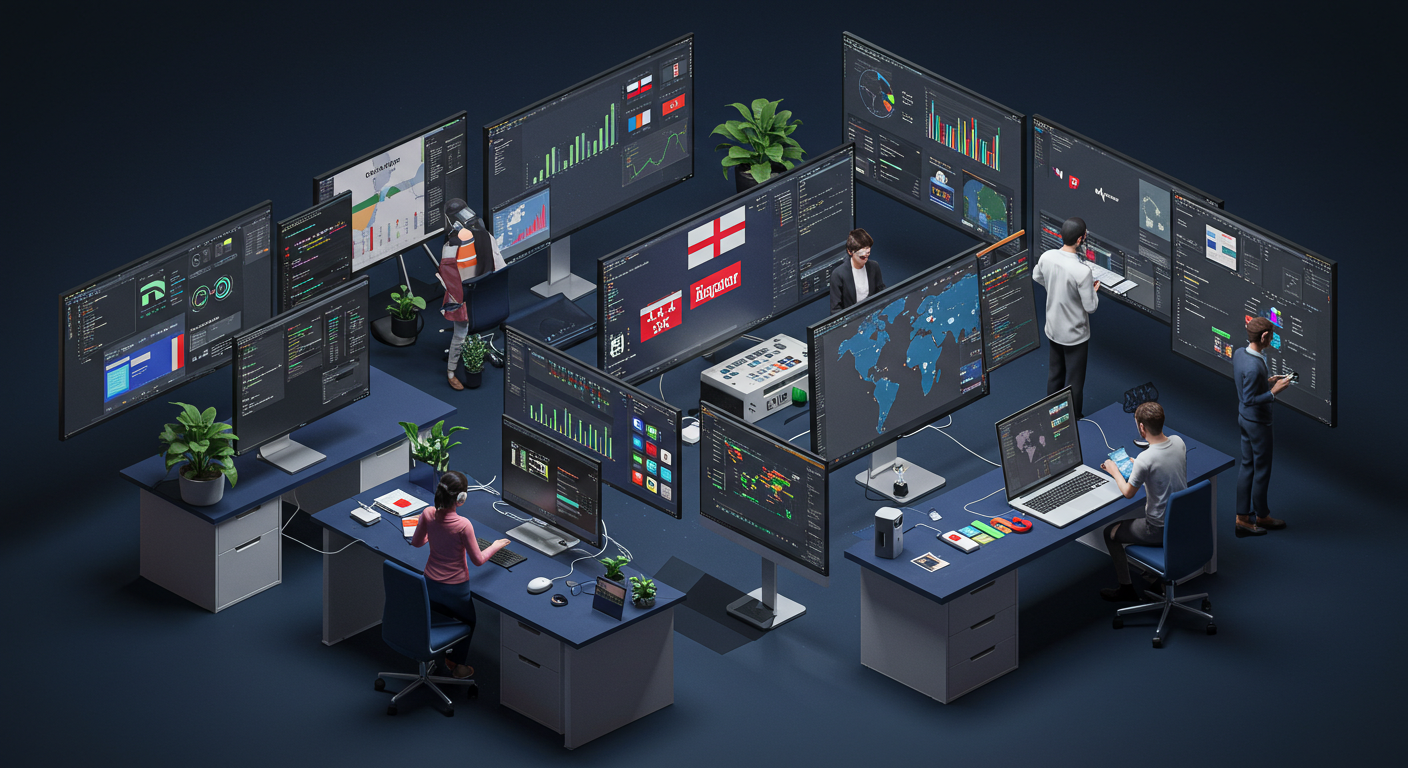
The smartphone in your pocket speaks dozens of languages. The laptop you’re using right now adapts its interface to match your cultural preferences. The smart home devices scattered throughout millions of households worldwide respond to commands in hundreds of different dialects. This isn’t magic—it’s the result of sophisticated technology translation processes that transform global tech products into locally relevant experiences.
Technology translation has become the invisible force driving the global technology industry’s expansion. When Samsung launches a new smartphone simultaneously in 150 countries, when Microsoft releases Windows updates that work seamlessly across linguistic boundaries, and when Tesla’s touchscreen interfaces feel native to drivers from Stockholm to Seoul, expert technology translation teams are working behind the scenes to make it all possible.
At Directline Translator, we’ve spent years perfecting the art and science of technology translation, working with startups developing their first mobile apps and multinational corporations launching enterprise software platforms. Through this experience, we’ve learned that technology translation goes far beyond converting user interface text from English to other languages. It requires deep understanding of cultural computing habits, technical constraints, and user experience principles that vary dramatically across different markets.
The stakes in technology translation are uniquely high. A mistranslated error message can leave users stranded when their devices malfunction. Poorly localized software interfaces can make productivity tools unusable for entire workforces. Hardware products with inadequate translation support can fail completely in international markets, regardless of their technical superiority. These challenges make technology translation one of the most demanding and specialized areas of professional translation services.
This comprehensive exploration will guide you through every aspect of technology translation, from understanding the fundamental differences between software and hardware localization to implementing cutting-edge translation workflows that keep pace with rapid development cycles. You’ll gain insights into the latest translation technologies reshaping the industry, learn how to avoid costly mistakes that can derail product launches, and discover emerging trends that will define the future of global technology communication. Whether you’re a startup preparing for international expansion or an established technology company optimizing your localization strategy, this guide will provide the knowledge you need to succeed in global markets.
Understanding Technology Translation Fundamentals
Technology translation operates at the intersection of linguistics, computer science, and user experience design. Unlike other translation domains, technology translation must account for technical constraints like character limits in user interfaces, compatibility with different operating systems, and integration with complex software architectures. These technical considerations fundamentally shape how translators approach their work and require specialized knowledge that goes far beyond traditional language skills.
The foundation of effective technology translation rests on understanding the relationship between language and functionality. When a software developer creates a button labeled “Submit,” the translator must consider how this action will be perceived by users in different cultures. Some languages require longer phrases to convey the same meaning, potentially breaking interface layouts. Other cultures prefer more formal language for business applications or more casual tones for consumer products. The translator’s job is to balance linguistic accuracy with functional requirements while maintaining the intended user experience.
Context plays a crucial role in technology translation because the same word or phrase might have completely different meanings depending on where it appears in a software application or hardware interface. The word “memory” could refer to computer RAM, storage capacity, or a feature that saves user preferences. Professional technology translators use specialized tools and processes to track context and ensure consistency across all instances of terminology usage.
Technical accuracy becomes paramount when translating documentation, error messages, and system notifications. Users rely on this information to troubleshoot problems, complete tasks, and understand system behavior. Inaccurate translations in these areas can lead to user frustration, increased support costs, and potential safety issues with industrial or medical technology products.
The iterative nature of technology development creates unique challenges for translation workflows. Software applications receive frequent updates, features are added or removed during development cycles, and user interfaces are continuously refined based on testing feedback. Technology translation processes must be agile enough to accommodate these changes while maintaining consistency and quality across all supported languages.
Cultural adaptation in technology translation extends beyond language to include design elements, color choices, reading patterns, and interaction preferences. Right-to-left languages like Arabic and Hebrew require complete interface restructuring, while cultures with different numerical systems or date formats need appropriate adaptations to maintain usability and user trust.
Software Localization in Technology Translation
Software localization represents the most visible aspect of technology translation for most users. Every time you switch your phone’s language settings or install an application that automatically displays in your preferred language, you’re experiencing the results of comprehensive software localization efforts. This process involves translating user interface elements, menu items, dialog boxes, help systems, and all the text that users see and interact with during normal software operation.
Modern software applications contain thousands of individual text strings that require translation. A typical mobile app might have 500-2,000 translatable strings, while enterprise software platforms often contain 10,000-50,000 strings or more. Managing this volume requires sophisticated translation management systems that can track changes, maintain version control, and coordinate the work of multiple translators and reviewers.
User interface design considerations heavily influence software localization strategies. Text expansion and contraction factors vary significantly between languages, with German text often being 30-50% longer than English equivalents, while Chinese characters can convey the same meaning in much smaller spaces. Interface designers must build flexibility into their layouts to accommodate these variations without compromising functionality or visual appeal.
Interactive elements like forms, buttons, and navigation menus require special attention during software localization. These elements must maintain their functionality while adapting to different languages and cultural expectations. For example, address forms need restructuring for countries with different postal systems, and payment interfaces must accommodate various currency formats and preferred payment methods.
Error handling and system messages present particular challenges in software localization because they often appear in stressful situations when users need clear, actionable information. These messages must be translated with extreme accuracy and cultural sensitivity to avoid confusion or frustration. Professional technology translation services maintain specialized glossaries for error messages and system notifications to ensure consistency and clarity.
Integration testing becomes crucial after software localization to verify that translated versions function properly across different operating systems, devices, and regional settings. This testing process identifies issues like character encoding problems, layout breakages, or functionality failures that only appear in specific language versions.
Application store optimization requires adapting software descriptions, screenshots, and promotional materials for different markets and app stores. This localization work directly impacts download rates and user acquisition in international markets, making it a critical component of global software launch strategies.
Hardware Localization Challenges in Technology Translation
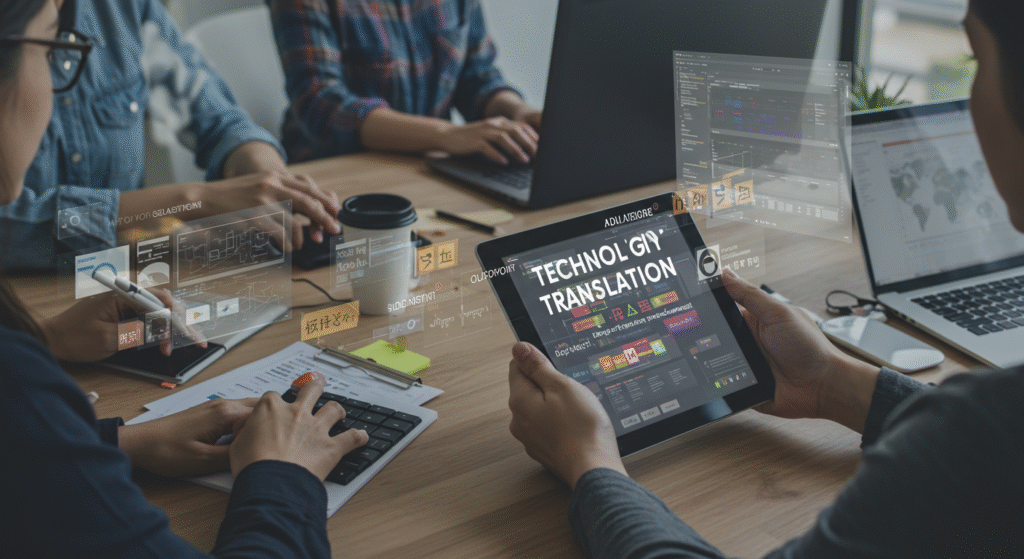
Hardware localization in technology translation presents unique challenges that don’t exist in software-only products. Physical products must accommodate different languages and cultural preferences while meeting manufacturing constraints, regulatory requirements, and cost considerations that software products don’t face. These constraints make hardware localization planning crucial from the earliest design stages.
Physical labeling and packaging translation must balance space limitations with regulatory compliance requirements. Medical devices, industrial equipment, and consumer electronics often have strict labeling requirements that must be met in each target market. These translations require specialized knowledge of local regulations and technical terminology to ensure both compliance and user safety.
User manual and documentation translation for hardware products demands exceptional technical accuracy because users depend on this information for installation, operation, and troubleshooting. Poor translations in hardware documentation can lead to incorrect installation, safety hazards, or equipment damage. Professional technology translation services for hardware products typically involve subject matter experts who understand both the technical aspects and the linguistic requirements.
Multi-language support on device displays creates interesting design challenges. Products with digital displays must accommodate different character sets, text directions, and font requirements while maintaining readability and visual consistency. LED displays, LCD screens, and other limited-resolution outputs require careful consideration of how different languages will appear to users.
Regulatory compliance translation represents a critical aspect of hardware localization because safety warnings, compliance statements, and certification information must be accurately translated and properly displayed on physical products. Errors in regulatory translation can prevent products from being sold in specific markets or create legal liability for manufacturers.
Cultural adaptation in hardware design sometimes requires physical modifications beyond translation. Color preferences, ergonomic considerations, and cultural associations with certain design elements can influence hardware localization decisions. These adaptations require close collaboration between translation teams, industrial designers, and cultural consultants.
Packaging design integration with translated content affects manufacturing costs and supply chain complexity. Companies must decide whether to create market-specific packaging or use universal designs that accommodate multiple languages. These decisions impact both translation requirements and overall product costs.
Technology Translation Process and Workflow Management
Effective technology translation requires sophisticated workflow management systems that can handle the complexity and speed of modern technology development cycles. Traditional translation approaches that work well for documents or marketing materials often fail when applied to software and hardware products because of the technical constraints, frequent updates, and tight integration requirements involved in technology projects.
Project initiation for technology translation begins with comprehensive content analysis to identify all translatable elements within software applications or hardware products. This analysis includes user interface strings, documentation, help systems, error messages, and any other text that users might encounter. Professional technology translation services use automated tools to extract translatable content and identify dependencies between different text elements.
Translation memory systems become particularly valuable in technology translation because of the repetitive nature of technical terminology and interface elements. These systems store previously translated segments and suggest matches for similar content, improving consistency and reducing costs for ongoing updates and new product versions. Technology companies often maintain centralized translation memories that span multiple products and years of development.
Terminology management takes on special importance in technology translation because consistent use of technical terms affects both user understanding and product functionality. Many technology products integrate with other systems or follow industry standards that require specific terminology usage. Professional translation teams maintain comprehensive terminology databases that include approved translations for technical terms, product names, and user interface elements.
Quality assurance processes for technology translation must account for both linguistic accuracy and functional integrity. This dual focus requires testing procedures that verify translations in actual software environments or on physical hardware devices. Linguistic testing ensures that translations are accurate and culturally appropriate, while functional testing confirms that translated products work properly across different languages and regional settings.
Version control and change management become critical in technology translation because software and hardware products undergo continuous updates and revisions. Translation management systems must track which content has changed, identify content that needs retranslation, and maintain consistency across all supported languages. These systems often integrate directly with software development tools to automate much of the change detection and notification process.
Delivery and deployment processes for technology translation vary significantly between software and hardware products. Software translations can often be updated remotely through application updates, while hardware products may require firmware updates or new production runs to incorporate translation changes. These deployment considerations affect project timelines and budget planning for technology translation projects.
Best Practices for Technology Translation Success
Successful technology translation implementation requires adherence to industry best practices that have been refined through years of experience with global technology launches. These practices address the unique challenges of technology products while ensuring high-quality results that meet both user expectations and business objectives.
Early integration of translation planning into product development cycles prevents costly redesigns and delays that often occur when localization is treated as an afterthought. Technology companies that achieve the best results begin translation planning during the initial design phases, considering factors like text expansion, cultural preferences, and international market requirements from the beginning of product development.
Collaborative relationships between development teams and translation professionals improve both efficiency and quality in technology translation projects. Regular communication ensures that translators understand product functionality and user workflows, while developers gain insights into how linguistic and cultural factors might affect their designs. This collaboration often leads to better products that work well across all supported languages and markets.
Automated testing integration helps maintain quality and consistency as technology products evolve through multiple versions and updates. Automated tests can verify that translated content displays properly, that all interface elements remain functional, and that text doesn’t overflow designated spaces. These automated checks catch problems early and reduce the manual testing effort required for each product update.
User feedback collection and analysis provide valuable insights for improving technology translation quality over time. Technology companies that actively collect feedback about their translated products can identify areas for improvement and make data-driven decisions about future translation investments. This feedback loop helps optimize both translation quality and user satisfaction in international markets.
Scalable translation infrastructure becomes essential as technology companies expand into new markets or launch additional products. Infrastructure that works well for a single mobile app may not scale effectively to enterprise software suites or hardware product lines. Planning for scalability from the beginning prevents bottlenecks and quality issues as translation needs grow.
Continuous improvement processes help technology translation efforts evolve and improve over time. Regular reviews of translation quality, user feedback analysis, and process optimization ensure that translation capabilities keep pace with business growth and changing market requirements. Companies that treat translation as an ongoing capability rather than a one-time project typically achieve better results and lower long-term costs.
Emerging Technologies Reshaping Technology Translation
The technology translation industry is experiencing rapid transformation driven by advances in artificial intelligence, machine learning, and automation technologies. These innovations are changing how translation work is performed, improving quality and efficiency while creating new opportunities for global technology expansion.
Neural machine translation systems have dramatically improved the quality of automated translation for technology content. Unlike earlier rule-based systems, neural networks can understand context and produce more natural-sounding translations that require less human editing. However, technology translation still requires human expertise for quality assurance, cultural adaptation, and technical accuracy verification.
Computer-assisted translation tools are becoming more sophisticated, offering features like real-time collaboration, integrated quality checks, and automatic consistency verification. These tools help human translators work more efficiently while maintaining the quality standards required for technology products. Advanced CAT tools can also integrate directly with software development environments, streamlining the translation workflow for technology projects.
Artificial intelligence is beginning to assist with cultural adaptation and localization decisions beyond pure translation. AI systems can analyze user behavior patterns, cultural preferences, and market data to suggest localization strategies that go beyond language translation. These insights help technology companies make better decisions about how to adapt their products for different international markets.
Cloud-based translation platforms are enabling better collaboration between distributed teams and providing more flexible scaling options for growing technology companies. These platforms offer features like real-time collaboration, automated workflow management, and integration with popular development tools. Cloud platforms also make it easier for technology companies to work with translation partners around the world.
Continuous localization technologies allow translation work to be integrated seamlessly into software development workflows. These systems automatically detect content changes, request translations for new or modified text, and integrate completed translations back into development builds. This automation reduces the time and effort required to maintain multilingual technology products.
Quality assurance automation is improving through machine learning systems that can detect potential translation errors, cultural issues, and functionality problems in localized technology products. These systems learn from human feedback and become more accurate over time, helping translation teams focus their attention on the most critical quality issues.
Measuring ROI and Success in Technology Translation
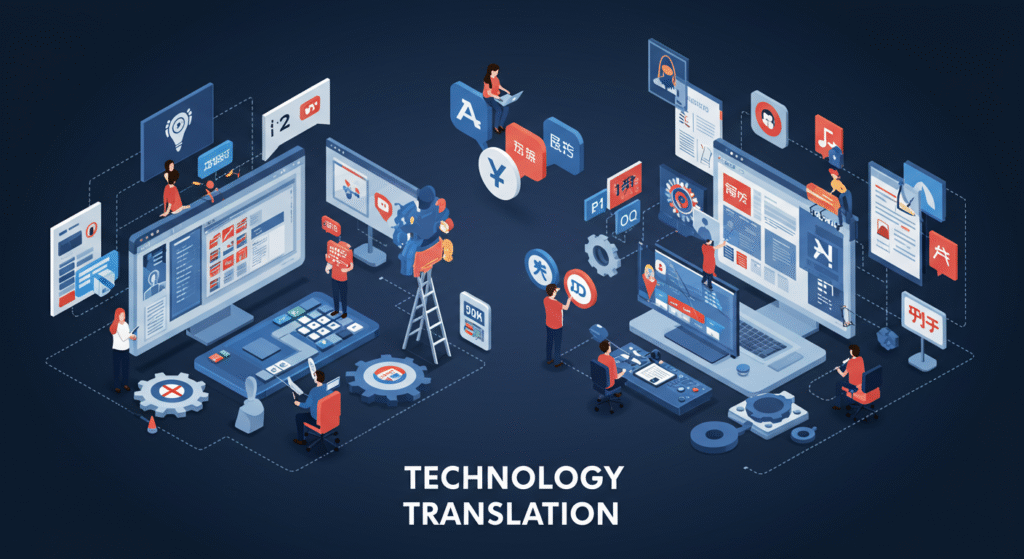
Technology translation investments require careful measurement and analysis to justify costs and optimize strategies for international market expansion. Unlike some business investments where results are immediately apparent, translation benefits often accrue over time and require sophisticated tracking to fully understand their impact on business success.
Revenue attribution represents the most direct way to measure technology translation success, tracking sales and subscription growth in markets where localized products have been launched. This measurement should account for factors like marketing spend, competitive changes, and seasonal variations to isolate the specific impact of translation efforts. Many technology companies find that properly localized products generate 2-3 times more revenue in international markets compared to English-only versions.
User adoption and engagement metrics provide insights into how well translated technology products meet user needs and expectations. Metrics like daily active users, session duration, feature utilization, and user retention rates often improve significantly after implementing high-quality technology translation. These improvements indicate that localized products are more accessible and valuable to international users.
Customer support impact measurement reveals how translation quality affects operational costs and user satisfaction. Well-translated technology products typically generate fewer support requests, shorter resolution times, and higher customer satisfaction scores. These improvements can substantially reduce support costs while improving the overall user experience in international markets.
Market penetration analysis helps quantify how translation efforts affect competitive positioning in different geographic markets. Technology companies often find that localized products gain market share more quickly and achieve stronger brand recognition compared to competitors who rely on English-only offerings. This competitive advantage can justify translation investments even when direct revenue attribution is difficult to measure.
Development efficiency metrics track how well translation processes integrate with product development workflows. Efficient translation processes reduce development cycle times, minimize rework, and enable simultaneous global launches that maximize market impact. These operational benefits often provide significant value beyond direct revenue generation.
Long-term brand value assessment considers how consistent, high-quality translation efforts contribute to global brand recognition and customer loyalty. Technology companies that invest in professional translation typically build stronger international brand recognition and customer relationships that provide lasting competitive advantages.
Common Pitfalls and How to Avoid Them in Technology Translation
Technology translation projects face several recurring challenges that can undermine success and waste significant resources. Understanding these common pitfalls and implementing strategies to avoid them significantly improves the likelihood of successful international technology launches.
Insufficient technical integration planning causes major problems when translated content doesn’t work properly with existing software systems or hardware designs. This issue often occurs when translation teams don’t have adequate access to technical specifications or when development teams don’t understand the technical requirements of different languages. Prevention requires early collaboration between technical and translation teams to identify potential integration challenges.
Inadequate context provision leads to translation errors that might be linguistically correct but functionally inappropriate for specific technology applications. Technology products often use the same words in different contexts with different meanings, and translators need comprehensive context information to make appropriate choices. Professional technology translation services use specialized tools and processes to capture and communicate context effectively.
Poor terminology management creates inconsistency that confuses users and undermines product usability. Technology products often have hundreds or thousands of technical terms that must be translated consistently across all user touchpoints. Inconsistent terminology makes products harder to learn and use, particularly for complex software applications or technical hardware products.
Rushed timeline management compromises translation quality and can lead to expensive fixes after product launch. Technology companies often underestimate the time required for proper translation, testing, and quality assurance, leading to pressure to cut corners that ultimately hurt product success. Realistic timeline planning that accounts for all aspects of technology translation helps avoid these problems.
Inadequate testing and quality assurance allows translation errors to reach end users, potentially damaging product reputation and user satisfaction. Technology translation requires both linguistic review and functional testing to ensure that translated products work properly in real-world conditions. Comprehensive testing processes catch problems before they affect customers.
Cultural insensitivity in translation choices can alienate users or even make products unsuitable for specific markets. Technology products must be sensitive to cultural preferences, religious considerations, and local customs that affect how users interact with technology. Professional translation services include cultural consulting to help avoid these issues.
Future Trends in Technology Translation Industry
The technology translation landscape continues evolving rapidly, driven by technological advances, changing user expectations, and new product categories that create fresh translation challenges. Understanding these trends helps technology companies prepare for future opportunities and challenges in global market expansion.
Artificial intelligence integration will become more sophisticated, enabling real-time translation capabilities that adapt dynamically to user preferences and context. Future technology products may include built-in translation capabilities that learn from user behavior and provide increasingly personalized linguistic experiences. This evolution will require new approaches to translation quality assurance and cultural adaptation.
Voice and conversational interfaces create new translation challenges that go beyond traditional text-based approaches. As voice assistants, chatbots, and speech-enabled applications become more prevalent, technology translation must address issues like pronunciation, cultural speech patterns, and conversational context that text translation doesn’t encounter. Specialized voice translation capabilities are emerging to address these needs.
Augmented and virtual reality applications require translation approaches that consider spatial relationships, contextual information, and immersive user experiences. Traditional translation methods may not be adequate for these new interface paradigms, requiring innovative approaches that integrate translation with 3D environments and interactive experiences.
Internet of Things devices and smart home products create new requirements for lightweight, efficient translation systems that can operate on devices with limited processing power and memory. These constraints require optimized translation approaches that maintain quality while working within severe technical limitations.
Real-time collaboration tools are enabling more distributed and efficient translation workflows that can keep pace with rapid technology development cycles. These tools allow translation work to be distributed globally while maintaining coordination and quality control, potentially reducing costs and improving turnaround times for technology translation projects.
Blockchain and distributed systems may impact technology translation by enabling new business models, quality assurance mechanisms, and collaboration approaches that weren’t previously possible. These technologies could facilitate better coordination between translation providers and create new ways to verify and maintain translation quality over time.
FAQs On Technology Translation: Localizing Software and Hardware:
Q: How does technology translation differ from other types of translation work?
A: Technology translation requires specialized knowledge of software development, hardware design, and user experience principles that other translation domains don’t require. Translators must understand technical constraints like character limits, formatting requirements, and system integration issues while maintaining linguistic accuracy and cultural appropriateness. The iterative nature of technology development also requires more flexible workflows than traditional translation projects.
Q: What’s the typical timeline for localizing a software application?
A: Timeline varies significantly based on application complexity and target languages. A simple mobile app with 500-1,000 strings typically requires 2-4 weeks for professional translation, while complex enterprise applications with 10,000+ strings may take 8-12 weeks. Hardware products often require longer timelines due to documentation volume and regulatory compliance requirements.
Q: How do you handle frequent software updates and version changes?
A: Professional technology translation services use translation management systems that integrate with software development tools to automatically detect content changes and manage version control. These systems can identify new or modified text that requires translation while maintaining consistency with previously translated content. Continuous localization workflows enable translation work to proceed in parallel with software development.
Q: What are the most challenging aspects of hardware localization?
A: Hardware localization faces unique challenges including space constraints for physical labeling, regulatory compliance requirements that vary by country, and the inability to easily update content after manufacturing. Cultural adaptation may also require physical design changes that affect manufacturing costs and supply chain complexity.
Q: How important is cultural adaptation beyond language translation?
A: Cultural adaptation is crucial for technology product success in international markets. Users expect products to respect local customs, preferences, and interaction patterns. This includes considerations like color choices, reading directions, date formats, and communication styles that significantly impact user adoption and satisfaction.
Q: What role does machine translation play in technology localization?
A: Machine translation provides useful starting points for high-volume content and can accelerate translation workflows, but technology products still require human expertise for quality assurance, cultural adaptation, and technical accuracy. The most effective approaches combine machine translation efficiency with human knowledge to deliver professional results at reasonable costs.
Q: How do you ensure consistency across multiple products or platforms?
A: Consistency requires centralized terminology management, shared translation memories, and coordinated workflows across all products and platforms. Professional technology translation services maintain comprehensive glossaries and style guides that ensure consistent terminology usage and brand voice across entire product portfolios.
Q: What testing is required after technology translation?
A: Testing must verify both linguistic accuracy and functional integrity. This includes linguistic review by native speakers, functional testing in actual software or hardware environments, user interface testing across different devices and screen sizes, and integration testing to ensure translated products work properly with other systems.
Q: How do you handle technical documentation translation?
A: Technical documentation requires translators with subject matter expertise who understand both the technology and the target audience. This content must be extremely accurate because users depend on it for installation, operation, and troubleshooting. Professional services often involve collaboration between translators and technical writers to ensure accuracy and usability.
Q: What’s the best approach for startups beginning international expansion?
A: Startups should prioritize core user interface translation and essential documentation for their most promising international markets. Beginning with 2-3 target languages allows for manageable complexity while testing international market response. Professional translation services can help startups establish scalable workflows that grow with their business needs.
Ready to take your technology products global with professional translation services? Directline Translator specializes in comprehensive technology translation solutions that help software and hardware companies succeed in international markets. Our experienced team understands the unique technical and cultural challenges of technology localization and delivers results that drive global growth. Contact us today to discuss your international expansion goals and learn how our technology translation expertise can help you connect with users worldwide.