
 directlineauthors
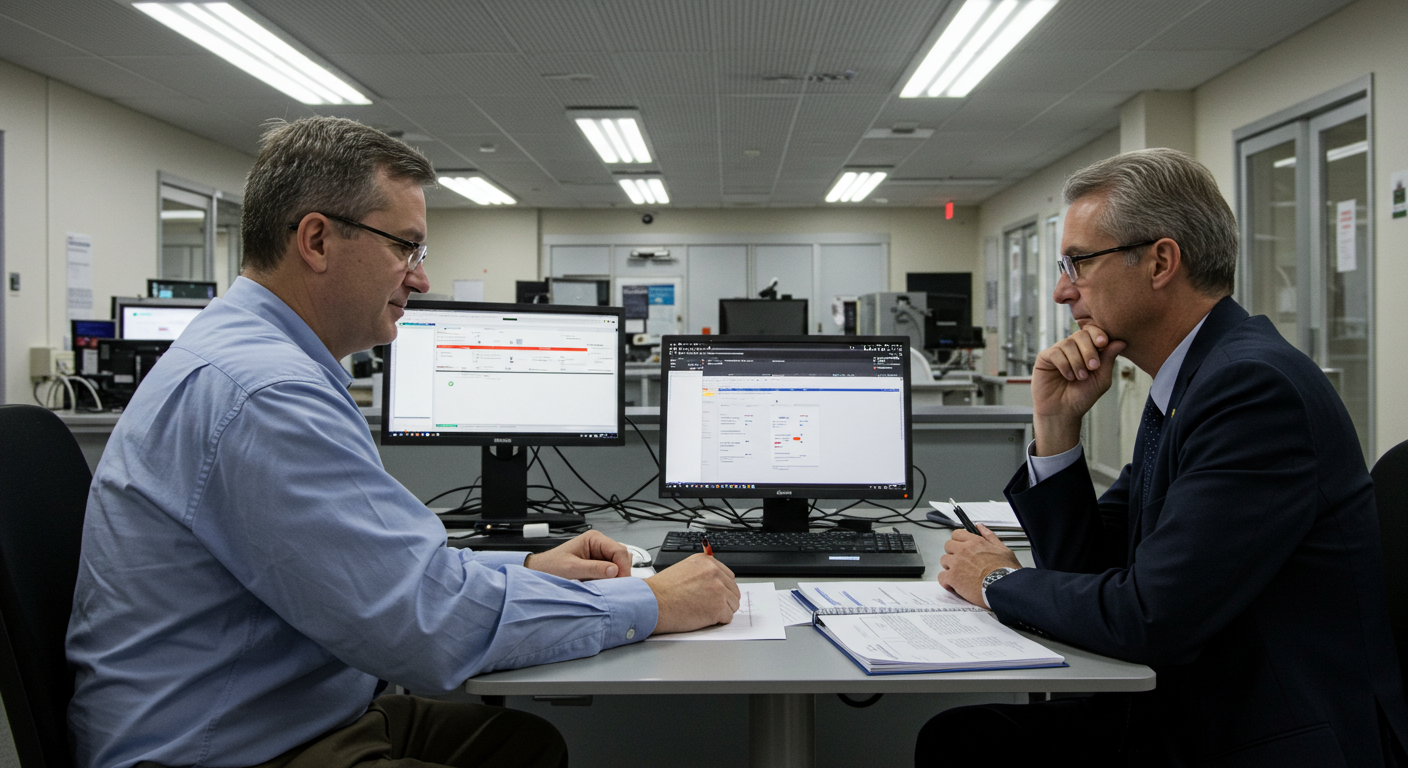
The pharmaceutical and biotechnology industries operate at the cutting edge of human health advancement, where a single mistranslated clinical trial protocol or regulatory submission can delay life-saving treatments by months or even years. Life sciences translation for pharmaceuticals and biotech represents far more than linguistic conversion—it serves as the critical bridge connecting groundbreaking medical discoveries with patients worldwide who desperately need access to innovative therapies.
Every day, pharmaceutical companies invest millions of dollars in research and development, creating breakthrough treatments that could transform patient outcomes across different countries and cultures. However, these medical innovations only reach their full potential when supported by accurate, culturally appropriate, and scientifically precise translation services. Life sciences translation for pharmaceuticals and biotech ensures that complex medical information maintains its scientific integrity while meeting the stringent regulatory requirements of diverse global markets.
At Directline Translators, we understand the profound responsibility that comes with translating medical and scientific content. Our specialized team has witnessed how precise life sciences translation accelerates drug approvals, facilitates successful clinical trials, and ultimately helps pharmaceutical companies bring critical treatments to patients faster. The stakes in this field extend far beyond commercial success—they directly impact human lives and global public health outcomes.
This comprehensive guide will walk you through every aspect of professional life sciences translation, from understanding regulatory compliance requirements to selecting qualified translation partners who can handle the most complex biotechnology documentation. You’ll discover why investing in expert translation services isn’t just a business decision—it’s a commitment to advancing global healthcare and ensuring that language barriers never prevent patients from accessing the treatments they need.
Understanding Life Sciences Translation for Pharmaceuticals and Biotech Requirements
Professional life sciences translation for pharmaceuticals and biotech operates under significantly more stringent requirements than general medical translation services. Regulatory agencies like the FDA, EMA, and Health Canada demand exact terminology, consistent formatting, and complete adherence to established scientific conventions. A single inconsistent translation of a drug compound name or dosage instruction can trigger regulatory rejections that cost companies months of delays and millions in lost revenue.
The complexity extends beyond basic terminology accuracy. Life sciences translation for pharmaceuticals and biotech must account for different measurement systems, regulatory frameworks, and cultural attitudes toward medical treatments across target markets. European regulatory submissions require different data presentations than Asian markets, while maintaining identical scientific accuracy and clinical significance.
Professional translators in this field possess advanced degrees in relevant scientific disciplines, extensive experience with pharmaceutical documentation, and ongoing training in evolving medical terminology. They understand that translating clinical trial protocols requires different expertise than regulatory submissions, while both demand absolute precision to protect patient safety and ensure regulatory compliance.
Quality assurance procedures for life sciences translation involve multiple review stages by qualified medical professionals, linguistic specialists, and regulatory experts. This multi-layered approach ensures that translated documents meet both scientific accuracy standards and target market regulatory requirements without compromising the original research integrity.
Cultural sensitivity becomes particularly important when translating patient-facing materials or conducting international clinical trials. Different cultures have varying attitudes toward medical treatments, informed consent procedures, and healthcare authority relationships that affect how translated materials must be adapted for local effectiveness.
Regulatory Compliance in Life Sciences Translation for Pharmaceuticals and Biotech
Regulatory compliance represents the foundation of professional life sciences translation for pharmaceuticals and biotech services. Different countries maintain unique requirements for pharmaceutical documentation, clinical trial protocols, and marketing authorization applications that directly affect translation approaches and quality standards.
The FDA requires specific terminology consistency across all submission documents, with particular attention to drug names, indications, contraindications, and adverse event descriptions. Life sciences translation for pharmaceuticals and biotech must maintain these terminological standards while adapting content for different regulatory frameworks without losing scientific accuracy or clinical relevance.
European Medicines Agency (EMA) submissions involve additional complexity due to multiple language requirements and varying national regulatory preferences within the European Union. Professional translation services must understand how different European countries interpret medical terminology and regulatory guidance while maintaining harmonized scientific content across all language versions.
Good Manufacturing Practice (GMP) documentation requires specialized translation expertise because these documents directly affect pharmaceutical production quality and patient safety. Life sciences translation for pharmaceuticals and biotech professionals must understand manufacturing processes, quality control procedures, and regulatory inspection requirements to ensure translated documents support compliant production operations.
International Council for Harmonisation (ICH) guidelines provide standardized frameworks for pharmaceutical development and registration, but implementation varies significantly across different countries. Professional translators must understand these variations and adapt their approaches accordingly while maintaining ICH compliance standards.
Clinical Trial Documentation and Life Sciences Translation for Pharmaceuticals and Biotech
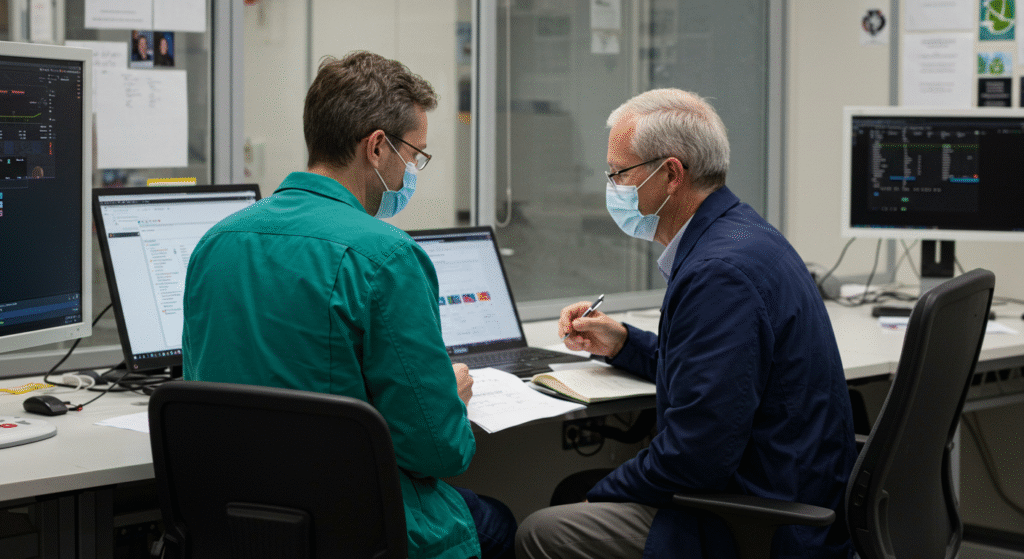
Clinical trial documentation presents some of the most complex challenges in life sciences translation for pharmaceuticals and biotech services. Protocols, informed consent forms, case report forms, and investigator brochures all require different translation approaches while maintaining absolute scientific accuracy and regulatory compliance.
Informed consent documents demand particular attention because they directly affect patient safety and trial validity. Life sciences translation for pharmaceuticals and biotech must ensure that patients fully understand study procedures, potential risks, and their rights as research participants. Cultural adaptation becomes critical because different societies have varying expectations for medical information disclosure and consent procedures.
Case report forms require precise translation of medical terminology, measurement units, and data collection procedures to ensure consistent data quality across international trial sites. Inconsistent translations can compromise data integrity and affect regulatory submissions, potentially invalidating expensive clinical research investments.
Protocol amendments and safety updates need rapid, accurate translation to ensure all international trial sites receive critical information simultaneously. Life sciences translation for pharmaceuticals and biotech services must provide emergency translation capabilities to support patient safety and regulatory compliance requirements during ongoing clinical trials.
Regulatory correspondence and inspection responses require specialized expertise because they often involve technical discussions about complex scientific issues with regulatory authorities. Professional translators must understand regulatory perspectives and communication styles to ensure that translated responses address agency concerns effectively.
Drug Labeling and Marketing Materials in Life Sciences Translation for Pharmaceuticals and Biotech
Pharmaceutical labeling and marketing materials require specialized life sciences translation for pharmaceuticals and biotech expertise because they directly influence prescribing decisions and patient compliance. Package inserts, prescribing information, and patient education materials must balance scientific accuracy with accessibility for different target audiences.
Regulatory authorities maintain specific requirements for drug labeling content, formatting, and language that vary significantly between countries. Life sciences translation for pharmaceuticals and biotech professionals must understand these requirements and adapt translated materials accordingly while preserving essential safety information and therapeutic guidance.
Patient education materials present unique challenges because they must communicate complex medical information in language that non-medical audiences can understand. Cultural health literacy levels, medical terminology familiarity, and healthcare system differences all affect how these materials should be translated and adapted for different markets.
Marketing authorization applications require extensive documentation translation that supports regulatory review processes. Life sciences translation for pharmaceuticals and biotech services must ensure that all supporting materials maintain consistent messaging and scientific accuracy across multiple document types and review stages.
Post-marketing surveillance materials, including adverse event reports and safety updates, need immediate, accurate translation to ensure global pharmacovigilance compliance. Professional translation services must provide rapid response capabilities to support regulatory reporting requirements and patient safety obligations.
Biotechnology and Medical Device Translation in Life Sciences Translation for Pharmaceuticals and Biotech
Biotechnology companies face unique translation challenges that extend beyond traditional pharmaceutical documentation. Life sciences translation for pharmaceuticals and biotech must handle complex scientific concepts, proprietary technologies, and emerging therapeutic approaches that may not have established translation precedents.
Medical device documentation requires understanding of engineering principles, clinical applications, and regulatory frameworks that differ significantly from pharmaceutical requirements. Professional translators must combine technical engineering knowledge with medical expertise to ensure accurate translation of device specifications, user manuals, and clinical evaluation reports.
Software as Medical Device (SaMD) documentation presents emerging challenges for life sciences translation for pharmaceuticals and biotech services. These products combine software development concepts with medical device regulations, requiring translators who understand both technology and healthcare regulatory requirements.
Companion diagnostics and personalized medicine approaches involve complex genetic and molecular information that requires specialized scientific knowledge for accurate translation. Professional services must stay current with rapidly evolving scientific terminology and testing methodologies to provide effective translation support.
Intellectual property documentation, including patent applications and licensing agreements, requires understanding of both scientific concepts and legal frameworks. Life sciences translation for pharmaceuticals and biotech must ensure that technical innovations are accurately described while maintaining legal validity across different jurisdictions.
Quality Assurance Standards for Life Sciences Translation for Pharmaceuticals and Biotech

Professional quality assurance in life sciences translation for pharmaceuticals and biotech operates under international standards like ISO 17100 and industry-specific guidelines that ensure consistent, accurate, and compliant translation services. Multi-stage review processes involve initial translation, scientific review, linguistic editing, and final quality control by qualified professionals.
Terminology management becomes critical for maintaining consistency across large pharmaceutical companies with multiple product lines and ongoing research programs. Life sciences translation for pharmaceuticals and biotech services must maintain comprehensive terminology databases that ensure consistent translation of drug names, medical conditions, and regulatory terms across all company documentation.
Reference verification ensures that all scientific citations, regulatory references, and clinical data maintain accuracy during translation. Professional services must access current medical literature and regulatory guidance to verify that translated documents reflect the most up-to-date scientific understanding.
Version control and change management procedures track document revisions and translation updates throughout product development lifecycles. Life sciences translation for pharmaceuticals and biotech projects often involve multiple stakeholders and iterative revisions that require careful coordination to prevent errors or inconsistencies.
Regulatory compliance auditing provides ongoing verification that translation processes meet industry standards and regulatory requirements. Professional services should maintain documentation of translator qualifications, quality assurance procedures, and compliance with relevant guidelines for regulatory inspection purposes.
Technology Integration in Life Sciences Translation for Pharmaceuticals and Biotech
Modern life sciences translation for pharmaceuticals and biotech increasingly relies on specialized technology tools that enhance accuracy, consistency, and efficiency while maintaining the human expertise essential for complex medical content. Computer-assisted translation (CAT) tools help manage terminology consistency and accelerate translation of routine documentation.
Translation memory systems store previously translated pharmaceutical content to ensure consistency across related documents and reduce translation time for similar materials. Life sciences translation for pharmaceuticals and biotech benefits from these systems while requiring human oversight to ensure medical accuracy and regulatory compliance.
Terminology management platforms maintain comprehensive databases of approved medical terms, drug names, and regulatory language that support consistent translation across large pharmaceutical organizations. These systems help prevent translation errors that could affect regulatory submissions or patient safety.
Quality assurance software helps identify potential translation errors, terminology inconsistencies, and formatting issues before final delivery. However, life sciences translation for pharmaceuticals and biotech still requires human expert review because automated systems cannot assess medical accuracy or cultural appropriateness.
Collaborative platforms enable efficient coordination between translators, medical reviewers, regulatory specialists, and project managers during complex pharmaceutical translation projects. These tools support the multi-stakeholder review processes essential for maintaining quality and compliance standards.
Specialized Expertise Areas in Life Sciences Translation for Pharmaceuticals and Biotech
Different therapeutic areas require specialized knowledge and translation expertise that goes beyond general medical translation capabilities. Oncology documentation involves complex treatment protocols, specialized terminology, and rapidly evolving therapeutic approaches that require translators with specific cancer research knowledge.
Rare disease translation presents unique challenges because limited patient populations and specialized treatments often lack established translation precedents. Life sciences translation for pharmaceuticals and biotech must work with medical experts to develop appropriate terminology and ensure accurate communication of complex treatment information.
Vaccines and immunotherapy require understanding of immunology principles, manufacturing processes, and specialized regulatory requirements that differ from traditional pharmaceutical products. Professional translators must stay current with evolving scientific understanding and regulatory frameworks in these rapidly advancing fields.
Gene therapy and cell therapy documentation involves cutting-edge scientific concepts and manufacturing processes that require specialized scientific knowledge for accurate translation. Life sciences translation for pharmaceuticals and biotech services must combine molecular biology expertise with regulatory understanding to support these innovative treatments.
Digital therapeutics and health technology integration create new translation challenges that combine medical device regulations with software development concepts. Professional services must adapt their expertise to handle these emerging therapeutic categories effectively.
Global Market Access and Life Sciences Translation for Pharmaceuticals and Biotech
Market access strategies depend heavily on accurate, culturally appropriate translation that supports regulatory submissions and commercial launch activities. Life sciences translation for pharmaceuticals and biotech must understand local healthcare systems, reimbursement frameworks, and prescribing practices to ensure that translated materials support successful market entry.
Health technology assessment (HTA) submissions require specialized translation expertise because they involve economic evaluations, clinical effectiveness analyses, and healthcare system impact assessments. Professional translators must understand both medical content and health economics concepts to ensure accurate translation of these complex evaluations.
Pharmacoeconomic studies and outcomes research documentation require understanding of statistical methodologies, healthcare economics, and policy frameworks that vary significantly between countries. Life sciences translation for pharmaceuticals and biotech must adapt these materials for local healthcare decision-making processes.
Medical affairs activities, including medical education and scientific communication, require translation that maintains scientific accuracy while adapting content for different medical education traditions and healthcare professional expectations across target markets.
Pricing and reimbursement submissions involve complex regulatory and economic information that affects patient access to innovative treatments. Professional translation services must understand local healthcare funding mechanisms and regulatory requirements to support successful reimbursement applications.
Emerging Trends in Life Sciences Translation for Pharmaceuticals and Biotech
Artificial intelligence and machine learning applications in drug discovery create new documentation and translation requirements that professional services must address. Life sciences translation for pharmaceuticals and biotech must evolve to handle algorithm descriptions, data analysis methodologies, and AI-driven therapeutic development processes.
Real-world evidence and post-market surveillance activities generate large volumes of data that require efficient translation for global pharmacovigilance and regulatory reporting. Professional services must develop scalable approaches to handle increasing documentation volumes while maintaining quality standards.
Patient-centric drug development approaches emphasize patient experience and outcomes, creating new types of documentation that require culturally sensitive translation. Life sciences translation for pharmaceuticals and biotech must adapt to handle patient-reported outcome measures, quality of life assessments, and patient engagement materials.
Regulatory harmonization efforts in some regions simplify certain translation requirements while creating new challenges in others. Professional services must monitor evolving regulatory landscapes and adapt their approaches to maintain compliance across different jurisdictions.
Sustainability and environmental considerations are becoming standard requirements in pharmaceutical development, creating new documentation categories that require specialized translation expertise. Life sciences translation for pharmaceuticals and biotech must incorporate environmental science knowledge alongside traditional medical expertise.
The future of global healthcare depends on effective communication across languages, cultures, and regulatory systems. Professional life sciences translation for pharmaceuticals and biotech serves as the essential bridge that connects medical innovations with patients worldwide, ensuring that language barriers never prevent access to life-saving treatments. Companies that recognize this critical role and invest in expert translation services position themselves for success in the global healthcare marketplace while contributing to improved patient outcomes worldwide.
As the pharmaceutical and biotechnology industries continue evolving, the demand for specialized, accurate, and compliant translation services will only increase. Organizations that establish strong partnerships with qualified life sciences translation providers today will be better positioned to navigate future challenges and opportunities in the global healthcare landscape.
FAQs On Life Sciences Translation: Precision for Pharmaceuticals and Biotech – Your Gateway to Global Healthcare Innovation:
1. How long does life sciences translation for pharmaceuticals and biotech typically take? Timeline depends on document complexity and regulatory requirements. Clinical trial protocols might require 5-10 business days, while complete regulatory submissions could take several weeks. Emergency translations for safety updates can be completed within 24-48 hours when necessary.
2. What qualifications should translators have for life sciences translation for pharmaceuticals and biotech? Professional translators should have advanced degrees in relevant scientific fields, extensive pharmaceutical industry experience, and ongoing training in medical terminology. Certification from recognized translation organizations and regulatory knowledge are also essential qualifications.
3. How much does professional life sciences translation for pharmaceuticals and biotech cost? Costs vary based on document complexity, language combinations, timeline requirements, and regulatory compliance needs. Specialized medical translation typically costs more than general translation but provides essential risk mitigation for pharmaceutical companies.
4. Can machine translation handle life sciences translation for pharmaceuticals and biotech documents? Machine translation is not recommended for pharmaceutical documents due to patient safety implications and regulatory compliance requirements. Professional human expertise is essential for ensuring medical accuracy and regulatory acceptance.
5. What happens if there are errors in life sciences translation for pharmaceuticals and biotech materials? Translation errors can lead to regulatory rejections, clinical trial delays, patient safety issues, and significant financial losses. Professional services typically provide error correction and may offer professional liability insurance coverage.
6. Do all countries require life sciences translation for pharmaceuticals and biotech submissions in local languages? Requirements vary by country and document type. Many countries accept English submissions for certain documents, while others require local language translations for regulatory approval and marketing authorization.
7. How can pharmaceutical companies ensure quality in life sciences translation for pharmaceuticals and biotech? Work with certified professional services that offer multi-stage review processes, medical expert validation, and documented quality assurance procedures. Verify translator qualifications and request client references before beginning projects.
8. What types of documents require life sciences translation for pharmaceuticals and biotech services? Common documents include clinical trial protocols, regulatory submissions, drug labeling, patient information leaflets, manufacturing documentation, safety reports, and marketing authorization applications.
9. Can life sciences translation for pharmaceuticals and biotech be certified for regulatory submissions? Many professional services offer certified translations with translator attestations of accuracy. Specific certification requirements vary by regulatory agency and submission type, and qualified services can advise on specific needs.
10. How should pharmaceutical companies prepare for life sciences translation for pharmaceuticals and biotech projects? Provide complete, final documents along with relevant glossaries, previous translations, and specific regulatory requirements. Clear communication about timelines, target markets, and quality expectations helps ensure optimal translation outcomes.