
 directlineauthors
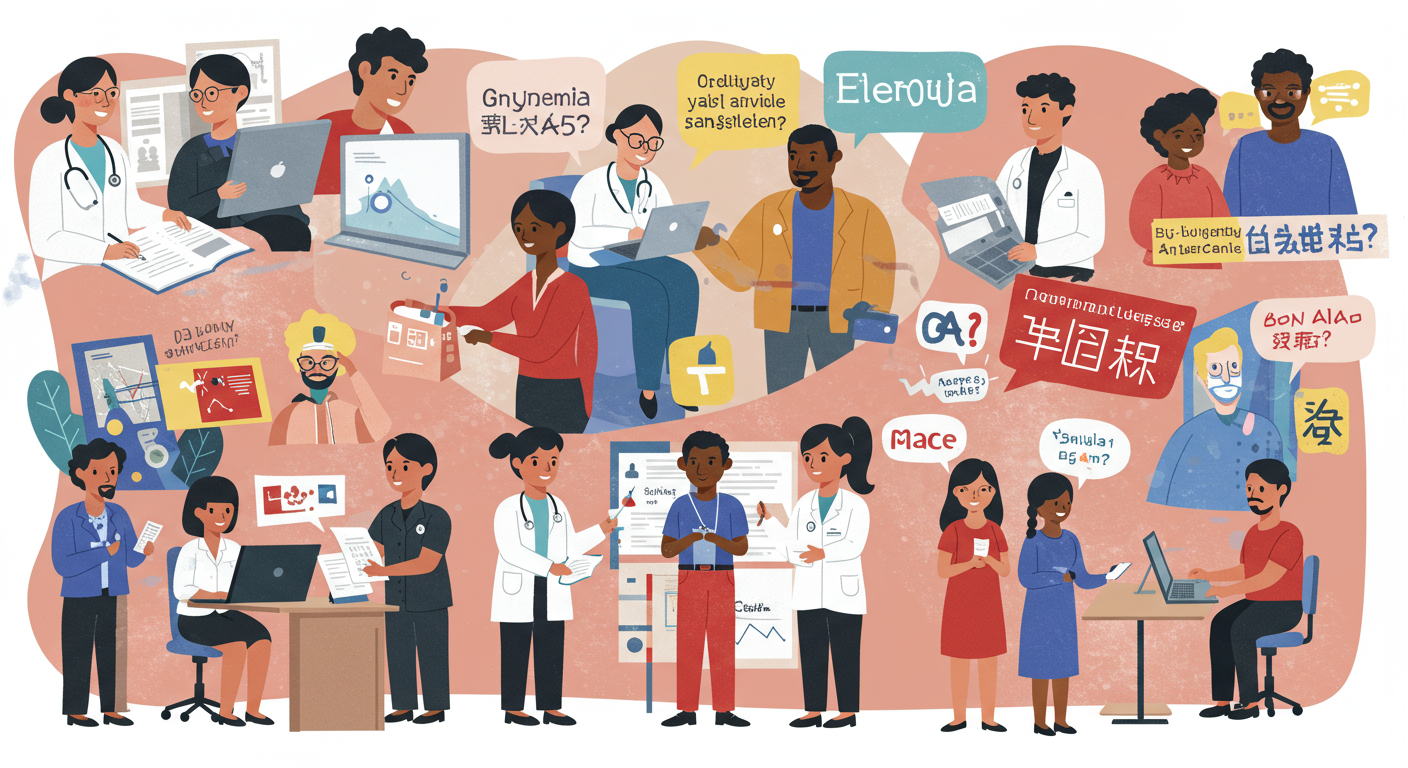
When Maria arrived at the immigration office with her asylum application, she faced a mountain of complex legal documents written in a language she barely understood. Her case depended entirely on accurate translation of her testimony, supporting documents, and legal proceedings.
This scenario plays out thousands of times daily across government offices worldwide, highlighting why government translation supporting public services in multiple languages has become absolutely critical for effective public administration.
Government translation supporting public services in multiple languages represents far more than simple language conversion—it serves as the bridge between citizens and their government, ensuring equal access to public services regardless of language barriers.
From emergency services responding to crisis calls in foreign languages to courts processing international legal cases, government agencies depend on professional translation services to fulfill their constitutional obligations to serve all residents fairly and effectively.
Modern government operations span an incredible range of multilingual communications. Immigration departments process applications in dozens of languages daily. Healthcare agencies must translate medical information for diverse populations.
Tax authorities need multilingual forms and guidance materials. Law enforcement agencies require translation services for investigations, witness interviews, and court proceedings. Each of these areas demands specialized expertise that goes beyond basic language skills.
The complexity of government translation work cannot be overstated. Legal terminology, administrative procedures, and regulatory frameworks vary significantly between countries and jurisdictions. A single mistranslation in a court document can affect someone’s freedom.
An error in a healthcare directive could impact public safety. Inaccurate translation of tax documents might result in compliance violations or unfair treatment of taxpayers.
Quality government translation services must navigate complex bureaucratic processes while maintaining absolute accuracy and cultural sensitivity. Translators working with government agencies need security clearances, specialized certifications, and deep understanding of legal and administrative frameworks.
They must translate not just words but concepts, ensuring that foreign-language speakers receive the same level of service and protection as native speakers.
Stay with us as we examine how professional government translation services bridge language gaps in public administration, ensuring that democratic institutions remain accessible and effective for all citizens regardless of their native language.
Understanding Government Translation Supporting Public Services in Multiple Languages
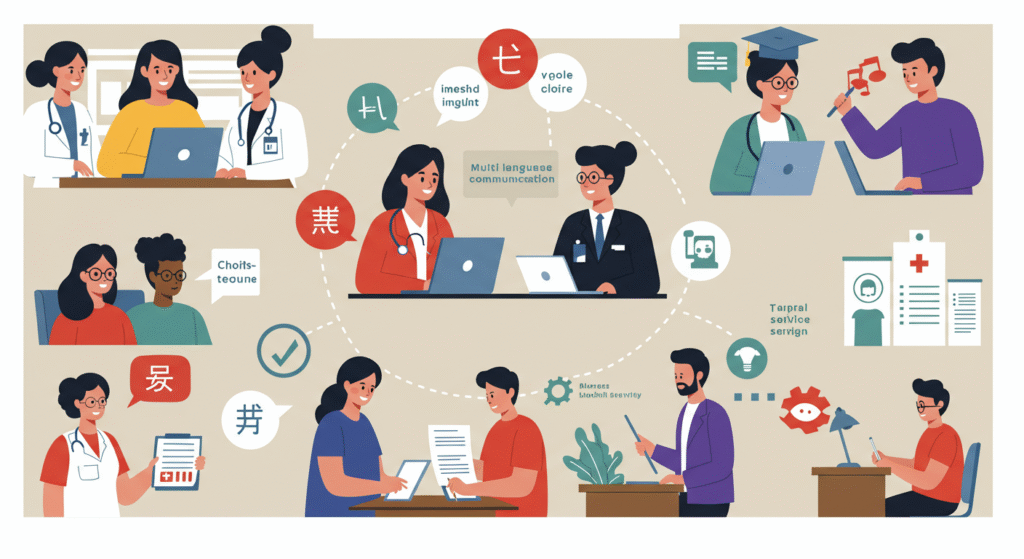
Professional government translation encompasses a vast array of services that enable public institutions to serve linguistically diverse populations effectively. Government translation supporting public services in multiple languages requires translators who understand not only languages but also legal systems, administrative procedures, and cultural nuances that affect public service delivery.
This specialized field demands expertise that extends far beyond conventional translation work.
Government agencies operate under unique constraints that affect their translation needs. Legal accuracy takes precedence over stylistic considerations, as mistranslated legal documents can have serious consequences for individuals and institutions.
Time pressures often require rapid translation of urgent documents, such as emergency public health announcements or court orders. Security requirements mean that translators must undergo background checks and maintain strict confidentiality protocols.
The scope of government translation work spans multiple departments and functions. Immigration services require translation of identity documents, educational certificates, and personal statements from around the world.
Courts need interpreters and translators for proceedings involving non-English speakers. Healthcare departments must translate public health information, medical forms, and emergency communications. Social services agencies translate benefit applications, housing documents, and family service materials.
Administrative complexity adds another layer to government translation challenges. Government documents often reference specific laws, regulations, and procedures that may not have direct equivalents in other legal systems.
Translators must understand both the source and target legal frameworks to produce accurate translations that preserve legal meaning and intent. This requires ongoing education about changes in laws, regulations, and administrative procedures.
Cultural sensitivity becomes particularly important in government translation work. Public communications must respect cultural differences while maintaining clarity and authority. Health information must account for cultural attitudes toward medical treatment.
Legal documents must convey rights and obligations in ways that are culturally appropriate and legally binding. Professional government translators receive specialized training in cross-cultural communication and cultural competency.
Quality assurance in government translation typically involves multiple review stages and verification processes. Many government agencies require certified translations for official documents, adding legal weight to translated materials. Some agencies maintain internal translation review boards or work with certified translation services that guarantee accuracy and compliance with government standards.
Legal Framework for Government Translation Supporting Public Services in Multiple Languages
The legal foundation for government translation services stems from constitutional principles, civil rights legislation, and international human rights commitments. Government translation supporting public services in multiple languages operates within a complex legal framework that mandates language access while establishing standards for translation quality and service delivery.
Understanding this legal context helps explain why professional government translation services are essential rather than optional.
In the United States, the Court Interpreters Act requires federal courts to provide qualified interpreters for non-English speakers in criminal and civil proceedings. The Rehabilitation Act mandates accessible communication for people with disabilities, including those who need sign language interpretation.
Executive Order 13166 requires federal agencies to provide meaningful access to services for limited English proficiency individuals, creating broad translation and interpretation requirements across government operations.
European Union legislation establishes extensive language rights for citizens interacting with EU institutions. The European Charter for Regional or Minority Languages protects linguistic minorities and requires government services in multiple languages in certain regions. Individual EU member states have additional language access requirements that affect local and national government operations.
International human rights law provides another layer of legal requirements for government translation services. The International Covenant on Civil and Political Rights guarantees language access in criminal proceedings.
The Convention on the Rights of Persons with Disabilities requires accessible communication, including sign language interpretation. These international commitments influence domestic legislation and government translation policies.
Liability issues create additional legal considerations for government translation services. Agencies can face lawsuits if inadequate translation services result in denial of services, wrongful convictions, or other adverse outcomes.
Professional liability insurance and quality assurance measures help protect both government agencies and translation service providers from legal risks associated with translation errors.
Procurement regulations affect how government agencies obtain translation services. Many jurisdictions require competitive bidding processes for translation contracts, with specific qualifications and performance standards. Some agencies maintain pre-qualified vendor lists or preferred contractor arrangements to ensure rapid access to qualified translation services when needed.
Certification and credentialing requirements vary by jurisdiction and type of government translation work. Court interpreters typically need specialized certification and ongoing professional development. Immigration translators may need specific credentials for different types of documents. Healthcare translators often require medical terminology training and cultural competency certification.
Types of Government Translation Supporting Public Services in Multiple Languages
Government agencies require translation services across numerous specialized areas, each with unique requirements and challenges. Government translation supporting public services in multiple languages encompasses everything from routine administrative communications to highly technical legal documents and emergency public communications.
Understanding these different categories helps agencies select appropriate translation services and establish effective quality standards.
Judicial translation represents one of the most critical areas of government translation work. Court proceedings require real-time interpretation as well as translation of legal documents, evidence, and case materials. Criminal cases involving non-English speakers depend on accurate translation to ensure fair trials and proper legal representation.
Civil cases may require translation of contracts, business documents, and expert testimony. Family court cases often involve translation of international custody agreements, adoption documents, and domestic relations materials.
Immigration and citizenship services handle enormous volumes of translation work involving documents from countries worldwide. Birth certificates, marriage certificates, educational transcripts, and professional credentials all require certified translation for immigration purposes.
Asylum applications often include personal statements, country condition reports, and supporting documentation that must be translated with extreme care and cultural sensitivity.
Healthcare translation serves public health agencies, government hospitals, and emergency services. Public health campaigns require translation of health information, vaccination schedules, and disease prevention materials.
Emergency medical services need rapid translation capabilities for crisis situations. Mental health services require culturally sensitive translation of psychological assessments and treatment materials.
Social services agencies provide multilingual access to benefit programs, housing assistance, and family services. Welfare applications, housing documents, and child protection materials all require accurate translation to ensure eligible individuals can access available services. Elder services often need translation of Medicare information, social security materials, and healthcare directives.
Law enforcement agencies require translation services for investigations, witness interviews, and evidence processing. International criminal cases may involve translation of foreign documents, communications intercepts, and expert testimony. Domestic cases with foreign-language elements require translation of evidence, witness statements, and investigative materials.
Emergency management agencies need rapid translation capabilities for crisis communications, evacuation notices, and disaster relief information. Natural disasters, terrorist incidents, and public health emergencies all require immediate translation of critical information into multiple languages simultaneously.
Technology Solutions for Government Translation Supporting Public Services in Multiple Languages
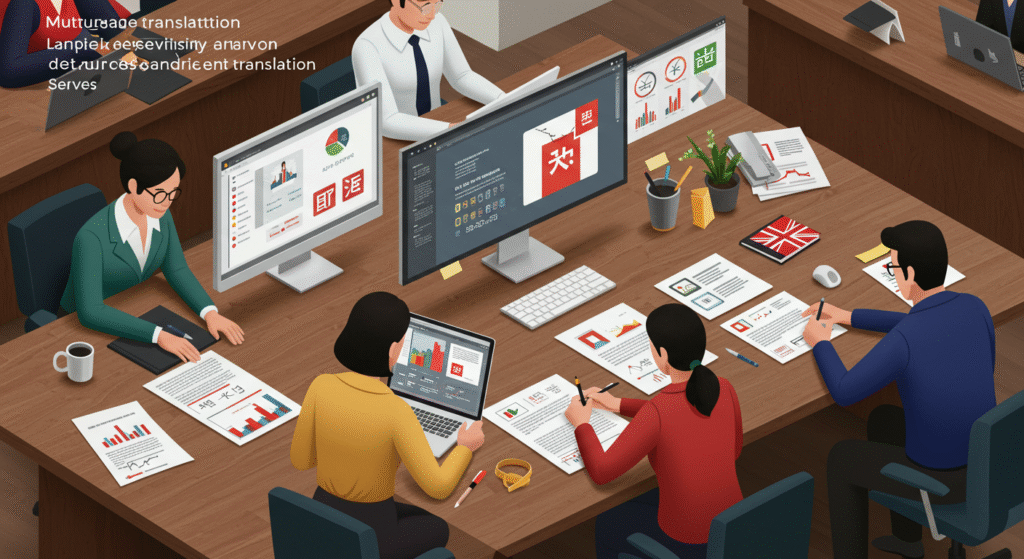
Modern technology has transformed government translation capabilities while creating new opportunities and challenges for public service delivery. Government translation supporting public services in multiple languages increasingly relies on sophisticated technology platforms that enable rapid, secure, and cost-effective translation services.
However, technology must be carefully integrated with human expertise to maintain the accuracy and cultural sensitivity required for government communications.
Translation management systems help government agencies coordinate large-scale translation projects while maintaining quality control and security standards. These platforms can track translation projects from initial request through final delivery, ensuring accountability and performance monitoring.
Advanced systems integrate with government databases and document management systems, streamlining workflow and reducing administrative overhead.
Computer-assisted translation tools help government translators work more efficiently while maintaining consistency across related documents. Translation memory systems store previously translated segments, ensuring consistent terminology and reducing translation time for routine documents. Terminology management databases help maintain approved translations for government-specific terms and concepts.
Machine translation technology has advanced significantly but remains limited for government applications requiring high accuracy and cultural sensitivity. Some agencies use machine translation for initial document processing or routine correspondence, but human review remains essential for important government communications.
Hybrid approaches combining machine translation with human post-editing can improve efficiency while maintaining quality.
Remote interpretation platforms have become particularly important for government agencies serving geographically dispersed populations. Video remote interpreting allows government offices to access qualified interpreters for less common languages without maintaining large in-house interpreter staff.
These systems proved essential during the COVID-19 pandemic when in-person interpretation became difficult or impossible.
Security considerations significantly impact technology choices for government translation services. Many government agencies require translation platforms that meet specific cybersecurity standards, with encrypted communications and secure document storage. Some sensitive translation work must be performed on air-gapped systems with no internet connectivity to prevent data breaches or unauthorized access.
Quality assurance technology helps government agencies monitor translation accuracy and consistency. Automated quality checking can identify potential errors, inconsistencies, or security issues before documents are finalized. However, human review remains essential for government translation work due to the high stakes and complex requirements involved.
Quality Standards for Government Translation Supporting Public Services in Multiple Languages
Government translation work requires exceptionally high quality standards due to the legal, safety, and equity implications of translation accuracy. Government translation supporting public services in multiple languages must meet rigorous quality requirements that often exceed standards used in commercial translation work.
These standards protect both government agencies and the citizens they serve from the serious consequences of translation errors.
Accuracy standards for government translation typically require near-perfect precision in legal terminology, numerical data, and procedural information. Many government agencies specify maximum error rates for different types of documents, with the most stringent requirements applied to legal documents, medical information, and safety-critical communications.
Quality metrics often include linguistic accuracy, cultural appropriateness, and compliance with government style guides.
Certification requirements vary by jurisdiction and document type but generally involve verification that translators possess appropriate qualifications and that translation work meets established standards.
Court interpreters typically need specialized certification from recognized professional organizations. Immigration document translators may need specific credentials for different types of official documents. Some government agencies maintain their own certification programs for translators working on sensitive or specialized materials.
Review processes for government translation typically involve multiple stages of quality assurance. Initial translation is followed by independent review by qualified linguists, subject matter experts, or both. High-stakes documents may undergo additional review by government staff or external experts. Some agencies require sworn translation or notarized certification for certain types of documents.
Cultural competency standards ensure that government translations respect cultural differences while maintaining clarity and authority. Translators must understand cultural attitudes toward government authority, legal processes, and public services. Health information must account for cultural beliefs about medical treatment. Legal documents must convey rights and obligations in culturally appropriate ways.
Performance monitoring helps government agencies evaluate translation service quality over time. Metrics may include turnaround times, revision rates, client satisfaction scores, and compliance with quality standards. Some agencies conduct periodic audits of translation work to ensure ongoing quality and identify areas for improvement.
Professional development requirements help ensure that government translators maintain current knowledge of laws, regulations, and best practices. Continuing education programs, professional certification maintenance, and specialized training help translators stay current with evolving government requirements and translation standards.
Cultural Sensitivity in Government Translation Supporting Public Services in Multiple Languages
Cultural competency represents a critical aspect of effective government translation that goes far beyond linguistic accuracy. Government translation supporting public services in multiple languages must account for cultural differences in communication styles, social structures, and relationships with government authority.
Professional government translators receive specialized training in cross-cultural communication to ensure that public services remain accessible and appropriate for diverse populations.
Understanding cultural attitudes toward government authority significantly affects how official communications should be translated. Some cultures emphasize formal, hierarchical communication with government officials, while others prefer more direct, egalitarian approaches.
Legal documents must convey rights and obligations in ways that are both legally accurate and culturally comprehensible. Immigration materials must respect cultural differences while clearly explaining legal requirements and procedures.
Religious and cultural considerations affect translation of government health information, social services materials, and legal documents. Healthcare translations must account for cultural beliefs about medical treatment, family decision-making, and privacy. Social services materials must respect cultural differences in family structures, gender roles, and community support systems. Legal documents must convey concepts that may not exist in other legal or cultural systems.
Communication style differences require careful adaptation in government translation work. High-context cultures may require more detailed explanations and contextual information than low-context cultures. Direct versus indirect communication preferences affect how government instructions, warnings, and legal requirements should be presented. Professional translators understand these cultural communication patterns and adapt their work accordingly.
Gender and family considerations affect many areas of government translation work. Immigration documents often involve family relationships that may be structured differently in various cultures. Healthcare materials must account for cultural differences in gender roles and family decision-making. Legal documents must respect cultural attitudes toward women’s rights, children’s status, and family authority structures.
Community consultation and feedback mechanisms help government agencies ensure that translated materials meet the needs of diverse populations. Some agencies work with community advisory groups to review translated materials and provide cultural feedback. Regular community surveys and focus groups help identify translation quality issues and cultural sensitivity concerns.
Training programs for government translators increasingly emphasize cultural competency alongside linguistic skills. Professional development curricula include cross-cultural communication, bias awareness, and community engagement strategies. Some programs include immersion experiences or community placement opportunities to help translators better understand the populations they serve.
Emergency Services and Government Translation Supporting Public Services in Multiple Languages

Emergency response situations create unique challenges and opportunities for government translation services, where rapid, accurate communication can literally save lives. Government translation supporting public services in multiple languages becomes particularly critical during emergencies when language barriers can prevent people from accessing life-saving information or services. Emergency translation requires specialized protocols, technology solutions, and trained personnel who can perform under extreme pressure.
Emergency medical services regularly encounter situations requiring immediate translation services. Ambulance crews, emergency room staff, and first responders need rapid access to qualified interpreters who can translate medical histories, symptoms, and treatment consent information. Trauma situations require translators who can work effectively in high-stress environments while maintaining accuracy in medical terminology and patient communication.
Disaster response creates massive translation needs as government agencies must communicate evacuation orders, shelter information, and safety instructions to diverse populations simultaneously. Hurricane warnings, earthquake preparedness information, and flood evacuation orders must be translated rapidly into multiple languages and disseminated through various communication channels. Translation errors or delays in emergency communications can have life-threatening consequences.
Law enforcement agencies require emergency translation services for crisis situations involving non-English speakers. Domestic violence calls, accident investigations, and criminal incidents often require immediate interpreter services. Officers need rapid access to qualified interpreters who understand legal terminology and can facilitate communication between law enforcement personnel and community members during critical situations.
Emergency hotlines and 911 services increasingly provide multilingual capabilities to serve diverse communities effectively. These services require 24/7 access to qualified interpreters who can handle high-stress situations while maintaining accuracy and professionalism. Technology solutions enable rapid connection to remote interpreters when on-site interpretation is not immediately available.
Mental health crisis intervention represents a particularly sensitive area of emergency translation services. Suicide prevention hotlines, crisis counseling services, and emergency psychiatric evaluations require translators with specialized training in mental health terminology and crisis communication. Cultural sensitivity becomes especially important when dealing with mental health issues that may be stigmatized in certain communities.
Training programs for emergency translators emphasize speed, accuracy, and stress management. Emergency interpreters learn to work in chaotic environments while maintaining professional standards. Specialized training covers medical terminology, legal procedures, and crisis communication techniques. Many programs include simulation exercises that replicate emergency conditions.
Administrative Challenges in Government Translation Supporting Public Services in Multiple Languages
Government agencies face numerous administrative challenges when implementing comprehensive translation services, from budget constraints to staffing issues and coordination difficulties. Government translation supporting public services in multiple languages requires sophisticated administrative systems that can manage complex procurement processes, quality assurance requirements, and performance monitoring while ensuring cost-effective service delivery.
Budget planning for government translation services involves balancing service quality with fiscal responsibility. Agencies must estimate translation volumes, language combinations, and service levels while working within limited budgets. Unexpected events like natural disasters or immigration surges can dramatically increase translation needs beyond budgeted amounts. Some agencies establish emergency translation funds or flexible contracting arrangements to handle unpredictable demand.
Procurement processes for government translation services typically involve complex competitive bidding procedures designed to ensure fairness and value for taxpayers. Request for proposal documents must specify technical requirements, quality standards, and performance metrics while allowing for competitive pricing. Evaluation processes must balance cost considerations with quality requirements and vendor capabilities.
Vendor management becomes particularly challenging when government agencies work with multiple translation service providers. Consistency in quality, terminology, and style requires coordination across different vendors and projects. Performance monitoring systems must track multiple providers while ensuring comparable service levels. Some agencies use master service agreements or preferred vendor programs to simplify vendor management.
Staffing challenges affect both government agencies and translation service providers working with government clients. Qualified government translators require specialized skills, security clearances, and cultural competency that can be difficult to find and expensive to develop. High-stress work environments and security requirements can make government translation positions less attractive than commercial alternatives.
Technology integration challenges arise when government agencies attempt to modernize translation services while maintaining security and compliance requirements. Legacy government systems may not integrate easily with modern translation platforms. Security requirements may limit technology options or require custom solutions. Staff training needs increase when new technology systems are implemented.
Performance measurement and reporting requirements help government agencies demonstrate accountability to taxpayers and oversight bodies. Translation services must be measured and reported using standardized metrics that allow for comparison across agencies and time periods. Some jurisdictions require detailed reporting on translation costs, service levels, and quality metrics.
Future Developments in Government Translation Supporting Public Services in Multiple Languages
The field of government translation continues evolving as technology advances, demographics change, and new challenges emerge in public service delivery. Government translation supporting public services in multiple languages will likely see significant developments in the coming years, driven by artificial intelligence improvements, changing population patterns, and evolving expectations for government service accessibility.
Artificial intelligence and machine learning technologies show promise for improving government translation efficiency while maintaining quality standards. Advanced AI systems may eventually handle routine administrative documents, allowing human translators to focus on complex legal, medical, and sensitive materials. However, the high-stakes nature of government translation suggests that human oversight will remain essential for the foreseeable future.
Demographic changes in many countries are creating new translation needs while changing the relative importance of different languages. Growing immigrant populations from different regions require government agencies to develop translation capabilities in new language combinations. Aging populations may require increased translation services as first-generation immigrants age and become more dependent on government services.
Remote service delivery models, accelerated by the COVID-19 pandemic, are changing how government agencies provide translation services. Video remote interpreting, telephone interpretation, and digital document translation are becoming standard service delivery methods. These remote capabilities enable government agencies to serve geographically dispersed populations more effectively while reducing costs.
Integration of translation services with digital government initiatives creates opportunities for more seamless, user-friendly multilingual government services. Citizens may eventually access government services through multilingual digital platforms that provide real-time translation and interpretation capabilities. However, digital divides and accessibility requirements must be considered in developing these advanced services.
Quality assurance technologies continue advancing, with automated quality checking and consistency monitoring becoming more sophisticated. These tools can help government agencies maintain translation quality while reducing manual review requirements. However, human expertise remains essential for cultural sensitivity and complex quality judgments.
Professional development and certification programs for government translators are becoming more specialized and rigorous. New certification programs focus specifically on government translation work, with specialized tracks for different areas like healthcare, legal services, and emergency response. Continuing education requirements help translators stay current with evolving government requirements.
Best Practices for Government Translation Supporting Public Services in Multiple Languages
Implementing effective government translation programs requires systematic approaches that prioritize quality, accessibility, and cost-effectiveness while meeting legal requirements and community needs. Government translation supporting public services in multiple languages succeeds when agencies establish clear policies, maintain qualified service providers, and implement robust quality assurance measures that ensure consistent, reliable translation services across all government operations.
Policy development forms the foundation of successful government translation programs. Comprehensive language access policies should define service levels, quality standards, and implementation procedures for different types of government communications. Policies should specify when professional translation is required versus when other language assistance methods are acceptable. Clear guidelines help staff understand their responsibilities and ensure consistent service delivery.
Needs assessment and planning help government agencies understand their translation requirements and allocate resources appropriately. Demographic analysis identifies the languages most needed in specific service areas. Service volume projections help agencies plan staffing and budgets. Community consultation ensures that translation services meet actual community needs rather than assumptions about language preferences.
Vendor selection and management processes should emphasize qualifications, quality assurance capabilities, and cultural competency rather than focusing solely on cost considerations. Qualified translation service providers should demonstrate experience with government work, appropriate certifications, and robust quality control processes. Performance monitoring and regular evaluation help ensure continued service quality.
Staff training programs help government employees understand language access requirements and work effectively with translation services. Training should cover legal requirements, cultural sensitivity, and practical procedures for obtaining translation services. Regular updates help staff stay current with policy changes and best practices.
Quality assurance programs should include multiple review stages appropriate for different types of documents and communications. Routine administrative materials may require standard translation and proofreading, while legal documents may need additional review by legal experts. Risk-based approaches help allocate quality assurance resources efficiently while maintaining appropriate oversight.
Community engagement and feedback mechanisms help government agencies evaluate the effectiveness of their translation services and identify areas for improvement. Regular community surveys, focus groups, and advisory committees provide valuable feedback on translation quality and cultural appropriateness. Complaint and suggestion systems help identify problems quickly and implement corrective actions.
Performance measurement and continuous improvement processes help government agencies optimize their translation programs over time. Key performance indicators should include quality metrics, timeliness measures, cost efficiency indicators, and community satisfaction scores. Regular program reviews help identify successful practices and areas needing improvement.
Measuring Impact of Government Translation Supporting Public Services in Multiple Languages
Evaluating the effectiveness and impact of government translation services requires comprehensive measurement approaches that consider multiple dimensions of success. Government translation supporting public services in multiple languages should be assessed based on accessibility improvements, quality outcomes, cost effectiveness, and community satisfaction to ensure that translation investments produce meaningful benefits for both government agencies and the communities they serve.
Access metrics measure how effectively translation services remove language barriers to government services. These might include the percentage of limited English proficiency individuals successfully accessing services, completion rates for multilingual government programs, and participation levels in government services by language groups. Comparative analysis can show whether translation services are reducing disparities in service access.
Quality indicators assess whether translation services meet professional standards and produce accurate, culturally appropriate communications. Error rates, revision requirements, and professional review scores provide quantitative quality measures. Community feedback and satisfaction surveys offer qualitative insights into translation effectiveness from the user perspective.
Efficiency measures evaluate the operational effectiveness of government translation programs. Turnaround times, cost per translation, and resource utilization rates help agencies understand the operational performance of their translation services. Comparative benchmarking against other similar agencies can identify opportunities for improvement.
Compliance metrics track how well translation services meet legal requirements and regulatory standards. These might include the percentage of required documents available in mandated languages, response times for interpretation requests, and compliance with certification requirements. Audit findings and regulatory feedback provide additional compliance indicators.
Outcome measures connect translation services to broader government objectives and community benefits. These might include improved health outcomes in multilingual communities, increased tax compliance among immigrant populations, or enhanced public safety through better emergency communication. While these outcomes are influenced by many factors, translation services often play important supporting roles.
Cost-benefit analysis helps government agencies understand the return on investment from translation services. Direct costs include translation fees, staff time, and technology investments. Benefits include improved service delivery, reduced legal risks, enhanced community relations, and better compliance with legal mandates. Some benefits, such as improved public health or safety, may have significant monetary value.
Equity impact assessments evaluate whether translation services are effectively serving all language communities fairly. Analysis might compare service levels across different language groups, geographic areas, or service types. Disparities in access or quality can indicate areas needing additional attention or resources.
Community satisfaction and trust measures assess whether translation services are building positive relationships between government agencies and diverse communities. Trust surveys, community feedback sessions, and participation rates in government programs can indicate whether translation services are effectively supporting democratic participation and community engagement.
FAQs On Government Translation: Supporting Public Services in Multiple Languages:

1. What types of government documents typically require professional translation?
Government agencies commonly require translation for legal documents, court proceedings, immigration paperwork, healthcare materials, tax forms, social services applications, emergency communications, public safety notices, voter information, and regulatory compliance documents. Each document type has specific accuracy requirements and may need certified translation depending on its intended use and legal significance.
2. How do government agencies ensure translation quality and accuracy?
Government translation quality assurance typically involves multiple review stages, certified translator requirements, standardized terminology databases, and performance monitoring systems. Many agencies require sworn translations for legal documents, maintain approved translator lists, and implement quality control processes that include linguistic review, subject matter expert verification, and compliance checking.
3. What qualifications do government translators need?
Government translators typically need advanced language proficiency, specialized training in legal or administrative terminology, cultural competency certification, and often security clearances. Court interpreters require specialized certification, while immigration translators may need credentials for specific document types. Many positions require ongoing professional development and continuing education.
4. How quickly can government translation services be provided?
Translation timelines vary significantly based on document complexity, language combination, and urgency level. Emergency situations may require immediate interpretation services, while complex legal documents could take several days or weeks. Many government agencies maintain expedited service arrangements for urgent translations and 24/7 interpreter access for emergencies.
5. What languages do government agencies typically support?
Language support varies by jurisdiction and community demographics, but commonly includes Spanish, Chinese, Arabic, Russian, Vietnamese, Korean, and other languages with significant local populations. Federal agencies may support dozens of languages, while local agencies focus on their specific community needs. Emergency services typically maintain broader language capabilities.
6. How much do government translation services cost?
Government translation costs vary based on language combinations, document complexity, urgency, and quality requirements. Specialized government translation typically costs more than general commercial translation due to security requirements, certification needs, and higher accuracy standards. However, costs are generally justified by legal compliance requirements and service quality benefits.
7. Can technology replace human translators in government work?
While technology assists government translation work, human expertise remains essential for accuracy, cultural sensitivity, and legal compliance. Machine translation might handle routine communications, but important government documents require human translators who understand legal frameworks, cultural nuances, and regulatory requirements. Hybrid approaches combining technology with human review are becoming more common.
8. What happens if government translation errors occur?
Translation errors in government documents can have serious consequences, including legal liability, service delivery failures, and civil rights violations. Professional translation services typically carry insurance and provide quality guarantees. Government agencies usually have error correction procedures and may face legal challenges if translation errors result in harm or rights violations.
9. How do government agencies handle confidential information during translation?
Government translation services implement strict security measures including background checks for translators, secure document transmission systems, confidentiality agreements, restricted access controls, and compliance with government security standards. Many sensitive documents require translators with appropriate security clearances and specialized handling procedures.
10. What legal requirements mandate government translation services?
Legal requirements vary by jurisdiction but commonly stem from civil rights legislation, constitutional equal protection principles, and international human rights commitments. In the United States, requirements include the Court Interpreters Act, Executive Order 13166, and various civil rights laws. International treaties and local legislation create additional mandates for language access in government services.
At Directline Translators, we understand that government translation supporting public services in multiple languages requires exceptional accuracy, cultural sensitivity, and regulatory compliance expertise. Our specialized team of government translation professionals combines advanced linguistic skills with deep knowledge of legal frameworks and administrative procedures to help government agencies serve diverse communities effectively while meeting all legal requirements.
Contact Directline Translators today to learn how our government translation services can help your agency provide accessible, high-quality public services to all community members regardless of their native language.