 directlineauthors

When lives hang in the balance, words matter more than ever. Healthcare translation serves as the bridge between medical professionals and patients who speak different languages, making it possible for accurate diagnoses, proper treatment plans, and life-saving interventions to happen without barriers. The medical field operates on precision, where a single mistranslated term can mean the difference between recovery and complications.
Healthcare translation goes far beyond converting words from one language to another. This specialized field requires deep understanding of medical terminology, cultural nuances, and regulatory requirements that govern patient care across different countries and communities. Medical documents, patient records, pharmaceutical instructions, and clinical trial protocols all demand the highest level of accuracy and cultural sensitivity.
The stakes in medical communication couldn’t be higher. Patients trust healthcare providers with their most vulnerable moments, and language should never stand in the way of receiving quality care. Healthcare translation ensures that non-English speaking patients receive the same level of understanding and care as those who speak the primary language of their healthcare system. This creates an environment where every patient can make informed decisions about their treatment and feel confident in their care.
The complexity of healthcare translation extends across multiple areas of medical practice. From emergency room situations where quick, accurate communication saves lives, to long-term care facilities where ongoing patient education shapes recovery outcomes, professional translation services play a vital role in modern healthcare delivery. Understanding how healthcare translation works and why it matters helps both medical professionals and patients appreciate the critical nature of this specialized service.
Why Healthcare Translation Matters for Patient Safety

Patient safety forms the foundation of all medical practice, and healthcare translation directly impacts how safely patients receive care. When medical information gets lost in translation, patients face serious risks including misdiagnosis, incorrect medication dosages, and inappropriate treatment procedures. These communication breakdowns can lead to hospital readmissions, extended recovery times, and in worst-case scenarios, life-threatening complications.
Medical errors related to language barriers affect thousands of patients each year. A patient might receive the wrong medication because they couldn’t accurately describe their symptoms, or a surgical procedure might be performed incorrectly because consent forms weren’t properly translated. Healthcare translation prevents these dangerous situations by ensuring that medical information flows accurately between healthcare providers and patients regardless of language differences.
The emotional aspect of patient safety through healthcare translation cannot be overlooked. Patients who cannot communicate effectively with their healthcare team often experience increased anxiety, confusion, and feelings of helplessness. This emotional distress can actually slow healing and recovery processes. Professional healthcare translation services help patients feel heard, understood, and confident in their treatment plans, which contributes to better overall health outcomes.
Quality healthcare translation also protects medical professionals from liability issues that can arise from miscommunication. When patients fully understand their treatment options, medication instructions, and follow-up care requirements through accurate translation, they’re more likely to comply with medical recommendations and less likely to experience preventable complications that could result in legal challenges for healthcare providers.
Regulatory Compliance in Healthcare Translation Services
Healthcare translation operates within a complex web of regulations designed to protect patient rights and ensure quality care. The Joint Commission, which accredits healthcare organizations in the United States, requires hospitals to provide interpretation services for patients with limited English proficiency. This regulation exists because effective communication is fundamental to patient safety and quality care delivery.
HIPAA compliance presents another crucial aspect of healthcare translation services. Medical translators must understand and follow strict privacy regulations when handling patient information. This means using secure communication channels, properly storing translated documents, and ensuring that only authorized personnel have access to sensitive medical information during the translation process.
International regulations add another layer of complexity to healthcare translation compliance. Medical device manufacturers, pharmaceutical companies, and healthcare organizations operating across borders must ensure their translated materials meet the specific regulatory requirements of each country where they operate. This includes following Good Manufacturing Practices (GMP) guidelines, FDA regulations, and European Medicines Agency (EMA) standards for translated medical content.
The consequences of non-compliance in healthcare translation can be severe. Healthcare organizations may face fines, lose accreditation, or be subject to legal action if they fail to provide adequate translation services or if translation errors lead to patient harm. Professional healthcare translation services help organizations maintain compliance by following established protocols, maintaining proper documentation, and employing certified translators who understand regulatory requirements.
Medical Document Healthcare Translation Requirements
Medical documents require specialized healthcare translation approaches that differ significantly from general translation work. Clinical trial protocols, for example, must be translated with absolute precision to ensure that research participants understand exactly what procedures they’ll undergo and what risks they might face. Any ambiguity in these translations could compromise the validity of research results or put participants at risk.
Pharmaceutical labeling and package inserts represent another critical area of medical document healthcare translation. These materials must convey precise dosage instructions, contraindications, and potential side effects in language that patients can easily understand. The translation must also comply with regulatory formatting requirements and include all legally mandated warnings and disclaimers.
Patient medical records require careful healthcare translation when patients transfer between facilities or seek second opinions from providers who speak different languages. These translations must maintain the technical accuracy of medical terminology while being accessible to the receiving healthcare team. The translator must understand medical abbreviations, diagnostic codes, and treatment protocols used in both the source and target languages.
Informed consent documents present unique challenges in healthcare translation because they must convey complex medical information in language that patients can understand, regardless of their educational background or familiarity with medical terminology. These translations must balance technical accuracy with plain language principles to ensure that patients can make truly informed decisions about their care.
Emergency Healthcare Translation Protocols
Emergency situations demand immediate, accurate healthcare translation services that can mean the difference between life and death. Emergency departments typically maintain 24/7 access to professional interpreters through phone services, video conferencing, or on-site staff to handle urgent translation needs. These services must be available within minutes of request to avoid delays in critical care.
Triage protocols in emergency healthcare translation help medical staff quickly assess patient conditions even when language barriers exist. Professional interpreters trained in emergency medicine can rapidly convey symptom descriptions, pain levels, and medical history information that emergency physicians need to make quick treatment decisions. This rapid communication process helps ensure that patients receive appropriate care priority based on the severity of their conditions.
Critical care situations require healthcare translation services that can handle high-stress environments while maintaining absolute accuracy. When patients are unconscious or unable to communicate, family members often serve as the primary source of medical information. Professional interpreters help relay this crucial information to medical teams while also explaining complex treatment options and procedures to worried family members.
Emergency healthcare translation protocols also include procedures for handling multiple casualties or disaster situations where language barriers could complicate rescue and treatment efforts. Hospitals and emergency response teams maintain lists of available interpreters who can be called upon during mass casualty events to ensure that all patients receive appropriate care regardless of their language needs.
Cultural Sensitivity in Healthcare Translation Practices
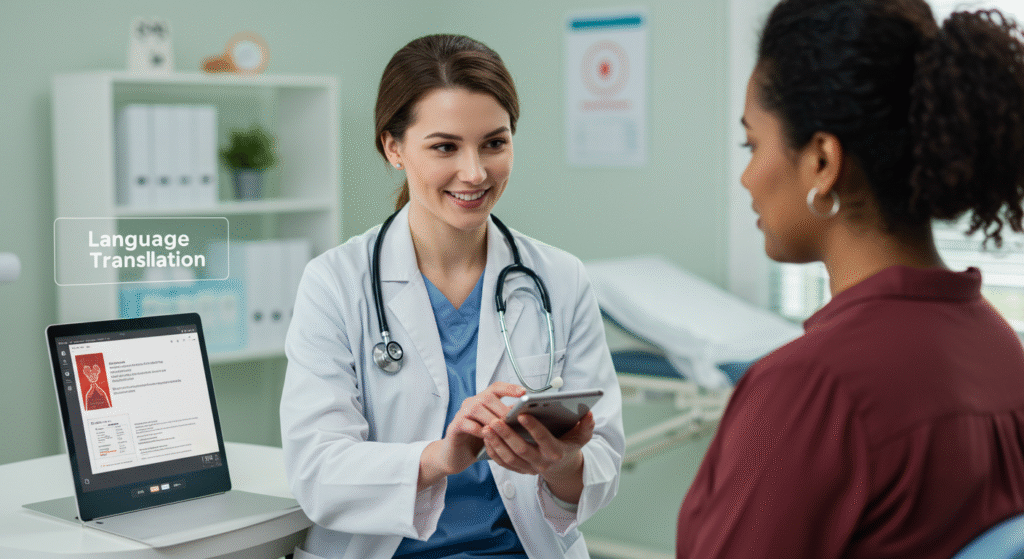
Cultural competency plays a vital role in effective healthcare translation because medical beliefs, practices, and communication styles vary significantly across different cultures. A skilled healthcare translation professional understands not just the language differences but also the cultural context that influences how patients understand and respond to medical information. This cultural awareness helps prevent misunderstandings that could impact treatment outcomes.
Religious and cultural beliefs often influence medical decision-making in ways that healthcare providers might not immediately recognize. Healthcare translation services help bridge these cultural gaps by explaining not just what patients are saying, but also the cultural context behind their concerns or preferences. This deeper understanding helps medical teams provide more culturally appropriate care that respects patient values while meeting medical standards.
Family dynamics and decision-making processes vary dramatically across cultures, and healthcare translation must account for these differences. In some cultures, family elders make medical decisions for younger family members, while in others, individual autonomy is paramount. Professional healthcare translation services help navigate these cultural differences to ensure that medical information reaches the appropriate decision-makers in culturally appropriate ways.
Pain expression and symptom description also vary across cultures, which can impact accurate diagnosis if not properly understood through cultural healthcare translation. Some cultures encourage stoic responses to pain, while others are more expressive. Healthcare translation professionals help medical providers understand these cultural communication patterns to ensure accurate assessment and appropriate treatment planning.
Technology Integration in Modern Healthcare Translation
Modern healthcare translation increasingly relies on technology to improve accuracy, speed, and accessibility of language services. Computer-assisted translation (CAT) tools help healthcare translation professionals maintain consistency in medical terminology across large document sets while building databases of approved translations for commonly used medical terms and phrases.
Telemedicine platforms now integrate healthcare translation services directly into video consultation systems, allowing patients to access both medical care and professional interpretation services from their homes. This technology integration has become particularly valuable for patients in rural areas or those with mobility limitations who might otherwise struggle to access both medical care and translation services.
Electronic health record (EHR) systems increasingly include healthcare translation features that can flag when patients need interpretation services and automatically connect them with appropriate language support. These systems help ensure that language needs are identified early in the care process and that proper translation services are arranged before medical encounters begin.
Mobile applications designed for healthcare translation provide quick access to medical interpreters during unexpected medical situations. These apps can connect patients with certified medical interpreters within minutes, making it possible to access professional healthcare translation services even in urgent situations where pre-planning wasn’t possible.
Quality Assurance in Professional Healthcare Translation
Quality assurance in healthcare translation involves multiple layers of review and verification to ensure that translated medical content meets the highest standards of accuracy and clarity. Professional healthcare translation services typically employ a multi-step review process where initial translations are checked by secondary translators, reviewed by medical professionals, and tested with target language speakers to ensure comprehension.
Certification requirements for healthcare translation professionals ensure that translators have the specialized knowledge needed to handle medical content accurately. These certifications typically require demonstrating proficiency in medical terminology, understanding of healthcare regulations, and ability to maintain professional standards under pressure. Many healthcare translation services only employ translators who hold relevant medical or linguistic certifications.
Error tracking and correction protocols in healthcare translation help identify common problem areas and improve translation quality over time. When translation errors are discovered, professional services analyze the root causes and implement process improvements to prevent similar errors in future translations. This continuous improvement approach helps maintain the high accuracy standards required in medical settings.
Client feedback systems allow healthcare organizations to report translation quality issues and request improvements in healthcare translation services. This feedback loop helps translation providers understand the specific needs of different medical specialties and adjust their services accordingly. Regular quality assessments ensure that healthcare translation services continue to meet evolving medical communication needs.
Training Requirements for Healthcare Translation Specialists
Healthcare translation specialists require extensive training that goes far beyond general language proficiency. These professionals must master medical terminology in multiple languages, understand anatomy and physiology, and stay current with medical advances that introduce new terms and concepts. This specialized knowledge ensures that healthcare translation maintains the technical accuracy required in medical settings.
Professional development for healthcare translation specialists includes ongoing education about new medical procedures, pharmaceutical developments, and changes in healthcare regulations. Medical knowledge evolves rapidly, and healthcare translation professionals must keep pace with these changes to provide accurate, current translation services. Many professional organizations require continuing education to maintain healthcare translation certifications.
Cross-cultural communication training helps healthcare translation specialists understand the cultural factors that influence medical communication. This training covers topics such as cultural attitudes toward pain, family involvement in medical decisions, and religious considerations that might impact treatment acceptance. This cultural competency enables more effective healthcare translation that considers both linguistic and cultural factors.
Ethics training for healthcare translation specialists covers the unique ethical challenges that arise in medical settings. These professionals must understand patient confidentiality requirements, conflict of interest issues, and the boundaries of their professional role. Healthcare translation specialists must know when to advocate for patients and when to remain neutral facilitators of communication.
Cost-Benefit Analysis of Healthcare Translation Investments
Healthcare organizations often question the financial impact of investing in professional healthcare translation services, but research consistently shows that these services provide significant cost savings through improved patient outcomes and reduced liability risks. Proper healthcare translation reduces medical errors, which can be extremely expensive when they result in extended hospital stays, additional treatments, or legal settlements.
Preventive care compliance improves significantly when patients can fully understand their healthcare providers’ recommendations through professional healthcare translation services. Patients who understand their medication instructions, follow-up appointment requirements, and lifestyle modifications are less likely to experience complications that require expensive emergency interventions or hospital readmissions.
Healthcare translation services also reduce the hidden costs associated with using family members or untrained staff as interpreters. While these informal interpretation arrangements might seem cost-effective initially, they often lead to communication errors that result in more expensive medical interventions later. Professional healthcare translation services prevent these costly mistakes through accurate, reliable communication.
The legal protection provided by professional healthcare translation services offers significant value for healthcare organizations. When patients can demonstrate that they didn’t fully understand medical information due to inadequate translation, healthcare providers may face liability claims. Professional healthcare translation services provide documentation and quality assurance that help protect organizations from these legal risks.
Future Trends in Healthcare Translation Technology
Artificial intelligence and machine learning are beginning to play larger roles in healthcare translation, though human expertise remains essential for ensuring accuracy and cultural appropriateness. AI-powered translation tools can help with initial drafts of routine medical documents, but professional healthcare translation specialists are still needed to review, edit, and ensure quality of these automated translations.
Real-time translation technology is advancing rapidly, with new systems able to provide instant healthcare translation during medical consultations. These systems use voice recognition and natural language processing to translate conversations as they happen, though current technology still requires human oversight to ensure medical accuracy and cultural sensitivity.
Wearable devices and Internet of Things (IoT) medical equipment increasingly include healthcare translation capabilities that can communicate with patients in their preferred languages. These devices can provide medication reminders, health monitoring updates, and emergency alerts in multiple languages, making healthcare more accessible to diverse patient populations.
Blockchain technology is being explored for secure healthcare translation record-keeping, which could help maintain translation quality records while protecting patient privacy. This technology could enable better tracking of translation accuracy and provide audit trails that help healthcare organizations demonstrate compliance with language access requirements.
Healthcare translation continues to evolve as an essential component of modern medical care, ensuring that language barriers never compromise patient safety or quality of care. The combination of human expertise, technological advancement, and regulatory compliance creates a comprehensive approach to medical communication that serves diverse patient populations effectively. As healthcare becomes increasingly global and diverse, the importance of professional healthcare translation services will only continue to grow, making it an indispensable part of delivering equitable, high-quality medical care to all patients.
FAQs On Healthcare Translation: Ensuring Patient Safety and Compliance:

1. What qualifies someone to provide healthcare translation services? Healthcare translation professionals typically need specialized medical training, language certifications, and experience in healthcare settings. Most qualified healthcare translation specialists have completed formal training programs in medical interpretation, hold relevant certifications from professional organizations, and maintain continuing education in both medical knowledge and language skills.
2. How quickly can healthcare translation services be accessed in emergency situations? Professional healthcare translation services maintain 24/7 availability for emergency situations, with most services able to connect interpreters within 5-10 minutes through phone or video systems. Many hospitals also have on-call healthcare translation staff who can respond to urgent needs within their facilities.
3. Are healthcare translation services covered by insurance? Insurance coverage for healthcare translation services varies depending on the specific insurance plan and healthcare setting. Many hospitals are required by law to provide these services regardless of payment, and some insurance plans include coverage for interpretation services as part of their benefits package.
4. What’s the difference between healthcare translation and medical interpretation? Healthcare translation typically refers to written document translation, while medical interpretation involves real-time spoken communication during medical encounters. Both services require specialized medical knowledge, but interpretation requires additional skills for managing live communication in high-pressure medical situations.
5. How do healthcare translation services maintain patient confidentiality? Professional healthcare translation services follow strict HIPAA compliance protocols, including secure communication systems, confidentiality agreements for all staff, and proper handling and disposal of translated materials. These services use encrypted communication channels and maintain detailed records of who has access to patient information.
6. Can family members provide adequate healthcare translation for patients? While family members may help with basic communication, professional healthcare translation services are recommended for medical situations because family members may lack medical terminology knowledge, could introduce bias into translations, or might be too emotionally involved to translate accurately during stressful situations.
7. What types of medical documents require professional healthcare translation? Medical documents that typically require professional healthcare translation include informed consent forms, discharge instructions, medication labels, surgical procedure explanations, clinical trial protocols, medical records, and patient education materials. Any document that affects patient care decisions should be professionally translated.
8. How do healthcare translation services handle multiple languages in diverse communities? Professional healthcare translation services typically maintain networks of qualified interpreters in dozens of languages and can access additional languages through partner organizations. They use language identification protocols to quickly determine patient language needs and connect them with appropriate translation support.
9. What happens if a healthcare translation error leads to patient harm? Healthcare translation errors that result in patient harm can lead to medical malpractice claims, regulatory investigations, and potential liability for both healthcare providers and translation services. Professional healthcare translation services carry liability insurance and follow quality assurance protocols designed to prevent such errors.
10. How often should healthcare organizations evaluate their translation service providers? Healthcare organizations should evaluate their healthcare translation service providers at least annually, reviewing factors such as response times, translation accuracy, patient satisfaction, compliance with regulations, and cost-effectiveness. Regular evaluation helps ensure that translation services continue to meet the organization’s quality and access standards.