
 directlineauthors
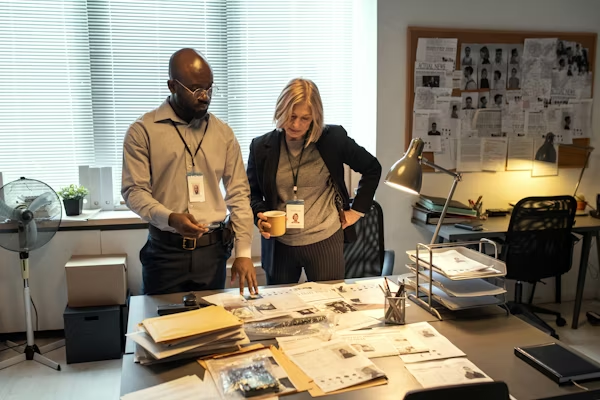
Last month, a multinational engineering firm lost a $2.3 million contract because of a single mistranslated technical specification. The error wasn’t caught until after the machinery failed during installation, causing costly delays and damaged relationships. This scenario plays out more often than you might think, highlighting the critical nature of accurate technical translation in engineering projects.
The technical translation process for engineering documents demands absolute precision, specialized knowledge, and an understanding of complex terminology that can make or break entire projects. Engineering documentation forms the backbone of global manufacturing, construction, and technology transfer, making accurate translation not just helpful but absolutely vital for success. Companies working across international markets face mounting pressure to get their technical translation process for engineering documents right the first time, as mistakes can result in safety hazards, legal complications, and financial losses that reach into millions of dollars.
What makes this field particularly challenging is the intersection of linguistic expertise and deep technical knowledge required. Unlike general translation work, engineering document translation requires professionals who can think like engineers while maintaining the precision of experienced linguists. The stakes couldn’t be higher, and the margin for error remains virtually nonexistent.
This comprehensive guide will walk you through the ten most significant challenges that plague the technical translation process for engineering documents and provide actionable solutions that leading companies like Directline Translators have developed through years of specialized experience. You’ll learn how to identify potential pitfalls before they become costly mistakes, implement quality control measures that actually work, and build translation workflows that deliver consistent results across complex international projects.
Understanding Complex Terminology in Technical Translation Process for Engineering Documents
Engineering terminology presents unique challenges that go far beyond simple word-for-word translation. Technical terms often carry specific meanings that vary dramatically between industries, regions, and even individual companies. A “coupling” in mechanical engineering means something entirely different from a “coupling” in electrical engineering, and translators must understand these nuances to avoid catastrophic misunderstandings.
The complexity deepens when you consider that many engineering terms don’t have direct equivalents in other languages. Take the German concept of “Verschleißfestigkeit” – a term describing wear resistance that encompasses multiple English concepts including abrasion resistance, durability, and longevity. Professional translators must decide whether to use multiple terms to convey the full meaning or find creative ways to express the concept accurately within the target language’s constraints.
Regional variations add another layer of complexity. British English uses “earthing” where American English uses “grounding,” and these differences can create confusion in international projects. Canadian French technical terminology differs significantly from European French, particularly in newer technology fields where Quebec has developed its own technical vocabulary to avoid anglicisms.
Creating comprehensive glossaries becomes your first line of defense against terminology confusion. Directline Translators recommends developing project-specific glossaries that include not just direct translations but also contextual notes explaining when and how each term should be used. These glossaries should undergo regular updates as projects evolve and new terminology emerges.
Industry-specific dictionaries provide another valuable resource, but they must be used carefully. Many technical dictionaries lag behind current industry practice, particularly in rapidly evolving fields like renewable energy or advanced manufacturing. Professional translators supplement these resources with current industry publications, technical standards documents, and direct consultation with subject matter experts.
Collaboration with engineers proves invaluable for resolving terminology questions. Establishing clear communication channels between translators and technical teams allows for quick clarification of ambiguous terms and ensures that translations reflect current company practices rather than outdated dictionary definitions.
Managing Accuracy Requirements in Technical Translation Process for Engineering Documents
Engineering documents demand accuracy levels that would be considered excessive in most other fields. A single decimal point error in a technical specification can result in parts that don’t fit, systems that fail catastrophically, or safety margins that prove inadequate under real-world conditions. This level of precision requires systematic approaches that go well beyond traditional translation methods.
Numerical accuracy presents particular challenges because different countries use different conventions for decimal separators, measurement units, and mathematical notation. European documents typically use commas as decimal separators while American documents use periods. Metric measurements must be converted accurately to imperial units and vice versa, with appropriate rounding that maintains engineering precision without introducing false accuracy.
Temperature conversions require special attention because the stakes are often high. Converting 100°C to 212°F is straightforward, but converting operating ranges or temperature differentials requires understanding the underlying physics and engineering principles. A translator working on HVAC specifications must understand that a 20°C temperature difference equals a 36°F difference, not the 68°F that would result from converting the temperatures individually.
Technical specifications often include tolerances that must be preserved exactly. A dimension specified as “50.0 ± 0.1 mm” carries specific meaning about manufacturing precision and quality requirements. Translators must understand that changing this to “approximately 50 mm” or “about 2 inches” completely destroys the engineering intent and could lead to manufacturing problems.
Quality control measures become non-negotiable for accuracy-critical translations. Professional translation services implement multiple review stages including technical review by engineers, linguistic review by native speakers, and final verification by independent quality control specialists. Each reviewer focuses on different aspects: technical accuracy, linguistic quality, and overall document coherence.
Reference material verification ensures that translated documents maintain consistency with original engineering standards and specifications. This involves checking that referenced standards (like ASTM, ISO, or DIN specifications) are correctly identified in the target language and that any quoted material from these standards matches officially published translations where they exist.
Handling Specialized Software and Tools in Technical Translation Process for Engineering Documents
Modern engineering documentation increasingly relies on specialized software tools that create unique translation challenges. Computer-aided design (CAD) files contain embedded text that requires translation, but this text often appears in specific contexts that affect its meaning. A label reading “INLET” on a mechanical drawing carries different implications than the same word in a valve specification table.
CAD file translation requires specialized tools and workflows because the text elements are embedded within complex technical drawings. Translators must work with the original CAD files rather than exported images to ensure that text sizing, positioning, and formatting remain appropriate after translation. Different languages require different amounts of space, and text that fits perfectly in English might overflow in German or require additional lines in languages that don’t use Latin characters.
Database-driven documentation presents another significant challenge. Many engineering companies use product data management (PDM) systems that automatically generate documentation from database entries. Translating these systems requires understanding the underlying data structure and ensuring that translated terms will function correctly within the software environment.
Version control becomes critical when working with software-generated documents because changes to the source database can invalidate translation work without warning. Professional translation services establish clear protocols for handling document revisions and maintaining synchronization between source and translated materials.
File format preservation requires specialized technical knowledge because engineering documents often use proprietary formats that standard translation tools cannot handle effectively. Professional translators invest in industry-specific software and maintain expertise in multiple file formats to ensure that translated documents retain their original functionality and appearance.
Integration testing verifies that translated documents work correctly within the client’s existing systems. This might involve checking that translated user interface elements fit properly within software screens, that hyperlinks continue to function correctly, or that automated processes can still parse translated data files.
Addressing Cultural Context in Technical Translation Process for Engineering Documents
Technical documents carry cultural assumptions that can create significant problems when transferred between different engineering cultures. Safety regulations, quality standards, and even basic engineering approaches vary dramatically between countries, and translators must navigate these differences while maintaining technical accuracy.
Safety culture variations affect how technical information is presented and interpreted. German engineering documentation typically includes extensive safety warnings and detailed risk assessments, while American documentation might focus more on liability protection and regulatory compliance. Japanese technical writing often emphasizes process consistency and group decision-making, which can conflict with Western approaches that prioritize individual responsibility and quick decision-making.
Regulatory environment differences require careful attention because what’s acceptable in one country might be illegal in another. Electrical safety standards vary between countries, and a device certified for European use might not meet American safety requirements. Translators must understand these differences and flag potential regulatory conflicts for client review.
Measurement and testing standards create another cultural divide. European standards often emphasize theoretical calculations and precise measurements, while American standards might focus more on practical testing and real-world performance. Asian standards frequently incorporate different assumptions about manufacturing tolerances and quality control processes.
Communication style preferences affect how technical information should be presented. German technical writing tends to be extremely detailed and explicit, leaving nothing to interpretation. American technical writing often uses more concise language and expects readers to infer certain information. Japanese technical documentation might include contextual information that seems irrelevant to Western readers but provides important cultural context.
Local expertise integration helps bridge cultural gaps by involving native speakers who understand both the technical content and local engineering practices. Directline Translators maintains networks of technical experts in key markets who can review translations for cultural appropriateness and technical accuracy within local contexts.
Ensuring Consistency Across Large Technical Translation Process for Engineering Documents
Large engineering projects often involve thousands of pages of documentation created by multiple authors over extended periods. Maintaining consistency across these massive document sets requires systematic approaches that go far beyond traditional translation methods. The challenge becomes exponentially more complex when documents reference each other, share common terminology, or describe interconnected systems.
Terminology management forms the foundation of consistency in large projects. Professional translation services create master terminology databases that track every technical term used throughout the project, along with approved translations, context notes, and usage guidelines. These databases undergo constant updates as new terms emerge and existing definitions evolve throughout the project lifecycle.
Translation memory systems store previously translated segments for reuse across the project. However, technical translation requires sophisticated memory systems that can distinguish between similar phrases used in different contexts. A phrase like “maximum pressure” might have different translations depending on whether it refers to hydraulic systems, pneumatic systems, or structural loading.
Style guide development ensures that translated documents maintain consistent tone, formatting, and presentation standards. Technical style guides must address specific issues like how units of measurement are presented, how technical diagrams are labeled, and how safety warnings are formatted. These guides evolve throughout the project as new situations arise and require standardization.
Cross-reference management becomes particularly challenging in large technical documents because references must remain accurate after translation. A document that references “Section 4.2.3” must ensure that the section numbering remains consistent in the translated version, and any cross-references within the text must be updated accordingly.
Multi-translator coordination requires sophisticated project management because large projects typically involve multiple translators working on different sections simultaneously. Project managers must ensure that all translators have access to current terminology databases, style guides, and completed sections that might affect their work.
Quality assurance protocols for large projects involve multiple review stages, including consistency checks that compare terminology usage across different sections, cross-reference verification, and overall document coherence reviews. These protocols must balance thoroughness with project timeline requirements.
Overcoming Time Constraints in Technical Translation Process for Engineering Documents
Engineering projects operate under tight deadlines that often conflict with the time required for thorough technical translation. Clients frequently underestimate the complexity of translating technical documents and expect turnaround times appropriate for general business correspondence. This creates pressure that can lead to rushed work and increased error rates if not managed properly.
Realistic timeline estimation requires understanding both the technical complexity of the source material and the specific challenges it presents for translation. A 100-page software manual might require less time than a 50-page technical specification filled with complex diagrams and mathematical formulas. Professional translation services develop estimation models based on document complexity rather than simple word counts.
Parallel processing strategies allow multiple aspects of the translation process to occur simultaneously. While translators work on different sections of a large document, terminology specialists can develop glossaries for upcoming sections, and quality control reviewers can begin work on completed portions. This approach requires careful coordination but can significantly reduce overall project timelines.
Prioritization techniques help manage situations where complete translation isn’t possible within available timeframes. Critical safety information, installation instructions, and operational procedures might receive priority over background information or theoretical discussions. This approach requires close collaboration with clients to identify truly critical sections.
Rush job protocols provide structured approaches for handling genuine emergency situations. These protocols might include additional quality control measures to compensate for compressed timelines, premium pricing that reflects the additional resources required, and clear communication with clients about the risks associated with accelerated schedules.
Technology integration can accelerate certain aspects of the translation process without compromising quality. Computer-assisted translation tools can handle repetitive content, while specialized software can extract translatable text from complex technical drawings. However, these tools require careful supervision to ensure that efficiency gains don’t come at the expense of accuracy.
Managing Quality Control in Technical Translation Process for Engineering Documents
Quality control in technical translation goes far beyond checking for grammar errors or typos. The process must verify technical accuracy, ensure consistency with industry standards, and confirm that translated documents will function correctly in their intended applications. This level of quality control requires systematic approaches and specialized expertise.
Multi-stage review processes involve different types of reviewers at each stage. Initial technical reviews focus on accuracy of technical content and proper use of specialized terminology. Linguistic reviews examine grammar, syntax, and natural language flow. Final reviews evaluate overall document coherence and verify that all cross-references and formatting elements work correctly.
Technical expert involvement provides crucial verification of complex technical content. However, finding reviewers who combine technical expertise with linguistic skills can be challenging. Many companies maintain networks of bilingual engineers who can review translations in their areas of expertise, but these experts must be trained in translation review techniques to provide effective feedback.
Automated quality control tools can catch certain types of errors, including terminology inconsistencies, formatting problems, and mathematical errors. However, these tools require careful configuration to work effectively with technical content, and they cannot replace human judgment for complex technical decisions.
Client feedback integration creates opportunities for continuous improvement but requires structured approaches to avoid scope creep and maintain project timelines. Professional translation services establish clear protocols for handling client revisions, including procedures for evaluating whether requested changes represent errors in the original translation or changes in client requirements.
Documentation of quality control processes provides accountability and enables continuous improvement. Detailed records of quality control findings help identify common error patterns and areas where additional training or process improvements might be beneficial.
Technical documents often carry legal implications that extend far beyond their immediate technical content. Product liability, safety compliance, and regulatory approval all depend on accurate translation of technical information. Errors in these areas can result in legal liability, regulatory violations, and significant financial consequences.
Regulatory compliance verification requires understanding the regulatory environment in both source and target countries. Safety standards, environmental regulations, and product certification requirements vary significantly between jurisdictions, and translated documents must accurately reflect these differences. This might involve adapting content to meet local regulatory requirements rather than providing literal translations.
Liability considerations affect how technical information should be presented in translated documents. Warning labels, safety instructions, and operational procedures carry particular legal significance because inadequate warnings can result in product liability claims. Professional translation services work with legal experts to ensure that translated safety information meets local legal requirements.
Intellectual property protection becomes complex in technical translation because proprietary information must be handled carefully throughout the translation process. Non-disclosure agreements, secure file handling procedures, and restricted access protocols help protect sensitive technical information while enabling effective translation work.
Certification and approval processes often require specific documentation that must be translated accurately. Regulatory submissions, quality certifications, and compliance reports must meet specific formatting and content requirements that vary between countries and regulatory agencies.
Legal review protocols provide additional verification for documents with significant legal implications. These reviews focus specifically on legal accuracy and compliance issues rather than technical content, and they typically involve legal professionals with expertise in both source and target jurisdictions.
Dealing with Evolving Technology in Technical Translation Process for Engineering Documents
Technology evolution creates ongoing challenges for technical translation because new concepts, processes, and terminology emerge faster than traditional translation resources can adapt. Artificial intelligence, advanced manufacturing techniques, and emerging energy technologies introduce new vocabulary and concepts that don’t exist in standard technical dictionaries.
Emerging terminology management requires proactive approaches to identifying and standardizing translations for new technical concepts. Professional translation services monitor industry publications, attend technical conferences, and collaborate with subject matter experts to stay current with evolving terminology.
Technology-specific expertise becomes increasingly important as engineering fields become more specialized. Translators working on renewable energy documents need different background knowledge than those working on semiconductor manufacturing or biotechnology applications. This specialization requirement affects staffing decisions and training programs.
Standard evolution tracking helps maintain consistency with evolving industry standards. Technical standards organizations regularly update their specifications, and translated documents must reflect these changes accurately. This requires ongoing monitoring of multiple standards organizations and systematic updates to terminology databases.
Cross-industry communication becomes challenging when emerging technologies span multiple traditional engineering disciplines. Electric vehicle development involves mechanical engineering, electrical engineering, software development, and materials science, each with its own terminology and conventions.
Future-proofing strategies help ensure that current translation work remains relevant as technology continues to evolve. This might involve using more general terminology where appropriate, including explanatory notes for emerging concepts, or structuring documents to accommodate future updates.
Building Effective Teams for Technical Translation Process for Engineering Documents
Successful technical translation requires teams that combine linguistic expertise, technical knowledge, and project management skills. Building these teams requires understanding the unique skill sets required for different types of technical translation work and developing effective collaboration processes.
Translator qualification requirements go beyond traditional language skills to include technical education and industry experience. Many professional technical translators hold engineering degrees or have significant experience working in technical fields. This background knowledge enables them to understand the context and implications of technical information rather than simply translating words.
Subject matter expert integration provides crucial technical knowledge but requires careful management to ensure effective collaboration. Engineers and technical experts often lack translation experience and may not understand the constraints and requirements of professional translation work. Clear communication protocols and mutual respect for different areas of expertise help create effective collaboration.
Project management specialization becomes necessary for large technical translation projects because they involve unique challenges that don’t exist in general translation work. Technical project managers must understand both translation processes and engineering project management, including issues like change control, version management, and technical review processes.
Continuous training programs keep translation teams current with evolving technology and industry practices. These programs might include technical seminars, industry conference attendance, and formal education in specific technical fields. Investment in ongoing training pays dividends through improved translation quality and reduced error rates.
Performance measurement systems must account for the unique requirements of technical translation work. Traditional translation metrics like speed and cost per word may not adequately reflect the value provided by technical translation services. Quality metrics, client satisfaction, and long-term relationship success provide better measures of technical translation performance.
Collaboration tool optimization enables effective teamwork across geographic and time zone boundaries. Technical translation projects often involve team members in multiple locations, and effective collaboration requires tools that support real-time communication, document sharing, and version control.
Final Thoughts on Mastering Technical Translation Process for Engineering Documents
The technical translation process for engineering documents represents one of the most demanding and critical applications of professional translation services. Success requires combining linguistic expertise with deep technical knowledge, systematic quality control processes, and understanding of the legal and cultural contexts that affect technical communication.
Companies that invest in professional technical translation services gain significant competitive advantages in global markets. Accurate technical documentation enables successful technology transfer, reduces installation and maintenance problems, and minimizes legal and regulatory risks. The cost of professional translation services represents a small fraction of the potential costs associated with technical translation errors.
Directline Translators has developed specialized expertise in technical translation through years of focused work with engineering companies, manufacturing organizations, and technology firms. Our teams combine technical education with linguistic expertise, and our processes incorporate the quality control measures and project management approaches that complex technical projects require.
The challenges outlined in this guide represent real obstacles that affect technical translation projects every day. However, these challenges are not insurmountable. Professional translation services that specialize in technical work have developed proven approaches for addressing each of these issues systematically.
Future success in technical translation will depend on continued adaptation to evolving technology, maintaining high standards for quality and accuracy, and building effective collaboration between linguistic and technical professionals. Companies that recognize the strategic importance of accurate technical translation and invest in professional services will find themselves better positioned for success in increasingly competitive global markets.
The technical translation process for engineering documents will continue to evolve as technology advances and global markets become more interconnected. However, the fundamental requirements for accuracy, consistency, and technical expertise will remain constant. Organizations that build their translation processes on these foundations will continue to achieve success regardless of how the specific challenges and technologies continue to develop.

