 directlineauthors
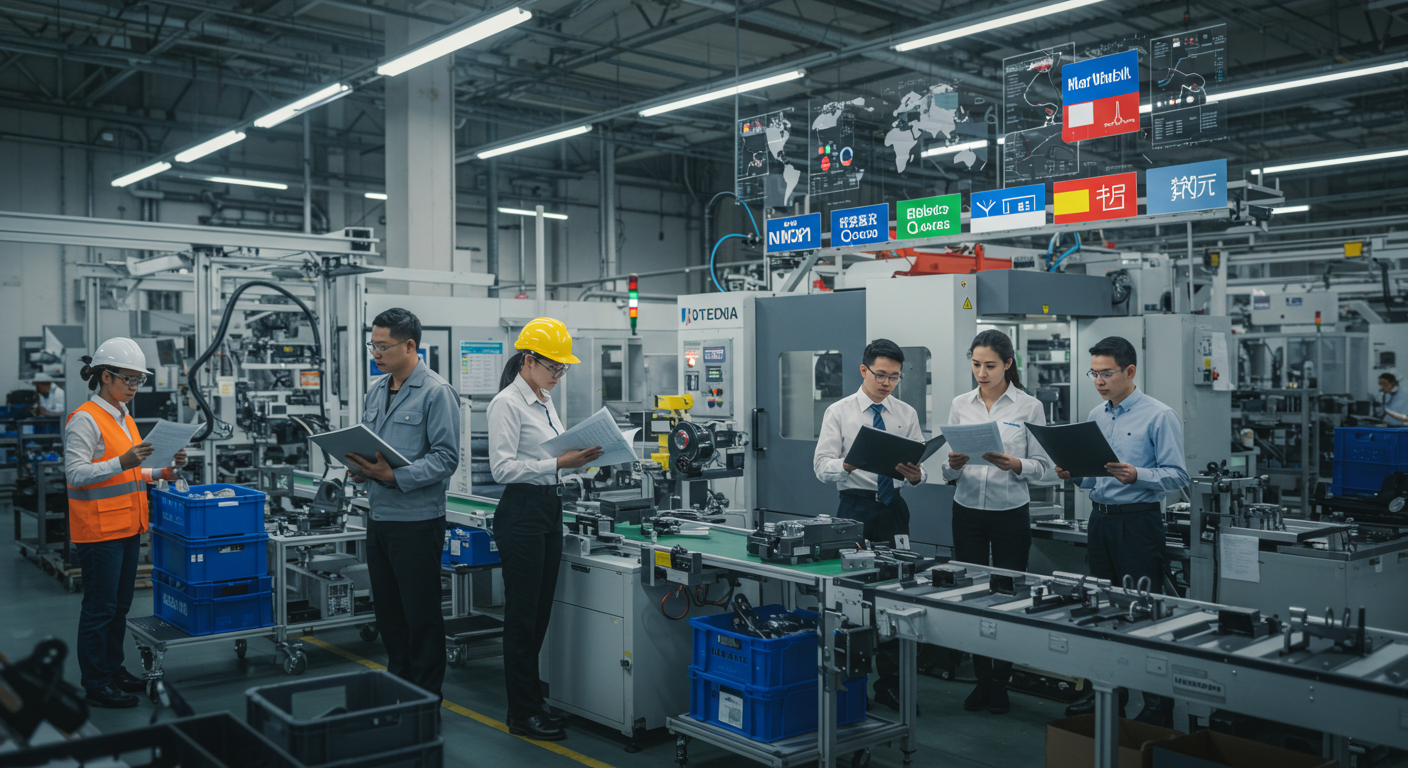
Every morning, millions of workers around the world consult translated manuals to operate complex machinery, follow safety protocols, and maintain quality standards that keep global supply chains running smoothly. From automotive assembly lines in Mexico to electronics manufacturing facilities in Vietnam, accurate manufacturing translation serves as the foundation that enables international production networks to function safely and efficiently.
The global manufacturing industry generates over $14 trillion in annual output, with production facilities spanning every continent and employing workers who speak hundreds of different languages.
This vast network depends entirely on clear, accurate communication to maintain safety standards, quality control, and operational efficiency. When a German-engineered machine operates in a Brazilian factory, or when Japanese quality control procedures are implemented in an Indian facility, manufacturing translation bridges the critical gap between technical knowledge and practical application.
At Directline Translator, we’ve worked extensively with manufacturers ranging from small specialty producers to multinational corporations managing complex global supply chains. Our experience has shown us that manufacturing translation goes far beyond converting technical documents from one language to another.
It requires deep understanding of industrial processes, safety regulations, quality standards, and the cultural factors that influence how workers interact with machinery and follow procedures.
The consequences of inadequate manufacturing translation can be severe. Poorly translated safety instructions can lead to workplace accidents and regulatory violations. Incorrect machine operation procedures can cause equipment damage, production delays, and quality defects.
Mistranslated quality control standards can result in product recalls and damage to brand reputation. These high stakes make manufacturing translation one of the most demanding and specialized areas of professional translation services.
The manufacturing sector faces unique translation challenges that don’t exist in other industries. Technical accuracy must be absolute because workers depend on translated instructions to operate dangerous machinery safely. Cultural adaptation becomes crucial when safety cultures and work practices vary significantly between countries. Regulatory compliance requires knowledge of local workplace safety laws and industrial standards that change frequently.
This comprehensive guide will walk you through every aspect of manufacturing translation, from understanding the fundamental principles that ensure worker safety to implementing advanced translation workflows that support global production networks.
You’ll learn about emerging technologies that are reshaping manufacturing communication, discover strategies for managing complex multilingual documentation projects, and gain insights into future trends that will define the next generation of global manufacturing operations.
Understanding Manufacturing Translation Fundamentals
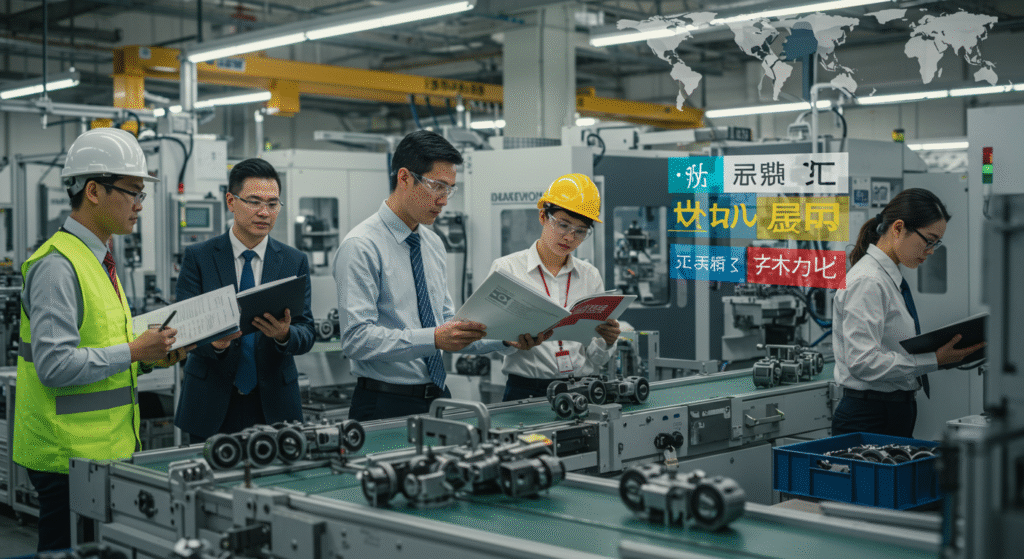
Manufacturing translation operates within a framework of strict technical accuracy requirements, safety considerations, and regulatory compliance that distinguishes it from other translation domains.
The fundamental principle guiding all manufacturing translation work is that human safety depends on clear, unambiguous communication. Unlike marketing materials where creative interpretation might be acceptable, manufacturing documents must convey precise technical information that workers can follow without confusion or uncertainty.
Technical terminology in manufacturing translation requires exceptional precision because slight variations in meaning can have serious consequences. When a manual describes torque specifications for assembly procedures, the translated version must maintain exactly the same technical accuracy to prevent equipment damage or safety hazards.
Professional manufacturing translators maintain extensive technical glossaries and work closely with subject matter experts to ensure terminology consistency across all documents.
Safety protocol translation represents perhaps the most critical aspect of manufacturing translation work. Safety procedures protect workers from injury and death, making accurate translation a matter of life and death in many industrial environments. These translations must account for cultural differences in safety awareness, communication styles, and authority relationships that affect how workers respond to safety instructions.
Quality control documentation translation requires understanding of international quality standards like ISO certifications, Six Sigma methodologies, and industry-specific quality frameworks. Translated quality procedures must maintain the same level of precision and measurability as the original documents to ensure consistent product quality across global production facilities.
Regulatory compliance adds another layer of complexity to manufacturing translation because workplace safety laws, environmental regulations, and industrial standards vary significantly between countries. Translators must understand how local regulations affect translated documents and ensure that all procedures comply with relevant legal requirements in each target market.
Contextual understanding becomes crucial in manufacturing translation because the same procedure might be described differently depending on the specific equipment, facility layout, or production process involved. Professional manufacturing translators use specialized tools to track context and maintain consistency across related documents that might be used together in actual production environments.
The collaborative nature of manufacturing operations requires translation approaches that consider how different roles and departments will use translated documents. Machine operators, maintenance technicians, quality inspectors, and safety supervisors all interact with the same equipment but need different types of information presented in ways that suit their specific responsibilities and expertise levels.
Production Documentation and Manufacturing Translation
Production documentation represents the backbone of modern manufacturing operations, and manufacturing translation of these critical documents enables global production networks to maintain consistency and efficiency across multiple facilities and countries. Production documentation includes work instructions, standard operating procedures, process specifications, and workflow diagrams that guide every aspect of manufacturing operations.
Work instruction translation requires exceptional attention to detail because these documents provide step-by-step guidance for complex manufacturing processes. Workers rely on translated work instructions to perform their jobs correctly, and any ambiguity or error can lead to production delays, quality defects, or safety incidents.
Professional manufacturing translation services use specialized formatting and visual design techniques to ensure that translated work instructions remain clear and easy to follow.
Standard operating procedure translation must maintain both technical accuracy and procedural clarity across different languages and cultures. These procedures often involve complex sequences of actions that must be performed in specific orders, and translated versions must preserve this logical flow while adapting to different linguistic structures and cultural communication patterns.
Process specification translation involves highly technical content that describes manufacturing parameters, tolerances, and performance criteria. These specifications often include numerical data, measurement units, and technical standards that must be converted accurately for different markets while maintaining their precision and enforceability.
Bill of materials translation requires careful handling of part numbers, supplier information, and technical specifications that enable accurate procurement and inventory management across global supply chains. These documents must maintain consistency with existing parts databases and supplier systems while providing clear information in local languages.
Workflow diagram translation presents unique challenges because visual elements must be coordinated with translated text to maintain clarity and usability. Manufacturing workflows often combine text, symbols, and visual representations that must work together effectively in different languages and cultural contexts.
Change control documentation translation becomes critical when manufacturing processes are updated or modified because all affected personnel must understand changes clearly and implement them consistently. These translations often work under tight deadlines because production changes can’t wait for extended translation cycles.
Training material translation for production documentation ensures that workers can learn new procedures effectively and maintain their skills over time. These materials must be adapted for different educational backgrounds, learning styles, and cultural approaches to workplace training that vary significantly between countries.
Safety Manual Translation in Manufacturing Translation
Safety manual translation represents the most critical aspect of manufacturing translation because worker safety depends directly on clear, accurate communication of hazard information, protective procedures, and emergency response protocols. The responsibility that comes with safety manual translation cannot be overstated—translation errors in safety documentation can literally be matters of life and death.
Hazard identification translation requires precise communication of danger levels, risk factors, and warning information that helps workers recognize and avoid dangerous situations. Different cultures have varying approaches to risk communication, and safety manual translation must balance cultural sensitivity with absolute clarity about potential dangers.
Personal protective equipment instructions must be translated with complete accuracy because improper use of safety equipment can negate its protective benefits. These instructions often include specific technical requirements for equipment selection, fitting, maintenance, and replacement that must be communicated clearly to ensure worker protection.
Emergency procedure translation requires clear, actionable language that workers can follow quickly under stressful conditions. Emergency situations don’t allow time for confusion or misunderstanding, making translation clarity absolutely essential. Professional manufacturing translation services often conduct readability testing to ensure that emergency procedures can be understood and followed under pressure.
Lockout/tagout procedure translation involves complex safety protocols that prevent accidental equipment startup during maintenance operations. These procedures must be followed exactly to prevent serious injury or death, and translated versions must maintain the same level of precision and enforceability as original documents.
Chemical safety information translation requires specialized knowledge of hazardous materials classification, handling procedures, and regulatory requirements that vary between countries. Safety Data Sheets and chemical handling procedures must comply with local regulations while maintaining their protective intent and technical accuracy.
Machine-specific safety warnings must be integrated with equipment documentation to provide comprehensive safety information that workers can access when needed. These warnings must account for different literacy levels, cultural approaches to authority, and workplace communication patterns that affect how safety information is received and acted upon.
Incident reporting procedure translation enables consistent safety management across global manufacturing operations by ensuring that all safety incidents are documented and investigated using standardized approaches. These procedures must comply with local reporting requirements while maintaining compatibility with global safety management systems.
Technical Manual Translation for Manufacturing Translation
Technical manual translation forms a crucial component of manufacturing translation services, encompassing the complex documentation that supports equipment operation, maintenance, troubleshooting, and repair across global manufacturing facilities. These manuals serve as the primary reference materials that enable technicians and operators to work effectively with sophisticated industrial equipment.
Equipment operation manual translation requires deep technical knowledge because these documents contain detailed instructions for complex machinery that can be dangerous if operated incorrectly. Professional translators must understand mechanical systems, electrical components, hydraulic systems, and computerized controls to accurately translate operation procedures that maintain both safety and efficiency.
Maintenance procedure translation involves highly specialized technical content that describes preventive maintenance schedules, repair procedures, and component replacement instructions. These procedures must be translated with absolute accuracy because improper maintenance can lead to equipment failure, safety hazards, and costly production interruptions.
Troubleshooting guide translation requires logical thinking and technical expertise because these guides help technicians diagnose and resolve equipment problems. The translated versions must maintain the same diagnostic logic and problem-solving approach as the original documents while adapting to different technical vocabularies and cultural approaches to problem-solving.
Parts catalog translation involves managing large databases of technical information including part numbers, specifications, compatibility information, and ordering details. These catalogs must maintain accuracy and consistency with global parts management systems while providing clear information in local languages.
Installation manual translation requires precise communication of assembly procedures, connection requirements, and configuration settings that enable proper equipment setup. Installation errors can be extremely costly and dangerous, making translation accuracy absolutely critical for these documents.
Calibration procedure translation involves highly technical content that describes precision measurement and adjustment procedures required to maintain equipment accuracy. These procedures often involve complex mathematical calculations and precise measurement techniques that must be communicated clearly across language barriers.
Software interface translation for manufacturing equipment requires coordination between technical manual translation and user interface localization to ensure that translated manuals accurately reflect the translated software interfaces that operators will encounter.
Compliance documentation translation ensures that technical manuals meet local regulatory requirements and safety standards that vary between countries. This work requires understanding of relevant regulations and standards in each target market to ensure that translated manuals support regulatory compliance.
Quality Control and Manufacturing Translation Standards
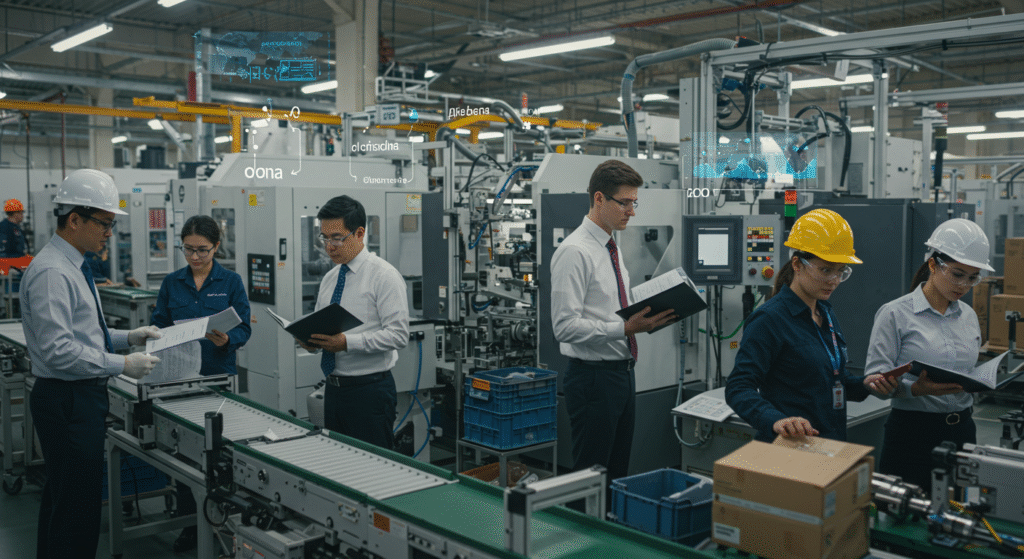
Quality control in manufacturing translation requires specialized approaches that address the unique challenges of technical accuracy, safety compliance, and regulatory requirements that characterize manufacturing documentation.
The quality standards for manufacturing translation are typically higher than other translation domains because of the serious consequences that can result from translation errors.
Technical accuracy verification involves multiple levels of review including linguistic accuracy, technical correctness, and functional validity. Manufacturing translation projects typically include review by both professional translators and subject matter experts who understand the specific industrial processes and equipment involved in the documentation.
Terminology consistency management becomes critical in manufacturing translation because the same technical terms often appear across multiple documents that will be used together in actual production environments. Inconsistent terminology can confuse workers and lead to errors, making centralized terminology management an essential component of quality control.
Safety compliance review ensures that translated safety documentation meets both linguistic standards and safety requirements. This review process often involves safety professionals who can evaluate whether translated safety procedures will be effective in preventing accidents and protecting workers.
Regulatory compliance verification confirms that translated documents meet local legal and regulatory requirements that affect manufacturing operations. This verification requires knowledge of relevant regulations in each target market and may involve consultation with local regulatory experts.
Usability testing for manufacturing translation involves evaluating how effectively workers can use translated documents to perform their actual job functions. This testing may include observing workers using translated procedures, collecting feedback about clarity and usability, and making revisions based on real-world performance.
Version control management ensures that all translated documents remain synchronized with original document updates and revisions. Manufacturing documentation changes frequently, and quality control systems must track these changes and manage translation updates accordingly.
Cultural adaptation review evaluates whether translated documents are appropriate for the cultural and workplace contexts where they will be used. This review considers factors like communication styles, authority relationships, and workplace practices that affect how workers interact with documentation.
Continuous improvement processes use feedback from actual manufacturing operations to identify areas where translation quality can be improved. This feedback helps translation teams understand how their work performs in real-world conditions and make adjustments to improve effectiveness.
Technology Integration in Manufacturing Translation
Modern manufacturing translation increasingly relies on sophisticated technology platforms that improve efficiency, maintain consistency, and enable better collaboration between translation teams and manufacturing organizations. These technologies are transforming how manufacturing translation work is performed while improving quality and reducing costs.
Translation memory systems specifically designed for manufacturing content help maintain consistency across large volumes of technical documentation. These systems store previously translated segments and suggest matches for similar content, which is particularly valuable in manufacturing translation because technical procedures often contain similar elements across different documents and equipment types.
Computer-assisted translation tools designed for technical content provide specialized features like terminology management, quality assurance checks, and integration with technical documentation systems. These tools help translators work more efficiently while maintaining the high accuracy standards required for manufacturing documentation.
Content management system integration enables manufacturing translation to be embedded directly into documentation development workflows. These integrations allow automatic translation requests when technical documents are created or updated, real-time status tracking for translation projects, and seamless publication of translated content.
Terminology management platforms help manufacturing organizations maintain consistent technical vocabulary across all translated documents and multiple language versions. These platforms often integrate with existing technical documentation systems and can provide real-time terminology suggestions during the translation process.
Quality assurance automation uses specialized tools to identify potential issues in manufacturing translation before documents reach production environments. These tools can detect inconsistent terminology, formatting problems, missing translations, and potential safety compliance issues.
Collaborative translation platforms enable better coordination between translation teams, subject matter experts, and manufacturing personnel. These platforms provide features like real-time collaboration, integrated communication tools, progress tracking, and review management that improve project coordination and quality.
Machine translation integration provides useful starting points for high-volume manufacturing content while maintaining human oversight for quality and safety compliance. Advanced machine translation systems can handle routine technical content effectively when combined with professional review and editing.
Digital asset management systems help manufacturing organizations manage translated versions of technical drawings, diagrams, photos, and other visual content that accompanies manufacturing documentation. These systems ensure that visual elements remain synchronized with translated text content.
Regulatory Compliance in Manufacturing Translation
Regulatory compliance represents a critical aspect of manufacturing translation because manufacturing operations are subject to extensive workplace safety, environmental protection, and product quality regulations that vary significantly between countries. Translation errors in regulatory documentation can lead to legal liability, regulatory violations, and serious safety incidents.
Workplace safety regulation compliance requires translated safety documentation to meet local legal requirements while maintaining their protective intent. These regulations often specify exactly how safety information must be communicated, including language requirements, formatting standards, and content requirements that affect translation approaches.
Environmental regulation compliance affects manufacturing translation when facilities must comply with local environmental protection laws that require specific documentation, reporting procedures, and operational controls. Translated environmental documentation must meet both linguistic standards and regulatory requirements to ensure legal compliance.
Product quality standard compliance involves translating quality control procedures, inspection criteria, and testing protocols to meet local quality standards and certification requirements. These translations must maintain compatibility with international quality standards while meeting local regulatory expectations.
Import/export regulation compliance requires accurate translation of customs documentation, product classifications, and shipping procedures that enable legal movement of goods across international borders. Errors in these translations can cause customs delays, legal problems, and additional costs.
Industry-specific regulation compliance addresses specialized regulatory requirements that affect specific manufacturing sectors. For example, pharmaceutical manufacturing, food processing, and automotive production each have unique regulatory requirements that affect how documentation must be translated and presented.
Audit documentation translation enables manufacturing facilities to demonstrate regulatory compliance to local authorities and international certification bodies. These translations must maintain their evidential value while being accessible to local regulators and auditors.
Legal liability considerations affect manufacturing translation because translated documents can become evidence in legal proceedings related to workplace accidents, product defects, or regulatory violations. Professional manufacturing translation services maintain appropriate professional liability insurance and documentation practices to address these risks.
Regulatory update management ensures that translated documentation remains current with changing regulatory requirements. Manufacturing regulations change frequently, and translation management systems must track these changes and manage translation updates accordingly.
Global Supply Chain and Manufacturing Translation
Global supply chain operations depend heavily on manufacturing translation to coordinate complex networks of suppliers, manufacturers, and distributors that span multiple countries and languages. Effective supply chain communication requires consistent translation of procurement procedures, quality standards, and logistical information across all network participants.
Supplier communication translation enables effective coordination with international suppliers who provide raw materials, components, and services to manufacturing operations. This communication includes purchase orders, quality specifications, delivery schedules, and performance feedback that must be translated accurately to maintain supply chain efficiency.
Quality standard translation ensures that all supply chain participants understand and implement consistent quality requirements regardless of their location or primary language. These standards must be translated in ways that maintain their measurability and enforceability across different cultural and regulatory contexts.
Logistics documentation translation covers shipping instructions, customs documentation, inventory management procedures, and transportation requirements that enable efficient movement of materials and products through global supply chains. Accuracy in logistics translation directly affects delivery performance and cost management.
Contract translation for manufacturing agreements requires specialized legal and technical knowledge because these contracts govern complex relationships between supply chain participants. Manufacturing contracts often include technical specifications, quality requirements, and performance criteria that must be translated with absolute precision.
Vendor qualification documentation translation enables consistent evaluation and approval of suppliers across different markets. These documents include capability assessments, quality certifications, and compliance verifications that must be translated accurately to maintain supply chain integrity.
Inventory management system translation supports global visibility and control of materials and products throughout the supply chain. These systems require translated interfaces, reports, and procedures that enable effective inventory management across multiple languages and locations.
Performance measurement translation ensures that supply chain metrics and reporting systems provide consistent information across all network participants. Key performance indicators, dashboards, and improvement initiatives must be translated in ways that maintain their analytical value and actionability.
Supply chain risk management translation addresses documentation related to risk assessment, contingency planning, and crisis response procedures that help manufacturing networks respond effectively to disruptions. These documents must be readily accessible and clearly understood across all participating organizations.
Future Trends in Manufacturing Translation
The manufacturing translation industry is experiencing significant transformation driven by technological advances, changing manufacturing practices, and evolving global supply chain requirements. Understanding these trends helps manufacturing organizations prepare for future opportunities and challenges in global operations management.
Industry 4.0 integration is creating new requirements for manufacturing translation as smart factories, connected equipment, and data-driven operations generate new types of content that require translation. Internet of Things devices, artificial intelligence systems, and automated equipment create multilingual content that traditional translation approaches may not address effectively.
Augmented reality applications in manufacturing are creating new translation challenges as technical information is overlaid directly onto equipment and work environments. These applications require translation approaches that consider spatial relationships, visual design, and interactive user experiences that go beyond traditional document translation.
Real-time translation capabilities are becoming more sophisticated and may eventually enable dynamic translation of manufacturing content as it’s created or updated. This capability could significantly reduce the time required to distribute translated information across global manufacturing networks.
Artificial intelligence integration in manufacturing translation is improving efficiency and consistency while maintaining the human expertise required for safety and compliance. AI systems are becoming better at handling routine technical content while flagging complex or sensitive material for human review.
Sustainable manufacturing practices are creating new translation requirements as environmental regulations become more stringent and sustainability reporting becomes more important. Green manufacturing initiatives require translation of environmental procedures, sustainability metrics, and compliance documentation.
Remote work and distributed teams are changing how manufacturing translation projects are managed and delivered. Cloud-based collaboration platforms and remote quality assurance processes are enabling more flexible and efficient translation workflows.
Predictive maintenance systems generate new types of technical content that require translation as manufacturing equipment becomes more intelligent and connected. These systems produce diagnostic information, maintenance recommendations, and performance data that must be accessible to technicians regardless of their primary language.
Customization and personalization trends in manufacturing are creating more diverse content that requires translation as products become more tailored to specific markets and customer preferences. This trend increases both the volume and complexity of manufacturing translation requirements.
FAQs On Manufacturing Translation: Globalizing Production and Manuals:
Q: What makes manufacturing translation different from other technical translation work?
A: Manufacturing translation requires absolute technical accuracy because worker safety and regulatory compliance depend on precise communication. Unlike other technical translation, manufacturing content often involves life-or-death safety information, complex regulatory requirements, and integration with physical production processes that don’t allow for ambiguity or creative interpretation.
Q: How long does it typically take to translate a complete manufacturing manual?
A: Timeline varies significantly based on manual complexity and technical content. A standard equipment operation manual with 50-100 pages typically requires 3-6 weeks for professional translation, while comprehensive technical documentation packages can take 8-16 weeks. Safety-critical content requires additional review time that extends these timelines.
Q: What qualifications should manufacturing translators have?
A: Professional manufacturing translators typically combine linguistic expertise with technical knowledge gained through engineering education, industrial experience, or specialized training. Many hold certifications in translation, lean manufacturing, quality management, or specific industry standards. Subject matter expertise in relevant manufacturing processes is often more important than general translation experience.
Q: How do you ensure safety compliance across different countries?
A: Safety compliance requires understanding both source and target country regulations, working with local safety experts, and implementing rigorous review processes. Professional manufacturing translation services maintain knowledge of international safety standards and often consult with local regulatory experts to ensure compliance in each target market.
Q: What happens when manufacturing procedures change frequently?
A: Frequent changes require agile translation workflows that can quickly update translated content while maintaining consistency and quality. Translation memory systems, automated change detection, and established revision processes help manage frequent updates efficiently. Many organizations implement continuous localization approaches that integrate translation work directly into documentation update cycles.
Q: How do you handle highly technical terminology consistently?
A: Terminology consistency requires centralized glossaries, translation memory systems, and coordinated workflows across all translation projects. Professional services maintain comprehensive technical terminology databases that include approved translations, context information, and usage guidelines. Regular terminology review and validation with subject matter experts ensure ongoing accuracy.
Q: What testing is required for manufacturing translation?
A: Testing includes linguistic review, technical accuracy verification, usability testing with actual workers, and compliance verification with relevant regulations. Safety-critical content requires additional testing to ensure that translated procedures will be effective in preventing accidents and protecting workers in real-world conditions.
Q: How do you manage translation for global supply chains?
A: Global supply chain translation requires coordinated workflows that maintain consistency across multiple suppliers, facilities, and countries. Centralized translation management, shared terminology databases, and standardized quality procedures help ensure that all supply chain participants receive consistent, accurate information regardless of their location.
Q: What role does technology play in manufacturing translation?
A: Technology improves efficiency through translation memory, terminology management, automated quality checks, and integration with manufacturing systems. However, human expertise remains essential for safety compliance, cultural adaptation, and technical accuracy. The most effective approaches combine technology efficiency with professional knowledge and oversight.
Q: How do you measure the success of manufacturing translation projects?
A: Success measurement includes safety incident reduction, regulatory compliance achievement, production efficiency improvements, and worker feedback on document usability. Cost savings from reduced errors, improved productivity, and better supplier coordination also provide measurable benefits. Long-term success is often measured by the ability to maintain consistent global operations without translation-related problems.
Ready to strengthen your global manufacturing operations with professional translation services? Directline Translator specializes in comprehensive manufacturing translation solutions that help industrial companies maintain safety, quality, and efficiency across international operations. Our experienced team understands the critical importance of accuracy in manufacturing communication and delivers results that protect workers while enabling global growth. Contact us today to discuss your manufacturing translation needs and learn how our expertise can support your global production success.