
 directlineauthors

When world leaders gather to discuss peace treaties, trade agreements, or crisis resolutions, their words carry the weight of nations. Behind every successful diplomatic meeting stands a professional interpreter who transforms complex political discourse into clear, accurate communication across language barriers. The role of interpreters in global diplomacy extends far beyond simple word translation – they serve as cultural bridges, ensuring that nuanced meanings, subtle implications, and diplomatic protocols are preserved across different languages and cultures.
International relations depend heavily on precise communication, where a single misinterpreted phrase can alter the course of negotiations or strain relationships between countries. Professional interpreters working in diplomatic settings face unique challenges that require specialized training, deep cultural knowledge, and unwavering accuracy. The role of interpreters in global diplomacy has grown increasingly complex as international cooperation becomes more frequent and necessary in our interconnected world.
At Directline Translators, we understand the critical nature of diplomatic interpretation and the profound impact these language professionals have on international relations. Their work often occurs behind closed doors, yet their contributions shape the outcomes of meetings that affect millions of people worldwide. What follows will take you through the intricate world of diplomatic interpretation, showing you exactly how these skilled professionals work and why their expertise matters more than ever in today’s global political landscape.
How Interpreters Shape International Relations Through Diplomatic Communication
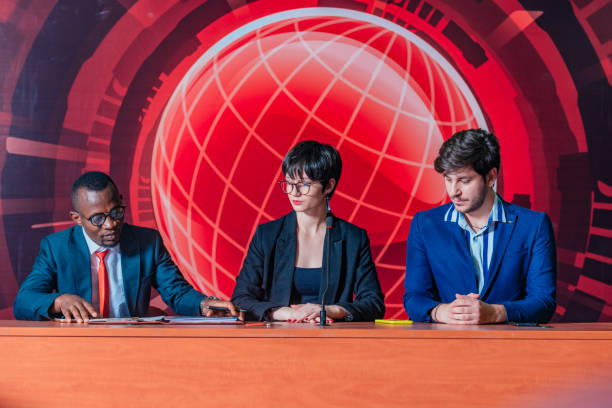
Professional interpreters working in diplomatic settings carry enormous responsibility when they facilitate communication between government officials, ambassadors, and heads of state. Their role extends beyond mechanical translation to include cultural mediation, where they must convey not just words but also cultural context, political implications, and diplomatic subtleties that could make or break international agreements.
The impact interpreters have on international relations becomes evident when considering historical examples where miscommunication led to diplomatic tensions. During the Cuban Missile Crisis, interpreters played crucial roles in ensuring that urgent communications between the United States and Soviet Union were accurately conveyed, helping to prevent nuclear conflict. Similarly, at major international summits like those of the United Nations, G7, or climate conferences, interpreters enable leaders who speak different languages to engage in meaningful dialogue about global challenges.
These language professionals must possess exceptional linguistic skills combined with deep understanding of political systems, cultural norms, and diplomatic protocols of the countries they serve. They often work in high-pressure environments where accuracy is paramount and mistakes could have far-reaching consequences. The mental agility required to process complex political concepts in real-time while maintaining cultural sensitivity makes diplomatic interpretation one of the most demanding forms of language work.
Modern diplomatic interpreters also work with increasingly technical subject matter, from cybersecurity agreements to climate change protocols, requiring them to stay current with specialized terminology across multiple fields. This expertise allows them to serve as essential facilitators of international cooperation, helping world leaders address global challenges that require multilateral solutions.
Essential Skills Interpreters Need for Effective Diplomatic Service
Working as a diplomatic interpreter requires a unique combination of linguistic expertise, cultural competence, and psychological resilience that goes far beyond basic language fluency. These professionals must master simultaneous interpretation techniques, allowing them to translate speech in real-time while maintaining accuracy and preserving the speaker’s intended meaning and tone.
Cultural intelligence stands as perhaps the most critical skill for diplomatic interpreters, as they must understand the cultural context behind political statements, recognize when cultural references might be misunderstood, and adapt their interpretation accordingly. This includes knowledge of historical relationships between countries, understanding of different political systems, and awareness of cultural sensitivities that could affect diplomatic negotiations.
Professional diplomatic interpreters also develop exceptional memory skills and note-taking techniques that allow them to retain complex information during lengthy discussions. They practice active listening at an advanced level, picking up on subtle vocal cues, hesitations, and emphasis that might carry diplomatic significance. These skills become particularly important during sensitive negotiations where the tone and manner of delivery can be as important as the actual words spoken.
Mental stamina and stress management represent additional crucial skills, as diplomatic interpreters often work in high-stakes environments for extended periods. They must maintain concentration and accuracy even when dealing with contentious topics or tense diplomatic situations. Many diplomatic interpreters also cultivate expertise in specific subject areas such as international law, economics, or environmental policy, allowing them to provide more accurate interpretation of technical discussions.
The Role of Interpreters in Modern International Peace Negotiations
Peace negotiations represent some of the most challenging and consequential work that diplomatic interpreters undertake, where their accuracy and cultural sensitivity can directly influence the success of conflict resolution efforts. These interpreters must navigate emotionally charged discussions between parties who may have deep-seated mistrust while ensuring that each side’s concerns and proposals are accurately communicated.
During peace talks, interpreters often work with multiple languages simultaneously as mediators from various countries and international organizations participate in the negotiations. They must be prepared to handle sensitive terminology related to territorial disputes, human rights violations, and ceasefire conditions while maintaining strict neutrality and confidentiality. The complexity increases when cultural concepts related to honor, justice, or reconciliation don’t translate directly between languages.
Historical peace processes demonstrate how crucial interpreters are to successful outcomes. During the Camp David Accords, interpreters helped facilitate understanding between Egyptian President Sadat, Israeli Prime Minister Begin, and President Carter, contributing to a historic peace agreement. More recently, interpreters have played vital roles in peace processes in various regions, helping to bridge not just language gaps but also cultural divides that could otherwise derail negotiations.
The psychological aspects of peace negotiations place additional demands on interpreters, who must remain composed while translating discussions of traumatic events, casualties, and suffering. They often receive specialized training in trauma-informed interpretation practices to help them maintain professional effectiveness while processing difficult content. This emotional resilience allows them to continue serving as accurate communication bridges even in the most challenging circumstances.
Technology’s Impact on Interpreters Working in Diplomatic Settings
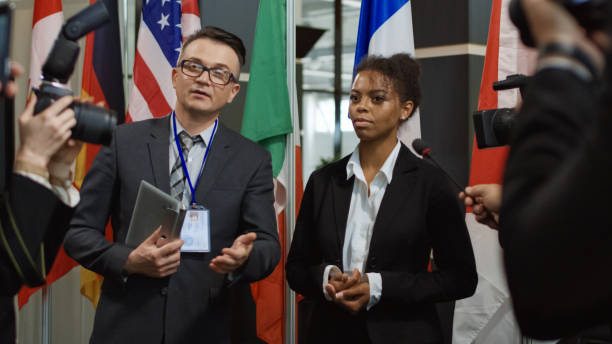
The integration of advanced technology into diplomatic interpretation has created both opportunities and challenges for interpreters working in international relations. While artificial intelligence and machine translation have made significant advances, the complexity and nuance required for diplomatic interpretation means that human interpreters remain indispensable for high-level political communication.
Modern diplomatic interpreters now work with sophisticated equipment including wireless headsets, digital recording systems, and real-time transcription software that can support their work without replacing their expertise. These technological tools help interpreters maintain accuracy by providing backup recordings, allowing them to verify complex technical terms, and enabling them to work more effectively in large conference settings.
Virtual diplomacy has become increasingly common, especially following global events that limited in-person meetings. Interpreters have adapted to provide remote interpretation services for digital diplomatic meetings, requiring them to master new technical skills while maintaining the same level of accuracy and cultural sensitivity they provide in traditional settings. This shift has expanded access to diplomatic interpretation services while presenting new challenges related to audio quality, time delays, and technology reliability.
Despite technological advances, the human element remains crucial for diplomatic interpretation because machines cannot replicate the cultural understanding, contextual awareness, and real-time adaptation that human interpreters provide. Professional interpreters continue to work alongside technology, using it as a tool to support rather than replace their expertise in facilitating cross-cultural diplomatic communication.
Training and Certification Requirements for Interpreters in Diplomatic Work
Becoming a qualified diplomatic interpreter requires extensive education, specialized training, and often years of experience building expertise in international relations and cross-cultural communication. Most diplomatic interpreters begin with advanced degrees in linguistics, international relations, or area studies, combined with native or near-native fluency in multiple languages.
Specialized training programs for diplomatic interpreters cover simultaneous and consecutive interpretation techniques, but they also include modules on international law, diplomatic protocol, cultural competency, and ethics. Students practice with actual diplomatic speeches, treaties, and negotiation scenarios to develop the specific skills needed for this demanding field. Many programs also include internships with international organizations or government agencies where students gain practical experience under supervision.
Professional certification for diplomatic interpreters often requires passing rigorous examinations that test not only language skills but also knowledge of international affairs, cultural competency, and ability to work under pressure. Organizations like the International Association of Conference Interpreters provide professional standards and continuing education requirements that help ensure interpreters maintain their skills throughout their careers.
The career path for diplomatic interpreters typically involves starting with less sensitive assignments and gradually building experience and security clearances that allow access to more confidential diplomatic meetings. Many interpreters specialize in specific regions or types of diplomatic work, developing deep expertise that makes them particularly valuable for certain types of international negotiations or ongoing diplomatic relationships.
Challenges Interpreters Face During High-Stakes International Meetings
Working as an interpreter in high-stakes diplomatic meetings presents unique challenges that go far beyond the linguistic complexity of translating between languages. These professionals must maintain accuracy while working in environments where political tensions run high, where every word carries weight, and where the pressure to perform perfectly is intense.
Time pressure represents one of the most significant challenges, as diplomatic interpreters often must process and translate complex political concepts, legal terminology, and cultural references in real-time. During rapid-fire exchanges between negotiators or heated debates in international forums, interpreters must keep pace while maintaining accuracy and preserving the emotional tone and intent of speakers.
The confidential nature of diplomatic work creates additional pressure, as interpreters are privy to sensitive information that could affect international relations if disclosed. They must maintain strict professional ethics while working with classified information, often signing extensive confidentiality agreements and undergoing security clearance processes that can take months or years to complete.
Cultural and political neutrality poses another significant challenge, particularly when interpreters are working between countries with strained relationships or conflicting ideologies. They must set aside personal opinions and cultural biases to provide accurate interpretation even when translating statements they might personally disagree with or find offensive. This professional objectivity becomes especially difficult during discussions of sensitive topics like human rights violations or territorial disputes.
The Role of Interpreters in United Nations and International Organization Meetings
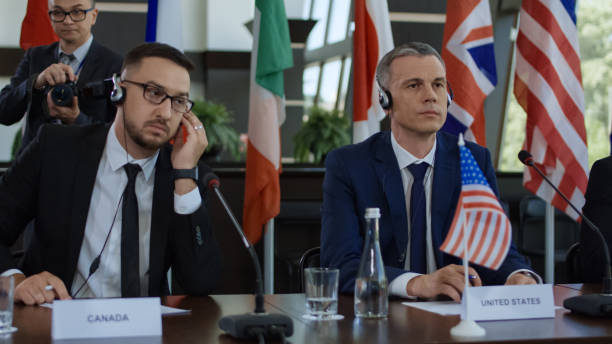
Interpreters working within the United Nations system and other international organizations operate in some of the world’s most diverse multilingual environments, where they facilitate communication among representatives from nearly every country on Earth. These professional interpreters make it possible for the international community to address global challenges through multilateral dialogue and cooperation.
The UN interpreter corps represents one of the most skilled groups of language professionals in the world, working in the organization’s six official languages: Arabic, Chinese, English, French, Russian, and Spanish. These interpreters handle everything from General Assembly debates to Security Council emergency sessions, where their accuracy can influence international responses to crises and conflicts around the globe.
International organization meetings present unique challenges because interpreters must be prepared to work with technical terminology from numerous specialized fields. During World Health Organization meetings, they might interpret medical and epidemiological discussions, while at International Monetary Fund sessions, they handle complex economic and financial terminology. This versatility requires ongoing professional development to stay current with evolving specialized vocabularies.
The multicultural environment of international organizations also means interpreters must navigate complex cultural dynamics where speakers from different backgrounds may have varying communication styles, different approaches to diplomacy, and different cultural frameworks for understanding international cooperation. This cultural competency enables them to facilitate understanding not just between languages but between worldviews.
How Interpreters Maintain Neutrality During Politically Sensitive Diplomatic Discussions
Professional neutrality represents the cornerstone of ethical diplomatic interpretation, requiring interpreters to set aside personal political views, cultural biases, and emotional reactions to provide accurate translation regardless of the content being discussed. This neutrality becomes particularly challenging during politically sensitive negotiations where interpreters must translate statements about contentious issues while maintaining professional objectivity.
Diplomatic interpreters develop specific techniques for maintaining neutrality, including mental separation between their role as language conduits and their personal opinions about the topics being discussed. They learn to focus on linguistic accuracy and cultural appropriateness rather than the political implications of the messages they’re conveying, treating their work as technical communication rather than political advocacy.
Training programs for diplomatic interpreters include extensive ethics instruction that covers scenarios where neutrality might be challenged, such as when translating discussions of human rights violations, territorial disputes, or historical grievances. Interpreters learn to recognize when their personal backgrounds might create potential conflicts and how to manage these situations professionally.
The international interpretation community has developed professional codes of conduct that provide guidance for maintaining neutrality while working in politically charged environments. These standards help interpreters navigate complex ethical situations while maintaining their effectiveness as communication facilitators and preserving their credibility with all parties in diplomatic negotiations.
The Role of Interpreters in Building Cross-Cultural Understanding in Diplomacy
Beyond their technical language skills, diplomatic interpreters serve as cultural mediators who help build understanding between representatives from different cultural backgrounds and political systems. This cultural bridge-building function often proves as important as linguistic translation in achieving successful diplomatic outcomes.
Interpreters working in diplomatic settings develop deep knowledge of how different cultures approach concepts like authority, negotiation, time, and relationship-building. This understanding allows them to help negotiators recognize when cultural differences might be creating misunderstandings that go beyond language barriers. They can identify when a pause in conversation might indicate respect rather than disagreement, or when directness might be perceived as rudeness in certain cultural contexts.
The cultural mediation role becomes particularly important during multilateral negotiations where participants represent diverse cultural backgrounds and communication styles. Interpreters help create common ground by explaining cultural references, adapting communication styles to be more accessible across cultures, and identifying when cultural assumptions might be hindering mutual understanding.
This cross-cultural facilitation work requires interpreters to maintain sensitivity to power dynamics, historical relationships between countries, and cultural hierarchies that might affect how diplomatic messages are received. Their cultural competency enables them to support more effective diplomatic communication by helping negotiators understand not just what is being said, but how it might be perceived by counterparts from different cultural backgrounds.
Future Trends for Interpreters Working in Global Diplomatic Relations
The future of diplomatic interpretation is being shaped by technological advances, changing global political dynamics, and evolving communication patterns that are transforming how international relations are conducted. Interpreters working in diplomatic settings must adapt to these changes while maintaining the high standards of accuracy and cultural competency that their profession demands.
Virtual and hybrid diplomatic meetings are becoming increasingly common, requiring interpreters to develop new technical skills for remote interpretation while maintaining the same level of effectiveness they provide in traditional face-to-face settings. This trend is expanding access to diplomatic interpretation services while creating new challenges related to technology reliability, audio quality, and cross-cultural communication in digital environments.
The growing complexity of global challenges is requiring diplomatic interpreters to develop expertise in emerging fields like artificial intelligence governance, climate change mitigation, and cybersecurity cooperation. These new subject areas require interpreters to master specialized terminology and concepts that didn’t exist in traditional diplomatic vocabulary, demanding ongoing professional development and adaptation.
Professional development opportunities for diplomatic interpreters are expanding through online training programs, international collaboration platforms, and specialized certification programs that allow interpreters to build expertise while working anywhere in the world. These educational innovations are helping to meet growing demand for skilled diplomatic interpreters while maintaining professional standards across the international interpretation community.
The diplomatic interpretation profession continues adapting to serve the evolving needs of international relations while preserving the fundamental human skills that make cross-cultural diplomatic communication possible. As global cooperation becomes increasingly necessary to address shared challenges, the role of skilled interpreters in facilitating this cooperation becomes even more vital to international peace and prosperity.
FAQs On The Role of Interpreters in Global Diplomacy:
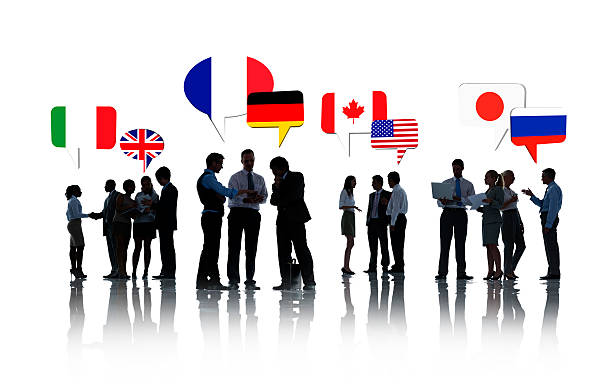
1. What qualifications do interpreters need to work in diplomatic settings? Diplomatic interpreters typically need advanced degrees in linguistics, international relations, or related fields, plus native-level fluency in multiple languages. They also require specialized training in diplomatic interpretation techniques and often need security clearances.
2. How do diplomatic interpreters maintain accuracy during fast-paced negotiations? Professional interpreters use advanced note-taking systems, memory techniques, and simultaneous interpretation skills developed through extensive training. They also work in teams during long sessions to maintain accuracy and prevent fatigue.
3. What’s the difference between diplomatic interpretation and regular business interpretation? Diplomatic interpretation requires specialized knowledge of international relations, cultural protocol, and political terminology. The stakes are higher, confidentiality requirements are stricter, and cultural sensitivity is more critical than in typical business settings.
4. How do interpreters handle sensitive or classified information during diplomatic meetings? Diplomatic interpreters sign extensive confidentiality agreements, undergo security clearance processes, and receive training in handling classified information. They maintain strict professional ethics about information disclosure.
5. Can artificial intelligence replace human interpreters in diplomatic settings? While AI has advanced significantly, diplomatic interpretation requires cultural understanding, contextual awareness, and real-time adaptation that current technology cannot replicate. Human interpreters remain essential for high-level diplomatic communication.
6. How do interpreters prepare for major international summits or peace negotiations? Preparation involves studying relevant political background, reviewing specialized terminology, practicing with similar content, and often receiving briefings on cultural and political contexts relevant to the specific diplomatic meeting.
7. What languages are most in demand for diplomatic interpretation work? The UN’s six official languages (Arabic, Chinese, English, French, Russian, Spanish) are always in high demand, along with regional languages important for specific diplomatic relationships or conflict zones.
8. How do interpreters maintain neutrality when working with countries in conflict? Professional interpreters receive extensive ethics training and develop techniques for separating their personal views from their professional duties. They focus on linguistic accuracy rather than political content.
9. What career paths are available for diplomatic interpreters? Career options include working for international organizations, government agencies, diplomatic missions, or as freelance interpreters specializing in diplomatic work. Some advance to senior interpreter positions or interpretation program management.
10. How has remote diplomacy affected the interpretation profession? Virtual diplomatic meetings have expanded opportunities for remote interpretation while creating new technical challenges. Interpreters have adapted by developing skills for digital platforms while maintaining professional standards for diplomatic communication.